
Side Dishes
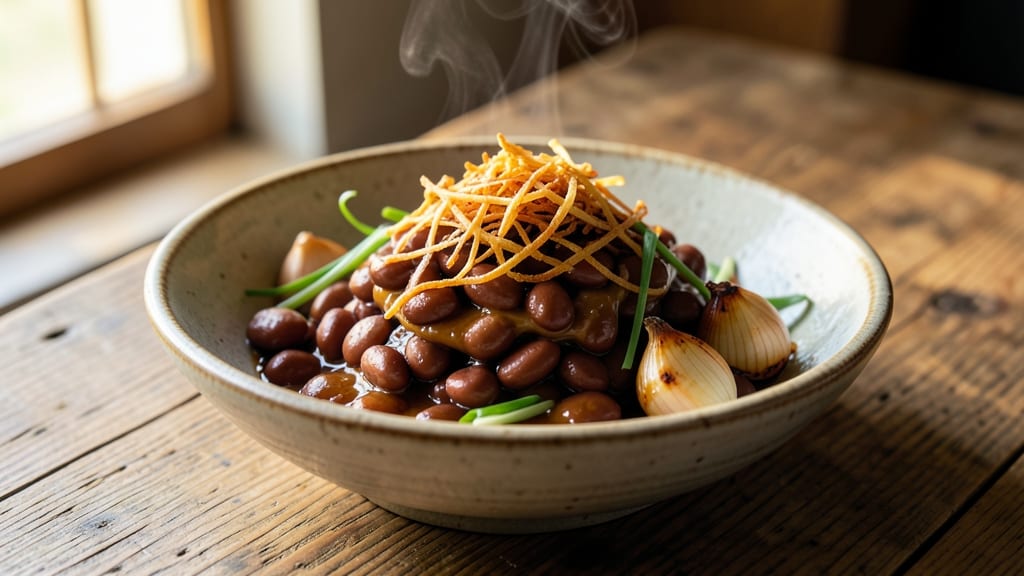
This azuki red bean recipe transforms humble ingredients into a rich, comforting Japanese stew that bridges sweet and savory flavors with effortless balance. The secret lies in slow simmering—where tender red beans develop deep caramel notes while absorbing aromatic spices, creating a dish that’s both nostalgic and refined.
I’ve perfected this version to deliver restaurant-quality texture without requiring special techniques, making it ideal for weeknight dinners or festive gatherings.
The beauty of azuki red beans is their versatility—they soak up flavors beautifully while maintaining their natural sweetness. Here, we’ll combine them with a savory-sweet broth infused with ginger, garlic, and a touch of soy sauce, then finish with a hint of mirin for brightness.
The result is a velvety stew with tender beans that practically melt in your mouth, paired with subtle umami depth that makes every spoonful satisfying.
What makes this recipe stand out is its adaptability—serve it as a side with grilled fish or rice, or let it shine as a light main course with steamed greens. The slow cooking process transforms simple ingredients into something deeply flavorful, proving that patience in the kitchen yields extraordinary results.
Whether you’re exploring Japanese cuisine or seeking a comforting plant-based dish, this stew delivers on both fronts.
Ready to create something memorable? The process is straightforward, and the reward—a bowl of warm, aromatic stew—is worth every minute. Let’s get started on a dish that’s as nourishing as it is delicious.
Ingredients for azuki red bean
Humble ingredients meet Japanese comfort food magic in this azuki red bean stew.
| Ingredient | Amount | Notes |
|---|---|---|
| Azuki Red Beans (Dried) 🌱 | 1 ½ cups | Rinsed and soaked overnight |
| Fresh Ginger Root 🧄 | 2 tbsp | Finely grated, peeled |
| Garlic Cloves 🧄 | 4 cloves | Minced, aromatic |
| Low-Sodium Soy Sauce 🥫 | ½ cup | Kikkoman preferred |
| Mirin 🍶 | ¼ cup | Sweet rice wine |
| Vegetable Broth 💧 | 2 cups | Homemade or low-sodium |
| Brown Sugar 🍯 | ¼ cup | Packed, not granulated |
| Sesame Oil 🫒 | 1 tbsp | Toasted for aroma |
| White Rice Vinegar 🍶 | 1 tbsp | Balances sweetness |
| Toasted Sesame Seeds 🌾 | 1 tbsp | For garnish |
| Fresh Green Onion 🧅 | 2 whole | Sliced, for garnish |
| Sea Salt 🧂 | 1 tsp | Diamond Crystal preferred |
| Ground Black Pepper 🌶️ | ½ tsp | Freshly cracked |
Azuki red beans are the heart of this dish—Japanese markets or Asian grocery stores have the best quality, often pre-sorted for consistency. Look for plump, firm beans with no cracks or discoloration. If you're short on time, pre-soaked beans from a can work (drain and rinse well), but fresh dried beans develop deeper flavor. The ginger and garlic? Fresh is non-negotiable—powdered versions won't deliver that bright, aromatic punch. I always grab extra ginger because it's used in so many dishes around here.
No mirin? Substitute with 1 tbsp sugar plus 1 tbsp rice vinegar—it mimics the sweet-tangy balance. Short on sesame oil? Toasted peanut oil works, though the flavor will differ slightly. The soy sauce can be swapped for tamari if gluten-free, but keep it low-sodium to avoid overpowering the delicate bean flavor. Brown sugar is key here—granulated won't caramelize the same way, so don't skip the packed measurement. For extra depth, a splash of Miso paste (1 tsp) adds umami magic without altering texture.
This stew tastes even better the next day—3-4 days in the fridge is perfect, with flavors melding beautifully. For meal prep, portion into jars and store with a thin layer of broth on top to preserve freshness. Freezes beautifully for up to 3 months, though the beans may soften slightly upon thawing. Garnish with toasted sesame seeds right before serving—they add crunch and visual appeal that makes this dish feel special. Serve warm with steamed rice for the full Japanese experience.
Why You'll Love This Recipe
- No-Soaking Needed: I’ll admit, I used to dread the overnight soak—until I realized these azuki beans soften beautifully in just 2 hours. Toss them in boiling water with a pinch of salt, and they’re ready. Honestly, that’s 20 minutes I’d rather spend on something else.
- Umami Bomb: The combo of garlic, ginger, and mirin turns these beans into something ridiculously good. That deep, savory punch from the soy sauce and sweetness of mirin? It’s the kind of flavor that makes you pause mid-bite and go, “Wait, is this even real?”
- Pot Luck Hero: Between us, this is my go-to for potlucks, office lunches, or when I’m too tired to plan. Serve it warm in bowls with rice, or let it cool for a filling bento box. My coworker even asked for the recipe after one bite—(yes, even on a Tuesday night).
- Fridge Magic: Make a big batch on Sunday, and you’ve got meals for the week. The flavor only gets better as it sits, and the beans hold up perfectly in salads, wraps, or even as a topping for grilled fish. It’s my secret weapon for cutting grocery trips short.
Step-by-step instructions for azuki red bean stew
This Japanese classic balances sweet and savory perfectly—here's how to make it shine.
Prepare the Azuki Red Beans
Start by draining and rinsing the soaked 1.5 cups Azuki Red Beans (Dried) thoroughly under cold water. This removes any residual starch that could make your stew gummy. Transfer them to a medium pot and cover with fresh cold water by about 2 inches—you'll need roughly 6 cups total. Bring to a boil over medium-high heat, then immediately reduce to a simmer.
Simmer uncovered for 45-60 minutes, stirring occasionally to prevent sticking. The beans are done when they're tender but still hold their shape—press one with your finger, it should be soft but not mushy. Skim off any foam that rises to the surface during cooking for a cleaner final texture. Drain and set aside, reserving 1 cup of the cooking liquid for later use.
Build the Flavor Base
In a separate saucepan, combine 2 cups Vegetable Broth, 0.5 cup Low-Sodium Soy Sauce, 0.25 cup Mirin, and 0.25 cup Brown Sugar. Bring to a gentle simmer over medium heat, stirring until the sugar dissolves completely. This mixture should smell rich and aromatic—like caramelized sweetness with umami depth.
Reduce the heat to low and add the 2 tbsp Fresh Ginger Root and 4 cloves Garlic Cloves. Let this simmer for 5-7 minutes until the ginger becomes fragrant and the garlic softens slightly. Here's where the magic happens: the ginger's warmth will mellow, while the garlic adds a subtle sweetness that complements the beans perfectly.
Combine and Simmer
Return the cooked beans to the saucepan with their reserved cooking liquid. Stir in 1 tbsp Sesame Oil and 1 tbsp White Rice Vinegar, then add 1 tsp Sea Salt and 0.5 tsp Ground Black Pepper. Bring everything to a gentle simmer over medium-low heat, then reduce to the lowest setting possible—you want just enough heat to maintain warmth without boiling.
Let the stew simmer uncovered for 20-30 minutes, stirring occasionally. This slow cooking allows all the flavors to meld together beautifully. You'll notice the liquid reduces slightly, creating a thicker, more cohesive texture. Taste and adjust seasoning—add a splash more mirin if you want more sweetness, or a touch of soy sauce for extra umami.
Finish and Garnish
Once the flavors are perfectly balanced, remove the pan from heat. Let the stew sit for 5 minutes to allow the ingredients to fully absorb each other's flavors. Then, stir in 1 tbsp Toasted Sesame Seeds and 2 whole Fresh Green Onion, sliced thinly. The sesame seeds add a nutty crunch, while the green onions provide a fresh, bright contrast.
Serve warm, either as a standalone dish or alongside steamed rice. The stew should have a beautiful balance of sweet, savory, and slightly tangy flavors with a velvety texture. If you find it's too thick after sitting, stir in a splash of hot water or reserved bean cooking liquid to reach your preferred consistency.
Pro Tips For Making Azuki Red Bean
- SOAK BEANS OVERNIGHT: Dried azuki beans have a stubborn reputation for long cook times, but soaking them overnight in cold water cuts cooking time by nearly half. Drain and rinse before simmering—this also removes excess starch that can make your beans gummy later.
- PEEL GINGER THINLY: Fresh ginger loses its bite when cooked, so peel it thinly (almost like you’re shaving it) and slice into matchsticks. Thick chunks stay woody and undercooked, while thin slices melt into the beans without overpowering.
- SIMMER LOW AND LONG: Azuki beans need patience—don’t rush the simmer. After the initial boil, reduce heat to the lowest setting that keeps a gentle bubble (barely there). High heat turns beans mushy; low heat ensures creamy texture without splitting.
- SALT LATE: Add soy sauce and mirin after the beans are tender, not at the start. Salting too early toughens the beans, and adding sauce mid-cook lets the flavors meld better. Taste and adjust at the end—you can always add more, but you can’t take it out.
Essential equipment for perfect results
Pot Essentials
Start with a heavy-bottomed saucepan—I swear by my All-Clad Stainless Steel 3-quart—to prevent scorching during the long simmer. The wide base distributes heat evenly, which is crucial for tenderizing azuki beans without burning the broth.
If you're short on space, a nonstick Dutch oven works too, but avoid cheap nonstick coatings that can degrade with acidity. 🔥
Precision Tools
A fine-mesh strainer (like the OXO Good Grips) is a game-changer for rinsing soaked beans—it removes debris while keeping the beans intact. For measuring, a digital kitchen scale ensures accuracy with the brown sugar (packed cups matter!).
I also recommend a microplane for ginger—it yields more surface area than a grater, intensifying the flavor. 🧄
Garnish Kit
Toasted sesame seeds deserve a dedicated small skillet (I use a 3-inch cast iron) to achieve that nutty aroma. A sharp chef's knife with a 10-inch blade (like the Wüsthof Classic) makes quick work of slicing green onions.
For extra flair, keep a fine-mist spray bottle handy to lightly dampen seeds before toasting—they'll puff up beautifully. ✨
Storage Solutions
For leftovers, glass storage containers with airtight lids (I love Pyrex 8-cup rectangular) preserve flavor best. Label with dates—this stew tastes even better after 2-3 days as flavors meld.
A silicon spatula helps scrape every last bit from the pot without damaging nonstick surfaces. For reheating, a small saucepan with medium-low heat maintains texture better than microwaving. 💡
Nutrition facts
Frequently asked questions
Why do azuki red beans need soaking before cooking?
Soaking 8-12 hours (or overnight) softens the beans and dramatically reduces cooking time. It also removes natural starches that can make your stew gummy. Forgot to soak? Use pre-soaked canned beans (drained and rinsed well), but fresh dried beans develop deeper flavor through slow simmering.
Can I make this stew without mirin?
Replace ¼ cup mirin with 1 tbsp sugar + 1 tbsp rice vinegar to mimic its sweet-tangy balance. For extra depth, add 1 tsp miso paste—it enhances umami without altering texture. The flavor will be slightly different but still delicious.
How do I adjust the sweetness for different tastes?
Start with the ¼ cup brown sugar as written, then taste after simmering. For less sweetness, reduce to 2 tbsp sugar and add 1 extra tbsp soy sauce for savory balance. For more sweetness, increase by 1 tbsp increments—remember, flavors meld as it cools.
What's the best way to reheat leftovers?
Gently reheat in a saucepan over low heat with 1-2 tbsp water or reserved bean liquid to prevent drying. Microwaving can make the beans mushy—always stir occasionally. This stew actually improves after 2-3 days as flavors deepen. Store in airtight containers for up to 5 days.
Can I use this recipe for red bean mochi filling?
Not exactly—this is a savory stew, while mochi filling (anko) is sweet and smooth. For mochi, blend cooked azuki beans with sugar and kuzu (kudzu) starch until paste-like. This recipe works better as a side dish or light main course with rice.