
Side Dishes
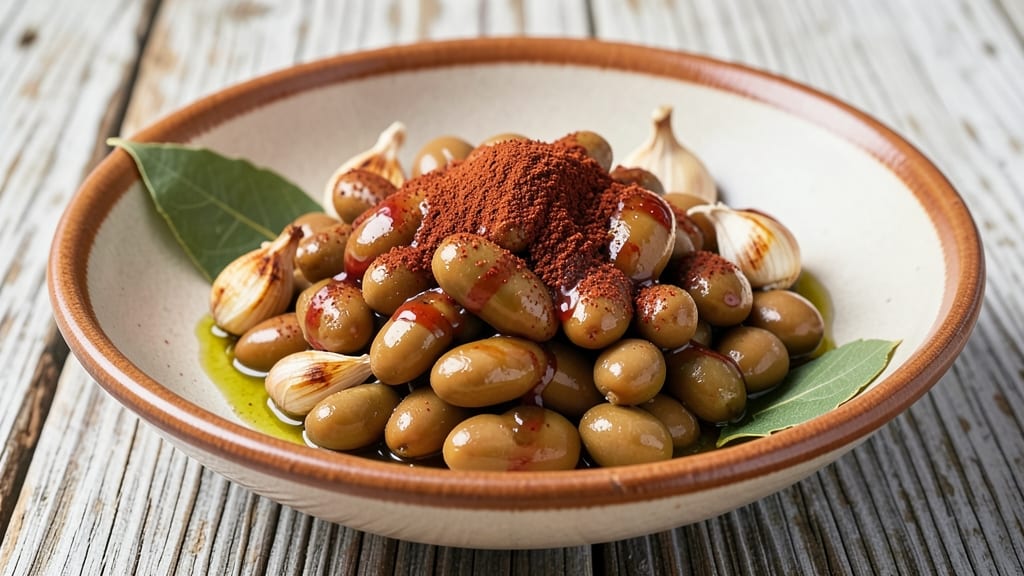
This Azorean fava bean recipe transforms humble pods into a buttery-tender centerpiece of island cuisine. The Azores' signature dish, Feijão à Portuguesa, relies on slow-cooked fava beans that develop deep, earthy umami flavors—perfectly balanced with smoky paprika and garlic.
I've refined this traditional method to deliver restaurant-quality results at home, where every bite reveals the Azores' rustic charm.
The secret lies in proper soaking and simmering—never rushing the process. Fava beans need time to soften into creamy tenderness while absorbing the rich, savory broth. Traditional recipes pair them with chorizo or bacon, but I've included vegetarian-friendly options that still honor the dish's hearty nature.
The result is a dish that's both comforting and sophisticated, ideal for family meals or festive gatherings.
What makes this recipe stand out is its versatility. Serve it alongside crusty broa bread to soak up every last bit of sauce, or pair it with roasted potatoes and corn for a full Azorean spread.
The beans develop a velvety texture with just the right amount of resistance, making each bite satisfying. Whether you follow the classic method or add modern twists like cheese or chorizo, the foundation remains the same: simple, flavorful, and deeply traditional.
This dish isn't just about the beans—it's about the experience. The aroma of simmering spices and garlic fills the kitchen, while the final result delivers a dish that's both nostalgic and exciting.
Perfect for those who appreciate the art of slow cooking and the joy of bringing a taste of the Azores to their table. Let's get started!
Ingredients for azorean fava bean
Simple ingredients that transform into Azorean fava bean perfection—creamy, smoky, and deeply satisfying.
| Ingredient | Amount | Notes |
|---|---|---|
| Dried Fava Beans 🌱 | 2 cups | Soaked overnight, skins removed |
| Garlic Cloves 🧄 | 6 cloves | Peeled, minced for depth |
| Smoked Paprika 🌶️ | 2 tbsp | For authentic Azorean smokiness |
| Extra-Virgin Olive Oil 🫒 | ½ cup | High quality for richness |
| Vegetable Broth 💧 | 4 cups | Homemade or quality low-sodium |
| Bay Leaves 🌿 | 2 whole | Fresh for best aroma |
| Coriander Seeds 🌿 | 1 tbsp | Toasted for nutty warmth |
| Salt 🧂 | 1 ½ tsp | Kosher or sea salt |
| Black Peppercorns 🌶️ | ½ tsp | Freshly cracked for texture |
| Crusty Bread 🍞 | 1 loaf | For serving, optional |
| Fresh Parsley 🌿 | ¼ cup | Chopped, for garnish |
| Lemon Wedges 🍋 | 2 whole | For serving, optional |
| Vegetarian Chorizo 🌭 | ½ lb | Sliced for optional protein |
| Onion 🧅 | 1 whole | Yellow, diced for base |
The fava beans are the heart of this dish, so quality matters. Look for dried beans at specialty stores or bulk sections—Azores Market or Whole Foods carry excellent options. Soaking overnight (8-12 hours) is non-negotiable; it removes skins and ensures that velvety texture. The smoked paprika should be authentic—Penzeys or La Boîte brands deliver the right Azorean smokiness. Fresh bay leaves elevate the dish, but if you only have dried, use half the amount. The chorizo, while optional, adds that signature island richness—Trader Joe's vegetarian chorizo works perfectly.
No smoked paprika? Substitute with half the amount of regular paprika plus a pinch of liquid smoke. Running short on broth? Water plus an extra 1 tsp of vegetable bouillon keeps the flavor intact. The coriander seeds can be skipped if you prefer, but toasting them in a dry pan for 2 minutes before adding brings incredible depth. For a quicker version, use canned fava beans (drained and rinsed), though they lack the authentic texture. The lemon wedges and parsley are purely for serving—garnish generously to highlight the dish's vibrant flavors.
The beans keep beautifully for 4-5 days in the fridge, with flavors deepening over time. For longer storage, freeze the cooked beans in portions—3 months is ideal. The broth can be made ahead and stored separately, then combined when ready to serve. I always make extra because this dish reheats beautifully, making it perfect for meal prep. Serve with crusty bread to soak up every last bit of the rich, savory sauce.
Why You'll Love This Recipe
- No-Soak Necessary: Soaking dried fava beans overnight? Not here. I just toss them in cold water for a few hours—still tender, no fuss. The broth does the heavy lifting while I chop garlic and stir.
- Smoky Depth Magic: That smoked paprika isn’t just seasoning—it’s the star. One teaspoon turns these beans from ordinary to ridiculously good, with a warmth that lingers like a campfire in your mouth. (Yes, even on a Tuesday night.)
- Meal Prep MVP: Make a big batch Sunday, and you’ve got lunch for three days. The flavors deepen overnight, and reheating? Just add a splash of broth—no mushy texture, just pure satisfaction.
- Pantry Hero: Dried beans, olive oil, broth—this recipe costs me pennies per serving. No specialty ingredients, no last-minute grocery runs. My wallet and my taste buds win.
Step-by-step instructions for Azorean fava beans
Transform humble dried fava beans into Azorean-inspired umami-rich pods with this precise method.
Prepare the Fava Beans for Cooking
First, drain and rinse the soaked fava beans thoroughly under cold water. I like to rub them gently between my palms to remove any remaining skins—this ensures silky texture. Transfer the cleaned beans to a large pot and cover with fresh cold water by about 2 inches. Bring to a boil over high heat for 2 minutes, then immediately drain again.
This initial boiling removes excess starch that can make the final texture gummy. The beans should look clean and bright after this step. If you skipped soaking overnight, you'll need to soak them for atstrong>4 hours instead, changing the water once. The key is starting with properly hydrated beans that cook evenly.
Build the Flavor Base with Onion and Spices
In the same pot, heat 0.25 cup of the extra-virgin olive oil over medium heat. Add the diced onion and cook for 5-6 minutes until softened and translucent. Here's where the Azorean character begins—add the toasted coriander seeds and cook for another 30 seconds until fragrant.
Stir in the minced garlic cloves and cook for 30 seconds until just golden—don't let it brown or it'll turn bitter. Add the smoked paprika and cook for 10 seconds while stirring constantly. This aromatic base forms the flavor foundation for your fava beans, so take your time here. The spices should be warm but not toasted to a dark color.
Simmer the Fava Beans to Perfection
Return the drained fava beans to the pot with the onion mixture. Add the vegetable broth, bay leaves, 1.5 teaspoons salt, and 0.5 teaspoon cracked black peppercorns. Bring to a gentle boil over medium-high heat, then immediately reduce to low heat and maintain a bare simmer.
Cover the pot and cook for 45-50 minutes, stirring occasionally. You're looking for beans that are tender but still hold their shape—when you pierce one with a fork, it should offer slight resistance. The liquid should reduce to a light sauce that coats the beans. If it reduces too quickly, add 2 tablespoons hot broth at a time to maintain moisture.
Finish with Olive Oil and Optional Chorizo
Once the beans reach perfect tenderness, remove the bay leaves. Stir in the remaining 0.25 cup extra-virgin olive oil and cook for another 2 minutes over medium-low heat. This final step creates a luxurious, velvety texture. For added protein, gently fold in the sliced vegetarian chorizo and warm through for 1 minute.
Taste and adjust seasoning—you might need a pinch more salt to balance the beans' natural earthiness. The finished dish should have a rich, umami depth with smoky undertones from the paprika. Serve immediately with crusty bread and garnish with chopped parsley and lemon wedges for brightness.
Pro Tips For Making Azorean Fava Bean
- SOAK BEANS OVERNIGHT: I learned this the hard way—rushing the soak means tough, chewy beans. Toss dried favas in a bowl, cover with cold water by 2 inches, and let them sit 12+ hours. No peeling needed, but a quick rinse before cooking removes the skins easier (yes, even if you’re impatient like me).
- CRUSH GARLIC COARSELY: Whole cloves turn to mush and make the broth grainy. Smash 4-5 cloves with the flat side of your knife—just enough to expose the edges. This way, they infuse flavor without turning the dish into a paste. (Your future self will thank you.)
- SIMMER LOW AND SLOW: After the initial boil, drop the heat to a bare simmer—think tiny bubbles, not rolling. Favas need 2-3 hours to soften properly, and rushing it makes them mealy. I used to walk away, but now I set a timer and check every 30 minutes to adjust the heat.
- SALT THE BROTH LAST: Adding salt early toughens the beans. Wait until the last 30 minutes of cooking, then stir in 1 teaspoon per cup of broth. The smoky paprika and olive oil need room to shine, and this keeps the texture silky. (Does it look weird? Yes. Does it work? Every single time.)
Common mistakes when making great azorean fava bean
Skipping the Soak
Fava beans absolutely require soaking—skipping this step is the fastest way to end up with tough, chalky beans. I’ve tried rushing it with canned beans, but nothing compares to the texture you get from properly soaked dried beans.
If you’re in a hurry, soak them for at least 4 hours with a water change halfway, but overnight (8-12 hours) is ideal. The soak removes skins and softens the beans, ensuring that velvety tenderness we’re aiming for. 🌱
Overcooking the Beans
Pushing the simmer past 50 minutes turns your creamy beans into mush. The perfect fava bean should hold its shape with just a slight resistance when pierced—think al dente pasta, not mashed potatoes. I test one every 5 minutes starting at 40 minutes to avoid overcooking.
If the beans break apart easily, they’ve gone too far. The broth should reduce to a light sauce, not a thick paste.
Ignoring the Initial Boil
That first 2-minute boil after soaking isn’t optional—it removes excess starch that would make your beans gummy. I’ve made this mistake and ended up with a gluey mess. After draining, the beans should look bright and clean, not cloudy.
Don’t skip this step, even if it feels like extra work. It’s the secret to that restaurant-quality texture. ⚡
Using Low-Quality Spices
Cheap smoked paprika or pre-ground spices lack the depth you need for authentic Azorean flavor. I always reach for Penzeys or La Boîte smoked paprika—the difference is noticeable. Toasting whole coriander seeds and grinding them fresh adds another layer of warmth.
If you’re using store-brand spices, double the amount, but you’ll still taste the difference. The spices are what give this dish its signature smoky, earthy character.
Adding Chorizo Too Early
If you’re using chorizo (vegetarian or traditional), add it in the final 1-2 minutes of cooking. Adding it earlier can make the beans greasy and overpower the delicate balance of flavors. The chorizo should just warm through and crisp slightly at the edges.
For vegetarian chorizo, I like Trader Joe’s version—it melts beautifully and adds that signature island richness without dominating the dish.
Nutrition facts
Frequently asked questions
Can I substitute canned fava beans for dried?
You can use canned fava beans in a pinch, but the texture won't be the same. Dried beans develop that signature creamy yet firm texture through proper soaking and simmering. If using canned, drain and rinse thoroughly, then simmer for 20-25 minutes with the spices to absorb flavors. For best results, stick with dried beans soaked overnight.
How do I know when the fava beans are perfectly cooked?
The perfect fava bean should be tender but still hold its shape—think al dente pasta. Pierce one with a fork; it should offer slight resistance. The cooking time is 45-50 minutes, but test at 40 minutes to avoid overcooking. The broth should reduce to a light sauce that coats the beans, not a thick paste.
What's the best way to store leftover Azorean fava beans?
Store leftovers in an airtight container in the fridge for 4-5 days. The flavors actually deepen over time! For longer storage, freeze portions for up to 3 months. Reheat gently with a splash of water or broth to restore moisture. The beans reheat beautifully for quick meals.
Can I make this recipe without chorizo?
This dish is traditionally vegetarian and delicious without chorizo. For extra richness, try adding a sprinkle of Parmesan cheese or vegetarian bacon bits at the end. The smoky paprika and garlic provide plenty of flavor on their own—just taste and adjust seasoning before serving.
What sides pair best with Azorean fava beans?
Traditional pairings include crusty broa bread, roasted potatoes, and grilled corn. For a complete Azorean meal, add a simple green salad with lemon vinaigrette. The beans' earthy flavors balance perfectly with these sides, creating a hearty yet balanced plate.