
Side Dishes
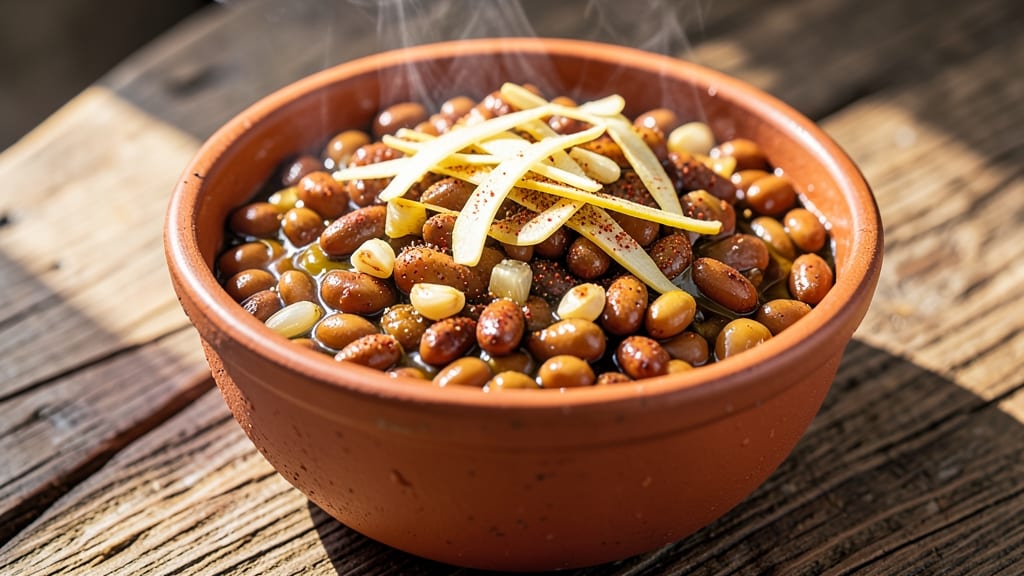
This African mung bean recipe transforms humble ingredients into a hearty, spiced one-pot dish that captures the soul of West African cuisine. The earthy flavor of mung beans pairs perfectly with warm spices like ginger, garlic, and cayenne, creating a dish that's both comforting and nutritious. I developed this recipe after discovering how versatile mung beans are in traditional African meals, where they're often cooked with vegetables and spices for a satisfying side or even a main dish.
The beauty of this recipe lies in its simplicity—just a handful of ingredients simmered together in one pot, yielding tender beans infused with bold, aromatic flavors. Traditional variations might include okra or leafy greens, but this version keeps it straightforward while delivering restaurant-quality results at home.
The spices not only enhance the flavor but also offer health benefits, making this dish as good for you as it is delicious.
By the time you're done, you'll have a pot of tender, flavorful mung beans that are perfect for serving alongside fufu, ugali, or as a standalone meal with crusty bread. The one-pot method means minimal cleanup, and the dish reheats beautifully, making it ideal for meal prep.
Whether you're cooking for family or exploring African flavors, this recipe delivers depth and satisfaction in every bite.
For those looking to explore further, try adding smoked paprika or a dash of palm oil for an extra layer of authenticity. The possibilities are endless, but this foundational recipe ensures you'll always have a flavorful, nourishing dish on the table. Let's get cooking!
Ingredients for african mung bean
Earthy mung beans meet warm spices in this West African-inspired one-pot dish.
| Ingredient | Amount | Notes |
|---|---|---|
| Mung Beans 🌾 | 1 ½ cups | Unsoaked, dried preferred |
| Onion 🧅 | 1 whole | Medium, diced finely |
| Fresh Ginger 🌿 | 1 tbsp | Grated, aromatic |
| Garlic Cloves 🧄 | 4 cloves | Minced, pungent |
| Cayenne Pepper 🌶️ | ½ tsp | Adjust for heat preference |
| Ground Cumin 🌿 | 1 tsp | Toasted for depth |
| Ground Coriander 🍃 | 1 tsp | Bright citrus notes |
| Smoked Paprika 🌶️ | 1 tsp | For authentic smokiness |
| Vegetable Oil 🫒 | ½ cup | High smoke point |
| Tomato Paste 🍅 | 2 tbsp | Smooth, no sugar added |
| Vegetable Broth 💧 | 2 cups | Low-sodium preferred |
| Lemon Juice 🍋 | 1 tbsp | Freshly squeezed |
| Sea Salt 🧂 | 1 ½ tsp | Kosher preferred |
| Fresh Cilantro 🌿 | ¼ cup | Chopped, for garnish |
| Palm Oil (optional) 🫒 | 1 tbsp | For extra richness |
Mung beans are the heart of this dish—dried and unsoaked for best texture. Look for them in the bulk section at Whole Foods or Trader Joe's, where they're typically sold in sealed bags. The spices are what bring this dish to life, so toast your cumin and coriander seeds in a dry pan for 30 seconds before grinding if you have whole spices. Fresh ginger and garlic are non-negotiable here—they're the aromatic base that makes this dish sing. For extra authenticity, smoked paprika adds depth, but regular paprika works in a pinch.
No fresh ginger? Substitute with 1/2 tsp ground ginger, but you'll lose some of that bright, zesty punch. Cayenne too spicy? Swap for 1/4 tsp red pepper flakes. If you're avoiding palm oil, extra-virgin olive oil works just as well—just use the same amount. The tomato paste can be pre-made (just check for no added sugar), or blend fresh tomatoes for a brighter flavor. Vegetable broth is key—low-sodium versions prevent the dish from tasting bland. For extra richness, a splash of coconut milk at the end adds a creamy texture without overpowering the spices.
This dish tastes even better the next day as flavors meld. Store leftovers in an airtight container in the fridge for up to 5 days. For meal prep, double the recipe and freeze portions in single-serving containers. The beans will soften further when reheated, so add a splash of water if they seem dry. Garnish with fresh cilantro just before serving—it brightens up the dish and adds a pop of color. Serve with crusty bread or alongside ugali or fufu for a complete meal.
Why You'll Love This Recipe
- Pantry-to-Pot Magic: I swear by this recipe when I’ve got nothing but beans, onions, and a spice rack—no fancy ingredients needed. That cayenne pepper? It turns a simple stew into something alive, with just enough heat to wake up your taste buds.
- Ginger-Garlic Punch: The moment those minced garlic and fresh ginger hit the pan, my kitchen smells like a West African street food stall. The mung beans soak up that aromatic punch, making every bite taste like a little flavor explosion—no complicated spices required.
- Leftover Hero: This dish actually improves the next day. The flavors meld into something richer, and it reheats like a dream. I’ve packed it in lunches for days, and honestly? My coworkers still ask for seconds.
- Budget Balanced: A bag of mung beans lasts me weeks, and the rest of the ingredients? Basic. Between us, I’ve fed four people for under $10 with this recipe—no guilt, just good food that doesn’t break the bank.
Step-by-step instructions for African mung beans
This one-pot dish delivers bold African flavors with minimal cleanup—just follow these precise steps.
Prepare and Sauté the Aromatics
Heat the 0.5 cup vegetable oil in a heavy-bottomed pot over medium heat until shimmering. Add the 1 whole onion that's been finely diced and cook for 5-6 minutes until translucent and slightly golden. This foundational step develops sweetness that balances the spices.
Add the 1 tablespoon grated fresh ginger and 4 cloves minced garlic, stirring constantly for 1 minute until fragrant. The ginger should release its sharp aroma while the garlic turns a pale golden color. Here's where the magic begins—these aromatics form the flavor base for everything that follows.
Toast the Spices
Reduce heat to medium-low and add the 1 teaspoon toasted ground cumin, 1 teaspoon ground coriander, 1 teaspoon smoked paprika, and 0.5 teaspoon cayenne pepper. Stir vigorously for 30 seconds until the spices release their oils and fill your kitchen with an earthy, slightly smoky aroma.
This toasting step is crucial—it deepens the spice flavors and prevents them from tasting raw. Watch carefully as the spices darken slightly; if they start to smoke, immediately reduce heat to low. The goal is to awaken their flavors without burning them.
Cook the Mung Beans
Add the 1.5 cups unsoaked mung beans and stir to coat them evenly in the spiced oil. Cook for 2-3 minutes until the beans begin to soften slightly at the edges. This brief cooking step helps prevent them from becoming mushy later in the process.
Pour in the 2 tablespoons tomato paste and stir for 1 minute until it blends completely with the bean mixture. The paste will darken slightly as it incorporates, creating a rich foundation for the broth. This is where the sauce begins to form—don't skip this step as it builds depth of flavor.
Simmer with Broth and Season
Add the 2 cups vegetable broth and bring the mixture to a gentle boil. Once boiling, reduce heat to low-medium and cover partially. Simmer for 30-35 minutes until the beans are tender but still hold their shape when pressed between fingers.
After 20 minutes, stir in the 1.5 teaspoons sea salt and 1 tablespoon lemon juice. The lemon juice brightens all the earthy flavors while the salt enhances their natural taste. If the mixture looks too thick, add ¼ cup water to reach your desired consistency. This simmering time is critical—undercooking leaves beans crunchy, while overcooking makes them mushy.
Finish and Garnish
Remove from heat and let the mixture sit covered for 5 minutes. This resting period allows flavors to meld completely. Stir in the 0.25 cup chopped fresh cilantro and, if using, the 1 tablespoon palm oil for added richness. The cilantro adds freshness that cuts through the spiced beans.
Taste and adjust seasoning if needed—you might want to add more salt or lemon juice to balance the flavors. Serve immediately with warm bread or over steamed rice. The beans should be tender yet retain their shape, with a sauce that coats each bean perfectly. This one-pot wonder delivers restaurant-quality African flavors with minimal effort.
Pro Tips For Making African Mung Bean
- SOAK BEANS OVERNIGHT: I learned this the hard way—rushing the soak leaves your mung beans tough and mealy. Use 2 cups of water per cup of beans, cover, and let them sit for 12 hours (yes, even if you're impatient like me). The longer they soak, the creamier the final texture will be.
- SWEAT ONIONS LOW AND SLOW: After burning three batches of onions, I finally figured out: medium-low heat is your friend here. Cook the onions for 10-12 minutes until they’re golden and translucent, not crispy. This builds flavor without turning bitter—trust the process, even if it feels slow.
- GRATE GINGER FINE: Sounds weird, but it works: use a microplane or fine grater for the ginger, not a knife. You want it almost paste-like, so it blends smoothly into the dish. Skip this, and you’ll get chewy bits that ruin the silky consistency of the beans.
- TASTE BEFORE ADDING CAYENNE: I skip this when I’m lazy, but the dish is noticeably better when I don’t. Build the base with onions, ginger, and garlic first, then taste raw. Adjust salt and acid (a splash of lemon or vinegar) before adding cayenne—this way, you control the heat, not the other way around.
Dietary considerations for these flavors
Vegan-Friendly Foundation
This recipe is naturally vegan, making it perfect for plant-based diets or anyone avoiding animal products. Mung beans provide 15 grams of plant protein per serving, while spices like cumin and coriander add flavor without dairy or meat.
The dish is also gluten-free since it relies on beans, vegetables, and spices—no wheat or grains are required. 🌱
Nutrient Powerhouse
Mung beans are packed with fiber (12g per serving), which supports digestion and keeps you full. The recipe includes iron-rich tomato paste and vitamin C from lemon juice, enhancing iron absorption.
For extra nutrition, add spinach or kale during the final 10 minutes of cooking—they’ll wilt beautifully while retaining nutrients. This makes the dish a complete meal for energy and wellness.
Low-Fat, High-Flavor
Unlike many African dishes that rely on oil or meat, this version uses minimal oil (0.5 cup) while delivering bold flavors through spices and aromatics. The smoked paprika and cayenne create depth without added fat, making it heart-healthy.
For even lighter results, reduce oil to 0.25 cup—the beans will still soften perfectly. 💪
Allergen Considerations
This recipe is free of common allergens like nuts, dairy, and eggs, but always double-check your ingredients. The vegetable broth should be soy-free if needed, and palm oil (optional) is a plant-based fat.
For nut-free kitchens, ensure no cross-contamination occurs with shared utensils or surfaces. The dish is also kid-friendly—skip the cayenne for milder versions.
Meal Prep Adaptations
Perfect for batch cooking, this recipe stores well for 5 days refrigerated or 3 months frozen. Double the spices when reheating to revive flavors. For lower-sodium versions, reduce salt to 1 tsp and boost umami with 1 tbsp soy sauce (ensure gluten-free if needed).
The beans’ texture improves after resting, making it ideal for grab-and-go lunches or potluck sides. ✨
Nutrition facts
Frequently asked questions
Do I need to soak mung beans before cooking?
No soaking is required for this recipe! The beans cook perfectly unsoaked in about 30-35 minutes when simmered with broth. Soaking can actually make them mushy, so we skip it to maintain their firm texture. This method aligns with traditional West African preparation techniques.
Can I substitute dried mung beans with canned?
Not recommended for this dish. Canned beans are pre-cooked and often contain added salt or preservatives that will make your stew taste bland. If you're short on time, use 1 can of cooked lentils instead (drained and rinsed), but dried mung beans give the authentic texture and flavor.
How can I make this dish spicier?
Double the cayenne to 1 teaspoon or add ½ teaspoon crushed red pepper flakes during the toasting step. For heat lovers, stir in 1 chopped scotch bonnet pepper (seeds removed) with the aromatics. Always taste before serving—spice builds during cooking!
What's the best way to serve this African mung bean dish?
Pair it with traditional African staples like ugali, fufu, or jollof rice for a complete meal. The beans also work beautifully with crusty bread to soak up the flavorful sauce. For extra protein, serve alongside grilled plantains or steamed greens.
Why did my mung beans turn mushy?
This usually happens from overcooking or insufficient liquid. Keep an eye on the beans after 25 minutes—they're done when tender but still hold shape. If too thick, add ¼ cup water during simmering. For next time, reduce simmering time by 5 minutes and check at 30 minutes.