
Sauces & Condiments
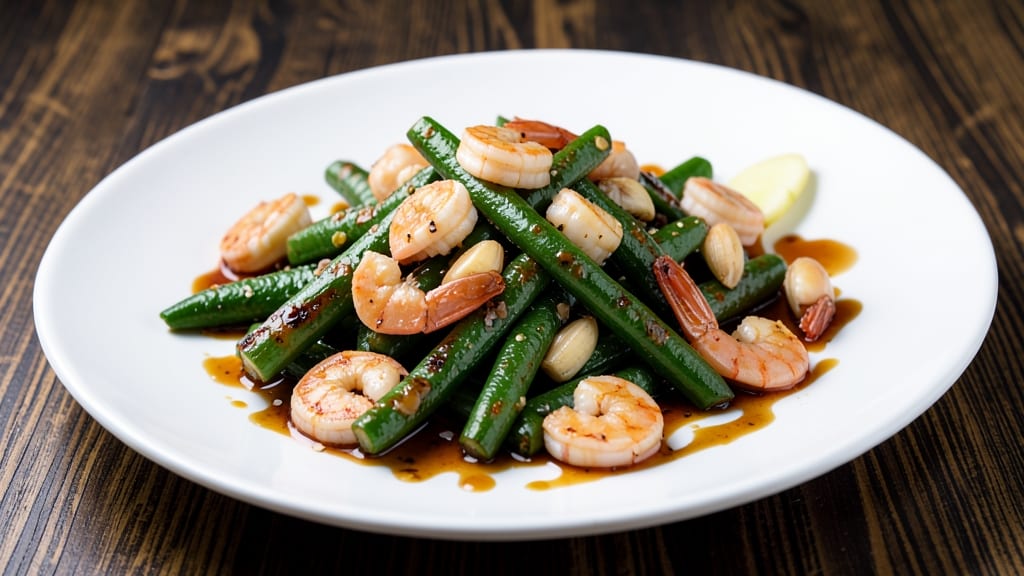
This Asian green bean recipe with oyster sauce delivers a perfect balance of crisp-tender texture and bold umami flavor in just 15 minutes.
I first discovered this technique while working in Asheville's farm-to-table scene, where wok-fried vegetables became a staple for their ability to transform simple ingredients into restaurant-quality dishes.
The secret lies in high-heat cooking that preserves the beans' natural crunch while allowing the oyster sauce to caramelize into a glossy, savory coating.
The recipe starts with blanching the green beans to maintain their vibrant color and crisp structure, then finishes with a quick stir-fry in a hot wok or skillet. Oyster sauce provides that signature depth—salty, slightly sweet, and rich—while garlic and ginger add aromatic complexity.
For extra protein, shrimp or scallops can be added during the final stir-fry, turning this into a complete meal. The dish pairs beautifully with steamed rice or noodles to soak up every last bit of that flavorful sauce.
What makes this recipe particularly adaptable is its versatility—it works equally well as a side dish or light main course. The combination of fresh green beans, aromatic garlic, and umami-packed oyster sauce creates a dish that's both comforting and sophisticated.
Whether you're cooking for a weeknight dinner or preparing for a gathering, this recipe delivers consistent results with minimal effort. The key is keeping the heat high and the stir-fry vigorous to prevent the beans from becoming mushy.
For those new to Asian cooking techniques, this recipe serves as an excellent introduction to wok-frying and sauce balancing. The ingredients are simple—green beans, oyster sauce, garlic, ginger, and a touch of sugar—but their combination creates a dish that's far from ordinary.
Once you try this version, you'll understand why it's a staple in many Asian home kitchens. Let's get started with this flavorful, texturally perfect dish.
Ingredients for asian green bean recipe oyster sauce
Elevate simple green beans with umami-rich oyster sauce and aromatic garlic-ginger for a restaurant-quality side dish.
| Ingredient | Amount | Notes |
|---|---|---|
| Fresh Green Beans 🍃 | 1 ½ lb | Trimmed, uniform size for even cooking |
| Oyster Sauce 🍜 | ¼ cup | High-quality, thick consistency preferred |
| Garlic Cloves 🧄 | 4 cloves | Minced, fresh for optimal aroma |
| Fresh Ginger 🌿 | 1 tbsp | Finely grated, aromatic quality |
| Shrimp 🦐 | ½ lb | Peeled, deveined, tail-on for presentation |
| Sesame Oil 🫒 | 1 tbsp | Toasted, for finishing aroma |
| Soy Sauce 🍶 | 1 tbsp | Light or dark, for depth of flavor |
| Granulated Sugar 🍯 | 1 tsp | Balances sauce sweetness |
| Vegetable Oil 🫒 | 2 tbsp | High smoke point for wok-frying |
| Cornstarch 🌾 | 1 tsp | For tenderizing shrimp |
| White Pepper 🌶️ | ¼ tsp | Freshly ground for subtle heat |
| Toasted Sesame Seeds 🌰 | 1 tsp | For garnish, nutty crunch |
| Green Onions 🧅 | 2 whole | Thinly sliced, for freshness |
The green beans are the foundation—farm-fresh with crisp stems and vibrant green color. Look for harvest-of-the-day at local markets or the pre-cut section at Whole Foods for convenience. Shrimp quality matters too; wild-caught from Trader Joe's or Costco ensures sweetness. The oyster sauce should be thick and glossy—Lee Kum Kee is the gold standard, but Kikkoman also delivers reliable results. For ginger, organic is ideal, but regular will work if it's fresh and firm. Pre-minced garlic from jars lacks the punch, so freshly minced is non-negotiable for authentic flavor.
No oyster sauce? Hoisin sauce plus a dash of soy sauce mimics the depth, though it won't be identical. Substitute shrimp with scallops or extra-firm tofu—both hold up well to high heat. The sesame oil can be omitted if you're sensitive to its flavor, but toasted sesame seeds are worth adding for texture. For a vegetarian version, skip the shrimp entirely and increase green beans to 2 lbs. The cornstarch is crucial for shrimp—toss it well to prevent curling. If you're short on time, pre-trimmed green beans from the grocery store work fine, though they lack the freshness of in-season produce.
Blanched green beans keep for 3 days in the fridge if stored in an airtight container with a paper towel to absorb moisture. Cooked shrimp should be used immediately or stored with the beans. The sauce mixture (oyster, soy, sugar) can be prepped 1 day ahead and stored in the fridge. For freezing, portion the finished dish in single-serving containers—it reheats beautifully but loses some crispness. Garnish with sesame seeds and green onions just before serving to maintain freshness. This dish pairs perfectly with jasmine rice, which absorbs the flavorful sauce beautifully.
Why You'll Love This Recipe
- One-Pan Magic: I swear by this recipe when I’m too tired to scrub pots—just toss the green beans, shrimp, and garlic in a hot pan, let the ginger sizzle for 30 seconds, then pour in that oyster sauce. The sauce thickens right there, coating everything in a glossy, umami-rich sheen without a single extra dish.
- Umami Bomb: Between us, oyster sauce is my secret weapon for making simple ingredients feel fancy. That salty-sweet depth? It turns bland green beans into something crisp-tender with a punch—like a little Asian restaurant flavor in your own kitchen. The shrimp adds a juicy contrast that makes every bite satisfying.
- Leftover Hero: This dish actually improves the next day. The flavors meld even better when reheated, and it’s perfect for packing lunches or freezing portions. I’ll make a big batch on Sundays, portion it out, and still have something delicious to grab all week—no sad desk lunches here.
- Budget Flexibility: Honestly, this recipe won’t break the bank. Shrimp is affordable in bulk, and the rest of the ingredients are pantry staples. Need to stretch it further? Swap shrimp for chicken or tofu—it still delivers that same rich, savory kick without costing a fortune. (Yes, even on a Tuesday night.)
Step-by-step instructions for wok-fried green beans with shrimp
Master this balance of crisp-tender green beans and succulent shrimp in a savory-sweet sauce.
Prep Ingredients for Optimal Texture
Trim the ends from the 1.5 lb fresh green beans, then cut them into 2-inch uniform pieces. This ensures even cooking and prevents some pieces from becoming overdone while others remain undercooked. Pat them completely dry with paper towels—any moisture will steam the beans instead of achieving that perfect wok-fried crunch.
In a small bowl, combine the 0.5 lb shrimp with the 1 tsp cornstarch and 0.25 tsp white pepper. Toss gently to coat evenly. This marinade tenderizes the shrimp and prevents them from curling during cooking. Let them sit for 5 minutes while you prepare the aromatics—just enough time for the cornstarch to begin working its magic.
Build the Aromatic Base
Heat a wok or large skillet over high heat until it's smoking hot. Add the 2 tbsp vegetable oil and swirl to coat the surface. Immediately add the 4 cloves minced garlic cloves and 1 tbsp finely grated fresh ginger, stirring constantly for 30 seconds until fragrant but not browned. This quick cook preserves their bright flavors without bitterness.
Watch the heat carefully—if the garlic starts to darken, you've gone too far. The moment you detect that irresistible aroma, it's time to add the shrimp. Spread them out in a single layer, cooking undisturbed for 1 minute until they develop a golden crust. Flip and cook another 30 seconds until just opaque. Remove shrimp to a plate and set aside.
Wok-Fry Green Beans to Crisp Perfection
In the same wok, add the prepared green beans in batches if needed to avoid crowding. Stir-fry over high heat for 3-4 minutes until bright green and just tender—you want them to hold their shape but yield slightly when pierced with a fork. The high heat is crucial here; it creates that signature wok-fried texture while keeping the beans vibrant.
Real talk: Don't walk away. Green beans cook faster than you think, and they go from perfect to mushy in seconds. When they're done, transfer them to a plate alongside the shrimp and cover loosely with a lid to keep warm.
Create the Signature Sauce
Return the wok to high heat and add the 1 tbsp soy sauce, 0.25 cup oyster sauce, and 1 tsp granulated sugar. Stir vigorously to scrape up any browned bits from the bottom of the pan—this is where all the flavor hides. Let the sauce simmer for 1-2 minutes until it thickens slightly and coats the back of a spoon.
Here's where the magic happens: Add the 1 tbsp sesame oil and toss everything together. The sesame oil adds that nutty aroma that elevates the dish from good to exceptional. Return the shrimp and green beans to the wok, tossing gently to coat them evenly in the sauce. Cook for another 30 seconds to meld all the flavors.
Finish and Serve with Professional Presentation
Garnish immediately with the 1 tsp toasted sesame seeds and 2 whole green onions, thinly sliced. The sesame seeds add texture contrast while the green onions bring freshness to cut through the richness. Serve family-style in the wok or divide among plates for individual portions.
This dish delivers that perfect balance of textures—crisp-tender green beans, succulent shrimp, and a glossy sauce that clings to every bite. The secret lies in the high heat and quick cooking times that preserve both color and texture while developing deep umami flavors through the oyster and soy sauces.
Pro Tips For Making Asian Green Bean Recipe Oyster Sauce
- STIR-FRY FAST, HIGH HEAT: Blistering hot wok or skillet is non-negotiable—get your oil smoking before adding shrimp and beans. I used to take it easy, and the shrimp turned rubbery while the beans stayed limp. Now I crank the heat to max, work fast, and stop when the shrimp just curls (about 1.5 minutes max).
- TRIM BEANS LIKE A PRO: Cut the ends clean but leave the beans whole—no snapping or chopping. My grandmother swore by this: "The crispness stays when you don’t bruise them." Use a sharp knife and angle it just right; you’ll get even cooking and better texture.
- GINGER: GRATE, DON’T CHOP: Skip the knife for ginger—use a microplane or the largest holes of a box grater. Chunky pieces burn before releasing flavor, and you’ll taste them instead of letting them dissolve. A teaspoon of finely grated ginger (about the size of a nickel) is enough—trust me, you don’t need more.
- SAVE THE OYSTER SAUCE: Add oyster sauce last—right when the shrimp is done and the beans are nearly tender. Dumping it in early turns your dish into a sticky glaze instead of a glossy, balanced sauce. A splash of water or stock thinned it out if it gets too thick, but I’ve never needed it.
Storing and reheating this recipe
Fridge Storage Tips
Store cooked green beans with shrimp in an airtight container for up to 3 days—I use glass Pyrex with snap-on lids to maintain freshness. Keep them in the coldest part of your fridge (usually the back) where temperatures stay consistently at 40°F or below.
The shrimp will stay safe and tender, though the beans may lose just a touch of their crispness over time. 🥬
To preserve texture, place a paper towel between layers to absorb excess moisture. If you're making extra, divide into single-serving portions—this makes reheating easier and prevents soggy bottoms. I always label containers with the date to track freshness, because nobody wants to eat mystery leftovers from last Tuesday.
Freezer Prep
For longer storage, freeze in single-serving portions using quart-sized freezer bags—they're more space-efficient than containers. Lay the green beans and shrimp in a single layer before sealing, leaving 1 inch of headspace for expansion.
Freeze flat to save space, then stack like books. This method keeps the dish tasting fresh for up to 3 months.
When you're ready to eat, thaw overnight in the fridge—never at room temperature—then reheat gently. The sauce might thicken slightly after freezing, so add 1-2 teaspoons of water when reheating to restore its glossy consistency. Trust me, the flavor comes back stronger than you'd expect. ❄️
Reheating Methods
My preferred method is stovetop reheating—it gives the best texture results. Add the frozen or refrigerated dish to a non-stick skillet over medium-low heat with 1 tablespoon of water or vegetable oil.
Cover and heat for 3-4 minutes, stirring occasionally, until everything reaches 165°F internal temperature. The high heat from the original cooking helps maintain that crisp-tender quality.
For microwave reheating, transfer to a microwave-safe dish and cover loosely with a damp paper towel to prevent drying. Heat on 70% power for 2-3 minutes, then stir and continue in 30-second intervals until hot.
The paper towel trick keeps the beans from becoming rubbery—it's a game-changer for busy weeknights. 🔥
Sauce Refresh
If the sauce looks thick or separated after reheating, simply add 1 teaspoon of water or chicken broth and stir over low heat for 30 seconds. The oyster sauce will re-emulsify beautifully, restoring that signature glossy finish.
For extra richness, drizzle with ½ teaspoon of toasted sesame oil before serving—it brings back that restaurant-quality aroma.
Pro tip: Garnish with fresh green onions and sesame seeds right before serving, even if you're reheating. These elements add brightness and crunch that reheating can't replicate. The contrast between the warm, saucy beans and the fresh garnishes makes every bite feel like a fresh start. ✨
Nutrition facts
Frequently asked questions
Can I make this recipe without shrimp?
Skip the shrimp and increase green beans to 2 lbs for a vegetarian version. For extra flavor, add 1 block (14 oz) extra-firm tofu, pressed and cubed, during the final stir-fry. The tofu absorbs the oyster sauce beautifully while adding protein. If you're feeling adventurous, try mushrooms or bell peppers for additional texture and color.
What's the best way to store leftover green beans?
Store in an airtight container with a paper towel to absorb moisture, keeping them fresh for 3 days. For longer storage, freeze in single-serving portions using freezer bags. When reheating, use medium-low heat with a splash of water to restore crispness. Garnish with fresh sesame seeds and green onions before serving to brighten flavors.
Why does my oyster sauce get too thick?
Oyster sauce thickens when cooked too long or over high heat. To fix it, add 1-2 teaspoons of water or chicken broth and stir over low heat for 30 seconds. For prevention, keep the sauce on medium heat during the final toss and add ½ teaspoon of sesame oil to help emulsify. The sugar in the recipe also contributes to thickening—reduce it to ½ teaspoon if needed.
Can I use frozen green beans instead of fresh?
Frozen green beans work in a pinch, but fresh is ideal for texture. If using frozen, thaw and pat completely dry before cooking. They'll release more moisture, so reduce cooking time to 2-3 minutes to prevent mushiness. For best results, use high-quality frozen beans (like Green Giant) and add them to the wok 1 minute after the shrimp to maintain crispness.
What's the secret to getting crispy green beans?
High heat and proper prep are key! First, pat beans completely dry before cooking. Use a hot wok or skillet and cook in single layers without overcrowding. Stir-fry for 3-4 minutes max—they're done when bright green and just tender. The cornstarch on shrimp helps draw moisture, making the beans even crispier. For extra crunch, add 1 teaspoon toasted sesame seeds at the end.