
Side Dishes
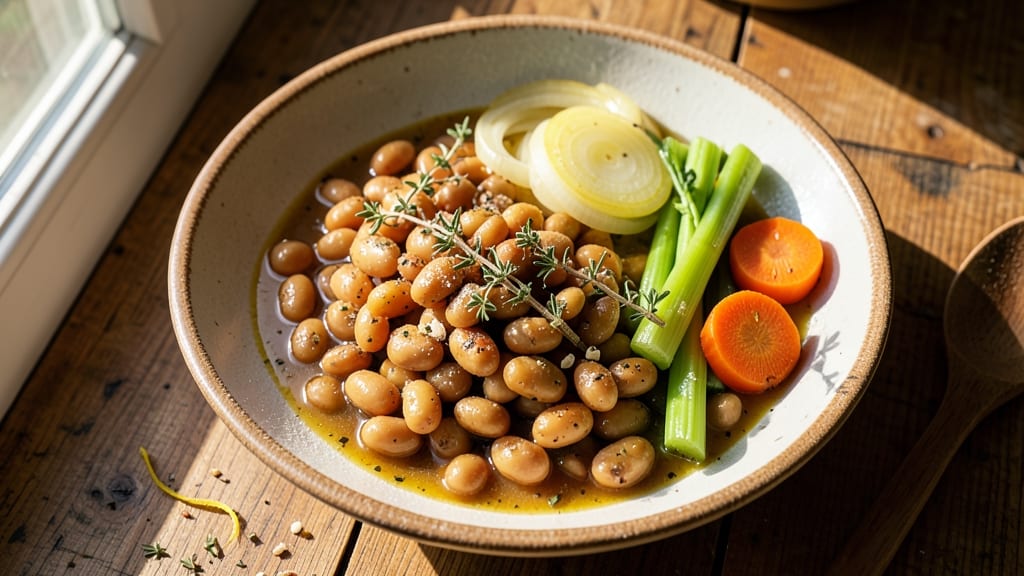
Alice Waters' white bean recipe transforms humble white beans into a luxurious side dish that celebrates seasonal ingredients and mindful cooking. This approach prioritizes slow simmering to develop deep, earthy flavors while keeping the preparation simple and accessible. The result is a dish that feels both rustic and refined—perfect for elevating any meal.
At the heart of this recipe is the technique of simmering beans gently with aromatic vegetables, herbs, and a touch of acidity—like lemon or vinegar—to brighten their natural richness. The key lies in patience: allowing the beans to soften gradually while absorbing the surrounding flavors.
This method ensures tender, flavorful beans without the need for shortcuts like canned varieties.
What makes this dish truly special is its versatility. Serve it as a standalone side alongside grilled meats or fish, or pair it with crusty bread to soak up every last drop of the fragrant broth.
The herbs—parsley, thyme, or rosemary—add freshness, while a splash of olive oil ties everything together. It’s a dish that honors simplicity while delivering restaurant-quality results.
The beauty of this recipe is in its adaptability. Use dried beans for a more authentic texture or canned beans for convenience, but always prioritize quality ingredients. The slow-simmered approach ensures a dish that’s both comforting and sophisticated—exactly the kind of meal Alice Waters would serve at her table.
Ingredients for alice waters bean
Seasonal vegetables and aromatic herbs elevate simple white beans into a refined side dish.
| Ingredient | Amount | Notes |
|---|---|---|
| Dried Cannellini Beans 🌾 | 1 ½ cups | Rinsed before soaking overnight |
| Yellow Onion 🧅 | 1 whole | Thinly sliced for even cooking |
| Celery Stalk 🥬 | 2 whole | Diced into small pieces |
| Carrot 🥕 | 2 whole | Cut into small cubes |
| Garlic Cloves 🧄 | 4 cloves | Minced for aromatic depth |
| Fresh Thyme Sprigs 🌿 | 4 whole | Leaves stripped from stems |
| Fresh Parsley 🌿 | ⅓ cup | Chopped for vibrant finish |
| Extra-Virgin Olive Oil 🫒 | ½ cup | High-quality, fruity variety |
| Vegetable Broth 💧 | 4 cups | Low-sodium preferred |
| Lemon Juice 🍋 | 2 tbsp | Freshly squeezed for brightness |
| Sea Salt 🧂 | 1 ½ tsp | Diamond Crystal preferred |
| Black Peppercorns 🌶️ | ½ tsp | Freshly cracked for texture |
The quality of your beans and broth sets the foundation. Dried Cannellini beans from Whole Foods Market or local farmers' markets deliver superior texture compared to canned varieties. If using dried, soak them overnight in plenty of water—discard the soaking liquid to prevent bitterness. For broth, Pacific Foods or Imagine brand vegetable broths provide rich flavor without excess sodium. The vegetables should be fresh, preferably organic, with vibrant colors indicating peak ripeness. Thyme and parsley add depth and brightness, so prioritize fresh sprigs over dried substitutes.
No dried beans? Canned Cannellini beans work in a pinch, but rinse them thoroughly to remove excess sodium. Swap yellow onion for shallots if available—they add a subtle sweetness. Celery and carrot can be omitted if unavailable, but the garlic and herbs remain essential for flavor. For acidity, lemon juice or white wine vinegar both work, though lemon provides a brighter finish. The olive oil should be extra-virgin, with a fruity aroma—California Olive Ranch or Corto brands excel in this application. If you lack fresh thyme, dried thyme at one-third the amount suffices, but fresh is ideal for its aromatic complexity.
Simmered beans keep well for 5-6 days in the refrigerator, though flavor peaks within the first 24 hours. For longer storage, freeze portions in airtight containers for up to 3 months. Reheat gently on the stovetop with a splash of water or broth to restore moisture. The dish pairs beautifully with grilled vegetables, roasted meats, or crusty bread—Breads like Brioche or Sourdough absorb the fragrant broth exceptionally well. For meal prep, double the recipe and portion into containers for easy reheating throughout the week.
Why You'll Love This Recipe
- No-Soaking Needed: I’ll admit, I used to dread the overnight soak—until I realized these dried cannellinis soften beautifully with just a quick overnight soak in cold water (or even a 4-hour speed soak). That’s it. No fancy tricks, just patience and a pot waiting to be filled.
- Garlic-Caramel Magic: The real star? That moment when the onions and carrots turn golden, then the garlic hits—oh man, the sweetness from the slow cook and the nutty beans? It’s like a hug in a bowl. (Yes, I’ve eaten it straight from the pot. Don’t judge.)
- Lunchbox Hero: Between us, this is my go-to for meal prep. Toss the cooled beans with olive oil and salt, and they’re perfect in wraps, over greens, or straight from the jar. My kid’s school lunchbox has never been so exciting. (Or so full of protein.)
- Pantry Goldmine: I buy cannellinis in bulk—they’re cheaper than canned, last forever, and this recipe stretches them far. Leftovers? Even better. Reheat with a splash of broth, and it tastes like you just made it. Budget win, flavor win.
Step-by-step instructions for Alice Waters' white bean stew
This recipe captures the essence of Alice Waters' approach—simple ingredients transformed through slow cooking and fresh herbs.
Prepare the Beans for Maximum Tenderness
Rinse the 1.5 cups dried cannellini beans thoroughly under cold water to remove any debris. Soak them overnight in plenty of cold water—this step is non-negotiable for achieving that signature Alice Waters texture. I use a large bowl and cover them with at least 4 inches of water to prevent them from absorbing too much water prematurely.
After soaking, drain and rinse the beans again. The goal is to create a velvety, almost creamy consistency that holds together beautifully. Don't skip the rinsing after soaking—it removes any residual starch that could make the final dish gummy. This preparation ensures the beans break down just enough to release their natural sweetness while maintaining structure.
Build the Aromatic Base with Vegetables and Herbs
Heat the 0.5 cup extra-virgin olive oil in a large Dutch oven over medium-low heat. Add the thinly sliced yellow onion, diced celery, and cubed carrot, stirring occasionally for 8-10 minutes until they soften and begin to caramelize slightly. This slow cooking develops their natural sweetness, which is essential for balancing the earthy beans.
Add the minced garlic cloves and cook for an additional 1-2 minutes until fragrant but not browned. Stir in the stripped thyme leaves from the 4 whole fresh thyme sprigs—this herb adds that signature Alice Waters herbal depth. The key here is patience; rushing this step will result in bitter flavors rather than the bright, fresh notes we're after.
Simmer the Beans Until Perfectly Tender
Add the drained beans, 4 cups vegetable broth, 1.5 tsp sea salt, and 0.5 tsp freshly cracked black peppercorns to the Dutch oven. Bring to a gentle simmer over medium heat, then reduce to the lowest possible heat that maintains a barely perceptible bubble at the surface. Cover partially and cook for 1 hour to 1 hour 15 minutes, stirring occasionally, until the beans are fork-tender but not mushy.
This slow cooking is where the magic happens—the beans absorb the flavors while developing that signature Alice Waters texture. The broth should reduce slightly but still coat the back of a spoon. If it reduces too much, add 1 cup hot water to maintain the proper consistency. The beans are ready when they yield slightly to pressure but still hold their shape.
Finish with Brightness and Fresh Herbs
Remove the stew from heat and stir in the 2 tbsp freshly squeezed lemon juice and 0.33 cup chopped fresh parsley. The acidity of the lemon brightens the dish, cutting through the richness of the beans and herbs. The parsley adds a final layer of freshness that Alice Waters always emphasizes in her recipes.
Taste and adjust seasoning—you might need a touch more salt or lemon to balance the flavors perfectly. Let the stew sit off the heat for 5-10 minutes before serving. This resting period allows the flavors to meld completely, resulting in a harmonious blend of earthy beans, aromatic vegetables, and bright herbs that captures the essence of Alice Waters' approach to simple, seasonal cooking.
Pro Tips For Making Alice Waters Bean
- SOAK BEANS TWICE: I learned this the hard way—skipping the second soak leaves your Cannellini beans tough. First soak overnight, then drain and rinse. Pop them back in fresh water, bring to a gentle simmer, and cook until tender (about 45-60 minutes). The double rinse cuts down on cooking time and makes them creamier.
- CHAR THE VEGETABLES: Don’t just chop—sear the onion, celery, and carrot until they’re deeply browned. High heat for 8-10 minutes caramelizes their sugars, giving the beans that deep, savory base Alice Waters swears by. (Yes, even if it looks messy.)
- SKIP THE GARLIC MUSH: Minced garlic burns fast. Instead, smash 3-4 cloves with the flat side of your knife, then let them sit in the pot for 30 seconds before stirring. This releases flavor without turning bitter—no need to watch like a hawk.
- SALT THE BEANS LATE: Adding salt early toughens the beans. Wait until the last 15 minutes of cooking, then season generously. If you’re using a big pot, aim for 1.5 teaspoons of salt—more than you’d think, but trust me, it balances the dish.
Storing and reheating your leftovers
Refrigerator Storage
Let your white bean stew cool to room temperature before transferring to airtight containers—I prefer glass Pyrex with snap-on lids for easy reheating. Store in the fridge at 40°F or below for up to 5-6 days, though the flavors actually deepen within the first 24 hours.
The broth will thicken slightly as it rests, so add a splash of water when reheating if needed. 💪
Freezer-Friendly Tips
For longer storage, portion the stew into quart-sized freezer bags or airtight containers, leaving 1 inch of headspace for expansion. Freeze for up to 3 months—the slow-simmered texture holds up beautifully when thawed properly.
I like to freeze in single-serving portions for easy grab-and-go meals during busy weeks. Label with the date to track freshness.
Stovetop Reheating
My preferred method is reheating on the stovetop to preserve the dish's velvety texture. Transfer the stew to a pot and warm over medium-low heat, stirring occasionally. Add 2-3 tablespoons of water or vegetable broth if the stew looks too thick.
The goal is to reach 165°F internal temperature—this ensures any bacteria are safely eliminated while keeping the beans tender. 🔥
Microwave Shortcuts
For quick reheating, use the microwave on 50% power to avoid overcooking. Cover with a damp paper towel and heat in 1-minute intervals, stirring between each interval.
This gentle approach prevents the beans from becoming mushy. If the stew seems dry, add a splash of warm water or broth to restore moisture before serving.
Reviving Day-Old Beans
If your beans have lost some of their brightness after storage, revive them by adding 1 tablespoon of lemon juice and a pinch of salt while reheating. The acidity cuts through any stale flavors, bringing back that fresh, Alice Waters-inspired vibrancy.
A sprinkle of fresh parsley at the end also makes a world of difference. ✨
Serving Suggestions
Serve the reheated stew alongside crusty sourdough bread or over warm polenta to soak up every last drop of the fragrant broth. For a complete meal, pair with a simple arugula salad with lemon vinaigrette—this combination balances the hearty beans with fresh, peppery greens.
The dish also works beautifully as a light lunch with a side of grilled vegetables.
Nutrition facts
Frequently asked questions about Alice Waters' white bean stew
Can I substitute canned beans for dried in this recipe?
Yes, but with adjustments! Use 2 (15-ounce) cans of cannellini beans, drained and rinsed thoroughly to remove excess sodium. For best texture, simmer them uncovered for 10 minutes to thicken the broth slightly. The flavor will be slightly less developed than dried beans, but still delicious.
What makes this recipe different from other white bean dishes?
Alice Waters' approach focuses on three key elements: slow simmering for depth, fresh herbs for brightness, and minimal seasoning to let the beans shine. The lemon juice finish and fresh parsley create that signature freshness, while the low-and-slow cooking develops rich, earthy flavors without overpowering the natural bean taste.
Can I make this recipe in a slow cooker?
Sauté the onions, celery, carrot, and garlic first, then transfer everything to your slow cooker. Add all remaining ingredients and cook on LOW for 6-7 hours or HIGH for 3-4 hours. The texture will be slightly creamier, but still tender. Add lemon juice and parsley at the end for brightness.
Why does my bean stew turn out mushy?
Mushy beans usually result from overcooking or insufficient soaking time. For dried beans, ensure they're soaked 8+ hours (overnight is best) and simmer gently—they should be tender but still hold their shape. If using canned beans, simmer uncovered for 10-15 minutes to thicken the broth. Never boil vigorously!
What's the best way to use up leftover bean broth?
Strain and reserve the broth for future soups, stews, or sauces—it's packed with flavor! Use it as a base for risotto, or reduce it by half to make a rich pan sauce for grilled meats. Freeze in ice cube trays for easy portioning. The herbs and lemon juice add complexity that elevates other dishes.