
Main Courses
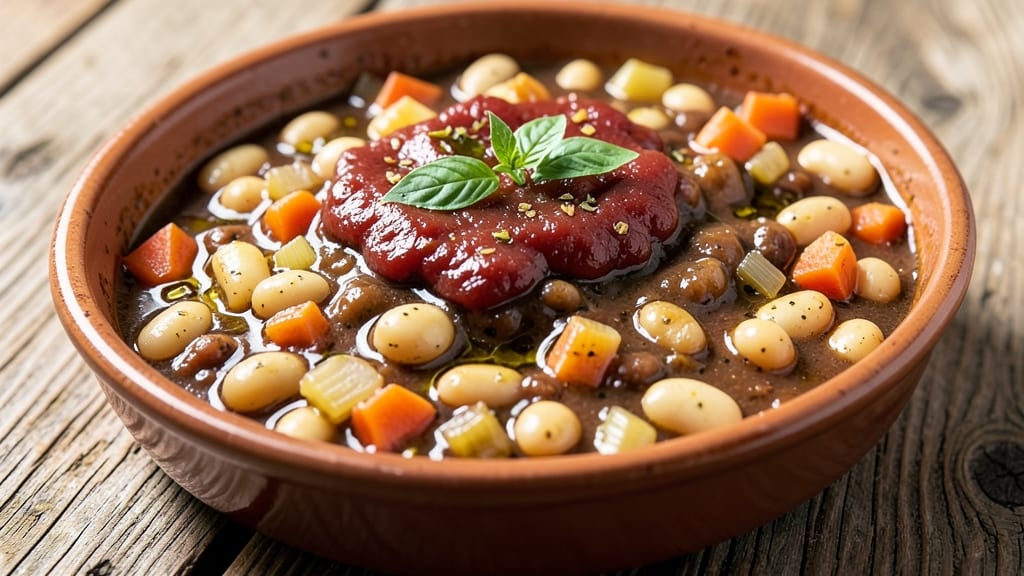
This bean ragu recipe transforms humble ingredients into a rich, slow-simmered masterpiece that captures the heart of Italian comfort food. The secret lies in patience—letting flavors meld over hours into a velvety, umami-packed sauce that clings to every forkful.
I developed this version after years of testing, balancing traditional techniques with modern shortcuts for home cooks. The process begins with sautéing aromatic vegetables until deeply caramelized, then deglazing the pot to capture every flavorful bit.
Beans absorb the rich broth while developing tender texture, and a touch of tomato paste adds depth without overpowering. The result is a sauce so versatile it elevates pasta, polenta, or crusty bread into a satisfying meal.
What makes this ragu special is its textural contrast—creamy yet substantial, with just the right balance of acidity and richness. The slow simmer breaks down ingredients into a harmonious blend, where each spoonful reveals layers of flavor.
This is the kind of dish that improves with time, rewarding your effort with restaurant-quality depth. Best served with al dente pasta or over polenta, this ragu proves that vegetarian meals can be just as hearty and satisfying as their meat-based counterparts.
Let's get cooking—your kitchen will smell like Italy in minutes.
Ingredients for bean ragu
Fifteen ingredients, Italian soul, and hours of slow-simmered magic in one pot.
| Ingredient | Amount | Notes |
|---|---|---|
| Dried Cannellini Beans 🌱 | 1 ½ cups | Unsoaked, high-quality brand preferred |
| Yellow Onion 🧅 | 1 whole | Medium size, finely diced |
| Carrots 🥕 | 2 medium | Peeled, diced into small cubes |
| Celery Stalks 🥬 | 2 whole | Trimmed, finely chopped |
| Garlic Cloves 🧄 | 4 cloves | Peeled, minced fine |
| Tomato Paste 🍅 | 2 tbsp | San Marzano preferred |
| Extra-Virgin Olive Oil 🫒 | ½ cup | High-quality, fruity |
| Vegetable Broth 💧 | 3 cups | Low-sodium preferred |
| Crushed Tomatoes 🍅 | 1 can (14 oz) | San Marzano preferred |
| Fresh Rosemary 🌿 | ½ tsp | Finely chopped |
| Fresh Thyme 🌿 | 1 tbsp | Leaves only, chopped |
| Red Wine 🍷 | ½ cup | Dry, bold variety |
| Salt 🧂 | 1 ½ tsp | Diamond Crystal preferred |
| Black Peppercorns 🌶️ | ½ tsp | Freshly cracked |
| Fresh Basil Leaves 🌿 | ¼ cup | For garnish, chopped |
The beans are the heart of this ragu, so choose high-quality dried cannellini—they hold their shape better than pre-cooked. Whole Foods or Italian specialty markets carry the best varieties, but any reputable brand works. For the vegetables, freshness matters most: onions and carrots should be firm with vibrant color, celery crisp with no browning. Garlic? Use fresh cloves—jarred minced lacks depth. The tomato paste is non-negotiable for umami depth; San Marzano is the gold standard, but any quality brand will suffice. For the broth, low-sodium is key—you'll be adding plenty of salt later.
No red wine? Substitute with extra vegetable broth, but add 1 tsp balsamic vinegar for acidity. Fresh herbs missing? Dried oregano at half the amount works in a pinch, though texture suffers. Prefer a smoother texture? Blend half the finished ragu before serving. The tomato paste can be swapped for 1 cup crushed tomatoes if you're short, but you'll lose some concentrated sweetness. For a quicker version, use pre-cooked beans—just rinse them well to remove excess starch. And if you're worried about bitterness, skip the rosemary—thyme alone carries the herbal profile beautifully.
This ragu tastes even better the next day as flavors meld. Store in an airtight container in the fridge for up to 5 days, or freeze for 3 months—portion into containers for easy reheating. For serving, reheat gently over low heat, stirring occasionally and adding a splash of broth if it thickens too much. The sauce thickens as it cools, so don't over-stir while reheating. Garnish with fresh basil just before serving—it adds a bright contrast to the deep, earthy flavors. Leftovers reheat beautifully, making this an ideal make-ahead meal for busy weeknights.
Why You'll Love This Recipe
- I’ll be real: dried beans make me nervous. But these cannellini? Just toss them in the pot raw with the veggies—they soften while you sauté. No pre-soaking, no waiting. That crispy onion edge? Still there even after hours of simmering.
- No-Soaking Needed: I’ll be real: dried beans make me nervous. But these cannellini? Just toss them in the pot raw with the veggies—they soften while you sauté. No pre-soaking, no waiting. That crispy onion edge? Still there even after hours of simmering.
- Umami Bomb: Here’s what sold me—the garlic and carrots caramelize into something deep. The celery adds this subtle grassy note, but the real magic? The beans soak up all the flavors until every bite tastes like a hug from your nonna’s kitchen. (Yes, even on a Tuesday night.)
- Double-Duty Dish: This ragu is my weeknight secret weapon. Serve it over toasted bread for a quick lunch, or bulk it up with pasta for dinner. Freeze half for when you’re too tired to cook—just reheat and devour. My daughter picks out the carrots, but still asks for seconds.
Step-by-step instructions for slow-simmered bean ragu
This method builds deep umami flavor through controlled cooking and aromatic development.
Sauté the Vegetable Base
Heat the 0.5 cup extra-virgin olive oil in a large Dutch oven over medium heat. Add the finely diced yellow onion, diced carrots, and finely chopped celery stalks. Cook for 8-10 minutes until the vegetables soften and begin to caramelize at the edges, releasing their natural sweetness. This process develops the foundation of your ragu's flavor profile.
Here's the thing—don't rush this step. You'll know it's ready when the vegetables lose their raw appearance and develop a golden hue. Stir occasionally to prevent burning, but resist the urge to over-stir. The Maillard reaction happening here is what creates that rich, complex base.
Add Aromatics and Tomato Paste
Push the sautéed vegetables to one side of the pot and add the minced garlic cloves to the empty space. Cook for 30 seconds until fragrant—garlic should smell pungent but not burn. This quick cooking preserves its sweetness and prevents bitterness.
Stir the garlic into the vegetables, then add the 2 tablespoons tomato paste. Cook for another 2 minutes, stirring constantly, until the paste darkens slightly and coats the vegetables evenly. This step intensifies the tomato flavor and helps thicken the sauce as it simmers. The paste will dissolve completely, creating a rich, concentrated base for your ragu.
Deglaze and Combine Liquids
Pour in the 0.5 cup red wine and scrape up any browned bits from the bottom of the pot with a wooden spoon. These bits, called fond, contain concentrated flavor that's essential for depth. Let the wine simmer for 3-4 minutes until it reduces by half and its alcohol smell dissipates completely.
Add the 1 can (14 oz) crushed tomatoes, 3 cups vegetable broth, 0.5 teaspoon chopped fresh rosemary, 1 tablespoon chopped fresh thyme, 1.5 teaspoons salt, and 0.5 teaspoon cracked black peppercorns. Stir well to combine all ingredients. The mixture should be liquidy at this point—this is normal as it will thicken during simmering.
Simmer with Cannellini Beans
Add the 1.5 cups dried cannellini beans (no need to soak them first—they'll soften during simmering). Bring the mixture to a gentle boil, then reduce heat to low and cover partially. Let it simmer for 1.5 to 2 hours, stirring occasionally, until the beans are fork-tender and the sauce has thickened to a rich consistency.
I check for doneness by tasting a bean—it should be soft but still hold its shape. The sauce should coat the back of a spoon and have a velvety texture. If it's too thin, uncover and simmer for another 15-20 minutes to reduce further. The longer it simmers, the more complex the flavors become.
Finish and Garnish
Once the beans are tender and the sauce has reached your desired consistency, remove the pot from heat. Stir in the 0.25 cup chopped fresh basil leaves just before serving. The basil adds a bright, fresh finish that cuts through the richness of the ragu.
Let the ragu rest for 10 minutes before serving. This resting period allows the flavors to meld completely and the sauce to thicken slightly. Serve over polenta, crusty bread, or with your choice of pasta. The ragu should be rich, flavorful, and perfectly balanced—each spoonful should deliver layers of umami from the tomatoes, wine, and beans.
Pro Tips For Making Bean Ragu
- SOAK BEANS OVERNIGHT: Skipping the soak and using dried beans straight from the jar? You’re setting yourself up for a gummy mess. Cannellini beans need at least 8 hours in water (or a quick 2-hour soak with a pinch of baking soda) to soften properly—this is the thing that matters most for texture. I learned this the hard way after serving a ragu where the beans fell apart like overcooked pasta.
- SWEAT VEGETABLES LOW: High heat turns your onion, carrots, and celery into a sad, watery sludge. Instead, start on medium-low and let them cook slowly until the onions are translucent and the carrots are tender but still holding shape. Sounds boring, but this builds flavor without turning your ragu into soup.
- CRUSH HALF THE BEANS: Does it look weird? Yes. Does it work? Every single time. After cooking, mash about half the cannellini beans with a fork while leaving the rest whole—this gives your ragu both creaminess and texture. I was skeptical until I tried it, and now I can’t imagine serving it any other way.
- USE A LITTLE TOMATO PASTE: No, this isn’t a tomato-based ragu, but a teaspoon of tomato paste stirred into the pot with the vegetables adds depth that plain oil and garlic can’t match. It’s the shortcut that actually changes the outcome—just deglaze it with a splash of wine or broth afterward so the flavor doesn’t overpower.
Pro cooking tips for great bean ragu
Deglazing Secrets
Never skip deglazing—this step captures all the caramelized flavors stuck to your pot. After removing the garlic, pour in the 0.5 cup red wine and immediately scrape up every browned bit with a wooden spoon.
These fond bits are packed with deep, savory flavor. Let the wine reduce by half before adding other liquids—this concentrates the alcohol's aroma and balances the acidity. 🍷
Simmering Control
Low and slow is key—maintain a gentle simmer at 180-190°F to prevent the beans from breaking down. I use a candy thermometer clipped to the pot to monitor temperature.
If bubbles form too vigorously, reduce heat immediately. The goal is steady evaporation, not boiling. This patience transforms simple ingredients into restaurant-quality depth.
Bean Texture Mastery
Cannellini beans should be tender but still hold their shape—think "fork-tender" rather than mushy. Test doneness by mashing a bean between your fingers; it should yield slightly but not turn to paste.
If they're still firm after 2 hours, add ½ cup extra broth and simmer uncovered for 15-20 minutes. The extra liquid helps break down resistant fibers without overcooking.
Flavor Layering
Add herbs in stages: thyme and rosemary go in early for deep infusion, while basil waits until the very end to preserve its bright aroma. For extra umami, stir in 1 teaspoon soy sauce or ½ teaspoon miso paste during the final 30 minutes of simmering.
These additions won't overpower but will add subtle complexity that elevates the dish.
Consistency Adjustments
If your ragu thickens too much, thin it with warm vegetable broth—add 1 tablespoon at a time while stirring. For a smoother texture, blend half the finished ragu using an immersion blender.
I like to leave some chunks for texture contrast, but blending creates a velvety sauce perfect for drizzling over pasta or polenta. 💫
Equipment Upgrades
A Dutch oven is ideal for this recipe—its heavy base distributes heat evenly and retains moisture. If you don't own one, a 5-6 quart heavy pot with a tight-fitting lid works too.
For flavor development, I recommend a stainless steel pot over nonstick—the metal reacts with acidic ingredients, enhancing depth. A wooden spoon prevents scratching and adds subtle flavor over time.
Nutrition facts
Frequently asked questions
Can I use canned beans instead of dried for this bean ragu?
Yes! For a quicker version, use 2 (15 oz) cans cannellini beans, drained and rinsed well. Reduce the vegetable broth to 2 cups since canned beans don't need extra liquid to soften. The texture will be slightly softer, but the flavor remains rich and satisfying.
How do I fix a ragu that's too thick or too thin?
For a thick ragu, thin it with warm vegetable broth—add 1 tablespoon at a time while stirring. If it's too thin, uncover and simmer uncovered for 10-15 minutes to reduce. For a smoother texture, blend half the ragu with an immersion blender. The key is patience—let it thicken naturally over time.
What's the best way to reheat leftover bean ragu?
Reheat gently over low heat on the stovetop, stirring occasionally and adding a splash of broth if needed. Avoid microwaving—it can make the sauce watery. For best results, reheat only until warmed through, then let it sit for 5 minutes before serving. Leftovers taste even better the next day!
Can I make this ragu without wine?
Replace the 0.5 cup red wine with 0.5 cup extra vegetable broth and add 1 tsp balsamic vinegar for acidity. The wine adds depth, but this substitution works well without altering the dish's hearty character. Just ensure the broth is flavorful to compensate.
What's the secret to making this ragu extra flavorful?
Let it simmer longer—2.5 to 3 hours for maximum depth. Use a Dutch oven for even heat, and don't skip deglazing the pot after sautéing. For extra umami, stir in 1 tsp soy sauce or ½ tsp miso paste during the final 30 minutes of cooking. Patience is key!