
Side Dishes
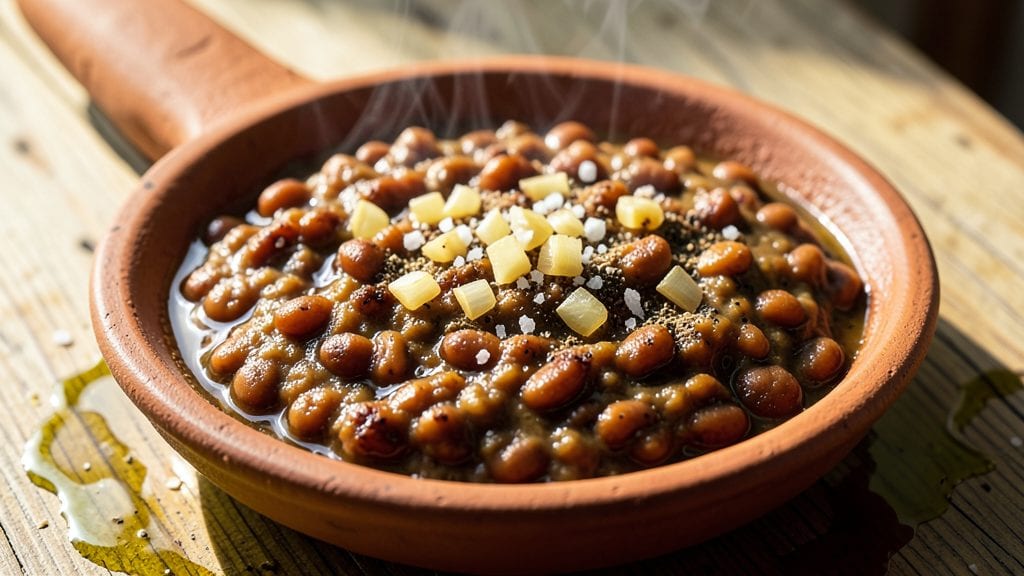
This traditional Mexican refried beans recipe delivers the smoky, creamy richness that defines authentic Mexican cuisine—where every bite carries the soul of street-side markets and home kitchens.
The process begins with soaking and simmering pinto beans until tender, then mashing them into a velvety texture using lard or vegetable oil, a technique that creates that signature smooth consistency.
What sets these apart is the slow cooking in broth, which infuses deep flavor without relying on excess fat, while crispy tortilla strips add a satisfying crunch when fried in the final step.
The key to authentic flavor lies in the seasoning: cumin, garlic, and a touch of salt transform simple beans into a dish that elevates tacos, burritos, or even breakfast plates. Unlike commercial versions, this recipe builds flavor gradually, ensuring each spoonful is rich yet balanced.
The result is a dish that’s both comforting and versatile—perfect for serving as a side or the star of a vegetarian meal. For an extra layer of texture, top with crumbled queso fresco or a drizzle of salsa verde, though purists will appreciate the beans on their own.
What makes this recipe truly traditional is the method: no food processors, no shortcuts—just hand-mashing and slow simmering to develop that unmistakable taste. The beans should be smooth but not gluey, with just enough body to hold their shape when served.
This is the kind of dish that improves with leftovers, as flavors deepen over time. Whether you're preparing for a family gathering or a quiet weeknight dinner, these beans bring authenticity to every bite.
For those new to Mexican cooking, this recipe bridges tradition and approachability—no advanced techniques required, just patience and attention to detail. The process may take time, but the reward is a dish that tastes like home.
Serve warm with warm tortillas, and you’ll understand why refried beans are a cornerstone of Mexican meals. Let’s get started on creating this classic staple.
Ingredients for traditional mexican refried beans
Authentic Mexican refried beans require just a few key ingredients for rich, smoky flavor.
| Ingredient | Amount | Notes |
|---|---|---|
| Pinto Beans 🌶️ | 2 ½ lb | Dry, low-sodium preferred |
| Vegetable Broth 💧 | 4 cups | Low-sodium for control |
| Onion 🧅 | 1 whole | Yellow or white, diced |
| Garlic Cloves 🧄 | 6 cloves | Fresh, minced |
| Ground Cumin 🌿 | 2 tbsp | Toasted for depth |
| Salt 🧂 | 1 ½ tsp | Kosher or sea salt |
| Vegetable Oil 🫒 | ¼ cup | For frying tortillas |
| Flour Tortillas 🌯 | 8 whole | Medium-sized, cut into strips |
| Lard (or Vegetable Oil) 🥓 | ¼ cup | Traditional lard for richness |
| Queso Fresco 🧀 | ½ cup | Crumbled for garnish |
| Salsa Verde 🍅 | ¼ cup | For drizzling, optional |
The beans are the star—pinto beans deliver the classic texture and earthy flavor. Opt for dry, low-sodium varieties from bulk bins at Whole Foods or MexGrocer for the best quality. Soaking overnight is non-negotiable; it ensures tender, creamy results. For the broth, homemade vegetable stock elevates the dish, but low-sodium store-bought works in a pinch. The garlic and onion should be freshly minced rather than pre-packaged for vibrant flavor. Toasting the cumin in a dry pan for 30 seconds before adding it to the beans unlocks its full aromatic potential.
No lard? Vegetable oil achieves the same richness—just use a bit more to compensate for the lack of fat. Substituting dried onion or garlic powder at half the amount of fresh works, though it lacks depth. Tortillas should be medium-sized, corn or flour—smaller ones won’t fry properly. For the salsa verde, homemade is ideal, but jarred varieties like La Costeña add convenience without sacrificing too much flavor. If queso fresco isn’t available, feta cheese crumbled offers a similar tangy contrast.
Refried beans keep beautifully for 5-6 days in an airtight container in the fridge, where the flavors deepen. For freezer storage, portion into 1-cup containers before freezing—this prevents freezer burn and makes reheating effortless. To revive frozen beans, thaw overnight in the fridge, then gently reheat on the stovetop with a splash of broth. The tortilla strips crisp up best when fried just before serving, so hold off until the last minute. This dish tastes even better the next day, as the flavors meld further.
Why You'll Love This Recipe
- I’ll be real: these beans taste better the next day. The cumin and garlic infuse the pinto beans like a slow simmered stew, and that lard? It gives them richness that store-bought can’t touch. Leftovers? A total game-changer. Five days in the fridge, and they’re still packed with that smoky, creamy punch.
- Tortilla Crunch Magic: The crispy fried strips of tortilla mixed right into the beans? That’s the secret. You’re not just mashing pinto beans—you’re building texture layers, and that golden crunch? Chef’s kiss. It’s the difference between bland and ridiculously good.
- One-Pot Weeknight Win: Honestly, I used to skip refried beans because I thought they were fussy. But this? Soak the beans overnight, simmer them down, mash, and fry—it’s just that simple. No fancy gadgets, no stress. My dinner’s on the table while my coffee’s still warm.
- Flavors Deepen Over Time: I’ll be real: these beans taste better the next day. The cumin and garlic infuse the pinto beans like a slow simmered stew, and that lard? It gives them richness that store-bought can’t touch. Leftovers? A total game-changer. Five days in the fridge, and they’re still packed with that smoky, creamy punch.
Step-by-step instructions for traditional Mexican refried beans
Here's the authentic method for creamy, smoky beans with that signature tortilla-fried texture.
Soak and Cook the Pinto Beans
Place the 2½ lb pinto beans in a large pot and cover with plenty of cold water—at least 2 inches above the beans. Soak overnight or for at least 8 hours. This step ensures even cooking and prevents tough beans.
Drain and rinse the soaked beans thoroughly. In the same pot, combine the beans with the 4 cups vegetable broth, 1 diced onion, and 6 minced garlic cloves. Bring to a boil over high heat, then reduce to a simmer and cook uncovered for 1 to 1½ hours until the beans are fork-tender and the liquid has mostly evaporated. Stir occasionally to prevent sticking.
Season and Mash the Cooked Beans
Once the beans are tender, drain any remaining liquid and return them to the pot. Stir in the 2 tbsp ground cumin and 1½ tsp salt. Using a potato masher or wooden spoon, mash the beans until smooth but slightly textured—you want a thick, spreadable consistency, not a puree.
This is where the traditional flavor develops. The cumin should be evenly distributed, and the beans should hold their shape just enough to create that signature creamy yet rustic texture. If the mixture looks too dry, add a splash of the cooking liquid to loosen it.
Fry the Tortillas for the Crust
Cut the 8 flour tortillas into ½-inch-wide strips. Heat the ¼ cup vegetable oil in a dry skillet over medium heat until shimmering. Working in batches, fry the tortilla strips for 2 to 3 minutes until golden brown and crisp. Remove with a slotted spoon and drain on paper towels. These will form the crispy crust for your refried beans.
Don't overcrowd the pan or the oil temperature will drop, resulting in greasy strips instead of crispy ones. The tortillas should be golden and slightly puffed when done.
Create the Smoky Tortilla-Fried Texture
In the same skillet, heat the ¼ cup lard (or vegetable oil) over medium heat until melted. Add the mashed beans and stir to coat evenly in the fat. Cook for 5 to 7 minutes, stirring frequently, until the beans develop a golden-brown crust in spots and take on a slightly crispy texture.
This is the key step that makes these beans truly traditional. The lard adds richness while the tortilla strips you prepared earlier can be sprinkled on top now for extra crunch. If the mixture seems too thick, add a few tablespoons of the cooking liquid to achieve a spreadable consistency.
Finish and Serve Traditionally
Remove the skillet from heat and stir in the ½ cup crumbled queso fresco. The cheese will melt slightly from the residual heat, adding a tangy brightness to the beans. For an optional garnish, drizzle with the ¼ cup salsa verde and sprinkle with additional tortilla strips for texture.
Serve immediately while warm, accompanied by warm tortillas or as a side for tacos. The beans should be creamy with a slightly crispy exterior, infused with smoky cumin flavor and the nutty richness of the tortillas. This traditional method delivers that authentic Mexican restaurant texture at home.
Pro Tips For Making Traditional Mexican Refried Beans
- Toast That Cumin: I used to skip this, but toasting the 2 tbsp ground cumin in a dry skillet for 30 seconds until fragrant makes a real difference—it adds depth that just stirring it in raw can’t match. Do it while you prep the tortilla strips; you’ll smell the difference the second it hits the beans.
- Fry in Batches: The tortilla strips will turn greasy if you dump them all in the pan at once. Work in small batches—no more than a handful at a time—and keep the oil shimmering hot. Crowd the pan, and you’ll end up with soggy, limp strips instead of the crispy crunch you want.
- Don’t Skip the Lard: Vegetable oil works, but lard is what gives traditional refried beans that unmistakable richness. If you’re using it, melt it slowly over low heat first—it burns easily, and you’ll taste the difference in the final texture. No lard? At least render it first to avoid splattering.
- Mash Just Enough: The beans should be smooth but still hold a little texture—like a thick, creamy paste, not a puree. If you over-mash, the beans lose their body and turn gluey. Use a potato masher and stop when they’re mostly broken down but still have a few small chunks. Trust me, the rustic texture is what makes them taste authentic.
Best sauces and condiments for this dish
Classic Drizzles and Garnishes
Start with salsa verde—the traditional choice that balances the beans' richness with its tangy, slightly spicy tomato-cilantro sauce. A ¼ cup drizzle over the top adds authentic Mexican flair.
For a smoky twist, try chipotle crema, made by blending ½ cup sour cream with 1-2 minced chipotle peppers in adobo and a squeeze of lime. This creamy, spicy garnish elevates the dish instantly. 🌶️
Cheese and Cream Variations
Queso fresco is the star, but experiment with cotija cheese for a saltier, crumbly texture. For extra creaminess, stir in ½ cup Mexican crema (similar to sour cream but lighter) during the final cooking step.
This adds richness without overpowering the beans. I love sprinkling crumbled queso anejo for a nutty, aged cheese contrast.
Spicy Kick Options
Add ½ tsp smoked paprika to the beans during the final frying stage for a subtle smokiness. For heat lovers, mix 1 tbsp adobo sauce from chipotle peppers into the mashed beans before cooking.
A sprinkle of toasted cumin seeds on top adds aromatic crunch. These small additions transform the dish without altering its core texture.
Fresh Herb Finishes
Fresh herbs brighten up the dish effortlessly. Tear ¼ cup chopped cilantro over the beans just before serving, or add 2 minced garlic cloves to the salsa verde for extra depth.
A handful of chopped jalapeños (seeds removed for mild heat) adds freshness. These garnishes cut through the richness while keeping the dish true to its rustic roots.
Sweet and Tangy Contrasts
For a sweet-tangy balance, drizzle 2 tbsp honey mixed with 1 tbsp lime juice over the beans. This creates a subtle contrast to the earthy beans.
Alternatively, mix 1 tbsp pineapple salsa with the salsa verde for a fruity twist. Both options work beautifully with the creamy texture while maintaining authenticity. 🍯
Nutrition facts
Frequently asked questions
Why do traditional refried beans need to be soaked overnight?
Soaking the 2½ lb pinto beans overnight ensures even cooking and prevents tough spots. This step breaks down the beans' skins, resulting in a creamy texture without overcooking. Skipping it risks dry, uneven beans that lack the authentic richness.
Can I use a food processor instead of mashing by hand?
While a food processor works, traditional refried beans should have a slightly textured consistency—not a puree. Hand-mashing with a potato masher creates that signature creamy yet rustic feel. Over-processing turns the beans into a smooth spread, losing their authentic character.
What’s the best way to reheat leftover refried beans?
Gently warm them on the stovetop with a splash of vegetable broth to restore moisture. Avoid microwaving directly—it can make the beans dry or rubbery. Stir occasionally to maintain that slightly crispy texture from the lard or oil.
How do I adjust the spice level if I don’t like heat?
Skip the optional salsa verde or reduce its amount to 1 tablespoon instead of ¼ cup. For extra mildness, omit the garlic cloves or use ½ tsp salt instead of 1½ tsp when seasoning. The cumin and lard provide depth without heat.