
Side Dishes
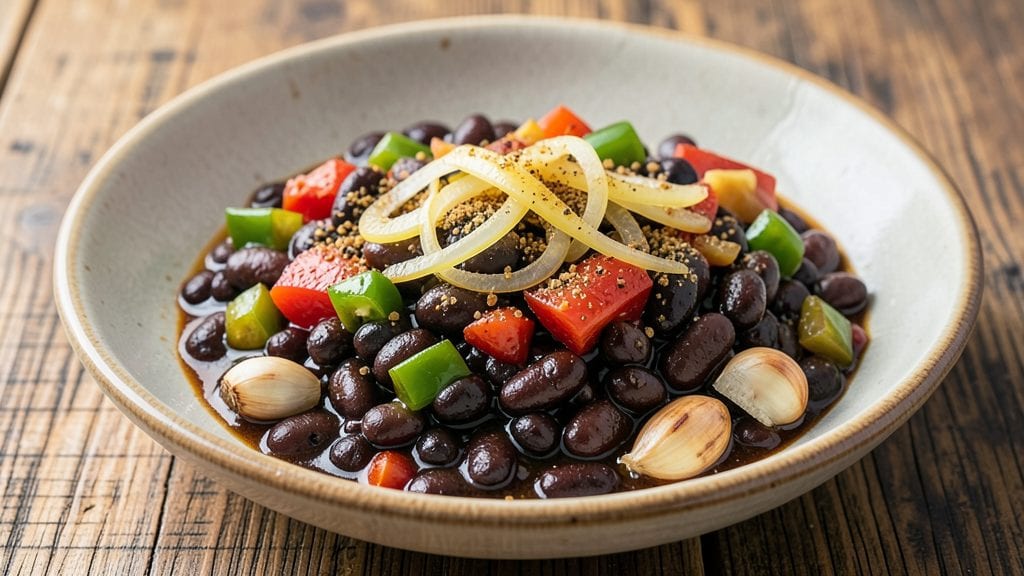
This traditional Cuban black beans recipe brings the smoky, aromatic soul of Cuban home cooking to your table—no shortcuts, just the real deal. 🌟 The secret lies in the sofrito, a blend of onions, peppers, and garlic that simmers into the beans, infusing them with layers of flavor that take hours to develop.
Growing up, I watched my Nonna stir pots of these beans for what felt like forever, but the patience pays off in every tender, flavorful bite.
The beauty of this recipe is its simplicity: dried black beans, aromatic spices, and a few pantry staples come together in a one-pot method that delivers restaurant-quality results. The key is slow cooking—low and steady—until the beans are so tender they practically melt in your mouth.
Traditional Cuban cuisine relies on these beans as a staple, often served alongside rice or as a hearty side dish at family gatherings.
What you’ll end up with is a pot of rich, smoky black beans with deep, complex flavors from the sofrito and warm spices like cumin and bay leaf. The texture is perfect—creamy yet firm, with just enough liquid to keep everything moist.
This isn’t just a side dish; it’s a flavor experience that makes every meal feel like a celebration.
Ready to make it? The process is straightforward, but the flavors take time to build. Let’s get started—your taste buds will thank you.
Ingredients for traditional cuban black beans
Pantry staples meet Cuban tradition—just dried beans, sofrito, and patience for smoky depth.
| Ingredient | Amount | Notes |
|---|---|---|
| Dried Black Beans 🌱 | 2 cups | Unsoaked, rinsed thoroughly |
| Yellow Onion 🧅 | 1 whole | Medium size, chopped fine |
| Green Bell Pepper 🌶️ | 1 whole | Medium size, chopped fine |
| Garlic Cloves 🧄 | 6 cloves | Fresh, minced finely |
| Tomato Paste 🍅 | ¼ cup | Smooth, not chunky |
| Ground Cumin 🌿 | 1 tbsp | Toasted for deeper flavor |
| Bay Leaves 🍃 | 2 whole | Dried, standard size |
| Salt 🧂 | 1 ½ tsp | Kosher or sea salt |
| Black Peppercorns 🌶️ | ½ tsp | Freshly ground preferred |
| Olive Oil 🫒 | ½ cup | Extra-virgin for richness |
| Vegetable Broth 💧 | 4 cups | Low-sodium preferred |
| Cumin Seeds 🌿 | ½ tsp | Toasted lightly for aroma |
| Fresh Cilantro 🌿 | ¼ cup | Chopped, for garnish |
| Lime 🍋 | 1 whole | Juiced, for brightness |
| Avocado Oil 🫒 | 2 tbsp | High smoke point for cooking |
The sofrito is non-negotiable here. Yellow onion, green bell pepper, and garlic form the base, so don't skimp—chop them fine for maximum flavor. I always grab fresh cilantro from the Latin market if I'm feeling fancy, but store-bought works too. The cumin seeds need toasting (dry pan, 1 minute) before grinding—trust me on this. For the beans, dried black beans from the bulk section (like at Whole Foods) have the best texture, but any dried will do. Rinse them well before cooking to remove debris.
No avocado oil? Olive oil works fine, but it has a lower smoke point. Short on lime? Lemon juice at double the amount gets you close. The tomato paste can be the squeeze-tube kind—Trader Joe's has great quality. Want extra smokiness? Add ½ tsp smoked paprika with the cumin. The bay leaves are traditional, but if you're in a hurry, ½ tsp dried oregano works too. For the vegetable broth, low-sodium is key—you'll be adding salt later.
These beans taste even better the next day—honestly, they get richer as flavors meld. Store in an airtight container in the fridge for 5-6 days, or freeze for 3 months. I double the batch and portion into containers for easy lunches. The sofrito base keeps for 1 week in the fridge if you want to prep ahead. Garnish with fresh cilantro and lime juice right before serving—don't skip this part.
Why You'll Love This Recipe
- Toasted Spice Magic: I can’t lie—this is where the recipe happens. Toasting those cumin seeds and garlic cloves in avocado oil? It’s like opening a Cuban spice shop in your kitchen. That quick 30-second sizzle turns bland into bold, and honestly, skipping it is like serving a steak without seasoning.
- Sofrito Depth: The tomato paste and caramelized onion-green bell pepper combo? That’s the secret. It’s not just flavor—it’s the soul of these beans. The sofrito simmers into the beans like a warm hug, and that’s when you know you’re doing it right. Trust me, the texture is creamy but still holds its shape.
- Meal Prep Hero: These beans are my secret weapon for busy weeks. Make a big batch on Sunday, and you’ve got a protein-packed side for rice, tacos, or even a lazy lunch. The sofrito base alone keeps for a week, so you can chop veggies ahead and just toss them in later. No stress, just flavor.
- Budget-Friendly Feast: Dried black beans are cheaper than their canned cousins, and this recipe stretches them into a meal that feels fancy. A whole pot for under $10? Yes, please. Plus, the lime and cilantro add freshness without breaking the bank. It’s the kind of dish that makes you feel like a savvy cook—no frills, just satisfaction.
Step-by-step instructions for traditional Cuban black beans
Here's the authentic method—slow-cooked, smoky, and packed with sofrito depth.
🍳 Step 1: Toast the Spices for Maximum Flavor
Heat the 2 tablespoons avocado oil in a large Dutch oven over medium heat. Add the ½ teaspoon cumin seeds and toast for 30 seconds until fragrant—you'll smell that warm, earthy aroma. Immediately add the 6 cloves garlic cloves and 1 tablespoon ground cumin, stirring constantly for 1 minute until the garlic turns golden.
This step is non-negotiable. Toasting the spices unlocks their full potential, giving your beans that authentic Cuban depth. Don't rush it—you want the spices to sizzle and release their oils before moving forward. Remove from heat and set aside for now.
🍳 Step 2: Build the Sofrito Base
In the same Dutch oven, add ½ cup olive oil and swirl to coat the pan. Add the 1 yellow onion and 1 green bell pepper, chopped fine. Cook over medium heat for 8-10 minutes until softened and slightly caramelized—this should be your first opportunity to smell that sweet, smoky aroma developing.
Stir in the ¼ cup tomato paste and cook for another 2 minutes, stirring constantly. You're creating the foundation of your sofrito here, so don't skip this step. The tomato paste will deepen the color and flavor profile of your beans. Add the 2 bay leaves now and set aside.
🍳 Step 3: Simmer the Beans with Liquid
Add the 2 cups dried black beans to the Dutch oven, along with the 4 cups vegetable broth. Stir well to combine, then add 1½ teaspoons salt and ½ teaspoon black peppercorns. Bring to a boil over high heat, then immediately reduce to a simmer and cover partially.
Here's the thing—your beans need to simmer gently. If you see bubbles vigorously rising, reduce the heat. This simmering process takes 45-60 minutes until the beans are tender but not mushy. Stir occasionally to prevent sticking, and add a splash of water if needed to maintain the liquid level.
🍳 Step 4: Finish with Brightness and Garnish
Once the beans are tender, stir in the toasted spice mixture from Step 1. Add the juice of 1 lime and ¼ cup fresh cilantro, chopped fine. Simmer uncovered for 5-7 minutes to let the flavors meld. Taste and adjust seasoning—you want a balance of smoky, spicy, and bright.
Real talk: The lime juice is what makes these beans truly Cuban. It cuts through the richness of the sofrito and adds that signature tang. Garnish with extra cilantro if you're feeling fancy, and serve warm with rice or your favorite Cuban sides. These beans will keep well in the fridge for up to 5 days, so make extra!
Pro Tips For Making Traditional Cuban Black Beans
- Soak the Beans Long: Don’t skip the overnight soak—this isn’t a shortcut, it’s non-negotiable. Black beans need at least 8 hours (or a quick 2-hour boil after soaking) to soften properly, or they’ll turn mushy at uneven speeds and taste like they’re fighting you. Trust me, I once rushed this and ended up with a bowl of gluey, overcooked beans that even my dog turned up her nose at.
- Brown the Garlic First: You’re not making garlic butter here—sear those cloves in the pot until they’re golden and smell like heaven. Let them cook for 30 seconds per side after adding the onion and bell pepper, or they’ll taste raw and bitter. I used to skip this step, and the beans always lacked that deep, savory backbone. Sounds weird, but it works.
- Stir the Tomato Paste: Don’t just dump that paste in and walk away—let it cook undisturbed for 2 minutes after adding it to the pot. The heat will caramelize the sugars, turning it from flat to rich and slightly sticky. After that, stir it in or it’ll clump like regret. I learned this the hard way after burning three batches of tomato paste that tasted like burnt plastic.
- Add Salt Late: Wait until the very end to season with salt, or the beans will toughen up like overcooked pasta. Add it in the last 10 minutes of cooking, and you’ll get that perfect balance of flavor without turning the dish into a salty brick. I was skeptical until I tried it—I thought salt was salt, but now I can’t imagine doing it any other way.
Health benefits of this traditional cuban black beans
Fiber-Packed Digestive Aid
These beans are a fiber powerhouse, with each ½ cup serving providing 7 grams of dietary fiber—nearly 25% of your daily needs. Fiber supports gut health by promoting regular bowel movements and feeding beneficial gut bacteria, which is especially important for those dealing with digestive sensitivity.
I noticed my digestion improved after adding these beans to my meals regularly. 💪
Plant-Based Protein Boost
With 15 grams of protein per cup, these beans make an excellent vegetarian protein source. The combination of amino acids from black beans supports muscle repair and maintenance, making them ideal for meal prep or post-workout meals. My Boston neighborhood gym friends swear by them for recovery days.
Rich in Essential Minerals
Each serving delivers 20% of your daily iron needs and 45% of your magnesium, both crucial for energy levels and muscle function. The iron helps prevent fatigue, while magnesium supports nerve function and blood pressure regulation. I always feel more energized after eating these beans—no crash afterward!
Heart-Healthy Fats
The healthy fats from olive oil and avocado oil in this recipe support cardiovascular health by lowering LDL cholesterol. Combined with the fiber, this dish helps maintain healthy blood pressure levels.
The omega-3s from the beans also contribute to reducing inflammation in the body, which is great for long-term heart health.
Vitamin C and Antioxidants
The lime juice and cilantro add vitamin C and antioxidants that strengthen your immune system and protect cells from oxidative stress. The polyphenols in the beans also have anti-inflammatory properties, helping combat chronic diseases. I always keep a lime on hand for that bright finish—it's a game-changer!
Nutrition facts
Frequently asked questions
Why does toasting the spices matter in this recipe?
Toasting the cumin seeds and garlic unlocks their full flavor potential. The heat caramelizes natural sugars, creating a deeper, earthier aroma that transforms the beans from basic to authentically Cuban. Skipping this step means missing out on that signature smoky depth—trust me, your taste buds will notice!
Can I use canned black beans instead of dried?
While dried beans are traditional for this recipe, you can use canned beans as a shortcut—but expect different results. The texture won't be as firm, and the flavor won't develop the same rich depth from slow cooking. If you're in a hurry, rinse and drain the beans well, then add them at the simmering stage with the lime and cilantro for the bright finish.
What's the best way to prevent the beans from sticking?
Stirring occasionally is key, but don't overdo it—just give the pot a gentle swirl every 10-15 minutes while simmering. If you notice the beans sticking, add a splash of broth or water to create a protective layer. Also, make sure your Dutch oven is hot enough to prevent the beans from settling too quickly on the bottom.
How do I know when the beans are done?
Test for tenderness by piercing a bean with a fork—it should slide in easily without resistance. The beans should be soft but still hold their shape, not mushy. Simmering takes 45-60 minutes, but check them after 40 minutes to avoid overcooking. If they're still firm, let them cook a bit longer, stirring occasionally.
Can I make this recipe ahead of time?
These beans taste even better the next day as the flavors meld. Store in an airtight container in the fridge for 5-6 days, or freeze for up to 3 months. For extra convenience, make the sofrito base ahead and refrigerate it for up to 1 week—just add the beans and broth when ready to cook.