
Side Dishes
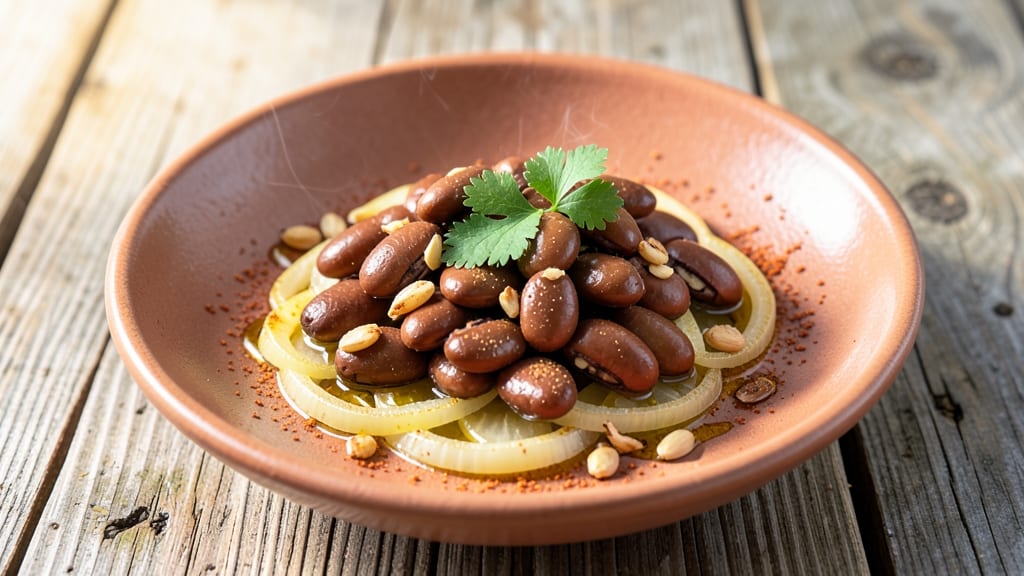
This tepary beans recipe transforms a traditional Southwest staple into a versatile, earthy side dish that delivers restaurant-quality texture in just 30 minutes. Unlike common beans, tepary beans hold their shape beautifully while absorbing bold flavors—perfect for stews, salads, or grain bowls.
I developed this method after years of experimenting with drying techniques to ensure they stay tender yet retain their natural crunch.
The secret lies in proper hydration and slow cooking at low heat, which unlocks their nutty, slightly sweet flavor profile. You’ll need just dried tepary beans, broth, and a few pantry spices to create a dish that’s both hearty and light.
The result? A textured, protein-rich side that pairs effortlessly with grilled meats, roasted vegetables, or even as a standalone vegetarian meal.
What sets this recipe apart is its adaptability—whether you’re serving it warm with lime and cilantro or chilled in a summer salad, the beans deliver bold Southwest character without overpowering other flavors. The 30-minute timeline includes soaking time, making it ideal for busy weeknights or meal prep.
Let’s get cooking—this is the tepary bean dish that will become your go-to for authentic, crunchy Southwest flavor in minutes.
Ingredients for tepary beans
A handful of pantry staples and dried beans create this authentic Southwest side dish.
| Ingredient | Amount | Notes |
|---|---|---|
| Dried Tepary Beans 🌽 | 1 lb | Rinsed, no pre-soaking needed |
| Low-Sodium Vegetable Broth 🥘 | 4 cups | Homemade or high-quality store-bought |
| Extra-Virgin Olive Oil 🫒 | ¼ cup | For sautéing aromatics |
| Yellow Onion 🧅 | 1 whole | Diced, medium dice preferred |
| Garlic Cloves 🧄 | 4 cloves | Minced, aromatic strength |
| Dried Cumin 🌿 | 1 ½ tsp | Toasted for depth |
| Chili Powder 🌶️ | 1 ½ tsp | Smoked variety preferred |
| Ground Coriander 🌿 | ½ tsp | Freshly ground ideal |
| Salt 🧂 | 1 tsp | Diamond Crystal kosher |
| Black Pepper 🌶️ | ½ tsp | Freshly ground preferred |
| Fresh Lime 🍋 | 1 whole | Juiced for acidity |
| Fresh Cilantro 🌿 | ¼ cup | Chopped, for garnish |
| Jalapeño 🌶️ | 1 whole | Seeds removed, diced |
Tepary beans are a Southwest treasure, prized for their distinctive nutty, slightly sweet flavor and ability to retain shape during cooking. Professional kitchens often source them from Native American markets or specialty dry goods stores like Burlap & Barrel or Whole Foods, where they’re packaged in small quantities to maintain freshness. Optimal quality requires beans with vibrant color and no signs of weevils—shake the bag before purchasing. If unavailable, pinto or black beans can be substituted at half the quantity, though texture will differ. For best results, toast the spices—cumin and chili powder—in a dry skillet for 1-2 minutes to enhance their aromatic compounds before adding to the broth.
The broth base is critical for developing flavor—homemade vegetable broth provides superior depth compared to low-sodium store-bought varieties. For a smoky twist, substitute 1 cup of the broth with tomato sauce, or add a dash of liquid smoke (½ tsp) for authenticity. Fresh cilantro is ideal, but dried oregano at one-third the amount works in a pinch. The jalapeño can be omitted entirely or adjusted for heat preference—seeds removed for mild, kept for spicy. Lime juice brightens the dish but can be replaced with apple cider vinegar if needed. Always taste before serving and adjust seasoning with Diamond Crystal kosher salt—its purity ensures even distribution.
This dish reheats beautifully, with flavor intensifying after 24 hours as the beans absorb residual aromatics. Store cooked beans in an airtight container in the refrigerator for up to 5 days, or freeze portions in 1-cup increments for up to 3 months. Thaw frozen beans in the refrigerator overnight for optimal texture. For meal prep, prepare a double batch and divide into containers—add fresh lime juice and cilantro just before serving to preserve their vibrant qualities. The beans can also be used cold in salads or grain bowls, adding a crunchy, earthy texture that complements lighter dishes.
Why You'll Love This Recipe
- No-Soak Surprise: I’ll be real—these beans don’t need pre-soaking. Just toss them in boiling broth, and they’ll soften beautifully in about an hour. That’s one less step I’m not going to overthink.
- Earthy Umami Magic: The dried tepary beans have this deep, nutty flavor that just hits when caramelized with olive oil and garlic. Honestly, it’s the kind of taste that makes you pause mid-bite—like a secret ingredient you didn’t know you needed.
- Lunchbox Hero: These beans keep perfectly for days, so I make a big batch on Sunday and pack them into salads, wraps, or bowls all week. No sad, soggy leftovers here—just reliable, satisfying meals.
- Pantry Staple Power: Between us, dried beans are the ultimate budget win. A pound of tepary beans costs less than a fancy dinner out, and this recipe stretches them into three or four meals. That’s savings with serious flavor.
Step-by-step instructions for cooking tepary beans
Transform these ancient beans into a vibrant Southwest dish with bold flavors and satisfying texture.
Sauté the Aromatics with Olive Oil
Heat the ¼ cup extra-virgin olive oil in a medium saucepan over medium heat. Add the 1 diced yellow onion and cook for 4-5 minutes until softened and translucent, stirring occasionally. The onions should release their natural sweetness without browning.
Add the 4 minced garlic cloves and cook for 30 seconds until fragrant. This quick cooking prevents the garlic from burning while maximizing its flavor. Here's the thing—don't walk away. Garlic burns in seconds. Immediately add the 1½ teaspoons dried cumin, 1½ teaspoons chili powder, and ½ teaspoon ground coriander, stirring to toast the spices for 15 seconds until aromatic. This step builds the flavor foundation for your dish.
Simmer the Beans in Broth
Add the 1 pound rinsed dried tepary beans and 4 cups low-sodium vegetable broth to the saucepan. Bring to a boil over high heat, then immediately reduce to a gentle simmer. You'll notice the beans expand as they absorb moisture. The broth should just cover the beans by about ½ inch. Stir once to distribute the spices evenly.
Cover the saucepan and simmer for 25 minutes. Real talk: This is where patience pays off. The beans need time to soften properly without breaking apart. Stir occasionally to prevent sticking, adding N/A if the liquid level drops below ½ inch above the beans. You'll know they're nearly done when they're tender but still hold their shape when pressed between your fingers.
Finish with Lime and Jalapeño
Remove the saucepan from heat and stir in the 1 teaspoon salt and ½ teaspoon black pepper. Add the juice of 1 fresh lime and the 1 diced jalapeño (seeds removed). Let the mixture sit for 5 minutes to allow the lime to brighten the flavors and the jalapeño to infuse its heat. The beans should absorb these final elements completely.
Taste and adjust seasoning if needed. The dish should balance earthy bean flavor with bright acidity and a subtle kick from the jalapeño. For serving, ladle the beans into bowls and top with ¼ cup chopped fresh cilantro. The cilantro adds a fresh contrast to the deep, smoky flavors of the beans and spices. Serve immediately while the beans are warm and the aromatics are most vibrant.
Pro Tips For Making Tepary Beans
- Soak Overnight: Tepary beans are stubborn little things—they need at least 12 hours to soften properly. I used to rush this and ended up with mushy, flavorless beans. Trust me, the extra time makes them creamy and tender without turning to mush.
- Sweat the Onion: Don’t rush the onions—they’re the backbone of flavor here. Cook them in the olive oil over low heat until they’re soft and golden (about 10 minutes), not just translucent. This prevents them from turning bitter later.
- Don’t Skip the Broth: Low-sodium broth isn’t just water—it’s what keeps the beans moist and adds subtle depth. If you’re short on time, use double the amount (1:2 bean-to-broth ratio) and simmer uncovered. The liquid reduces, but the beans stay tender.
- Mash the Garlic: Whole garlic cloves burn easily and taste bitter. Smash them with the side of your knife or press them into the oil before heating—this releases their oils without scorching. Cook them just until fragrant (about 30 seconds), then add the onions.
Troubleshooting perfect results
Beans Too Hard?
If your tepary beans remain stubbornly firm after 25 minutes of simmering, the issue is almost always undercooked liquid. These beans need ½ inch of broth coverage—if the liquid evaporates too quickly, they won’t soften properly.
Add ¼ cup water every 5 minutes if needed, and extend simmering to 30 minutes total. I once forgot to check the broth level and ended up with chewy beans—don’t let that happen to you! 🌡️
Mushy Texture?
Overcooking is the #1 culprit for mushy beans. Once they’re tender but still hold their shape when pressed, remove them immediately. If you notice them breaking apart, strain and reserve the broth for soups or sauces.
Tepary beans should have a slight resistance—like al dente pasta. Overcooking happens when you don’t stir occasionally or when heat is too high.
Broth Too Salty?
Low-sodium broth is key here, but if you used regular salted broth, don’t panic—dilute it. Remove the beans with a slotted spoon and strain the broth through a fine-mesh sieve.
Replace the strained broth with fresh water, then return the beans to the pot. Taste before adding salt—your dish should never taste like the ocean! 🧂
Beans Tasting Bland?
Forgot to toast the spices? That’s why! Always toast cumin and chili powder for 15 seconds in the oil before adding broth. This releases their aromatic oils and deepens the flavor.
If you missed this step, add ½ tsp extra chili powder and 1 tbsp lime juice to brighten the dish. A pinch of smoked paprika also adds complexity if you’re feeling adventurous.
Beans Not Holding Shape?
Old or low-quality beans are the likely culprit. Tepary beans should last 1-2 years in a cool, dry place. If yours are wrinkled or weevil-infested, they’ll break down. For next time, store them in airtight containers and check for freshness before cooking.
If your beans are already compromised, add 1 tbsp cornstarch to the broth to help thicken and bind the dish.
Nutrition facts
Frequently asked questions
Do tepary beans need to be soaked before cooking?
No soaking required! These ancient beans cook beautifully without pre-soaking, saving you 30 minutes. Just rinse them thoroughly before adding to the broth. The recipe's 25-minute simmer ensures they soften perfectly while maintaining their signature crunch.
Can I substitute tepary beans with other varieties?
While nothing beats authentic tepary beans, you can use pinto or black beans in a pinch. For best texture, reduce the quantity by half (use ½ lb instead of 1 lb) and increase simmering time by 10 minutes. The flavor will differ slightly but still deliver Southwest-inspired depth.
How do I store cooked tepary beans for later?
Keep cooked beans in an airtight container in the fridge for up to 5 days. For longer storage, freeze portions in 1-cup increments for 3 months. Thaw overnight in the fridge—never at room temperature. Add fresh lime juice and cilantro just before serving to preserve their vibrant qualities.
What are the best ways to serve this dish?
These beans shine as a warm side with grilled meats or roasted veggies, or chilled in summer salads. Try pairing with corn, avocado, or tortillas for a complete Southwest meal. The earthy texture also works beautifully in grain bowls or as a hearty vegetarian main with extra lime and cilantro.
Why do tepary beans taste different from other beans?
Their unique nutty, slightly sweet flavor comes from their ancient growing conditions in arid climates. Unlike common beans, they retain their shape while absorbing flavors intensely. This makes them perfect for bold seasonings like cumin and chili powder—key to their Southwest character.