
Main Courses
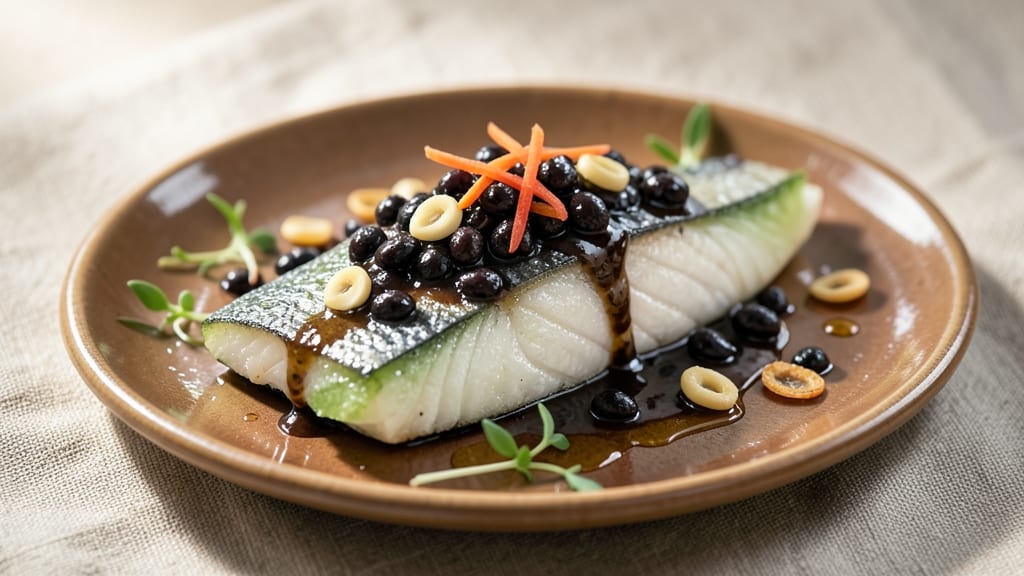
This steamed fish fillet with black bean sauce recipe delivers a perfect balance of silky texture and umami-packed crunch that transforms simple weeknight dinners into restaurant-worthy meals. 💛 The secret lies in the sauce—fermented black beans create a deep, savory base that pairs beautifully with the delicate flakiness of steamed fish, while a touch of sweetness and aromatic spices elevate every bite.
The beauty of this dish is its simplicity: just a few pantry staples and 15 minutes of prep before steaming. No complicated techniques here—just precise timing to ensure the fish stays tender while the sauce achieves that perfect balance of sweet, salty, and umami.
The result is a dish that feels both elegant and approachable, ideal for impressing guests or treating yourself.
What you'll end up with is a plate of golden-brown fish with crisp edges, served atop a glossy black bean sauce that's rich yet light enough to let the fish shine.
The sauce's texture is where the magic happens—slightly thickened for clinging to the fish while remaining smooth enough to coat every bite. This dish proves that steaming can be just as impressive as frying or grilling.
Pair it with steamed jasmine rice and quick-pickled vegetables for a complete meal that's both balanced and satisfying. The sauce works equally well with other proteins like shrimp or tofu, making this a versatile recipe for your rotation. Let's get started on creating this umami masterpiece!
Ingredients for steamed fish fillet with black bean sauce
Pantry staples meet umami magic in this elegant steamed fish masterpiece.
| Ingredient | Amount | Notes |
|---|---|---|
| White Fish Fillets 🐟 | 1 ½ lb | Skin-on, boneless, even thickness |
| Fermented Black Beans 🌱 | 1 cup | Rinsed, drained, no added salt |
| Soy Sauce 🧂 | ¼ cup | Low-sodium preferred for balance |
| Rice Vinegar 🍶 | 2 tbsp | Unfiltered for authentic tang |
| Fresh Ginger 🌿 | 1 tbsp | Finely grated, organic preferred |
| Garlic Cloves 🧄 | 4 cloves | Minced, aromatic variety |
| Sesame Oil 🫒 | 1 tbsp | Toasted, unrefined quality |
| Brown Sugar 🍚 | 2 tbsp | Packed, light molasses notes |
| Cornstarch 🌾 | 1 tbsp | For sauce thickening |
| Water 💧 | ¼ cup | Filtered for clarity |
| Green Onions 🌱 | ¼ cup | Thinly sliced for garnish |
| Sesame Seeds 🥜 | 1 tbsp | Toasted, for crunch |
| Vegetable Oil 🫒 | 1 tbsp | For steaming basket |
| Salt 🧂 | ½ tsp | Diamond Crystal kosher |
| Black Pepper 🌶️ | ¼ tsp | Freshly cracked |
The fermented black beans are the soul of this sauce—look for high-quality, well-fermented varieties at specialty Asian markets or well-stocked grocery stores. Mori-Nu or Lee Kum Kee brands are reliable choices, but always rinse thoroughly to remove excess salt. Fresh ginger should be vibrant and firm, with no dried spots; organic varieties have a more pronounced aroma. For the fish, cod, halibut, or tilapia work beautifully, but opt for skin-on fillets—they stay juicier during steaming. Professional kitchens use 20-second microwave pulses to preheat the steaming basket for even cooking.
No fermented black beans? Substitute ½ cup mashed white beans with 1 tbsp soy sauce and ½ tsp miso paste for umami depth. Rice vinegar is non-negotiable for authenticity—apple cider vinegar in a pinch works, but lacks the delicate floral notes. Cornstarch alternatives include arrowroot powder at half the amount or 1 tbsp instant tapioca. For the fish, baking soda brine (¼ tsp in 1 cup water) tenderizes skin-on fillets if you're short on time. The brown sugar can be swapped for 1 tbsp honey or coconut sugar without altering texture significantly.
The sauce thickens beautifully as it cools—stir in 1 tsp sesame oil at the end to prevent separation. Store the sauce in an airtight glass jar in the refrigerator for up to 7 days, or freeze in portions for 3 months. The fish should be used immediately after steaming for optimal texture, but can be refrigerated for 1 day if wrapped tightly in plastic. For best results, prepare the sauce 1 hour ahead—the flavors meld beautifully during resting time. Garnish with sesame seeds just before serving to maintain their crunch.
Why You'll Love This Recipe
- I’ll be real: I usually make this for dinner, but the sauce keeps for up to a week in the fridge, and honestly, it’s even better the next day. Pair it with rice or noodles, or toss it into an omelet—it’s that versatile. The fish itself is best fresh, but if you have leftovers, it’s still great cold in a wrap or over greens.
- No-Fuss Weeknight Win: I’m not one for complicated meals, and this dish takes less than 30 minutes—no fancy prep, just patting the fish dry, a quick brush of seasoning, and steaming while the sauce simmers. The fermented black beans and garlic do all the heavy lifting, so you’re basically tossing ingredients together while the water boils.
- Umami Bomb: The sauce is where this dish really shines—thick, glossy, and packed with that deep, funky sweetness from the fermented black beans. A little brown sugar and rice vinegar balance it out, but honestly, the soy sauce and ginger make it addictive. Every bite has that perfect tangy-sweet punch that keeps you coming back for more.
- Leftovers? No Problem: I’ll be real: I usually make this for dinner, but the sauce keeps for up to a week in the fridge, and honestly, it’s even better the next day. Pair it with rice or noodles, or toss it into an omelet—it’s that versatile. The fish itself is best fresh, but if you have leftovers, it’s still great cold in a wrap or over greens.
Step-by-step instructions for steamed fish fillet with black bean sauce
This method delivers perfectly tender fish with a velvety black bean sauce that balances umami and sweetness.
🍳 Step 1: Prepare the Steaming Basket and Season the Fish
Fill a large pot with 2 inches of water and bring to a gentle simmer over medium heat. Place a heatproof steaming basket inside (ensure it doesn't touch the water). While the water heats, pat the 1½ lb white fish fillets completely dry with paper towels.
In a small bowl, whisk together ½ tsp salt, ¼ tsp black pepper, and 1 tbsp sesame oil. Brush this mixture evenly over both sides of the fish fillets. The sesame oil adds a delicate aroma while helping to seal in moisture during steaming. Arrange the fillets skin-side down on a parchment-lined plate and refrigerate while you prepare the sauce.
🥘 Step 2: Create the Black Bean Sauce
In a medium saucepan, combine the 1 cup fermented black beans, ¼ cup soy sauce, 2 tbsp rice vinegar, 2 tbsp brown sugar, 1 tbsp fresh ginger, and 4 cloves minced garlic cloves. Bring to a gentle boil over medium heat, then immediately reduce to a simmer. Cook uncovered for 8-10 minutes until the sauce thickens slightly and the flavors meld.
In a small bowl, whisk together 1 tbsp cornstarch with ¼ cup water until smooth. Slowly pour this slurry into the simmering sauce while stirring constantly. The sauce will thicken dramatically—keep stirring for 1-2 minutes until it reaches a glossy, pudding-like consistency. Remove from heat and stir in 1 tbsp sesame oil to enhance aroma.
🔪 Step 3: Steam the Fish to Perfect Tenderness
Once the water is simmering steadily (you should see small bubbles breaking the surface), carefully place the prepared fish fillets in the steaming basket. Steam for 8-10 minutes until the fish is just opaque throughout and flakes easily with a fork. The skin should remain intact but not rubbery—this indicates perfect doneness.
Here's the thing—don't overcook. Fish continues cooking slightly after removal from heat, and you want it to remain moist. When the edges begin to lift gently from the plate, it's ready. Transfer the fillets to a serving platter and tent loosely with foil to keep warm.
🍽️ Step 4: Finish and Serve
Return the black bean sauce to gentle heat and stir in ¼ cup thinly sliced green onions. Spoon the sauce over the steamed fish fillets, covering each piece evenly. Sprinkle generously with 1 tbsp toasted sesame seeds for texture and visual appeal.
Serve immediately with steamed jasmine rice or stir-fried bok choy. The contrast of silky fish, thickened black bean sauce, and toasted sesame seeds creates a harmonious balance of textures and flavors. Each bite should deliver tender fish, sweet-savory sauce, and a satisfying crunch from the sesame seeds.
Pro Tips For Making Steamed Fish Fillet With Black Bean Sauce
- Test the Water First: That 2-inch water line in your pot is a guideline, not a rule. If your pot is wide or your heat’s inconsistent, the water might evaporate too fast. I’ve burned through three steaming baskets because I didn’t check—now I always dip a wooden spoon in the water before adding the fish. It should be gentle bubbles, not a rolling boil. No one likes rubbery fish.
- Rinse Those Black Beans: Fermented black beans pack a salty punch, and if they’re pre-brined (like most store-bought ones), your sauce will taste like a swimming pool. Rinse them in a colander under cold water for 10 seconds—just enough to cut the excess salt, but not so long you leach out all the umami. Trust me, your sauce will thank you.
- Don’t Crowd the Basket: I learned this the hard way when my fish fillets ended up steamed and steamed again in their own condensation. Leave at least ½ inch between each piece so the steam circulates. If your basket’s too small, do two batches—overcrowding turns tender fish into sad, soggy pancakes. And no one wants that.
- Toast Sesame Seeds Dry: Skip the oil when toasting those sesame seeds—wet heat (like a pan with oil) dulls their nutty flavor. Use a dry skillet over medium-low heat, shaking the pan every 20 seconds until they’re golden and smell like a bakery. They’ll brown in under a minute, and the crunch will actually cut through the sauce instead of turning to mush.
Storing and reheating your steamed fish fillet with black bean sauce
Sauce Storage Secrets
Your black bean sauce is the star of this dish, so I store it in a glass jar with an airtight lid—I love the Ball Mason jars for their durability. Keep it refrigerated for up to 7 days to maintain that perfect balance of sweetness and umami.
If you're prepping ahead, freeze portions in 1-cup silicone molds for easy grab-and-go meals later. Just thaw overnight in the fridge before reheating. 💧
Fish Handling Hacks
Steamed fish should always be served fresh, but if you must store it, wrap the fillets tightly in plastic wrap and place them on a plate to avoid moisture buildup. Refrigerate for up to 24 hours—I keep them in the coldest part of my fridge.
When reheating, use the steam method again for 3-5 minutes to restore that silky texture. Avoid microwaving directly as it can dry out the fish.
Reheating the Sauce
For best results, reheat your sauce on low-medium heat in a small saucepan, stirring constantly to prevent sticking. Add 1-2 tablespoons of water if it thickens too much. I like to finish it with a splash of rice vinegar to restore that authentic tang.
The sauce reheats beautifully in 5-7 minutes—just enough time to warm your rice too. 🔥
Meal Prep Strategy
Prep the sauce 1 day ahead—the flavors deepen overnight, and it reheats perfectly. Store the fish fillets separately in ziplock bags with parchment paper between layers to prevent sticking. On serving day, steam the fish fresh while reheating the sauce.
This keeps everything at its best. I often double the sauce recipe for leftovers—it freezes beautifully for up to 3 months.
Garnish Timing
Toast your sesame seeds and slice your green onions fresh just before serving. The seeds lose their crunch if stored, and the onions wilt quickly. I keep them in separate containers in the fridge until the last minute.
This ensures that pop of texture and freshness that makes the dish sing. ✨
Nutrition facts
Frequently asked questions
Why does the fish need to be patted completely dry?
Patting the 1½ lb white fish fillets dry ensures even cooking and prevents steam from forming between the skin and flesh during steaming. This keeps the skin crispy and the inside moist—critical for that perfect texture. Even a damp surface can cause the fish to steam unevenly and become rubbery.
Can I use frozen fish fillets for this recipe?
Yes, but thaw them properly first! Place frozen fillets in the refrigerator overnight or use the cold water bath method (seal in a leak-proof bag and submerge in cold water for 30-45 minutes). Never use room-temperature fish—this can promote bacterial growth. Pat them dry after thawing for best results.
What if my sauce turns out too thin?
Simply return it to low heat and whisk in another 1 tbsp cornstarch mixed with 1-2 tbsp water until it thickens. If it separates, stir in 1 tsp sesame oil to help bind the flavors. The key is patience—let it simmer gently until it reaches that glossy, pudding-like consistency.
Are there good substitutions if I don't have fermented black beans?
Mix ½ cup mashed white beans with 1 tbsp soy sauce and ½ tsp miso paste for umami depth. Or use ½ cup canned chickpeas drained and rinsed, plus an extra ½ tsp sugar to balance flavors. The texture will be slightly different, but it works well in a pinch!