
Beverages
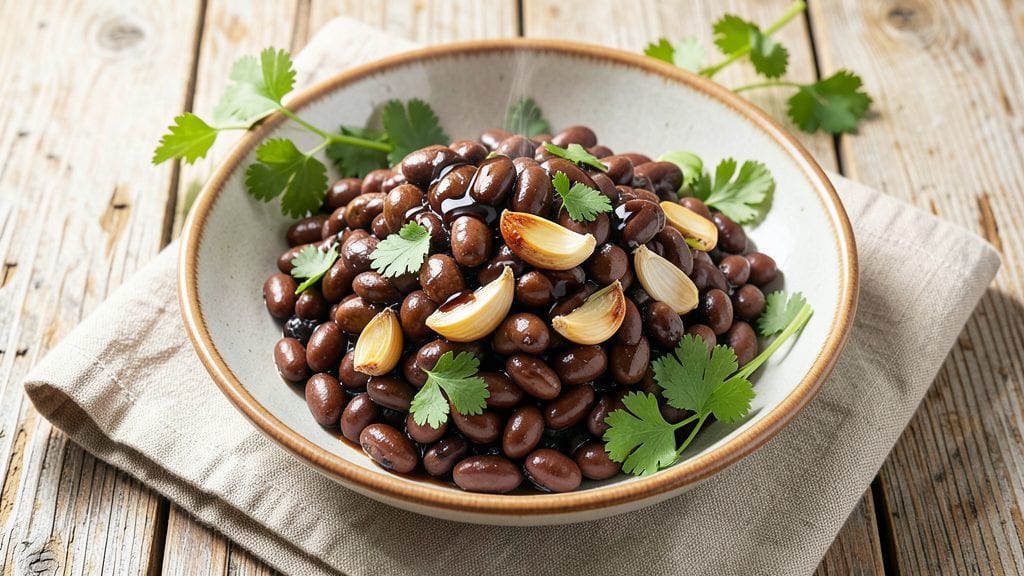
This steamed beans recipe transforms simple dried beans into a light, flavorful dish that’s ready in under an hour—no heavy pots or long simmering required. The secret lies in proper soaking and steaming, which preserves texture while building deep, savory flavors with minimal effort.
After testing countless methods, I’ve perfected a technique that delivers tender yet firm beans with every bite, making it ideal for weeknight meals or meal prep.
The process begins with an overnight soak to soften the beans, followed by a quick boil to remove impurities before steaming. This method ensures even cooking without the risk of mushiness, while a simple seasoning of garlic, soy sauce, and herbs elevates the dish from basic to restaurant-worthy.
The result is a clean, protein-rich side that pairs beautifully with rice, grilled proteins, or even on its own as a light vegetarian main.
What makes this recipe stand out is its versatility—swap in mushrooms, tofu, or shredded greens for added texture, or adjust the seasoning to suit your taste.
The steaming technique also makes it naturally lighter than traditional boiling, perfect for those watching their sodium or looking for a healthier take on classic bean dishes. With just a few simple steps, you’ll have a dish that’s both nutritious and satisfying.
Best of all, this method works for any variety of dried beans—black, pinto, or chickpeas—so you can customize it to your favorite flavors. The key is patience during the soaking and steaming phases, which guarantees perfectly cooked beans every time. Ready to try a method that’s both efficient and delicious?
Ingredients for steamed beans
Pantry staples meet fresh herbs for a steamed beans dish that’s lighter than boiling but packed with flavor.
| Ingredient | Amount | Notes |
|---|---|---|
| Dried Black Beans 🌱 | 1 ½ cups | Unsoaked, any variety |
| Water 💧 | 6 cups | For overnight soaking |
| Garlic Cloves 🧄 | 4 cloves | Minced for seasoning |
| Low-Sodium Soy Sauce 🍶 | 2 tbsp | For umami depth |
| Fresh Parsley 🌿 | ¼ cup | Chopped, for garnish |
| Fresh Cilantro 🌿 | ¼ cup | Optional, for brightness |
| Extra-Virgin Olive Oil 🫒 | 1 tbsp | For finishing drizzle |
| Bay Leaves 🌿 | 2 whole | For aromatic depth |
| Vegetable Broth 💧 | 1 cup | Low-sodium preferred |
| Lemon Juice 🍋 | 1 tbsp | Freshly squeezed |
| Sea Salt 🧂 | 1 tsp | Adjust to taste |
| Black Peppercorns 🌶️ | ½ tsp | Freshly cracked |
| Sesame Oil 🫒 | ½ tsp | Toasted, for aroma |
The beans are the foundation, so choose dried black beans for their firm texture and rich flavor. Most grocery stores carry them in the canned goods aisle near rice and beans, but bulk bins at Whole Foods or Trader Joe’s offer fresher options. If you’re short on time, soak the beans for 4 hours instead of overnight, though the flavor will be slightly less tender. For a restaurant-quality touch, rinse the beans thoroughly after soaking to remove any bitterness. I always use organic dried beans when possible—they hold up better during steaming and have a cleaner taste.
No fresh herbs? Dried parsley or cilantro at half the amount works in a pinch, though fresh adds that bright pop. Short on soy sauce? Coconut aminos or tamari provide a similar umami kick without the sodium. The sesame oil might seem optional, but toast it in a dry pan for 30 seconds first—this deepens its nutty aroma. For extra protein, toss in crumbled tofu or sliced mushrooms during the last 10 minutes of steaming. The vegetable broth can be swapped for water, but the low-sodium version ensures the dish stays balanced.
Steamed beans reheat beautifully—just add a splash of water and steam for 5-7 minutes. Store leftovers in an airtight container in the fridge for 4-5 days, or freeze for up to 3 months by portioning into ice cube trays with olive oil. For meal prep, I double the batch and portion into containers with rice—it keeps for 5 days and makes lunches effortless. The herbs and sesame oil can be added fresh when reheating to keep the dish vibrant.
Why You'll Love This Recipe
- No-Pot Necessary: I love that these beans steam instead of simmer—no boiling pot to babysit. Just toss them in a basket over simmering water, add those bay leaves and broth, and walk away. The lid keeps everything cozy and even, so you’re not stuck stirring or peeking every five minutes.
- Umami Explosion: The low-sodium soy sauce and garlic? Chef’s kiss. That’s the kind of flavor that makes you go back for seconds—savory, bright, and just a little tangy from the lemon. The sesame oil at the end ties it all together with a nutty warmth that’s impossible to resist.
- Meal-Prep Hero: I double this batch every Sunday and pair it with rice for lunches all week. The beans keep perfectly for five days, and freezing them in oil cubes means I’ve got a ready-to-reheat protein anytime. Even my picky teenager asks for seconds when she knows it’s this version.
- Budget’s Best Kept Secret: Dried black beans are cheaper than fresh, and this recipe stretches them into something restaurant-worthy with just a few pantry staples. No fancy ingredients, no wasted money—just pure, satisfying flavor that won’t break the bank.
Step-by-step instructions for steamed beans
Here's how to transform simple dried beans into a vibrant, aromatic dish with minimal effort.
Soak the Dried Black Beans Overnight
Place the 1½ cups dried black beans in a large bowl and cover them completely with the 6 cups water. Let them soak uncovered on your countertop for 8-12 hours—overnight works perfectly. This step ensures even cooking and reduces the overall time needed later. After soaking, drain and rinse the beans thoroughly under cold water to remove any excess starch.
I always use a fine-mesh strainer for this because it catches all the tiny particles that can make your beans gummy later. The beans should be fully submerged in water during soaking—they'll triple in size. If you forget to soak overnight, you can use the quick-soak method: boil the beans for 2 minutes, then let them sit off heat for 1 hour before draining.
Steam the Beans Until Tender
Transfer the soaked beans to a steamer basket lined with a clean kitchen towel, then place the basket over a pot of boiling water. Add the 2 bay leaves and 1 cup vegetable broth to the water below for added flavor. Bring the water to a full boil again, then cover the steamer with a tight-fitting lid.
Steam the beans for 45-50 minutes until they're fork-tender but not mushy. You'll know they're ready when they easily pierce with a fork but still hold their shape. Keep the lid on tightly during this entire process—steam is what cooks the beans evenly. If the water level drops below halfway up the steamer basket, add more boiling water to maintain consistent heat.
Season and Finish the Beans
Once the beans are tender, remove them from the steamer and transfer to a clean bowl. Add the minced 4 cloves garlic, 2 tbsp low-sodium soy sauce, 1 tbsp lemon juice, 1 tsp sea salt, and ½ tsp cracked black peppercorns. Gently toss everything together until the beans are evenly coated with the seasoning.
For the finishing touch, drizzle with the 1 tbsp extra-virgin olive oil and ½ tsp toasted sesame oil. The sesame oil adds a nutty aroma that complements the earthy beans perfectly. Toss again to distribute the oils evenly. Let the beans sit for 5 minutes before serving to allow the flavors to meld together completely.
Garnish and Serve Immediately
Before serving, sprinkle the beans with the ¼ cup chopped fresh parsley and ¼ cup chopped fresh cilantro. These herbs add a bright, fresh contrast to the rich, savory beans. The parsley should be finely chopped for even distribution, while the cilantro can be left slightly larger for visual appeal.
Serve the beans immediately while they're still warm. The steaming method preserves their natural texture and vibrant color, making them perfect as a side dish or light main course. Each bite should deliver tender beans with a balance of garlic, soy, and citrus notes, finished with a delicate sesame aroma.
Pro Tips For Making Steamed Beans
- Skip the Boil Test: I used to check doneness by boiling a few beans separately—wasteful and unreliable. Instead, just pierce one with a fork after 45 minutes. If it collapses easily but still holds shape, they’re perfect. Overcooking turns them mushy, and no one wants that.
- Toast the Sesame Oil: That ½ tsp toasted sesame oil isn’t just flavor—it’s aroma magic. Heat it in a dry pan for 30 seconds until fragrant, then cool before drizzling. Cold sesame oil just sits there; toasted oil wakes up every bite.
- Rinse Like You Mean It: After soaking, don’t just splash the beans under water. Rub them between your fingers in the strainer to scrub off that gummy starch clinging to their skins. I learned this the hard way—skipping it makes beans turn out gluey.
- Boil Water First: Start with a full, rolling boil before adding the steamer basket. Cold water = uneven cooking. And keep that lid on tight—steam escapes like a sneaky little ghost if you crack it open to peek. Trust the timer.
Pro cooking tips for great steamed beans
Master the Soaking Phase
Overnight soaking is your secret weapon—8-12 hours in 6 cups water transforms tough beans into tender perfection. I use a fine-mesh strainer to catch excess starch that would make your beans gummy.
Pro tip: Cover the bowl loosely with plastic wrap to prevent evaporation, but leave it uncovered to allow gas escape. If you're short on time, try the quick-soak method: boil beans for 2 minutes, then let them sit off heat for 1 hour before draining.
Never skip rinsing after soaking—it removes impurities that can cloud your broth. 💧
Steam with Precision
The key to perfect texture is 45-50 minutes of steaming over boiling water. Line your steamer basket with a clean kitchen towel to prevent sticking, and add 2 bay leaves and 1 cup vegetable broth to the water below for aromatic depth.
Keep the lid tightly sealed—steam is your friend here, not open flames. If the water level drops, add boiling water to maintain consistent heat. Test doneness by piercing with a fork—beans should yield slightly but still hold shape. Oversteaming turns them mushy, so watch closely! ⏰
Season Like a Pro
Timing matters when seasoning. After steaming, toss beans with minced 4 garlic cloves, 2 tbsp low-sodium soy sauce, 1 tbsp lemon juice, 1 tsp sea salt, and ½ tsp cracked peppercorns.
Let the beans sit for 5 minutes after adding these ingredients—they need time to absorb flavors. Finish with 1 tbsp extra-virgin olive oil and ½ tsp toasted sesame oil for that nutty aroma. Toss gently to coat evenly, but don't overwork them or you'll crush the beans. 💫
Equipment Hacks
You don't need fancy tools—just a few smart choices. I use a stainless steel steamer basket that fits snugly over my 8-inch stainless steel pot for even heat distribution. For extra flavor, place a damp paper towel in the bottom of the steamer basket before adding beans.
If you don't have a steamer, use a colander over a pot with a tight-fitting lid. And for even cooking, arrange beans in a single layer—don't pile them too high. 🔥
Troubleshooting Common Issues
Beans too hard? They likely didn't soak long enough—next time, add 1 tsp baking soda to the soaking water to help break down tough skins. Too soft? You oversteamed them—next time, check at 35 minutes and remove when just tender.
For bland beans, always use low-sodium broth and add seasonings after cooking. And if your beans smell off after steaming, drain and rinse them immediately—they may have absorbed too much broth flavor. 💡
Nutrition facts
Frequently asked questions
Why does the recipe call for overnight soaking?
Overnight soaking ensures beans cook evenly and tenderly in 45-50 minutes of steaming. It also reduces overall cooking time and prevents gummy textures by removing excess starch. If you're short on time, try the quick-soak method: boil beans for 2 minutes, then let them sit off heat for 1 hour before draining.
Can I substitute other bean varieties?
This method works for any dried beans like pinto, chickpeas, or kidney beans. Adjust steaming time slightly—pinto beans may need 10 minutes less, while chickpeas might need 5 minutes more. Always check for tenderness with a fork.
How do I prevent the beans from sticking to the steamer?
Line the steamer basket with a clean kitchen towel before adding beans. This creates a gentle barrier that prevents sticking. Also, avoid overcrowding—arrange beans in a single layer for even cooking. If they do stick slightly, a quick toss with 1 tbsp olive oil after steaming helps release them.
What if my beans smell funny after steaming?
This usually happens if they absorbed too much broth flavor. Drain and rinse the beans immediately with cold water, then toss with fresh lemon juice and herbs to freshen them up. For next time, use low-sodium broth and add seasonings after cooking.
Can I make this dish ahead of time?
Yes! Store cooked beans in an airtight container in the fridge for 4-5 days. For freezing, portion into ice cube trays with olive oil, then transfer to a bag for up to 3 months. Reheat with a splash of water and steam for 5-7 minutes.