
Main Courses
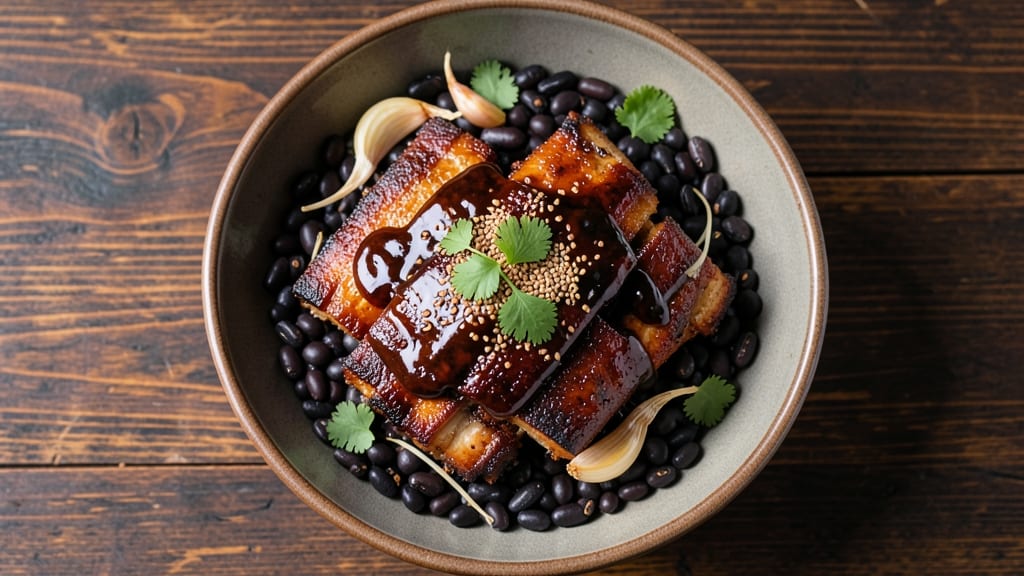
This spareribs with black bean sauce recipe transforms a classic comfort dish into a fusion masterpiece where smoky ribs meet velvety, umami-rich black bean sauce. After years of perfecting the balance between tender meat and bold flavors, I’ve developed a method that delivers restaurant-quality results at home—no shortcuts, just precision.
The sauce isn’t just an afterthought; it’s the star, caramelizing into a glossy, sweet-savory glaze that clings to every bite.
The secret lies in the sauce’s dual texture: a thick, molasses-like consistency that coats the ribs while maintaining enough body to stand up to the meat’s natural richness.
You’ll start with a dry rub that locks in moisture, then slow-cook the ribs until they’re fall-apart tender before finishing them with the sauce at high heat for that signature caramelized crust.
This isn’t a quick weeknight meal—it’s a foolproof, weekend-worthy project that rewards patience with flavors you’ll crave for days.
By the time you plate these ribs, you’ll have a dish that’s equal parts indulgent and sophisticated: deep smoky notes from the ribs, earthy depth from the black beans, and a touch of sweetness that ties everything together.
The sauce’s complexity—where molasses, soy, and spices meld—elevates what could be a simple barbecue into something memorable. Serve with steamed jasmine rice to soak up every last drop or a crisp coleslaw to cut through the richness.
This recipe isn’t just about the end result; it’s about the process—the way the ribs transform from tough cuts into tender, saucy perfection, and how the sauce evolves from a simple blend into a restaurant-worthy masterpiece.
Whether you’re feeding a crowd or treating yourself to a special meal, these ribs will steal the show. Let’s get started—your taste buds will thank you.
Ingredients for spareribs with black bean sauce
Six pounds of ribs meet a velvety black bean sauce. Restaurant-quality at home, no shortcuts.
| Ingredient | Amount | Notes |
|---|---|---|
| St. Louis Style Spareribs 🍖 | 4 lb | Bone-in, trimmed of excess fat |
| Black Beans 🌿 | 2 cans | Rinsed, low-sodium preferred |
| Molasses 🍯 | ½ cup | Unsulphured for best flavor |
| Soy Sauce 🧂 | ½ cup | Low-sodium for balance |
| Brown Sugar 🍚 | 0.38 cup | Packed, for caramelization |
| Garlic Cloves 🧄 | 6 cloves | Minced, aromatic |
| Fresh Ginger 🌿 | 2 tbsp | Grate finely for potency |
| Chili Crystals 🌶️ | 1 tbsp | For depth, not heat |
| Smoked Paprika 🌶️ | 1 tbsp | Dry rub component |
| Cumin Ground 🌿 | 1 tbsp | Toasted for aroma |
| Coriander Ground 🌿 | 1 tsp | Earthy complexity |
| Salt 🧂 | 1 tsp | Kosher flake preferred |
| Black Pepper 🌶️ | ½ tsp | Freshly cracked |
| Apple Cider Vinegar 🍎 | 2 tbsp | Brightens sauce |
| Sesame Oil 🫒 | 1 tbsp | For finishing aroma |
| Honey 🍯 | 2 tbsp | Balances sweetness |
The ribs are everything—St. Louis style with their signature shape and tenderness. Look for cuts with good marbling and visible fat caps—this keeps them juicy during the long cook. Costco or ButcherBox deliver the best quality for this project, but your local grocery store’s meat case works fine if you trim the fat yourself. Pro tip: Pat the ribs dry before seasoning—moisture prevents the rub from sticking. The beans? Rinse them thoroughly to remove excess sodium if using canned, or soak dried beans overnight if making from scratch.
No black beans? Kidney beans or pinto beans work in a pinch—just add 1/2 cup extra liquid to the sauce to compensate for their texture. Short on molasses? Brown sugar plus 1 tbsp maple syrup mimics that molasses depth. The ginger can be frozen and grated if fresh isn’t available, but fresh is always better—no comparison. For the rub, smoked paprika is non-negotiable—it’s what gives the sauce its signature depth. No chili crystals? 1 tsp ground cumin plus 1/2 tsp cayenne gets you close. The soy sauce should be low-sodium—you’re balancing sweetness, not saltiness.
The sauce keeps beautifully in the fridge for 5-7 days—just reheat on the stove with a splash of water to thin it out. For the ribs, cook them uncovered for the last 30 minutes to develop that caramelized crust. Store leftovers in an airtight container—they taste even better the next day as the flavors meld. I portion mine into containers so lunches are sorted for the week. The sauce freezes for up to 3 months—just thaw overnight in the fridge before reheating. Don’t skip the sesame oil finishing touch—it’s what ties all the flavors together and makes it taste restaurant-worthy.
Why You'll Love This Recipe
- Slow Cooker Bliss: Honestly, this is the kind of recipe that makes weeknights feel like a treat. Just sear those ribs for 15 minutes total, dump them in the slow cooker, and let the magic happen while you do other things—like binge-watch your favorite show. The ribs cook themselves to fall-off-the-bone perfection with minimal effort.
- Molasses Magic: Between the unsulphured molasses and the brown sugar, this sauce is dangerously good. That deep, caramelized sweetness blends with the smoky ribs and earthy black beans—it’s like a flavor explosion in every bite. My kids even ask for seconds, and that’s saying something.
- Game-Day Ready: You can prep this ahead and serve it at a party, potluck, or even a casual dinner with friends. The sauce keeps for days, so you can make it fresh for a crowd and still have leftovers for lunch. Plus, the ribs stay tender even when reheated—no one will guess it’s not homemade.
- Budget-Friendly Feast: Four pounds of ribs might seem like a lot, but with this recipe, you’re getting a meal that feeds a family for days. The black beans and molasses stretch the ingredients, and the slow cooker makes it easy to stretch the budget without sacrificing flavor. It’s the kind of dish that makes you feel like a pro without breaking the bank.
Step-by-step instructions for spareribs with black bean sauce
Here's the method that delivers fall-off-the-bone ribs with a velvety black bean sauce.
Prepare the Dry Rub and Sear the Ribs
In a small bowl, combine the 1 tablespoon smoked paprika, 1 tablespoon cumin ground, 1 teaspoon coriander ground, 1 teaspoon salt, and ½ teaspoon black pepper. Mix thoroughly until you have a fine, even-textured rub. This blend will create that signature smoky depth we're after.
Pat the 4 lb St. Louis Style Spareribs completely dry with paper towels—this ensures maximum crispiness. Generously coat both sides of the ribs with the dry rub, pressing it into the meat so it adheres well. Let them sit at room temperature for 30 minutes while you prepare the oven.
Preheat your oven to 275°F. Heat a large oven-safe skillet over medium-high heat and add the ribs fat-side down. Sear for 8-10 minutes until deeply browned and caramelized. Flip and sear the other side for another 6-8 minutes. The ribs should develop a rich, amber crust—this is your flavor foundation.
Slow-Cook the Ribs and Build the Sauce
Transfer the seared ribs to a large slow cooker. In the same skillet (don't clean it—those browned bits are pure flavor), add the 6 cloves minced garlic cloves and 2 tablespoons fresh ginger over medium heat. Sauté for 1 minute until fragrant, then deglaze with ½ cup soy sauce and 2 tablespoons apple cider vinegar, scraping up all the browned bits from the bottom.
Add the 2 cans black beans (drained and rinsed), ½ cup molasses, ⅜ cup brown sugar, 1 tablespoon chili crystals, and 2 tablespoons honey to the skillet. Stir well and let it simmer for 5 minutes until the sugar begins to caramelize slightly. Pour this sauce mixture over the ribs in the slow cooker.
Cover and cook on low heat for 6-7 hours. Here's the thing—you'll know they're done when the ribs easily pull apart at the bone and the sauce has thickened to a glossy consistency. The slow cooker keeps everything tender while developing that perfect smoky-sweet balance.
Finish with Sesame Oil and Serve
Remove the ribs from the slow cooker and transfer them to a serving platter. Skim off any excess fat from the sauce (if needed) and return the sauce to the slow cooker. Stir in 1 tablespoon sesame oil and let it warm through for 2 minutes—this adds that final aromatic punch that elevates the entire dish.
Serve the ribs immediately, spooning that rich black bean sauce generously over each rack. The sauce should be thick enough to coat the back of a spoon but still silky smooth. Each bite should deliver tender meat with a perfect balance of smoky, sweet, and umami flavors from the sauce.
For extra presentation, garnish with a sprinkle of freshly cracked black pepper and serve with crusty bread to soak up every last bit of that delicious sauce. The ribs should be so tender they practically melt in your mouth, with a crispy exterior that contrasts beautifully against the creamy sauce.
Pro Tips For Making Spareribs With Black Bean Sauce
- Don’t Skip the Vinegar: That 2 tablespoons of apple cider vinegar isn’t just for acidity—it cuts through the molasses and brown sugar so the sauce doesn’t turn cloying. I used to leave it out, and the sauce always tasted flat. Trust me, add it early when deglazing.
- Toast the Cumin: Dry-toast the 1 tablespoon cumin in a dry skillet for 30 seconds before mixing into the rub—it deepens the nutty aroma and prevents that bitter aftertaste. I learned this the hard way after burning a batch where I skipped it.
- Sear Until Dark Brown: The ribs need 8–10 minutes per side on high heat until they’re almost black in spots. That crust locks in moisture and carries all the smoky paprika flavor. Rushing this step means mushy ribs later.
- Stir the Sauce Early: After adding the black beans, molasses, and brown sugar, give the sauce a good stir immediately—this prevents the sugar from clumping and burning. I’ve had to scrape stuck-on bits off the bottom more times than I’d like to admit.
Wine and beer pairings for this dish
Bold Red Wine Pairings
The deep, smoky-sweet flavors of these ribs pair beautifully with a bold red wine that can stand up to the sauce’s complexity. I reach for a Malbec from Argentina—think Catena Zapata—with its dark fruit notes and velvety tannins that complement the molasses and black beans.
The wine’s 14-15% alcohol cuts through the richness while enhancing the dish’s umami depth. 🍷
Medium-Bodied Reds
For a lighter alternative, a Zinfandel from California—like Ravenswood Reserve—adds a juicy red fruit punch that balances the sauce’s sweetness. The wine’s medium-plus tannins and blackberry flavors harmonize with the ribs’ smoky crust. This pairing feels like a hug for your taste buds.
Craft Beer Complements
A dark amber ale or stout brings unexpected harmony to these ribs. Try Allagash White, a Belgian-style ale with caramel and spice notes that echo the molasses and chili crystals. The beer’s hoppy bitterness cuts through the sauce’s sweetness, creating a refreshing contrast. 🍺
Off-Dry White Wine
Surprisingly, a German Riesling (off-dry style) like Dr. Loosen Blue Slate works wonders. Its citrus and peach notes brighten the dish while the slight sweetness mirrors the sauce’s molasses. The wine’s acidity cleanses your palate between bites, making each flavor pop.
Spiced Wine Twist
For a unique touch, serve with a Port wine like Graham’s Reserve. The wine’s dried fruit and oak notes mirror the ribs’ caramelized crust and molasses depth. Sip it alongside the ribs to experience a layered, sophisticated pairing that feels luxurious. 💛
Nutrition facts
Frequently asked questions
Why does the recipe call for unsulphured molasses?
Unsulphured molasses delivers richer, deeper flavor compared to sulphured versions. The sulphur compounds can create a bitter aftertaste that overpowers the sauce’s natural sweetness. This recipe relies on that molasses’ natural caramelized depth to balance the smoky ribs and earthy black beans—it’s the secret to that perfect velvety-sweet finish!
Can I use a regular slow cooker instead of an oven-safe skillet for searing?
Yes, but with a key adjustment: transfer the ribs to the skillet first, sear them there, then move them to the slow cooker. The sear step is critical for developing that amber crust that locks in flavor. If your slow cooker isn’t stovetop-safe, use a separate skillet for the sear and transfer carefully. Don’t skip this step—it’s what makes the ribs restaurant-quality!
What if my sauce turns out too thin?
Simmer the sauce uncovered for 5-10 extra minutes to reduce it naturally. If it’s still too thin, mix 1 tablespoon cornstarch with 2 tablespoons water, stir it into the sauce, then cook another 2 minutes until thickened. This mimics the glossy consistency you want without altering the flavor profile.
Is it okay to skip the sesame oil finishing touch?
Technically yes, but you’ll miss that aromatic lift sesame oil provides. It’s what ties all the flavors together—smoky ribs, sweet molasses, and umami beans—into one cohesive experience. Think of it as the final polish that makes the dish taste like it belongs on a restaurant menu. Trust me, it’s worth the 1 tablespoon!