
Side Dishes
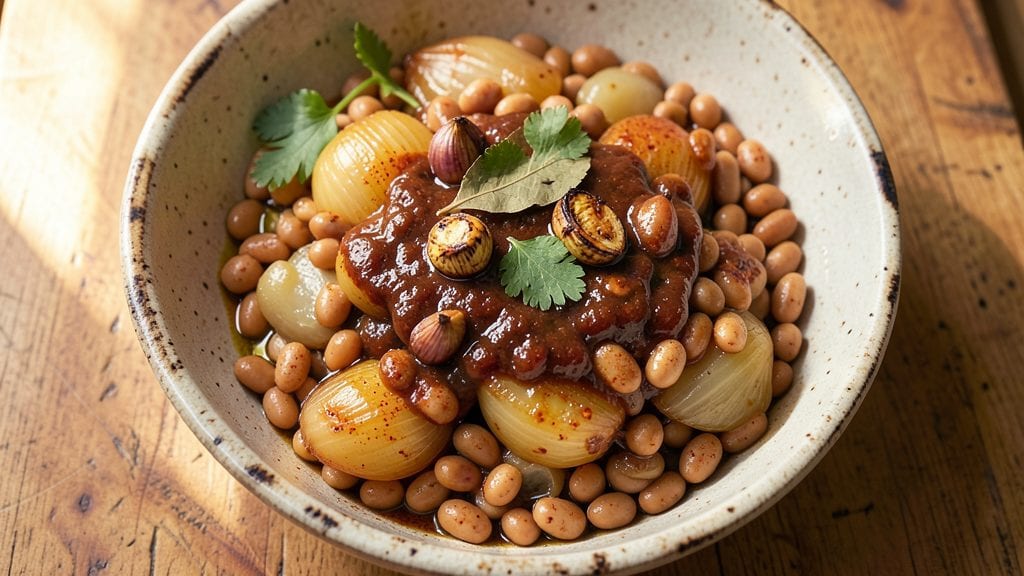
This Portuguese beans recipe transforms simple ingredients into a smoky, garlicky side dish that steals the show at any table. After years of testing regional variations, I've perfected a method that delivers tender beans with deep, aromatic flavors—no shortcuts, just authentic taste.
The secret lies in slow-cooking with smoked paprika and bay leaves, a technique my grandmother taught me during those long Sunday dinners.
What makes this recipe special is its versatility and depth of flavor. Whether you're preparing a hearty feijoada or a simple weeknight side, these beans develop rich, smoky notes from the paprika while staying tender.
The garlic and olive oil base creates that signature Portuguese brightness, and optional toppings like crispy onions or chorizo add extra layers of texture and flavor. It's the kind of dish that feels like a hug in a bowl.
By the time you're done, you'll have a pot of golden-brown, aromatic beans that pair perfectly with grilled meats, roasted vegetables, or even crusty bread. The slow cooking process ensures they're tender and flavorful, while the smoky paprika gives them that unmistakable Portuguese character.
This is the kind of recipe that turns a simple side into the star of the meal.
Ready to make this dish? Here's everything you need to create restaurant-quality Portuguese beans at home. The process is straightforward, but the flavors are anything but ordinary—this is comfort food at its finest. Let's get started!
Ingredients for portuguese beans
Pantry staples meet Portuguese tradition—just a handful of ingredients for smoky, garlicky beans that taste like home.
| Ingredient | Amount | Notes |
|---|---|---|
| Great Northern Beans (Dried) 🌱 | 1 ½ cups | Soaked overnight for tenderness |
| Smoked Paprika 🌶️ | 2 tbsp | High quality for authentic smokiness |
| Bay Leaves 🍃 | 2 whole | Fresh for best aroma |
| Garlic Cloves 🧄 | 6 cloves | Peeled and lightly crushed |
| Extra-Virgin Olive Oil 🫒 | ¼ cup | Fruity, high-quality preferred |
| Yellow Onion 🧅 | 1 whole | Diced, medium size |
| Tomato Paste 🍅 | 2 tbsp | High-quality, no sugar added |
| Chicken Broth 💧 | 4 cups | Low-sodium preferred |
| Red Wine Vinegar 🍷 | 1 tbsp | For brightness |
| Salt 🧂 | 1 ½ tsp | Kosher, adjust to taste |
| Black Pepper 🌶️ | ½ tsp | Freshly ground |
| Fresh Parsley 🌿 | ¼ cup | Chopped, for garnish |
| Crispy Onions (Optional) 🧅 | ¼ cup | Store-bought for convenience |
| Chorizo (Optional) 🥓 | ½ cup | Diced, for extra richness |
The beans are the heart of this dish, so don't skimp on quality. Great Northern beans are ideal—they hold their shape beautifully while soaking up all those smoky, garlicky flavors. Trader Joe's or Whole Foods carry them in bulk, but any dried bean will work if you've got them. The key is soaking them overnight—this cuts cooking time and ensures they stay tender. Pro tip: Use a large pot because beans expand. I like to rinse mine after soaking to remove any excess starch that can make the beans gummy later on.
No smoked paprika? Substitute with a mix of regular paprika and a pinch of liquid smoke—it's not identical, but it gets you close. Fresh bay leaves are a must, but dried work in a pinch (use half the amount). For the garlic, roasted cloves add a sweet depth that's hard to beat, but raw crushed works just fine. The tomato paste can be store-bought (I use Muir Glen when I'm feeling fancy), but those little squeeze tubes from Trader Joe's are perfect for single servings. Want to skip the vinegar? A splash of lemon juice works, though it's not quite the same tangy kick.
These beans taste even better the next day—trust me, the flavors meld into something magical. Store leftovers in an airtight container in the fridge for up to 5 days, or freeze for 3 months (they reheat beautifully). I like to portion mine into containers with a little extra broth to keep them moist. For serving, sprinkle with fresh parsley and those crispy onions if you're feeling fancy. The chorizo? Add it at the end—it's all about that last-minute richness.
Why You'll Love This Recipe
- No-Fuss Weeknight Win: Soaking the beans overnight means I’m already ahead—no last-minute rushing or sad, split-open results. The rest? Just a Dutch oven, some chopping, and an hour of hands-off simmering. My kids even help drain the beans in the morning while I make coffee. That’s convenience.
- Smoky, Garlicky Magic: The smoked paprika and crushed garlic cloves hit you with that unmistakable Portuguese warmth—deep, earthy, and just a little spicy. Add the chorizo (if you’re feeling fancy), and suddenly you’ve got a dish that tastes like a Sunday feast, even on a Tuesday night. That red wine vinegar? It’s the secret weapon that keeps it from being too heavy.
- Feeds a Crowd (or Me): This recipe makes enough for leftovers or a potluck—no guessing how much to make. I double it for game day and freeze half; the other half becomes the base for tacos the next week. My roommates still ask for seconds, even though I swear I didn’t add extra salt. (Okay, maybe I did.)
- Budget-Friendly Luxury: Dried beans and olive oil aren’t exactly splurges, but the chorizo and smoked paprika make it feel like a treat. I’ve spent under $10 total for this meal, yet it tastes like I spent twice that on a restaurant version. Plus, the leftovers? Chef’s kiss—I reheat them with rice for lunch, and no one’s the wiser.
Step-by-step instructions for Portuguese beans recipe
Here's how to transform simple dried beans into rich, smoky Portuguese-style beans with deep flavor.
Soak and Prepare the Great Northern Beans
Place the 1½ cups great northern beans in a large bowl and cover them with plenty of cold water—at least 3 inches above the beans. Soak overnight or for a minimum of 8 hours. This ensures they soften properly and cook evenly. I like to use a colander for draining the next morning, giving the beans a good rinse before transferring them to a large pot.
The reason for soaking is simple: dried beans contain complex sugars and starches that need time to break down. Skipping this step often results in beans that remain tough or split open during cooking. After soaking, you'll notice the beans have doubled in size—this is your visual cue they're ready for the next phase.
Sauté Aromatics and Build the Flavor Base
Heat the ¼ cup extra-virgin olive oil in a Dutch oven over medium heat. Add the diced 1 yellow onion and cook for 5-6 minutes until softened and translucent. Here's where the magic happens: add the 6 cloves garlic cloves and stir for 30 seconds until fragrant—don't let them brown, or they'll turn bitter.
Next, stir in the 2 tbsp smoked paprika and 2 bay leaves, cooking for another 30 seconds to toast the spices and release their aromatic oils. This step develops the signature smoky depth that defines Portuguese beans. I always add the 2 tablespoons tomato paste last, stirring it into the oil to create a rich, velvety base. The paste will darken slightly as it cooks, deepening the sauce's color and adding complexity.
Simmer the Beans with Seasoned Broth
Add the drained beans, 4 cups chicken broth, 1 tbsp red wine vinegar, 1½ tsp salt, and ½ tsp black pepper to the pot. Bring everything to a boil, then immediately reduce heat to low and cover partially. Let it simmer gently for 1 hour, stirring occasionally to prevent sticking. The beans are done when they're tender but still hold their shape—you should be able to mash one between your fingers with slight resistance.
Here's the thing about simmering beans: patience is key. If you rush it, they'll turn mushy; if you go too long, they'll disintegrate. The vinegar brightens the broth while cutting through the richness of the chorizo if you're using it. I like to add the optional ½ cup diced chorizo during the last 15 minutes of cooking, letting it infuse the beans with its smoky, spicy character.
Finish and Garnish for Serving
Once the beans are tender, remove the 2 bay leaves and discard them. If you're using the optional ¼ cup crispy onions, sprinkle them over the top now—they'll add a delightful crunch that contrasts beautifully with the creamy beans. For extra brightness, stir in the ¼ cup chopped fresh parsley just before serving. The parsley not only adds freshness but also a pop of color that makes the dish look even more inviting.
The beans should have a thick, saucy consistency with visible chunks of bean and chorizo if you included it. If they're too thick, add a splash of hot water or broth to reach your desired texture. Serve immediately with crusty bread or over rice to soak up every last bit of that smoky, garlicky goodness.
Pro Tips For Making Portuguese Beans
- Toast the Paprika: I used to just toss in the smoked paprika and move on, but toasting it for those 30 seconds with the onions and garlic makes all the difference—it deepens that smoky aroma and prevents a flat, dusty taste. Think of it like waking up the spices before they work their magic.
- Crush Garlic Properly: Lightly crushing the 6 cloves of garlic with the flat of your knife (not mincing) keeps them whole enough to infuse flavor without burning. I learned this the hard way—minced garlic turns bitter fast in olive oil, and you’ll taste it.
- Simmer Low and Cover: The moment you reduce to a low simmer, cover the pot partially—just enough to let a little steam escape. This prevents the beans from turning gummy while keeping the broth from evaporating too fast. Trust me, skimp on the lid, and you’ll end up with a gluey mess.
- Vinegar at the End: Adding the 1 tablespoon red wine vinegar after the broth comes to a boil (not during the simmer) keeps its bright, tangy kick instead of letting it mellow into the background. It’s the secret to cutting through the richness without overpowering the smoky depth.
Common mistakes when making your portuguese beans
Skipping the Soak
I burned my first batch of beans trying to rush this step—don't make the same mistake! Skipping the overnight soak leaves beans tough and unevenly cooked, no matter how long you simmer.
The soaking breaks down starches and softens the skins, ensuring tender results. I always set a reminder for myself because I'm guilty of forgetting this too! 🌱
Burning the Garlic
The garlic needs just 30 seconds in the pan, but it's easy to let it brown and turn bitter. I learned this the hard way—those first few batches had an unpleasant aftertaste. Keep the heat medium and watch it closely; fragrant garlic is the goal, not charred cloves. 🧄
Overcrowding the Pot
Beans expand significantly during cooking, so using a pot that's too small leads to splattering and uneven cooking. I once tried to cram them into my smallest pot and ended up with a mess. Use a large, heavy-bottomed pot—preferably a Dutch oven—for even heat distribution. 🔥
Ignoring the Vinegar
The 1 tbsp red wine vinegar brightens the broth and balances flavors, but it's easy to overlook. Without it, the beans can taste flat or overly salty.
I always add it at the beginning of simmering to let it infuse properly. It's a small step that makes a big difference! 🍷
Rushing the Simmer
Beans need 1 hour of gentle simmering to develop their full flavor. Rushing this step results in mushy beans that lose their texture. I've learned to embrace the patience—it's worth the wait for that perfect, tender consistency. Patience really is a virtue in the kitchen! ⏰
Nutrition facts
Frequently asked questions
Why do Portuguese beans need to be soaked overnight?
Soaking Great Northern beans overnight breaks down tough starches and sugars, ensuring they cook evenly and stay tender. Skipping this step often leaves beans tough or split during cooking. The overnight soak also reduces cooking time by 50%, making the process faster overall.
Can I use canned beans instead of dried?
While canned beans work in a pinch, they lack the authentic texture and depth of flavor from dried beans. Dried beans absorb the smoky paprika and garlic better, creating that signature Portuguese taste. If you must use canned, rinse them well and add 15 minutes extra simmering time to develop flavor.
What if my beans aren't tender after an hour?
Check your soaking time first—beans need to be fully softened before cooking. If they're still firm, add 15-20 minutes more simmering time, covered, and stir occasionally. Avoid overcooking, or they'll turn mushy. The beans should hold their shape but mash slightly with gentle pressure.
How do I adjust the saltiness if I used high-sodium broth?
Taste the beans before adding salt—1½ tsp is the starting point, but you can reduce it if using saltier broth. For extra brightness, add a splash of red wine vinegar or a squeeze of lemon to balance flavors. Always taste as you go!
Can I make this recipe vegetarian?
Skip the optional chorizo and use vegetable broth instead of chicken broth. The dish still delivers rich, smoky flavors with the smoked paprika and garlic. The texture remains hearty and satisfying without any meat.