
Side Dishes
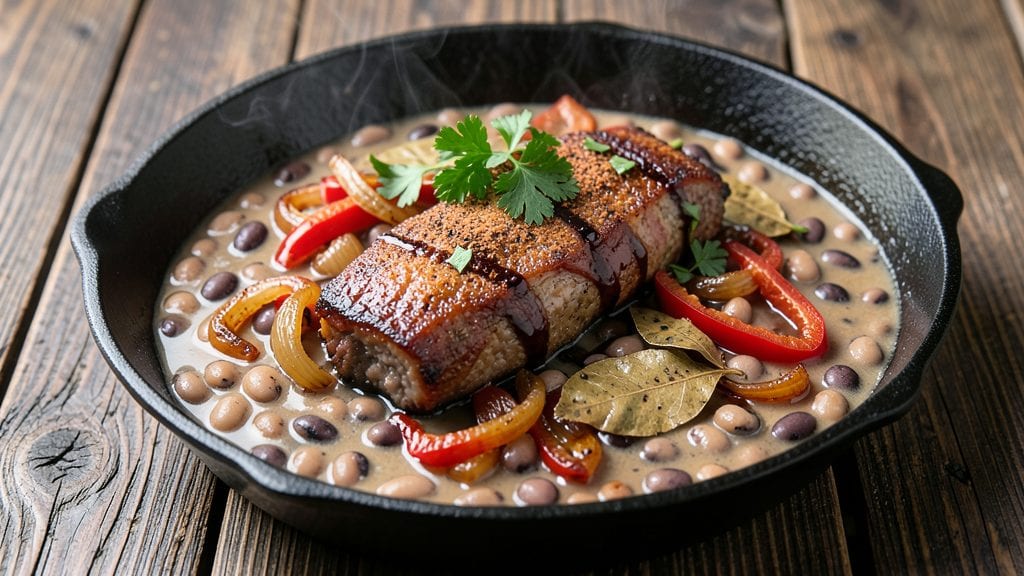
Paula Deen’s ham hock and beans recipe delivers the kind of smoky, soulful richness that turns a simple side dish into a centerpiece. The secret lies in slow-cooking the ham hock until the meat falls off the bone, infusing the beans with deep, savory flavor that’s impossible to resist.
This isn’t just a side—it’s a comforting, hearty dish that pairs perfectly with cornbread or buttery rice.
What sets this recipe apart is Paula Deen’s signature approach: rendering fat from the ham hock to create a luxuriously rich broth, then simmering dried beans until tender with aromatic spices like smoked paprika and bay leaves.
The process takes time—about 2 to 3 hours—but the result is worth every minute. Every bite is packed with bold, smoky depth that makes this dish unforgettable.
By the end, you’ll have a pot of tender, flavorful beans swimming in a velvety broth, their edges caramelized from slow cooking. The ham hock’s fat adds a buttery richness that elevates the dish beyond ordinary bean recipes, making it a staple for family gatherings or cozy weeknight dinners.
Serve it with crusty bread to soak up every last drop.
This recipe is all about precision and patience—skimming fat, simmering uncovered, and letting the flavors meld. It’s the kind of dish that tastes even better the next day, making it perfect for meal prep or holiday feasts. Let’s get started on creating Southern comfort at its finest.
Ingredients for paula deen ham hock and beans
Southern soul in every bite. Dried beans, a ham hock, and aromatic spices create this legendary comfort dish.
| Ingredient | Amount | Notes |
|---|---|---|
| Dried Navy Beans 🌱 | 2 cups | Rinsed thoroughly before soaking |
| Whole Ham Hock 🍖 | 1 piece | Bone-in, skin-on preferred |
| Smoked Paprika 🌶️ | 1 tbsp | For authentic Southern depth |
| Dried Bay Leaves 🍃 | 2 whole | Fresh bay preferred if available |
| Garlic Cloves 🧄 | 4 cloves | Peeled, rough chopped |
| Onion 🧅 | 1 whole | Yellow or white, diced |
| Salt 🧂 | 1 ½ tsp | Diamond Crystal kosher salt |
| Black Peppercorns 🌶️ | 1 tbsp | Whole, freshly ground |
| Apple Cider Vinegar 🍎 | 1 tbsp | For tenderizing beans |
| Water 💧 | 6 cups | For soaking and simmering |
| Unsalted Butter 🧈 | 2 tbsp | For finishing richness |
| Fresh Parsley 🌿 | ¼ cup | Chopped, for garnish |
The ham hock is non-negotiable for authentic Southern flavor—look for bone-in, skin-on cuts from specialty butchers or high-end grocery stores like Whole Foods. Costco often carries them pre-packaged, but inspect for vibrant color and minimal fat marbling. The dried navy beans should be firm, dry, and free of cracks—avoid any with a musty smell. For best results, soak overnight in cold water with a splash of apple cider vinegar to reduce cooking time and enhance tenderness.
No ham hock? Substitute 4 oz smoked pork shoulder for the meaty depth, though flavor won’t be identical. Fresh bay leaves can be used at half the quantity if dried leaves feel too strong. The smoked paprika is essential—Penzeys or McCormick brands provide consistent quality. For a quicker option, use canned navy beans (drained and rinsed), though texture won’t be as ideal. Always use kosher salt for precise seasoning control.
The ham hock fat renders beautifully during cooking—skim it daily to prevent greasiness while preserving flavor. Store beans in an airtight container in the fridge for 5-6 days or freeze for up to 3 months. The cooked ham hock can be refrigerated for 4 days or frozen for 6 months. For meal prep, portion the beans into containers and reheat with a splash of broth. Garnish with parsley just before serving to preserve its vibrant color.
Why You'll Love This Recipe
- Ham Hock Magic: That whole ham hock? It’s not just meat—it’s the secret weapon. The smoky depth from the skin-on ham infuses the beans like no other shortcut could. I’ll be real: the first time I tasted these, I forgot I was even hungry until the last bite.
- One-Pot, One-Lid Wonder: No chopping marathon here. Just one onion, four garlic cloves, and a quick dice—done. The beans handle the rest while you do life. My daughter picks out the parsley for garnish, but honestly, I’d eat it plain with a spoon.
- Budget-Friendly Feast: Two cups of dried navy beans stretch into a hearty meal that feeds four (or two hungry teens and me). The ham hock’s collagen turns into silky broth, so you’re not paying for meat—you’re paying for flavor. Leftovers? Even better the next day.
- Weeknight Hero: Simmer while you’re at work, or let it cook low and slow while you’re out with friends. The beans get tender but never mushy, thanks to that 2-minute vinegar soak. Serve with cornbread, and you’ve got a meal that feels fancy but takes less than 3 hours total.
Step-by-Step instructions for Paula Deen's ham hock and beans
This method delivers rich, smoky beans with melt-in-your-mouth texture and deep Southern flavor.
Prepare the Beans for Maximum Tenderness
Begin by rinsing the 2 cups dried navy beans under cold water in a fine-mesh strainer until the water runs clear. This removes surface debris that could make the beans bitter during cooking. Transfer the beans to a large pot and cover them with the 6 cups water by about 2 inches. Add the 1 tbsp apple cider vinegar and bring to a boil over high heat.
Once boiling, reduce heat to medium-low and simmer uncovered for 2 minutes. This quick soak helps remove any remaining impurities and prepares the beans for the long cook ahead. Drain the beans immediately and return them to the clean pot. Here's the thing—this initial preparation prevents the beans from becoming mushy later, ensuring they hold their shape beautifully.
Build the Flavor Base with Ham and Aromatics
Place the 1 whole ham hock in a large Dutch oven or heavy pot with a tight-fitting lid. Add the diced 1 onion and the 4 cloves rough-chopped garlic cloves. Pour in 4 cups fresh water (enough to cover everything by about 1 inch) and bring to a boil over high heat. Once boiling, reduce heat to low and add the 2 dried bay leaves and 1 tbsp smoked paprika.
Simmer gently for 30 minutes, allowing the ham to render its rich, smoky flavors into the liquid. This step develops the foundational taste that will carry through the entire dish. The ham should be partially submerged, with its juices infusing the aromatics and creating a fragrant broth. Don't skip this simmering time—it's where the magic begins.
Combine and Simmer to Perfection
After the initial simmer, add the drained 2 cups navy beans to the Dutch oven along with the remaining 2 cups water. Bring the mixture to a full boil, then reduce heat to low. Add the 1½ tsp salt and the 1 tbsp whole black peppercorns (they'll grind as they cook, distributing flavor evenly). The liquid should cover the beans by about 1 inch.
Cover the pot and simmer gently for 1 hour and 15 minutes. Stir occasionally to prevent the beans from sticking to the bottom. You'll notice the beans begin to soften and the liquid reduces slightly, concentrating the flavors. The ham should be falling off the bone by this point—use a slotted spoon to remove it when it's easily pulled apart, then shred the meat and return it to the pot.
Finish with Richness and Garnish
Continue simmering uncovered for an additional 30 minutes, allowing the liquid to reduce further and the flavors to deepen. The beans should be tender but still hold their shape with a slight bite. In the final 5 minutes, stir in the 2 tbsp unsalted butter, which will melt into the beans, adding a luxurious finish. Taste and adjust seasoning if needed—this is the moment that matters.
Remove from heat and let the beans rest for 10 minutes before serving. Garnish each serving with the ¼ cup chopped fresh parsley just before plating. The parsley adds a bright contrast to the rich, smoky flavors and makes the dish visually appealing. Serve immediately with crusty bread to soak up every last bit of that flavorful broth.
Pro Tips For Making Paula Deen Ham Hock And Beans
- Skim the Scum Early: After the beans boil for that 2-minute quick soak, skim off any foam that rises to the top—even if it’s just a little. I learned this the hard way: letting that gunk linger makes the beans taste bitter, no matter how much you rinse them first. Trust me, a 30-second skim now saves you from scraping off stubborn residue later.
- Don’t Crowd the Ham: When you’re simmering the ham hock with the onion and garlic in Step 2, make sure the ham is partially submerged but not buried. I used to drown it in water, thinking more liquid meant better flavor, but the skin stays tough and the broth turns watery. Keep that 1-inch cover rule—just enough to let the juices render without drowning the aromatics.
- Crush Those Peppercorns: Before adding the whole black peppercorns in Step 3, give them a quick smash with the flat side of a knife or a mortar and pestle. They’ll release their oils faster and distribute flavor more evenly instead of just floating like tiny bullets. (Yes, even if you’re impatient like me—it takes 10 seconds.)
- Save the Ham Broth: After shredding the ham hock in Step 3, don’t dump the strained broth—stash it in a jar. That golden liquid is liquid gold for reheating leftovers or turning into a quick gravy. I used to toss it, but now I keep it on hand for emergencies (or lazy weeknight dinners). Store it with the beans for up to 5-6 days.
Serving suggestions for paula deen ham hock and beans
Classic Southern Pairings
This dish shines when served alongside buttery cornbread—its sweet, crumbly texture soaks up every last drop of the smoky broth. I always bake a batch of Paula Deen’s homemade cornbread with just 1 tbsp honey and 1 tsp baking powder for the perfect balance.
The contrast between the rich beans and warm cornbread is pure Southern magic. 🍞
Rice as a Base
For a lighter option, serve the beans over long-grain white rice cooked in the ham hock broth instead of water. This method infuses the rice with deep, savory flavor while keeping the dish hearty.
I use 1 cup uncooked rice and 2 cups of the reduced broth from the beans. The result is a comforting, one-pot meal that feels like a hug in a bowl.
Garnish with Fresh Greens
Top each serving with thinly sliced red onions and fresh cilantro for a bright, fresh contrast to the rich beans. I like to add ¼ cup red onion slices and 2 tbsp chopped cilantro right before serving.
The acidity cuts through the fat, making every bite more balanced and exciting. This simple garnish elevates the dish from comforting to impressive.
Bread for Dipping
A crusty sourdough loaf or homemade biscuits is essential for soaking up the flavorful broth. I toast the bread lightly to add texture, then serve it alongside the beans.
For extra indulgence, add a pat of unsalted butter to the bread—it’s a match made in heaven with the buttery richness of the beans. 🍞✨
Holiday Feast Addition
This dish becomes a star at holiday tables when paired with mashed sweet potatoes and roasted Brussels sprouts. The sweetness of the potatoes and the earthy sprouts create a perfect balance with the smoky beans.
I always double the recipe for gatherings—everyone asks for seconds! The combination feels festive yet comforting, making it a crowd-pleaser every time.
Nutrition facts
Frequently asked questions
Why does this recipe use a ham hock instead of just pork or beef?
The ham hock adds unmatched depth with its rich, smoky fat and tender meat that falls off the bone. This creates a velvety broth that infuses the beans with authentic Southern flavor—something you just can't replicate with other cuts. The fat renders beautifully, adding luxurious richness that elevates the dish beyond basic beans.
Can I skip the quick soak for the dried beans?
While possible, the 2-minute quick soak with apple cider vinegar removes impurities and prevents bitterness. Skipping it may result in slightly tougher beans or a less flavorful broth. The soak also helps the beans absorb spices more evenly during cooking. Trust this step for perfect texture!
How do I know when the ham hock is fully cooked?
Check after 1 hour and 15 minutes of simmering—it should pull apart easily with a fork. The meat should be tender and the fat rendered out. If it resists, cook another 15 minutes, then shred and return it to the pot. Overcooking makes it dry, so remove it just before it falls apart.
What if I don't have a Dutch oven?
A heavy pot with a tight-fitting lid works perfectly fine. Just ensure it's thick enough to handle prolonged simmering without warping. The key is maintaining gentle heat—use the back burner and avoid high heat to prevent scorching. The beans will still turn out tender and flavorful!