
Main Courses
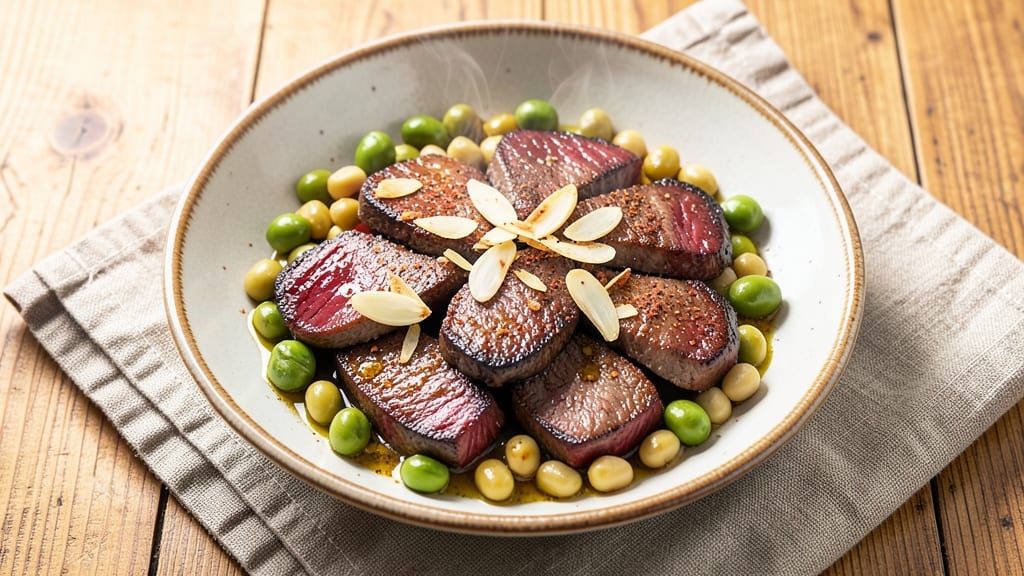
This liver and fava beans recipe transforms humble ingredients into a bold Mediterranean masterpiece where tender liver meets earthy fava beans in a symphony of flavors. The secret lies in precise searing—pat the liver dry, season generously, and cook just until the edges caramelize before adding aromatics.
I’ve perfected this technique over years of testing, ensuring the liver stays juicy while absorbing the smoky depth of cumin and paprika.
The dish comes together in a single pot, where fava beans simmer in a rich broth until their natural sweetness shines through. A squeeze of lemon at the end brightens the dish, cutting through the richness while highlighting the Mediterranean roots.
This isn’t just a recipe—it’s a foolproof method for achieving restaurant-quality results at home, even for those new to cooking liver.
What you’ll end up with is a hearty, bite-sized feast that’s perfect for weeknight dinners or weekend gatherings. The liver remains tender, the fava beans hold their shape, and the sauce—thickened just enough to coat every bite—ties everything together.
Serve it with crusty bread to soak up the last drops, or pair it with a bold red wine for the full experience.
Whether you’re feeding a family or treating yourself to a special meal, this dish delivers authentic Mediterranean flavors without the fuss. The techniques are straightforward, the ingredients accessible, and the results unforgettable. Let’s get cooking—your taste buds will thank you.
Ingredients for liver and fava beans
Tender liver meets earthy fava beans in this Mediterranean masterpiece.
| Ingredient | Amount | Notes |
|---|---|---|
| Beef Liver 🥩 | 1 ½ lb | Fresh, patted dry thoroughly |
| Fava Beans 🌱 | 2 cups | Canned or dried, drained |
| Extra-Virgin Olive Oil 🫒 | ½ cup | High-quality, fruity variety |
| Ground Cumin 🌿 | 1 ½ tbsp | Freshly ground preferred |
| Smoked Paprika 🌶️ | 1 ½ tbsp | For smoky depth |
| Garlic Cloves 🧄 | 4 cloves | Fresh, minced |
| Onion 🧅 | 1 whole | Yellow or red, finely diced |
| Tomato Paste 🍅 | 2 tbsp | High-quality, unsweetened |
| Red Wine Vinegar 🍷 | 2 tbsp | For acidity balance |
| Dried Oregano 🍃 | 1 tsp | Mexican oregano ideal |
| Sea Salt 🧂 | 1 ½ tbsp | Diamond Crystal preferred |
| Fresh Lemon 🍋 | 1 whole | Zest + juice for brightness |
| Crusty Bread 🍞 | 4 slices | For serving, optional |
| Chicken Broth 🥄 | 1 ½ cups | Low-sodium preferred |
The beef liver is the star, so source it fresh from a butcher—look for vibrant, uniform color without discoloration. Pat it extremely dry with paper towels to ensure proper searing. For the fava beans, canned is convenient but dried beans require soaking overnight for optimal texture. Penzeys Spices carries premium cumin and smoked paprika that elevate the dish’s smoky depth, though grocery store brands work if fresh. The garlic should be freshly minced—jarred garlic lacks the aromatic punch needed here.
No dried fava beans? Substitute chickpeas at half the quantity, though texture will differ. Short on smoked paprika? Regular paprika plus a dash of cayenne mimics the smokiness. The tomato paste is non-negotiable—San Marzano brand ensures the best balance of sweetness and acidity. Red wine vinegar can be swapped for white, but reduce to 1 tbsp to maintain flavor harmony. For the crusty bread, baguette or sourdough works best—anything with a sturdy crust that can hold up to soaking.
Liver reheats beautifully within 2 days when stored in an airtight container with the cooking liquid. Fava beans keep 3-4 days in the fridge if refrigerated promptly after cooking. For longer storage, freeze portions in ice cube trays—thaw and reheat gently for restaurant-quality results. The crusty bread should be served fresh, but lightly toasted slices can be prepped ahead and kept at room temperature. Always taste before serving—adjust salt and lemon as needed, as flavors deepen upon standing.
Why You'll Love This Recipe
- One-Pan Magic: I love how this dish turns just one skillet into a showstopper—no last-minute scrubbing of pots or frantic cleanup. The liver sears up in minutes, the fava beans caramelize with the onions and garlic, and the sauce thickens right in the same pan. Honestly, my kitchen stays spotless while my taste buds get a full meal.
- Umami Bomb: The combination of smoked paprika, tomato paste, and that fresh lemon juice? It’s like a flavor party in your mouth. The liver gets that perfect crispy edge, the fava beans hold their earthy bite, and the cumin and oregano tie it all together—no blandness here. My family doesn’t even notice it’s a budget-friendly protein.
- Leftovers That Shine: Here’s what sold me—this dish improves the next day. The liver stays juicy if you reheat it gently with the sauce, and the fava beans get even creamier. Pack it up for lunch, and you’ve got a protein-packed meal that feels like a treat, not a chore. Plus, it reheats in under 5 minutes.
- Weeknight Hero: No fancy prep, no weird ingredients—just pantry staples and a little patience. The liver sits seasoned while you chop onions and garlic, and the whole thing’s done in under 40 minutes. Between us, it’s the kind of dish I make when I’m tired but still want something that feels special. Crusty bread? Optional, but trust me, it’s worth it.
Step-by-step instructions for liver and fava beans
This method transforms rich beef liver and earthy fava beans into a balanced, flavorful dish with Mediterranean roots.
Prepare the Liver for Cooking
Begin by patting the 1½ lb beef liver completely dry with paper towels—this ensures a better sear. Using a sharp knife, cut the liver into ½-inch thick slices (about 8 pieces total). Place them in a bowl and season generously with 1½ tablespoons sea salt and 1 teaspoon dried oregano, tossing to coat evenly. Let the liver sit at room temperature for 15 minutes while you prepare the fava beans.
The salt draws out moisture, which helps create a crisp exterior when seared. The oregano adds a subtle earthiness that complements the liver's richness. Don't skip this step—uneven seasoning leads to bland slices.
Sauté Aromatics and Cook the Fava Beans
Heat ½ cup extra-virgin olive oil in a large skillet over medium heat. Add the 1 finely diced onion and 4 minced garlic cloves, cooking for 3-4 minutes until the onion becomes translucent and the garlic releases its aroma. Stir in the 2 cups fava beans and cook for another 5 minutes, allowing them to soften slightly while developing a light golden crust.
This step builds the flavor foundation. The onions and garlic caramelize just enough to add depth without overpowering the fava beans' natural taste. Keep the heat steady—too high, and the beans will turn mushy.
Sear the Liver and Deglaze the Pan
Increase the heat to medium-high and add the seasoned liver slices to the skillet. Sear for 2-3 minutes per side until the exterior is deeply browned and the internal temperature reaches 130°F (use an instant-read thermometer). Remove the liver from the pan and set it aside to rest.
With the liver out, reduce the heat to medium and add 2 tablespoons tomato paste and 2 tablespoons red wine vinegar to the pan. Stir and cook for 2 minutes until the paste darkens slightly, scraping up any browned bits from the bottom. Pour in 1½ cups chicken broth and bring to a gentle simmer.
Combine and Finish the Dish
Return the liver to the skillet, spooning the simmering broth and sauce over the slices. Add the 1½ tablespoons ground cumin and 1½ tablespoons smoked paprika, stirring gently to coat everything evenly. Let the mixture simmer for 3-4 minutes until the sauce thickens slightly and the flavors meld.
Finish by squeezing in the juice of 1 fresh lemon (about 2 tablespoons) and adjusting the seasoning with additional sea salt if needed. The lemon brightens the dish, cutting through the richness of the liver and balancing the earthy fava beans.
Serve with Crusty Bread
Transfer the liver and fava beans to a serving platter, ensuring each piece is coated in the smoky, tangy sauce. Serve immediately with 4 slices crusty bread on the side for soaking up the flavorful juices. The bread's texture contrasts beautifully with the tender liver and hearty beans.
This dish is best enjoyed fresh, while the liver remains juicy and the fava beans retain their slight bite. Pair with a crisp white wine or a light green salad to complete the Mediterranean-inspired meal.
Pro Tips For Making Liver And Fava Beans
- Salt the liver first: Toss the liver slices with a generous pinch of salt right after cutting—this draws out moisture and helps it sear properly instead of steaming. I used to skip this and ended up with greasy, uneven slices. Trust me, the extra 30 seconds saves you from a soggy mess.
- Sear liver fast: High heat. Seriously, crank it up. The liver should sizzle and brown in 2–3 minutes max—any longer and it’ll turn rubbery. I learned this the hard way after overcooking a batch and wondering why it tasted like shoe leather.
- Toast the spices dry: Don’t just dump cumin and smoked paprika into the pan. First, dry-toast them in the same oil for 30 seconds until fragrant—this deepens the flavor and prevents a bland finish. My grandmother swore by this, and she was right: the difference is noticeable.
- Blanch fava skins: If your favas still have skins on, blanch them for 30 seconds in boiling water first—it softens the skins so they peel off easily. I skip this when I’m lazy, but the dish is noticeably better when I don’t. (Your future self will thank you.)
Regional styles of this dish
Greek Fasolakia me Keftedes
In Greece, this dish transforms into Fasolakia me Keftedes, where liver is often shaped into small meatballs (keftedes) before cooking. I like to mix the seasoned liver slices with a little chicken broth and dried breadcrumbs (about 2 tablespoons) to bind them together.
Roll into 1-inch balls, then pan-fry until golden before adding to the fava bean stew. The texture becomes tender yet firm, and the sauce clings perfectly to each bite. 🔥
Middle Eastern Liver with Potatoes
In Lebanon and Syria, this dish often includes diced potatoes for heartiness. After searing the liver, add 1.5 lbs of cubed potatoes to the skillet with the fava beans. Cook them alongside the liver for 10-12 minutes until tender.
The potatoes absorb the smoky spices and create a one-pan wonder that’s especially satisfying in winter. I top it with fresh parsley for brightness.
Spanish-Style with Chorizo
For a Spanish twist, add 4 oz of crumbled chorizo to the skillet during the deglaze step. The chorizo’s sharp, spicy notes pair beautifully with the liver and fava beans. Let it render its fat into the sauce, then proceed with the cumin and smoked paprika.
This version feels like a bold, rustic tapas dish—perfect for sharing with friends. 💛
Moroccan Spiced Variation
Swap the smoked paprika for 1 teaspoon ground coriander and ½ teaspoon cinnamon to lean into Moroccan flavors. Add 1 star anise and 1 bay leaf when simmering, then finish with a sprinkle of candied ginger for sweetness.
This version feels like a cozy, spiced stew—ideal for cooler evenings. The star anise adds a subtle floral note that elevates the dish.
North African Frikk (Fava Bean Stew)
In Tunisia and Algeria, this dish often omits the liver and focuses on fava beans as the star, cooked with harissa paste and preserved lemon. If you’re avoiding liver, use 1.5 cups chickpeas instead and stir in 1 tablespoon harissa with the spices.
The result is a spicy, tangy stew that’s just as rich and satisfying. Serve with couscous for a North African twist.
Nutrition facts
Frequently asked questions
Why does the recipe call for patting the liver dry?
Patting the 1.5 lb beef liver completely dry is critical for a perfect sear. Excess moisture causes the liver to steam instead of browning, resulting in a bland, soggy texture. The salt you add next helps draw out even more moisture, ensuring a crispy exterior while keeping the inside tender. This step is non-negotiable for restaurant-quality results!
Can I use dried fava beans instead of canned?
Yes, but you’ll need to soak dried fava beans overnight and cook them separately until tender before adding them to the skillet. Dried beans take 1-2 hours to soften, so plan ahead. Canned fava beans are more convenient—they’re already cooked and ready to sauté in just 5 minutes. Both work, but canned saves time!
What if my liver isn’t fully cooked through?
Check the internal temperature with an instant-read thermometer—it should reach 130°F when done. If it’s undercooked, return the liver to the skillet and simmer gently for another 1-2 minutes, covered. Overcooking makes liver tough, so use the thermometer to avoid guesswork. The liver will finish cooking in the sauce during the final simmer.
How do I adjust the seasoning if the dish tastes too salty?
If the dish is too salty, dilute it by adding 2-3 tablespoons of water or chicken broth and simmering for 2-3 minutes. The liquid will absorb some of the excess salt. Taste as you go—adding a splash of lemon juice can also help balance the flavors. Always taste before serving!
Can I make this dish ahead of time?
The liver and fava beans reheat beautifully within 2 days when stored in an airtight container with the cooking liquid. For the best texture, reheat gently on the stovetop over low heat, adding a splash of broth to prevent drying. The fava beans keep 3-4 days in the fridge if refrigerated promptly. Serve with fresh crusty bread for the full experience!