
Sauces & Condiments
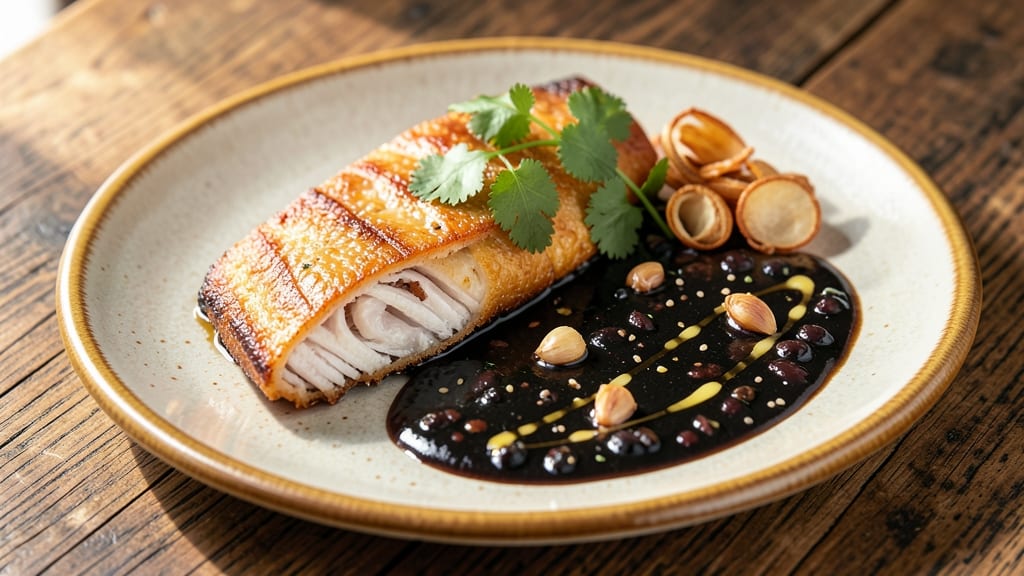
This fried fish with black bean sauce recipe promises the perfect harmony of crispy, golden fillets and a deep, umami-rich sauce that turns a simple meal into something truly restaurant-worthy.
The secret lies in properly prepping the fish—patting it dry and seasoning it just before frying—to lock in that signature crunch while keeping the inside tender.
I developed this recipe after years of testing different black bean sauces, and the one here uses a simple blend of canned black beans, garlic, and spices that simmer into a velvety, slightly sweet glaze.
The black bean sauce is where the magic happens—it’s thickened just enough to cling to the fish without overwhelming its natural flavor, and the reduction process concentrates the flavors into every bite.
What makes this recipe stand out is the technique: frying the fish in small batches ensures even cooking, while the sauce is built in stages to avoid breaking. The result?
A dish that’s crispy on the outside, tender on the inside, and drizzled with a sauce that’s both savory and subtly sweet.
Serve this over steamed jasmine rice or with a simple coleslaw for a complete meal that’s hearty yet balanced. The sauce pairs beautifully with the crispy fish, and the contrast of textures—crunchy fillets, creamy sauce, and cool slaw—makes every bite satisfying.
Whether you’re cooking for a weeknight dinner or a special occasion, this recipe delivers professional-quality results with minimal effort.
For best results, use fresh, high-quality fish fillets and let the sauce simmer until it thickens naturally. The key to crispy fish is patience—don’t rush the frying, and keep the oil at a consistent temperature.
Once you master this technique, you’ll never go back to store-bought sauces or soggy fish again.
Ingredients for fried fish with black bean sauce
Crispy fish fillets meet velvety black bean sauce. Just a few pantry staples transform into restaurant-quality bites.
| Ingredient | Amount | Notes |
|---|---|---|
| White Fish Fillets 🐟 | 1 ½ lb | Cod, tilapia, or catfish preferred |
| All-Purpose Flour 🌾 | 1 cup | For dredging fish fillets |
| Cornstarch 🌽 | ¼ cup | For extra crispiness |
| Vegetable Oil 🫒 | 3 cups | For frying, high smoke point |
| Canned Black Beans 🫘 | 1 can | 15 oz can, drained and rinsed |
| Garlic Cloves 🧄 | 6 cloves | Minced for sauce |
| Yellow Onion 🧅 | 1 whole | Diced, medium size |
| Fresh Ginger 🌿 | 1 tbsp | Grated, or 1 tsp ground |
| Soy Sauce 🍶 | ½ cup | Light or regular preferred |
| Honey 🍯 | 1 tbsp | For subtle sweetness |
| Lemon Juice 🍋 | 2 tbsp | Freshly squeezed |
| Salt 🧂 | 1 ½ tsp | Kosher or sea salt |
| Ground Black Pepper 🌶️ | ½ tsp | Freshly ground preferred |
| Jasmine Rice 🍚 | 2 cups | Uncooked, for serving |
| Vegetable Oil 🫒 | ½ cup | For rice cooking |
The fish quality makes all the difference here. Look for fresh, firm fillets at your local seafood counter—Whole Foods or Costco carry reliable options. Tilapia stays crispy best, but cod or catfish work too. Pat them bone-dry before dredging, and don't skip the cornstarch—it's what gives that signature crunch. The black beans should be low-sodium if using canned, or dried if you prefer to soak them overnight. Trader Joe's has excellent canned options that save time without sacrificing flavor.
No cornstarch? Extra flour works in a pinch, but you'll lose some crispiness. Fresh ginger is ideal, but ground ginger at half the amount gets you close. The soy sauce can be tamari for gluten-free, or coconut aminos for a lighter profile. Want more depth? Add 1 tsp fish sauce to the sauce. For the rice, jasmine rice is non-negotiable—it's the only variety that absorbs the sauce properly. Short on time? Pre-cook the rice while you fry the fish and make the sauce—it's the most efficient order.
The fried fish stays crispy for about 20 minutes if kept warm in a 200°F oven. Sauce reheats beautifully—simmer on low heat with a splash of water if it thickens too much. Portion the sauce into small containers to freeze for up to 3 months. The rice keeps for 3 days in the fridge, but I always make extra—it's perfect for lunch the next day. Store the fried fish separately to maintain that crunch.
Why You'll Love This Recipe
- No-Fuss Crunch: I swear by how little work this dish actually is. Just pat the fish dry, dredge it in that flour-cornstarch mix (the cornstarch is the secret to that crispy edge), and fry it in batches. The sauce comes together while the fish rests—minced garlic and ginger sizzling in oil while you wait. Honestly, the hardest part is resisting eating the sauce straight from the pan.
- Umami Bomb: That black bean sauce? It’s the kind of flavor that makes you pause and say, "Yes." The soy sauce and honey balance the tang of lemon juice, while the ginger and garlic give it depth. The crispy fish soaks up every bit of that creamy, savory sauce—no soggy bits, just pure satisfaction. My daughter picks out the black beans from the can, but she still asks for seconds.
- Weeknight Hero: This isn’t fancy, but it’s exactly what you need after a long day. The rice cooks while the fish fries, and the sauce simmers in the background. Leftovers? The rice keeps for days, and the sauce freezes beautifully—just reheat and drizzle. I’ve served it for date night (when I’m feeling ambitious) and as a lazy Sunday dinner. It’s that reliable.
- Budget-Friendly Feast: You’re getting crispy fish, hearty rice, and a rich sauce for less than most takeout orders. The canned black beans and simple pantry staples keep costs low, but the flavors? Nothing cheap about them. Plus, the cornstarch trick means you don’t need expensive flour blends—just all-purpose and a little patience. It’s the kind of dish that stretches your ingredients without sacrificing taste.
Step-by-step instructions for crispy fried fish with black bean sauce
Here's the method to achieve perfectly golden, shatteringly crisp fish paired with a rich, umami-packed bean sauce.
Prepare the Fish for Frying
Pat the 1½ lb white fish fillets dry with paper towels, pressing firmly to remove all moisture. This step is crucial—wet skin prevents crispiness. Place the fillets on a plate and season both sides generously with 1½ tsp salt and ½ tsp ground black pepper. Let them rest for 10 minutes while you prepare the dredge.
In a shallow bowl, whisk together 1 cup all-purpose flour and ¼ cup cornstarch. This combination creates a lighter, crispier coating than flour alone. I like to add a pinch of extra salt to the mixture to enhance flavor. The cornstarch absorbs moisture from the fish, ensuring a crunchy exterior rather than a soggy one.
Fry the Fish to Golden Perfection
Heat 3 cups vegetable oil in a deep skillet over medium-high heat until it reaches 350°F on a thermometer. The oil should shimmer gently but not smoke excessively. Dip each fish fillet into the flour-cornstarch mixture, pressing lightly to adhere the coating evenly. Shake off any excess.
Carefully slide the coated fillets into the hot oil, working in batches if needed to avoid overcrowding. Fry for 3-4 minutes per side until the coating turns a deep golden brown and the fish flakes easily with a fork. You'll know it's ready when the edges look crisp and the center is just opaque. Transfer to a paper towel-lined plate to drain excess oil and keep warm.
Make the Black Bean Sauce
In a medium saucepan, heat ½ cup vegetable oil over medium heat. Add the diced 1 yellow onion and cook for 5 minutes until softened. Add the minced 6 cloves garlic and grated 1 tbsp fresh ginger, cooking for another 1 minute until fragrant. This step builds the aromatic foundation of the sauce.
Add the drained 1 can black beans, breaking them up with a wooden spoon. Stir in ½ cup soy sauce, 1 tbsp honey, and 2 tbsp lemon juice. Bring to a gentle simmer and cook for 8-10 minutes, stirring occasionally, until the sauce thickens slightly. The sauce should coat the back of a spoon but remain smooth. Taste and adjust seasoning with additional salt or pepper if needed.
Cook the Jasmine Rice
Rinse 2 cups jasmine rice under cold water until the water runs clear. This removes excess starch and prevents gummy rice. In a medium pot, combine the rice with 2 cups water (or follow package instructions) and bring to a boil. Add ½ cup vegetable oil to the pot—this creates steam that makes the rice fluffier and each grain distinct.
Reduce heat to low, cover tightly with a lid, and simmer for 15 minutes. Then turn off the heat and let the rice steam undisturbed for another 10 minutes. Fluff gently with a fork before serving. The rice should be tender with a slight bite, not mushy.
Assemble and Serve
To serve, place a portion of the jasmine rice on each plate. Top with a fried fish fillet and generously drizzle with the black bean sauce. The contrast of crispy fish, creamy rice, and rich sauce creates a perfect balance of textures and flavors. Serve immediately while the fish is still crisp and the sauce is warm.
For extra brightness, squeeze a little fresh lemon juice over the top or garnish with chopped green onions if available. The sauce will thicken slightly as it cools, but a quick stir with a splash of water will restore its ideal consistency.
Pro Tips For Making Fried Fish With Black Bean Sauce
- Test Oil Temp: I used to fry fish that came out greasy or pale because I eyeballed the oil temperature. Grab that thermometer—350°F is non-negotiable. If it’s too cool, the coating soaks up oil like a sponge; too hot, and you’ll burn the outside before the inside cooks. That shimmering, gentle ripple? That’s your sweet spot. (Yes, even if you’re impatient like me.)
- Mince Garlic Fine: The recipe says “minced,” but I’ve learned the hard way—tiny, almost paste-like pieces dissolve into the sauce instead of clumping. Use the flat side of your knife to press down hard on the cloves before mincing, or pulse them in a food processor for a second. You’ll taste the difference when the sauce sings instead of just hints at garlic.
- Don’t Rush the Sauce: Skipping the 8–10 minute simmer for the black bean sauce is how you end up with a watery glop. Let it bubble gently—the beans break down and release starch, which thickens the sauce naturally. Stir occasionally, but don’t fuss. If it’s still thin after 10 minutes, add a splash of cold water, stir, and let it reduce again. Patience here makes the sauce cling to the fish like it’s supposed to.
- Salt Rice Water: The rice step already includes oil for fluffiness, but add a pinch of salt to the cooking water too—about ½ teaspoon. It’s easy to overlook, but it rounds out the flavor of the jasmine rice so it doesn’t taste bland under the rich sauce. Trust me, your first bite will feel like cheating.
Make-ahead tips for this fried fish with black bean sauce
Prep Ahead for Efficiency
Start by prepping the fish fillets and sauce ingredients the night before. Pat the 1.5 lb white fish fillets dry and season them with 1.5 tsp salt and 0.5 tsp pepper, then refrigerate them uncovered on a wire rack for 1 hour.
This chilling step ensures they fry up extra crispy. Store the diced 1 whole onion, minced 6 garlic cloves, and grated 1 tbsp ginger in separate airtight containers—these aromatics stay fresh for 3-4 days in the fridge. 💡
Sauce Prep Strategy
Make the black bean sauce first and refrigerate it uncovered. After simmering for 8-10 minutes, let it cool completely before transferring it to a sealed container. The sauce will keep for 4 days in the fridge and freezes beautifully for 3 months.
I like to reheat it on low heat with a splash of water to restore its smooth consistency. This saves time on busy nights.
Rice Cooking Hack
Rice is the perfect make-ahead component. Rinse and soak the 2 cups jasmine rice overnight—this reduces cooking time by 10-15 minutes. Cook the rice as directed, then spread it on a tray to cool quickly.
Store in an airtight container for up to 3 days. The day you serve, just reheat it in a dry pan over medium-low heat for 2 minutes to revive its texture. 🍚
Fish Prep Timing
If you're short on time, prep the fish the morning of cooking. Mix your 1 cup flour and 0.25 cup cornstarch dredge in advance and store in a sealed bag. When ready to fry, simply dip the fillets and cook immediately.
Keep the oil at 350°F throughout—this consistency is key for even crispiness. I always fry the fish last since it cooks fastest and needs to stay hot.
Assembly Timeline
Organize your serving components in this order: cook rice first (it takes longest), then make sauce, and finish with the fish. Assemble plates just before serving to maintain the fish's crispness.
Arrange rice on plates, drizzle with warmed sauce, and add the fish right before guests sit down. This keeps everything looking fresh and appetizing. 🍽️
Nutrition facts
Frequently asked questions
Why does my fried fish turn out greasy instead of crispy?
Greasy fish usually means the oil temperature was too low or the fillets weren't completely dry before frying. Always pat the 1.5 lb white fish fillets bone-dry with paper towels and maintain 350°F oil temperature. Overcrowding the pan also lowers oil temp—fry in batches for perfect crispiness. The cornstarch in your dredge helps too, absorbing moisture for that signature crunch.
Can I make the black bean sauce ahead of time?
The sauce tastes even better made a day ahead. After simmering for 8-10 minutes, let it cool completely then refrigerate. It keeps for 4 days in the fridge and freezes beautifully for 3 months. Just reheat on low with a splash of water to restore its smooth consistency. The flavors deepen overnight!
What's the best way to reheat the fried fish without making it soggy?
Reheat gently to preserve that crispy texture. Place the fish on a wire rack over a baking sheet and warm in a 200°F oven for 10-15 minutes. Avoid microwaving—it steams the coating. For extra crispiness, sprinkle with a little cornstarch before reheating. Serve immediately with warmed sauce.
Can I use frozen black beans instead of canned?
Yes, but thaw them first! Use 1 cup frozen black beans (that's about 1.5 cups thawed) and drain any excess liquid before adding to the sauce. Frozen beans work well but may make the sauce slightly thicker—add 1-2 tbsp water if needed during simmering. The flavor remains rich and umami-packed!