
Sauces & Condiments
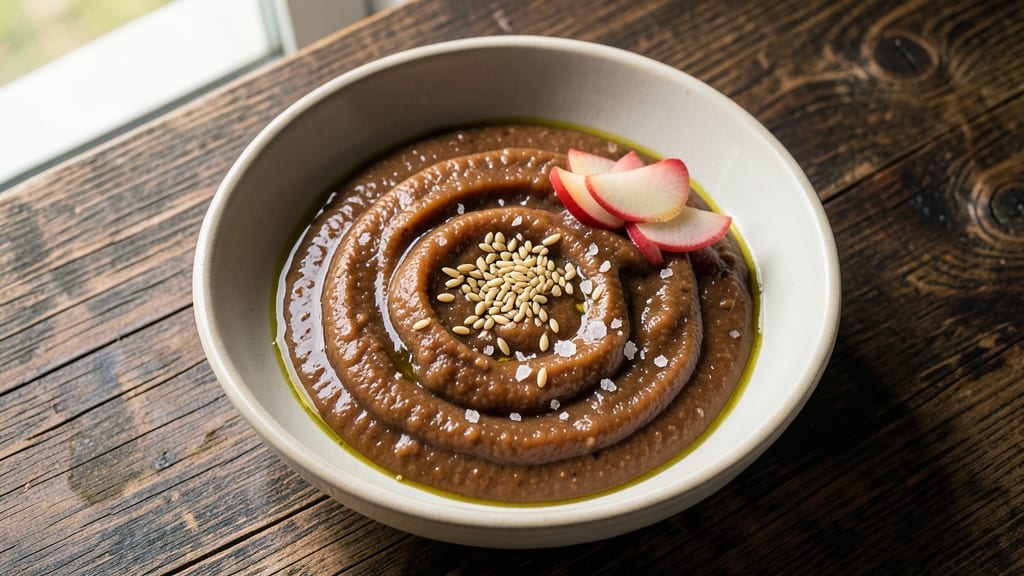
Creating a fermented red bean paste unlocks a world of umami depth that transforms ordinary dishes into extraordinary ones. This traditional technique preserves red beans while developing complex, savory flavors perfect for spreads, stir-fries, or dumpling fillings.
The process requires patience—beans ferment for at least 7 days—but the result is a versatile, vegan-friendly condiment with restaurant-quality richness.
The foundation of this recipe lies in proper fermentation: red beans are soaked, salted, and left to develop their signature tangy, funky profile. Unlike quick sauces, this method builds flavor gradually, rewarding you with a spreadable paste that clings to noodles or enhances any savory dish.
Professional chefs rely on this technique to elevate simple ingredients into something truly special.
Once fermented, this paste delivers intense umami that works as a condiment, stir-fry base, or even a glaze for proteins. The texture becomes smooth and spreadable after blending, making it ideal for quick weeknight meals or gourmet applications.
With proper storage, it keeps for months, ensuring you always have a flavor powerhouse on hand.
Whether you're exploring traditional Asian cuisine or simply seeking a vegan-friendly umami boost, this fermented paste is a game-changer. The process is straightforward but requires attention to detail—especially during fermentation and storage. Let’s get started on creating your own batch of this deeply flavorful condiment.
Ingredients for fermented red bean paste
A precise blend of fermented beans and aromatic accompaniments creates this umami-rich condiment.
| Ingredient | Amount | Notes |
|---|---|---|
| Dried Red Adzuki Beans 🌱 | 2 cups | Rinsed thoroughly before soaking |
| Non-Iodized Sea Salt 🧂 | ½ cup | Diamond Crystal preferred |
| Filtered Water 💧 | 6 cups | Room temperature preferred |
| Raw Sesame Seeds 🌰 | ¼ cup | Toasted for enhanced aroma |
| Extra-Virgin Olive Oil 🫒 | ¼ cup | Cold-pressed for fermentation |
| Fresh Ginger Root 🧅 | 1 inch | Peeled, thinly sliced |
| Garlic Cloves 🧄 | 4 cloves | Peeled, lightly crushed |
| Asian Pear or Apple 🍎 | 1 medium | For natural acidity balance |
| Dried Shiitake Mushrooms 🍄 | 2 whole | Rehydrated for umami depth |
| Tofu Skin (optional) 🧈 | 1 sheet | For texture enhancement |
The quality of your dried red adzuki beans is paramount—organic or heirloom varieties from Asian markets or specialty grocers yield superior results. Look for beans with a deep maroon hue and minimal blemishes. Costco or Whole Foods often carry high-quality options, though traditional Chinese grocery stores may offer more authentic selections. The non-iodized sea salt should be coarse-grained for optimal fermentation dynamics; Diamond Crystal is the professional standard. Pre-soaking the beans for 8-12 hours reduces fermentation time by 24 hours—a critical time-saver for busy kitchens.
Substitutions must preserve the delicate fermentation balance. Red kidney beans can replace adzuki at a 1:1 ratio, though texture will differ slightly. For acidity adjustments, lemon juice or rice vinegar may substitute the Asian pear, though fresh fruit provides natural enzymes that accelerate fermentation. The shiitake mushrooms can be omitted entirely, but their umami contribution is irreplaceable—dried porcini mushrooms make a suitable alternative if unavailable. When blending, add olive oil gradually to prevent separation; the final consistency should resemble thick hummus rather than a runny paste.
Fermented paste reaches peak flavor after 10-14 days at room temperature, though it remains safe for 3 months when refrigerated. For long-term storage, divide into glass jars with airtight lids and submerge completely in brine or olive oil to prevent mold. The paste freezes beautifully for up to 6 months, though texture may soften slightly. Always taste before discarding—even after months, properly fermented paste retains its complex flavor profile, making it a pantry staple worth preserving.
Why You'll Love This Recipe
- Lazy Genius Hack: I don’t know about you, but I’m done with recipes that require hours of babysitting. This one’s unfussy—just soak the beans overnight while you sleep, then let them ferment for five days while you live your life. The ginger, garlic, and shiitake mushrooms do all the heavy lifting, so you’re basically just stirring and waiting. My daughter even helps (she loves crushing the garlic cloves—very satisfying).
- Umami Bomb: Honestly, the flavor progression is next-level. Start with a mild, earthy sweetness, then watch it transform into something tangy and complex—like a cross between miso and a perfectly fermented kimchi. That extra-virgin olive oil? It keeps everything moist and rich, while the toasted sesame seeds add a nutty crunch that ties it all together. I’ll be real: one bite and you’ll forget store-bought spreads exist.
- The Ultimate Meal Multiplier: This paste isn’t just for breakfast toast—it’s my secret weapon. Slap it on sandwiches, stir it into soups, or dollop it over grilled fish for a fermented depth that’s chef’s kiss. Leftovers? They don’t exist because it tastes even better the next day. I keep a jar in the fridge and pull it out whenever I need a flavor boost. My roommates don’t even ask what’s in it; they just devour it.
- Budget-Friendly Luxury: Forget pricey condiments—this recipe turns cheap dried beans and pantry staples into something ridiculously good. The non-iodized sea salt and olive oil might seem like splurges, but they’re worth it for the depth they add. And since it keeps for months (or freezes like a dream), you’ll make it once and never buy store-bought again. My wallet—and my taste buds—thank me.
Step-by-step instructions for fermented red bean paste
This method transforms simple ingredients into a complex, umami-rich paste through controlled fermentation.
Prepare and Soak the Dried Red Adzuki Beans
Place the 2 cups dried red adzuki beans in a large bowl and rinse thoroughly under cold running water for 2 minutes to remove any debris. Transfer them to a fermentation vessel or clean glass jar with a lid. Add 6 cups filtered water at room temperature and let soak for 12 hours at 70-75°F. The beans should absorb water and swell noticeably, though they won't fully soften.
Here's the thing—proper hydration is critical. After soaking, drain and rinse the beans again to remove any surface starch. This prevents unwanted fermentation on the exterior while allowing controlled development inside. The room temperature water ensures even hydration without shocking the beans.
Create the Fermentation Base with Aromatics and Salt
In a separate bowl, combine the ½ cup non-iodized sea salt, ¼ cup extra-virgin olive oil, 1 inch peeled and thinly sliced fresh ginger root, 4 peeled and lightly crushed garlic cloves, and 2 rehydrated dried shiitake mushrooms (soaked in warm water for 30 minutes). Mash the mushrooms slightly to release their umami-rich juices. Add the 1 medium asian pear or apple, cored and finely diced, for natural acidity balance.
The salt acts as a preservative while enhancing flavor development. The olive oil creates a protective layer that helps maintain moisture during fermentation. The ginger and garlic introduce antimicrobial properties that support safe fermentation, while the shiitake mushrooms contribute deep umami complexity. The pear or apple provides the necessary acidity to prevent bacterial growth while promoting lactic acid fermentation.
Combine and Ferment the Mixture
Drain the soaked red adzuki beans thoroughly and add them to the bowl with the aromatic mixture. Stir well to ensure even distribution of all components. Transfer the mixture to a fermentation vessel or airtight glass jar, pressing down gently to eliminate air pockets. Leave 1 inch of headspace at the top to allow for expansion.
Cover the jar loosely (either with a breathable lid or cloth secured with a rubber band) and ferment at 70-75°F for 5-7 days. You'll notice effervescence and a slight tang developing as lactic acid fermentation progresses. Stir the mixture daily to prevent mold growth and ensure even fermentation. The paste should gradually thicken and develop a rich, earthy aroma.
Incorporate Texture Elements and Finalize
After fermentation, remove the jar from the fermentation environment. Toast the ¼ cup raw sesame seeds in a dry skillet over medium heat for 2-3 minutes until golden and fragrant, then cool completely. If using, cut the 1 sheet tofu skin into small squares or strips for texture enhancement.
Add the toasted sesame seeds and tofu skin (if using) to the fermented bean mixture. Stir thoroughly to distribute evenly. The sesame seeds contribute nutty depth while adding a pleasant crunch. The tofu skin, if included, provides a delicate, silky texture that contrasts beautifully with the thick paste. Transfer the finished paste to clean jars for storage.
Store and Use the Fermented Paste
Store the fermented red bean paste in the refrigerator for up to 3 months. The flavor will continue developing over time, becoming more complex with each week of storage. When ready to use, remove only what you need to maintain freshness. This paste works beautifully as a spread on toast, mixed into stir-fries for umami depth, or blended into dressings for a fermented kick.
For best results, let the paste come to room temperature before using in cooking applications. The texture will be thick but spreadable, with a rich, tangy flavor that deepens as it warms. The fermentation process has transformed simple ingredients into a versatile condiment with remarkable complexity and nutritional benefits.
Pro Tips For Making Fermented Red Bean Paste
- Rinse Beans Twice: After soaking, that second rinse—where you drain and swirl the beans under cold water—removes surface starch that would otherwise gum up your fermentation. I learned this the hard way when my first batch turned into a sticky mess. Trust me, it’s worth the extra 30 seconds.
- Mash Those Shiitakes: Don’t just soak the dried shiitake mushrooms—give them a good mash with a spoon or fork to break open their fibers. That releases their umami juices right into the mix, making the difference between a paste that’s good and one that’s deeply savory. I skipped this once, and the flavor was noticeably flatter.
- Press Out Air Pockets: When packing the fermenting jar, press down firmly with a clean spoon or your fist to eliminate air bubbles. Those pockets create weak spots where mold can sneak in—or worse, your paste won’t ferment evenly. A little elbow grease here saves you from scrapping the whole batch later.
- Toast Sesame Seeds Fresh: Toast the sesame seeds right before mixing them into the finished paste—don’t do it days ahead, even if it’s tempting. The aroma fades fast, and cold seeds just won’t cut it. Two minutes in a dry skillet is all it takes, and the nutty punch will make your paste taste like it’s been aged for weeks.
Flavor customization for these flavors
Sweet Heat Fusion
Add 2 tbsp honey to the fermented bean mixture during the final blending stage for a sweet-tangy contrast. This Asian-inspired variation works especially well with savory dishes like grilled meats or stir-fried vegetables. The honey balances the paste's funky fermentation notes while adding a subtle stickiness that enhances texture.
I like mixing 1 tbsp chili crisp into the honey for a spicy-sweet kick that's perfect with dumplings. 🌶️
Spicy Chili Version
For a fiery twist, add 1-2 tbsp Penzeys chili powder or 1 tbsp gochujang (Korean chili paste) during the fermentation process. The chili powder enhances the umami while adding heat, while gochujang brings a fermented sweetness that complements the beans beautifully.
I recommend starting with 1 tbsp and adjusting to taste—this version pairs perfectly with fried rice or grilled tofu. The fermentation process actually mellows the heat slightly, creating a complex spicy profile.
Herbal Infusion
Infuse your paste with aromatic herbs by adding 2 tbsp chopped cilantro or 1 tbsp dried shiso leaves during the final blending stage. The cilantro provides a bright, citrusy note that cuts through the richness, while shiso adds a unique floral aroma reminiscent of Japanese cuisine.
I like mixing 1 tsp toasted sesame oil with the herbs for an extra nutty dimension. This version shines when spread on sushi rice or mixed into miso soup. 💛
Smoky BBQ Twist
Create a smoky-sweet variation by adding 1 tbsp liquid smoke and 1 tbsp maple syrup during the final blending stage. This fusion works surprisingly well with pulled pork or grilled chicken, transforming your paste into a tangy-sweet glaze.
I recommend blending it with 1 tbsp Dijon mustard for extra depth. The fermentation process enhances the smoky notes, creating a complex flavor that's perfect for weeknight meals. This version also makes an excellent marinade for tofu or tempeh.
Creamy Garlic Version
For a rich, velvety texture, blend in ¼ cup silken tofu or 2 tbsp Greek yogurt during the final stage. This creates a spreadable consistency perfect for toast or crackers, while the garlic aromatics from the fermentation process shine through.
I like adding 1 tsp lemon zest for brightness. The creamy elements balance the paste's natural funkiness, making it approachable for those new to fermented flavors. This version pairs beautifully with crudités or grilled fish. 💫
Nutrition facts
Frequently asked questions
How do I know if my fermented red bean paste is ready?
The paste is ready when it develops a thick, spreadable consistency and emits a tangy, earthy aroma after 5-7 days of fermentation. You'll also notice slight effervescence and a noticeable change in texture—it should feel dense but smooth, like thick hummus. Taste a small amount to confirm the lactic acid tang has developed; if it's too bland, ferment for another 1-2 days. Avoid over-fermenting, as this can make the paste overly sour or moldy.
Can I skip the tofu skin and sesame seeds?
The 1 sheet tofu skin and ¼ cup sesame seeds are optional texture enhancers. Omitting them won't affect flavor, though you'll lose the delicate silkiness of the tofu and the nutty crunch of the sesame seeds. For a simpler version, just blend the fermented beans with any remaining aromatics—it'll still be delicious as a spread or stir-fry base. The seeds and skin are more about texture contrast than essential flavor.
What if my paste develops mold during fermentation?
Discard it immediately—mold indicates unsafe fermentation. To prevent this, maintain 70-75°F temperatures, stir daily, and ensure your workspace is clean. If mold appears on the surface, skim it off and check for signs below; if any part looks questionable, compost it. Always use clean utensils and containers to avoid contamination. A properly managed fermentation should never develop mold if you follow the loose cover and daily stirring guidelines.
Can I use this paste in sweet dishes?
While traditionally savory, the paste works surprisingly well in sweet applications when balanced carefully. Try mixing 1-2 tablespoons into black sesame pudding for depth, or blend it into chocolate desserts for umami contrast. For savory-sweet fusion, combine with honey or maple syrup and spread on pancakes. The key is to use small amounts—1-2 tablespoons max—to avoid overpowering sweet flavors. Start with a tiny amount and adjust to taste!