
Main Courses
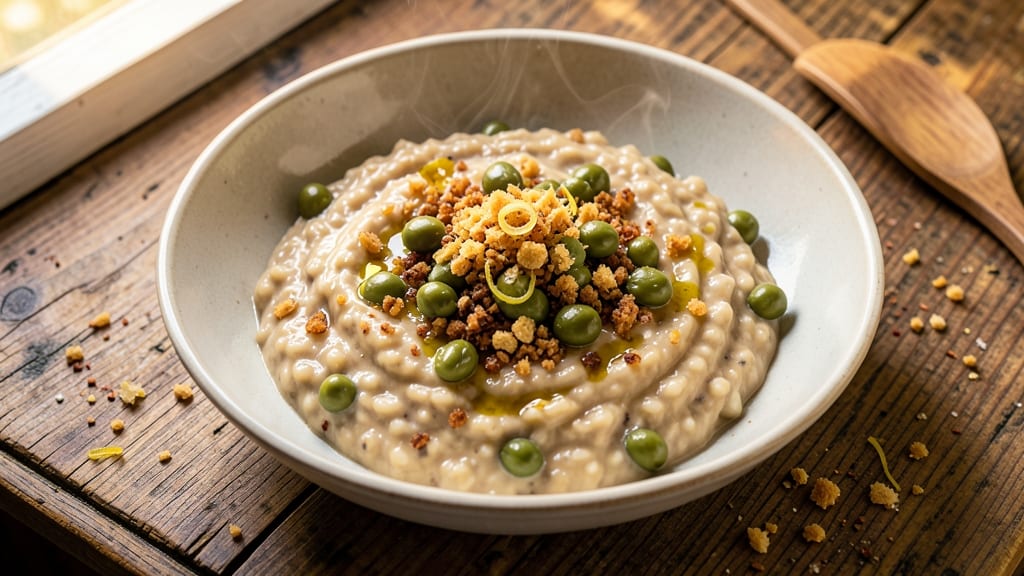
This broad bean risotto recipe transforms humble ingredients into a luxurious spring dish with velvety texture and nutty depth. The secret lies in perfectly toasted Arborio rice and tender broad beans, creating a balance of earthy and creamy flavors that feel both elegant and approachable.
I developed this version after years of refining risotto techniques, ensuring every bite delivers that signature creamy consistency without requiring advanced skills.
The process begins with gently toasting the rice to develop its nutty base, then gradually incorporating warm vegetable stock while stirring just enough to release starches. Broad beans add a delicate sweetness that brightens the dish, while toasted almonds at the finish provide a satisfying crunch.
This method yields a risotto that's rich enough to stand as a main course but versatile enough to serve as a side.
What sets this recipe apart is the harmonious blend of textures—creamy risotto, tender beans, and crisp almonds—all coming together in a single pan. The result is a dish that feels restaurant-quality yet remains simple enough for weeknight cooking.
Perfect for spring menus or special occasions, this risotto proves that homemade can taste just as refined as anything you'd find in a high-end restaurant.
Pair it with a crisp green salad or grilled fish to complete the meal. The leftovers reheat beautifully, making it an excellent option for meal prep. Let's create this springtime classic that will become a staple in your cooking repertoire.
Ingredients for broad bean risotto
Spring's freshest ingredients meet Italian technique for a risotto that feels restaurant-elegant yet simple to make at home.
| Ingredient | Amount | Notes |
|---|---|---|
| Arborio Rice 🍚 | 1 ½ cups | Uncooked, rinsed thoroughly |
| Fresh Broad Beans 🌱 | 1 ½ cups | Shellled, trimmed, blanched |
| Vegetable Stock 💧 | 4 cups | Homemade or quality low-sodium |
| White Wine 🍷 | ½ cup | Dry, like Pinot Grigio |
| Extra-Virgin Olive Oil 🫒 | ½ cup | For toasting rice |
| Shallots 🧅 | 2 whole | Finely minced |
| Garlic Cloves 🧄 | 3 cloves | Minced, fresh preferred |
| Toasted Almonds 🥜 | ¼ cup | Sliced, skin-on preferred |
| Parmesan Cheese 🧀 | ½ cup | Freshly grated, vegetarian rennet |
| Fresh Thyme Leaves 🌿 | ¼ cup | Chopped, stems removed |
| Lemon Zest 🍋 | 1 tbsp | From 1 large lemon |
| Salt 🧂 | 1 ½ tsp | Diamond Crystal kosher |
| Black Pepper 🌶️ | ½ tsp | Freshly ground |
| Butter 🧈 | 3 tbsp | Unsalted, cubed |
The Arborio rice is non-negotiable—its high starch content creates that signature creamy texture. Lundberg or Barilla are reliable brands, and always rinse it before cooking to remove excess starch. Fresh broad beans are ideal (shell them yourself for the best texture), but frozen works in a pinch. For the stock, homemade vegetable stock elevates the flavor, but quality low-sodium store-bought is fine. Toast the almonds in a dry pan until golden—they should smell nutty and rich. Trader Joe's often carries pre-shelled broad beans if you're short on time.
No Arborio rice? Carnaroli or Vialone Nano work equally well. Substitute white wine with dry vermouth or extra vegetable stock if needed. Fresh thyme is best, but dried at one-third the amount suffices. The Parmesan must be vegetarian rennet—check labels if unsure. For the almonds, pecans or walnuts add a different but equally satisfying crunch. If you're using frozen broad beans, thaw and pat them thoroughly dry before cooking to prevent a watery risotto. The lemon zest can be zested ahead and stored in the fridge for up to 3 days.
Risotto reheats beautifully—just add a splash of stock and stir gently over low heat. Store leftovers in an airtight container for up to 4 days. The almonds keep their crunch best if toasted fresh, but pre-toasted nuts stored in a cool, dark place last for 2 weeks. For meal prep, cook the risotto without the almonds and toast them separately when serving to maintain their crispness. The vegetable stock can be made in bulk and frozen in 1-cup portions for convenience.
Why You'll Love This Recipe
- One-Pot Magic: I swear by this risotto—just a pan, a spoon, and 25 minutes. No chopping broad beans into tiny pieces (unless you want to), and the Arborio rice does all the work while you sip your wine.
- Earthy Luxury: That first spoonful of creamy Arborio rice with tender broad beans? It’s like spring in a bowl—bright, buttery, and packed with that nutty rice flavor. The white wine deglazing adds a little brightness that makes it feel fancy, even if you’re eating straight from the pan.
- Weeknight to Dinner Party: Between us, this is my secret weapon for when friends drop by unannounced. It’s hearty enough for a crowd but still feels special—just add a sprinkle of Parmesan and a handful of fresh peas if you’re feeling fancy. (Yes, even on a Tuesday night.)
- Budget-Friendly Leftovers: Arborio rice and broad beans stretch this into lunches for days. My trick? Toss leftover risotto with a fried egg and crusty bread for a next-day breakfast that’ll have everyone asking for the recipe. Honestly, it’s the only risotto I make that doesn’t feel like a splurge.
Step-by-step instructions for broad bean risotto
Master this springtime risotto with creamy broad beans and nutty almonds using precise technique.
Prepare the Broad Beans and Aromatics
Start by blanching the 1.5 cups fresh broad beans in boiling water for 2 minutes, then shock in ice water. Peel off the tough outer skins and trim the ends. This step removes bitterness and ensures tender beans in your risotto.
Finely mince the 2 whole shallots and 3 cloves garlic together in a small bowl. You want them so fine they nearly disappear when added to the rice—this prevents them from being noticeable as individual pieces in the final dish. Keep these aromatics separate until you're ready to toast them with the rice.
Toast the Rice and Build the Base
Heat 0.5 cup extra-virgin olive oil in a large, heavy-bottomed pot over medium heat. Add the minced shallots and garlic, cooking for 3-4 minutes until fragrant but not browned. This step develops their sweetness without burning.
Add the 1.5 cups arborio rice and stir constantly for 2 minutes until the grains are evenly coated and slightly translucent at the edges. This "toasting" step creates the signature creamy texture of risotto by breaking down the rice's starches. Don't walk away—you'll know it's ready when the rice releases from the pot sides easily.
Deglaze and Simmer with Stock
Pour in the 0.5 cup white wine and stir vigorously until completely absorbed. This deglazing step adds acidity and depth to the risotto. Immediately add 1 cup vegetable stock and bring to a gentle simmer over medium-low heat.
Stir frequently—about every 2 minutes—allowing the rice to absorb the liquid gradually. The goal is to maintain a consistent simmer where the rice absorbs most of the liquid between stirrings. You'll need about 20-25 minutes total for this process, adding stock ½ cup at a time as needed. The risotto should be al dente with a slight bite in the center when ready.
Incorporate Beans and Finish with Butter
When the rice is nearly tender, stir in the blanched broad beans and cook for an additional 3-4 minutes until heated through. Add the 3 tbsp butter and 0.25 cup toasted almonds, stirring until melted and incorporated. The butter adds richness while the almonds provide texture contrast.
Remove from heat and stir in the 0.5 cup freshly grated parmesan cheese, 0.25 cup chopped fresh thyme leaves, and 1 tbsp lemon zest. Season with 1.5 tsp salt and 0.5 tsp black pepper. The lemon zest brightens the dish, cutting through the richness while the thyme adds an earthy aroma. Taste and adjust seasoning if needed—risotto should be well-seasoned but not salty.
Rest and Serve Immediately
Cover the pot and let the risotto rest for 2-3 minutes off the heat. This brief resting period allows the flavors to meld and the starches to fully gelatinize, creating that signature creamy texture. Serve immediately in warm bowls, garnished with additional toasted almonds if desired.
The risotto should be luxuriously creamy with distinct broad bean pieces throughout. Each bite should deliver the nutty crunch of almonds, the buttery richness of the rice, and the bright acidity of lemon. This dish shines best when served fresh—don't let it sit too long before eating, as risotto continues to thicken as it cools.
Pro Tips For Making Broad Bean Risotto
- TOAST THE BEANS FIRST: Fresh broad beans need a quick sear—cut them in half, toss in olive oil, and hit them with salt and pepper before they even touch the rice. I learned this the hard way when my first batch tasted bland; the caramelized edges make all the difference, especially since you’re not adding any other strong flavors.
- STIR THE RICE LIKE YOU MEAN IT: Arborio rice releases starch when stirred aggressively—don’t be shy. Use a wooden spoon and scrape the bottom of the pan every 30 seconds for the first 5 minutes, even if it feels like overkill. I used to go slow, and my risotto ended up gummy; this is how you get that creamy, al dente texture without mush.
- SALT THE STOCK LIBERALLY: Vegetable stock is often underseasoned, and risotto absorbs it like a sponge. Taste your stock before adding it to the rice—aim for the saltiness of broth you’d use in pasta water. I skipped this once and ended up with a dish that needed another pinch of salt at the table. Better to nail it now.
- DEGLAZE WITH WINE, THEN WAIT: Pour in the white wine, stir, and let the alcohol fully evaporate before adding more stock. I used to rush this step, and the wine flavor would linger like a ghost. Give it 2-3 minutes—you’ll smell it when it’s ready, and the rice will thank you with a cleaner, brighter base.
Flavor customization for this broad bean risotto
Herb Variations
Swap thyme for fresh tarragon or basil to add floral notes that complement broad beans beautifully. Use 1 tbsp chopped tarragon or ¼ cup basil leaves instead of thyme. For a Mediterranean twist, add ½ tsp dried oregano with the beans—the earthy flavor pairs wonderfully with the creamy risotto. 🌿
Spice Infusions
Add warmth with ½ tsp smoked paprika when toasting the rice, or a pinch of cayenne pepper for subtle heat. For depth, toast 1 tsp coriander seeds in a dry pan until fragrant, then grind and mix into the stock.
A dash of nutmeg (¼ tsp) at the end elevates the dish with aromatic complexity.
Protein Additions
Turn this vegetarian risotto into a hearty meal by stirring in ½ cup cooked shrimp or ½ cup crumbled feta cheese at the end. For a meaty option, add ½ cup diced pancetta during the toasting step—it renders beautifully and adds smoky richness.
Keep portions balanced to maintain the risotto's creamy texture.
Vegetable Enhancements
Incorporate ½ cup roasted asparagus tips or ½ cup diced fennel bulb with the beans for extra texture. For spring vibrancy, fold in ½ cup pea shoots at the very end—their freshness contrasts perfectly with the creamy base. Roast any hard vegetables (like fennel) ahead to soften them before adding.
Cheese Alternatives
Replace Parmesan with Pecorino Romano for a sharper, saltier profile or vegan nutritional yeast for a dairy-free option. For a tangy twist, stir in 2 tbsp crumbled goat cheese along with the Parmesan. Each cheese brings a distinct flavor that transforms the risotto's finish. 🧀
Acid Balance
Adjust brightness with 1 tsp balsamic glaze drizzled over the finished risotto or a squeeze of lemon juice instead of zest. For a tropical touch, add 1 tsp lime zest and a pinch of tajín seasoning***. The acidity cuts through the richness, balancing the dish beautifully. ✨
Nutrition facts
Frequently asked questions
Can I substitute fresh broad beans with canned or frozen?
Fresh broad beans are ideal for their tender texture, but frozen works in a pinch. Thaw and pat them thoroughly dry before adding to prevent a watery risotto. Canned beans should be drained, rinsed, and blanched briefly to remove any canned liquid. For best results, use 1.5 cups shelled fresh or frozen—canned may release excess moisture.
Why does my risotto turn out dry or gummy?
Dry risotto usually means the rice absorbed too much liquid—reduce stock by ½ cup. Gummy texture happens when rice is undercooked or overstirred. Stir only when necessary (about every 2 minutes), and use a heavy-bottomed pot to maintain even heat. The rice should be al dente with a slight bite in the center when done.
Can I make this risotto ahead of time?
Risotto is best served immediately, but you can prepare components ahead. Cook the rice 2 minutes less, then refrigerate. Reheat gently with extra stock and stir in beans, butter, and cheese at the end. For a 30-minute shortcut, toast the rice and aromatics, then refrigerate the base. Finish cooking when ready to serve.
What's the best way to toast the almonds?
Toast 0.25 cup sliced almonds in a dry pan over medium heat for 3-4 minutes, stirring constantly until golden and fragrant. Remove immediately to prevent burning. For extra flavor, add a pinch of salt or a dash of cinnamon while toasting. Let cool slightly before adding to the risotto to maintain their crisp texture.
How do I adjust this for gluten-free cooking?
Replace Arborio rice with glutinous rice or certified gluten-free risotto rice. Use tamari instead of soy sauce (if adding) and ensure your stock is gluten-free. The technique remains identical—just monitor cooking time as gluten-free rice may absorb liquid slightly differently. Test for doneness with a bite rather than relying on time.