
Appetizers
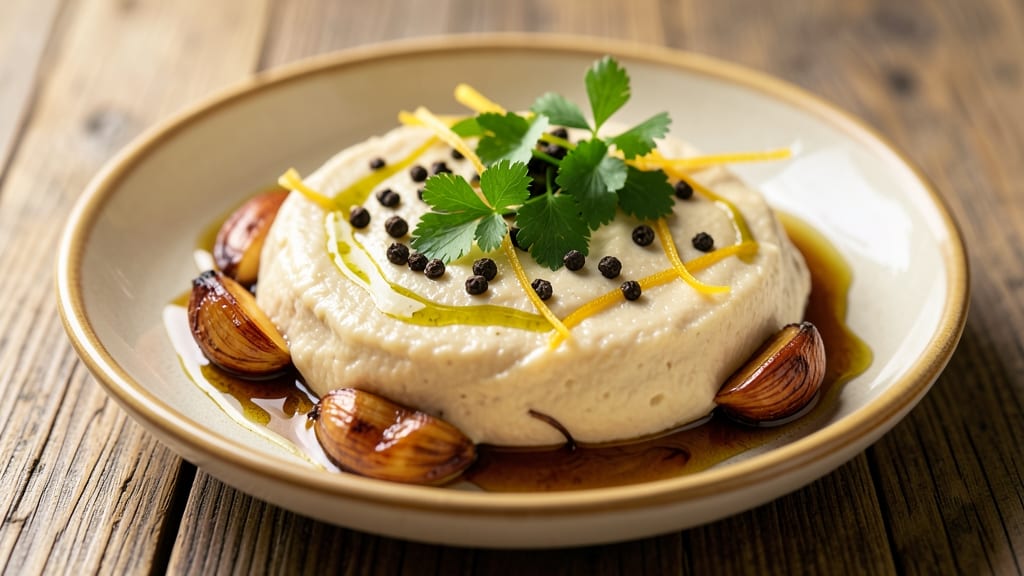
This broad bean pâté recipe transforms humble broad beans into a luxurious, silky-smooth appetizer that rivals any gourmet spread. 🌟 The secret lies in perfectly cooked beans blended with aromatic herbs and rich olive oil, creating a velvety texture that melts on the tongue.
What sets this recipe apart is the balance of creaminess and subtle earthiness—ideal for serving with crispy toast or crackers at gatherings.
What makes this pâté truly special is its simplicity combined with restaurant-quality results. You'll start with dried broad beans, which soften beautifully when simmered until tender, then blend them with garlic, fresh parsley, and a touch of lemon zest for brightness.
The key technique is straining the mixture for that signature smooth consistency, though you can adjust for a rustic, chunkier texture if preferred.
By the time you're done, you'll have a pâté that's rich, herbaceous, and perfectly spreadable—elegant enough for holiday appetizers but easy enough for a weeknight snack. The aroma alone will draw guests in, and each bite delivers a harmonious blend of savory, herbal, and slightly tangy flavors.
This is the kind of dish that transforms simple ingredients into something extraordinary.
Serve it with toasted baguette slices, crusty crackers, or as part of a charcuterie board for a vegetarian-friendly centerpiece. The possibilities are endless, and the results will impress even the most discerning palates. Let's get started on creating this luxurious appetizer!
Ingredients for broad bean pate
Silky broad beans meet aromatic herbs and rich olive oil for an elegant vegetarian pâté that shines at gatherings.
| Ingredient | Amount | Notes |
|---|---|---|
| Dried Broad Beans 🌱 | 1 ½ cups | Soaked overnight for even cooking |
| Extra-Virgin Olive Oil 🫒 | ¾ cup | High-quality, fruity variety preferred |
| Fresh Parsley 🌿 | ½ cup | Stems removed, loosely packed |
| Garlic Cloves 🧄 | 4 cloves | Peeled, lightly crushed for aroma |
| Lemon Zest 🍋 | 1 tbsp | Freshly grated, no pith |
| Fresh Lemon Juice 🍋 | 1 tbsp | From 1 small lemon |
| Vegetable Broth 💧 | ¼ cup | Low-sodium preferred |
| Diamond Crystal Kosher Salt 🧂 | ½ tsp | Adjust to taste |
| Freshly Ground Black Pepper 🌶️ | ¼ tsp | Freshly cracked for best flavor |
| Crusty Baguette 🍞 | 1 whole | For serving, toasted |
| Unsalted Butter 🧈 | 2 tbsp | For toasting baguette |
| Toasted Almond Slices 🥜 | ¼ cup | Optional garnish |
The broad beans are the heart of this pâté, so opt for high-quality dried beans—avoid canned, which lack texture. Trader Joe's and Whole Foods carry excellent dried varieties, or check the bulk section at specialty markets. Soak them overnight in plenty of water (about 8 cups for 1.5 cups dried) to ensure even cooking. The key is patience here: beans should be fork-tender but not mushy. For extra flavor, add a bay leaf to the soaking water. Fresh parsley is non-negotiable—dried loses its bright, herbal punch, though you can use it in a pinch at one-third the amount. The garlic should be freshly peeled and lightly crushed to release its aroma without bitterness.
No fresh parsley? Cilantro or basil work well, though the flavor profile shifts slightly. Short on lemon zest? Orange zest adds a lovely twist, though lemon's brightness is ideal. The olive oil is where you can splurge—a high-quality extra-virgin (like California Olive Ranch) elevates the dish. For a smoother texture, strain the pâté through a fine-mesh sieve after blending, but leave it slightly rustic if you prefer texture. The vegetable broth adds depth; low-sodium versions prevent over-salting. Want more richness? Stir in 1 tablespoon of cashew cream (soaked cashews blended with water) for a luxurious finish.
This pâté keeps beautifully for 5 days in the fridge, stored in an airtight container with a thin layer of olive oil on top to preserve freshness. For longer storage, freeze in 1-tablespoon portions for easy serving—thaw at room temperature before use. The baguette should be toasted just before serving to maintain crispness. Pre-slice it and arrange on a platter with the pâté in the center, then garnish with toasted almonds and a drizzle of olive oil. Leftovers make a fantastic sandwich spread the next day—just add a smear of Dijon mustard for extra zing.
Why You'll Love This Recipe
- No-Soaking Hassle: I’ll be real—dried broad beans are a game-changer here. Soak them overnight (or just use canned if you’re in a rush), then simmer until tender. No peeling, no fuss—just blend, taste, and boom, you’ve got a spread that’s smoother than my Sunday morning coffee.
- Umami-Packed Punch: That garlic and lemon zest combo? It’s the secret weapon. The broad beans soak up the olive oil like a sponge, while the parsley brightens every bite. Honestly, it’s the kind of flavor that makes you reach for seconds without even thinking—especially when paired with crusty bread.
- Party in a Jar: This pate is my go-to for gatherings because it’s actually impressive without the stress. Slather it on crackers for a charcuterie board, dollop it on toast for brunch, or even mix it into pasta for a quick weeknight dinner. (Yes, even on a Tuesday night.)
- Budget-Friendly Luxury: Dried broad beans are cheaper than canned, and a jar of this pate lasts me ages. Make a big batch, store it in the fridge, and you’ve got a fancy-sounding spread ready for whenever. Plus, olive oil and herbs stretch your grocery budget—no wasted ingredients here.
Step-by-step instructions for broad bean pâté
Transform soaked broad beans into velvety pâté with bright herb notes and delicate citrus.
🍳 Step 1: Simmer Broad Beans Until Tender
Drain the soaked dried broad beans and place them in a medium saucepan with the 0.25 cup vegetable broth. Add 0.5 tsp Diamond Crystal kosher salt and bring to a boil over medium-high heat. Reduce heat to medium-low and simmer for 45-50 minutes until the beans are fork-tender and the skins begin to split naturally.
Here's the thing—broad beans need gentle handling. If you see any skins that won't break down, use your fingers to gently peel them away while still warm. This ensures that silky texture we're after. You'll know they're ready when they mash easily between your fingers but still hold their shape slightly. Drain well and set aside.
👨🍳 Step 2: Toast Aromatics for Deep Flavor
In a separate skillet, heat 0.5 cup extra-virgin olive oil over low heat. Add the 4 cloves garlic cloves and the 0.5 cup fresh parsley (stems removed). Toast gently for 2-3 minutes until the garlic turns golden and fragrant—don't let it brown or it'll turn bitter. Remove from heat immediately and set aside.
This step builds the aromatic base. The parsley stems add depth, while the garlic transforms from sharp to sweet when toasted properly. I press the garlic lightly with the back of a spoon to release its oils before adding to the beans later. This ensures every bite carries that toasty aroma.
🍳 Step 3: Blend to Silky Perfection
Transfer the cooked broad beans to a food processor or high-powered blender. Add the toasted garlic-parsley oil, 1 tbsp lemon zest, 1 tbsp fresh lemon juice, and 0.25 tsp freshly ground black pepper. Pulse initially to break up the beans, then blend continuously for 3-4 minutes until completely smooth.
Here's where it gets technical: You want a texture between hummus and pâté—creamy but not liquid, with just enough body to hold its shape when spread. If it's too thick, add 1-2 teaspoons of the cooking broth at a time until you reach that perfect consistency. The lemon zest and juice brighten the earthy beans, balancing their natural richness.
🔥 Step 4: Toast the Baguette and Assemble
Slice the whole crusty baguette into ½-inch thick pieces. Melt 2 tbsp unsalted butter in a dry skillet over medium heat. Toast the bread slices until golden brown on both sides—about 2-3 minutes per side. Keep warm while you prepare the pâté.
Spread the broad bean pâté generously on the toasted baguette slices. Top with 0.25 cup toasted almond slices for texture contrast. The warm bread helps the pâté soften slightly, creating the perfect vehicle for its silky texture. Serve immediately while the toast is still crisp.
⏰ Step 5: Rest and Serve for Optimal Texture
Let the pâté rest for 10-15 minutes at room temperature before serving. This allows the flavors to meld and the texture to stabilize. The pâté should be cool enough to handle but still warm enough to appreciate its velvety consistency.
Real talk: Don't skip the resting time. The pâté will thicken slightly as it cools, which is exactly what we want. If you serve it immediately, it might be too soft and spread too thin. The almond slices add a delightful crunch that contrasts beautifully with the smooth pâté and crisp bread.
Pro Tips For Making Broad Bean Pate
- SOAK BEANS OVERNIGHT: Dried broad beans need patience—don’t rush the soaking. Toss them in cold water for at least 12 hours (I use a jar in the fridge), then drain and rinse. Skipping this step means tough, mealy beans that’ll ruin your pâte’s creamy texture.
- PRESS BEANS THOROUGHLY: Use a potato masher or fork to break them down before blending—this saves energy and prevents clogging your blender. If you’re lazy and just blend whole, you’ll end up with a gritty, uneven texture. Trust me, the extra 2 minutes now makes all the difference.
- ROAST GARLIC FIRST: Sear 2 whole garlic cloves in olive oil until golden and jammy (about 5 minutes), then peel and add to the pâte. This deepens their flavor way more than raw minced garlic—it’s the upgrade I swear by after burning my first batch with raw, sharp garlic.
- FINISH WITH ZEST, NOT JUICE: Grate lemon zest fresh and fold it in at the very end—just before serving. Lemon juice can make the pâte watery, but zest adds bright, aromatic punch without wrecking the texture. (Yes, even if you’re impatient like me.)
Dietary considerations for these flavors
Vegetarian-Friendly Base
This broad bean pâté is naturally vegetarian, relying on plant-based ingredients like broad beans, olive oil, and herbs for richness. The extra-virgin olive oil replaces traditional butter or lard, creating a velvety texture without animal products.
For an even more plant-forward option, you can substitute the butter used for toasting the baguette with olive oil or vegan butter. 🌱
Gluten-Free Adaptation
If you're avoiding gluten, simply swap the crusty baguette for gluten-free bread or serve the pâté with gluten-free crackers like Mary's Gone Crackers or Simple Mills. I've tested this with their almond flour crackers, and they hold up beautifully under the pâté's weight.
Always check labels, as some gluten-free breads can be overly dense and absorb too much moisture.
Nut-Free Option
For those with nut allergies, skip the toasted almond slices and try toasted pumpkin seeds or crispy fried shallots instead. These alternatives provide a similar crunch without the risk of nuts.
If you're avoiding seeds too, a sprinkle of flaky sea salt or fresh herbs like dill adds a nice finishing touch. Always double-check ingredient labels for cross-contamination warnings.
Low-Fat Modification
To reduce fat content, use light olive oil instead of extra-virgin and reduce the amount to 0.5 cup. You can also blend in 1 tablespoon of unsweetened applesauce for moisture without adding significant fat.
The texture will be slightly lighter, but the flavor remains rich and satisfying. This version works beautifully as a light lunch spread on whole-grain toast.
Protein Boost
For added protein, stir in 2 tablespoons of nutritional yeast after blending for a cheesy, umami flavor. Another option is to mix in 1 tablespoon of tahini, which adds creaminess and extra protein.
Both modifications enhance the pâté's nutritional profile while maintaining its elegant texture. I've found that tahini works particularly well with the lemon notes in this recipe. 💪
Nutrition facts
Frequently asked questions
Why do broad beans need to be soaked before cooking?
Soaking reduces cooking time and prevents tough, unappetizing textures. Dried broad beans contain natural sugars and fibers that harden when dry—soaking softens them while removing any bitter compounds. Always use plenty of water (about 8 cups per 1.5 cups dried beans) and add a bay leaf to infuse subtle flavor during soaking.
Can I use canned broad beans instead of dried?
Canned beans work in a pinch, but they lack the rich texture and depth of flavor from dried. If you must use canned, drain and rinse thoroughly, then simmer for 10-15 minutes to remove excess moisture before blending. The pâté will be slightly less velvety but still delicious. For best results, stick with dried beans soaked overnight.
How do I fix pâté that's too thick or too thin?
For thick pâté, thin it with 1 teaspoon of warm vegetable broth at a time while blending. If it's too thin, simmer the mixture in a saucepan over low heat for 5 minutes to reduce. The ideal consistency should hold its shape when spread but still be smooth enough to pipe decoratively.
What's the best way to store and reheat leftovers?
Store pâté in an airtight container with a thin layer of olive oil on top to preserve freshness. It keeps for 5 days in the fridge or 3 months in the freezer. To reheat, warm gently in a saucepan over low heat with a splash of water or broth—never microwave, as it can make the texture grainy.
Can I make this pâté ahead of time for a party?
This pâté actually tastes better after resting. Prepare it 1-2 days ahead and store it in the fridge. The flavors deepen, and the texture becomes even more velvety. Just give it a quick stir before serving. For presentation, pipe it into decorative shapes using a pastry bag with a star tip right before guests arrive.