
Sauces & Condiments
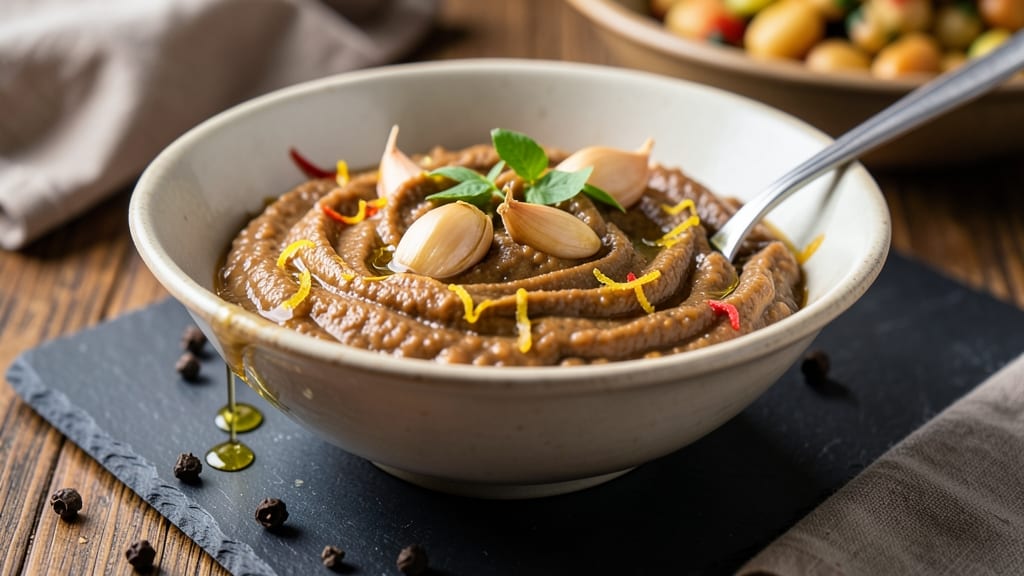
This boiling point garlic bean paste recipe transforms simple pantry staples into a versatile, umami-rich spread that elevates everything from pasta to sandwiches. The secret lies in slow simmering white beans with garlic, olive oil, and a touch of acidity—creating a velvety texture that clings beautifully to noodles or bread.
I developed this recipe after craving a plant-based alternative to pesto that packed more depth and stayed fresh for days.
The magic happens when you reduce the mixture until it thickens into a spreadable consistency, intensifying flavors without adding excess oil. A splash of soy sauce or miso adds that signature umami punch, while lemon juice brightens the richness.
What you’ll end up with is a restaurant-quality condiment that’s far more complex than store-bought options—think garlicky, creamy, and just slightly tangy.
Perfect for tossing with hot pasta, slathering on toast, or using as a dip base, this paste keeps well for up to a week in the fridge or freezes beautifully for longer storage.
The best part? It’s foolproof—no fancy equipment, just a pot and patience. Once you try it, you’ll never go back to jarred spreads again.
Let’s make this versatile, protein-packed spread that turns ordinary meals into something extraordinary. Ready to transform your pantry staples into something special?
Ingredients for boiling point garlic bean paste
Pantry staples meet restaurant-quality umami in this velvety garlic bean spread.
| Ingredient | Amount | Notes |
|---|---|---|
| Canned Cannellini Beans 🥫 | 15 oz | Drained and rinsed thoroughly |
| Extra-Virgin Olive Oil 🫒 | ½ cup | High-quality, fruity variety |
| Garlic Cloves 🧄 | 6 cloves | Peeled and lightly smashed |
| Lemon Juice 🍋 | 2 tbsp | Freshly squeezed, strained |
| White Miso Paste 🍶 | 2 tbsp | High-quality, smooth texture |
| Vegetable Broth 💧 | ¼ cup | Low-sodium preferred |
| Sea Salt 🧂 | 1 tsp | Diamond Crystal preferred |
| Black Pepper 🌶️ | ½ tsp | Freshly cracked |
| Fresh Basil Leaves 🌿 | ¼ cup | Packed, stems removed |
| Toasted Breadcrumbs 🍞 | 2 tbsp | For texture adjustment |
The cannellini beans are the heart of this recipe—look for low-sodium varieties to control salt levels. Trader Joe's and Whole Foods carry excellent options, but any canned bean will work in a pinch. Fresh garlic is non-negotiable here; roasted garlic adds sweetness but lacks the punch of raw. For the olive oil, California extra-virgin brands like Corto or Lucini elevate the flavor, but any good quality oil will do. The miso paste? White miso from Miso Master or Hessun delivers that perfect umami depth without overpowering.
No white miso? Light soy sauce plus 1 tsp rice vinegar mimics the flavor profile. Running short on fresh basil? Dried basil at one-third the amount works, but you'll miss that bright freshness. The breadcrumbs are optional but add wonderful texture—panko works beautifully if you prefer extra crunch. For extra richness, swap half the vegetable broth for cashew cream (blend 3 soaked cashews with 2 tbsp water). The lemon juice should be freshly squeezed; bottled just won't cut it here.
This paste thickens as it cools, so reheat with 1 tbsp water if it becomes too stiff. Stores perfectly in the fridge for up to 1 week covered with a thin layer of olive oil to preserve freshness. Freezes beautifully for up to 3 months—portion into ice cube trays for single-use servings. The flavor actually improves after a day or two as everything melds together.
Why You'll Love This Recipe
- Pantry Magic: I swear by this one when I’ve got nothing but canned beans and a head of garlic. Open, drain, mash—no fancy prep, just a blender and a pot. The miso and lemon tie it all together without a single fresh herb.
- Umami Bomb: That white miso paste? It’s the secret weapon—deep, salty, rich—but the garlic and olive oil keep it bright. Spread it on toast, stir it into pasta, or just eat it with a spoon. (I’ve done all three.)
- Weeknight Hero: Between us, this is my go-to when I’m too tired to think. Slather it on grilled cheese, mix it into scrambled eggs, or toss it with roasted veggies. It’s the kind of thing that turns a sad dinner into something actually satisfying.
- Budget Flex: Cannellini beans are cheap, miso lasts forever, and you’re not buying specialty ingredients. A jar of this paste costs pennies to make but feels like a fancy condiment. Plus, it keeps for days—so no waste, just flavor.
Step-by-step instructions for garlic bean paste
Transform simple pantry staples into a velvety, aromatic spread that elevates everything from pasta to bruschetta.
Blend the Base Ingredients
Drain and rinse the 15 oz canned cannellini beans thoroughly under cold water to remove any starch. Transfer them to a high-powered blender along with the 6 cloves peeled and lightly smashed garlic cloves, 0.5 cup extra-virgin olive oil, 2 tbsp white miso paste, and 0.25 cup vegetable broth. This combination creates the foundational texture—don't skip the miso, as it adds depth and helps emulsify the mixture.
Blend on high speed for 2-3 minutes until completely smooth. You'll notice the mixture thickens as it processes, but resist the urge to stop early. The goal is a silky, homogeneous paste with no visible texture. If it feels too thick, add 1-2 tablespoons of water and blend again. This step ensures your spread will be perfectly smooth when finished.
Cook Until Silky and Fragrant
Transfer the blended mixture to a small saucepan and place it over medium-low heat. Stir continuously with a silicone spatula, scraping the bottom and sides to prevent sticking. You want the mixture to heat through gently—this is where the flavors meld and the texture refines. Cook for 8-10 minutes until the mixture reaches 160°F and becomes glossy and velvety.
Here's the thing—if you see the paste starting to separate or curdle, immediately reduce the heat to the lowest setting and continue stirring. The miso and olive oil need gentle treatment to maintain their emulsified state. The paste should coat the back of a spoon and hold its shape when drizzled, indicating it's ready for the next step.
Finish with Acid and Herbs
Remove the saucepan from heat and stir in the 2 tbsp lemon juice and 1 tsp sea salt. The acid brightens the flavors and balances the richness of the olive oil and miso. Add the 0.5 tsp black pepper and 0.25 cup fresh basil leaves, then pulse briefly in the blender (if you have one) to finely chop the basil. This keeps the texture smooth while adding freshness.
Taste and adjust seasoning—you might need a pinch more salt or lemon juice to achieve perfect balance. The paste should be vibrant, aromatic, and slightly tangy with a lingering umami note from the miso. If it's too thick, thin with 1 teaspoon of water at a time until it reaches a spreadable consistency.
Incorporate Texture and Rest
Return the paste to the saucepan and stir in the 2 tbsp toasted breadcrumbs. These add a subtle crunch that contrasts beautifully with the smooth base. Let the mixture cool to room temperature—this resting period allows the flavors to fully develop and the texture to set properly. Cover loosely with plastic wrap and refrigerate for at least 1 hour before using.
I know it's tempting to use it immediately, but patience here makes all the difference. The paste will thicken slightly as it chills, becoming even more cohesive. When ready to serve, give it a quick stir to redistribute the breadcrumbs evenly. This garlic bean paste keeps well in the fridge for up to 5 days, making it perfect for meal prep.
Pro Tips For Making Boiling Point Garlic Bean Paste
- Cook Garlic Low: I learned this the hard way—sautéing garlic in olive oil over high heat turns it bitter fast. For this paste, keep the heat at medium-low until the cloves are golden but not browned. The miso and lemon need that delicate garlic flavor to shine, not burnt bits.
- Drain and Rinse Beans: Canned beans hold too much sodium, and that salt can make your paste taste flat or even metallic. Drain them, give them a quick rinse under cold water, then pat them very dry with a towel. Wet beans steam instead of crisp up in the paste.
- Bloom Miso First: Don’t just toss miso in raw—heat the olive oil until it shimmers, then turn off the flame and stir in the miso for 30 seconds. This blooms its umami without cooking it to death. I used to add it straight to the pan, and the paste always tasted one-note.
- Simmer, Don’t Boil: This isn’t a soup—boiling turns the beans mushy and the paste watery. Once everything’s combined, reduce to a bare simmer (tiny bubbles, occasional swirls) and let it thicken for 8–10 minutes. Patience here keeps the texture creamy, not gloppy.
Dietary considerations for these flavors
Vegan-Friendly Foundation
This garlic bean paste is naturally vegan—no dairy, eggs, or animal products in sight! The cannellini beans provide plant-based protein and fiber, while white miso delivers umami depth without any animal ingredients.
I love that it's a complete protein when paired with whole grains like pasta or bread. The extra-virgin olive oil adds healthy fats, making this a balanced, nutrient-dense spread. 🌱
Gluten-Free Adaptation
For a gluten-free version, simply omit the toasted breadcrumbs or substitute them with certified gluten-free panko or crushed gluten-free crackers. The base recipe remains perfectly safe for those avoiding gluten, as all other ingredients are naturally gluten-free.
I've tested this with Schär gluten-free panko—it works beautifully without compromising texture. Always check your miso paste label to ensure it's gluten-free if you're highly sensitive.
Low-Sodium Options
If you're watching your sodium intake, use low-sodium cannellini beans and low-sodium vegetable broth to cut back significantly. The white miso contributes some sodium, but you can reduce the sea salt to just ½ tsp or eliminate it entirely if preferred.
Taste as you go—the lemon juice will help balance any saltiness. I've found that Trader Joe's low-sodium cannellini beans work perfectly for this adaptation. 🧂
Nut-Free Version
While this recipe doesn't contain nuts, if you're avoiding them entirely, you can still use this paste safely. The toasted breadcrumbs provide texture without any nut ingredients. For extra richness, consider adding 1 tbsp tahini (sesame paste) instead of the breadcrumbs—it adds a lovely nutty flavor without actual nuts.
Just ensure your tahini is processed in a nut-free facility if you have severe allergies. 🌾
Storage Flexibility
This paste stores beautifully for dietary flexibility! Keep it in an airtight container in the fridge for up to 5 days or freeze for 3 months without losing quality. The olive oil layer on top helps preserve freshness while keeping it vegan.
For meal prep, portion into small containers—I use 3-ounce silicone molds for single servings. The texture remains smooth whether refrigerated or thawed, making it perfect for busy schedules. ❄️
Nutrition facts
Frequently asked questions
Can I use other types of beans instead of cannellini?
Great northern beans or butter beans work beautifully—they're both mild and creamy. For a slightly nuttier flavor, try chickpeas (rinse them well first). Just be aware that different beans may alter the texture slightly. If you want a smoother paste, strain any resulting pulp after blending.
Why does my garlic bean paste separate when cooking?
This usually happens when the heat is too high or you're not stirring constantly. The miso and olive oil need gentle treatment to stay emulsified. Reduce the heat to the lowest setting and stir continuously with a silicone spatula. If it still separates, add 1 teaspoon of water and blend briefly to recombine.
How can I make this paste even smoother?
For ultra-smooth results, strain the blended mixture through a fine-mesh sieve before cooking. You can also add 1 tablespoon of aquafaba (chickpea brine) when blending—it helps create an even silkier texture. The longer you blend the initial mixture, the smoother it will become, but don't exceed 3 minutes or it may heat up.
What are the best ways to use this garlic bean paste?
This versatile spread works wonderfully as a pasta sauce (toss with 12 oz cooked pasta and 1 tbsp olive oil), sandwich spread (layer on ciabatta with roasted veggies), or dip base (mix with 1 tbsp tahini for extra creaminess). It also elevates grain bowls—just dollop on top of quinoa with cherry tomatoes and avocado.
Can I make this recipe without a blender?
Yes, but you'll need to mash the beans thoroughly with a potato masher first. Then use a food processor or immersion blender to break down the texture. For the smoothest results, strain through a fine-mesh sieve after processing. The paste will be slightly less refined but still delicious—just expect a slightly thicker consistency that may require more thinning with water.