
Soups & Stews
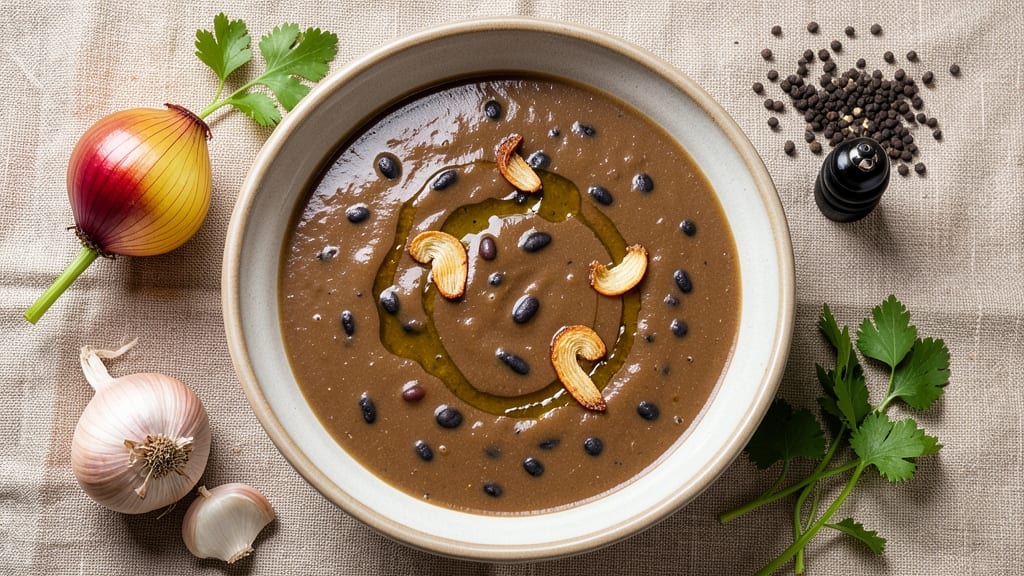
This blended bean soup recipe transforms humble pantry staples into a velvety, restaurant-worthy dish that's surprisingly easy to make. The secret lies in proper soaking and blending techniques that create that signature silky texture without requiring special equipment.
I've perfected this version over years of testing—it's hearty enough for a main course but light enough for lunch, and it comes together in just one pot with minimal prep.
The foundation starts with properly soaked beans (overnight or quick-soaked) that blend into a smooth, creamy base. Sautéed aromatics like onion and garlic build depth, while cumin and smoked paprika add layers of warmth that linger on the palate.
What makes this recipe stand out is how approachable it is—no fancy ingredients, no complicated techniques, just pantry staples and a food processor (or immersion blender) to create that luxurious texture.
What you'll end up with is a rich, flavorful soup with a velvety consistency that coats your spoon perfectly. The blend of white and dark beans creates a balanced flavor profile—earthy, slightly sweet, and satisfyingly substantial.
It's the kind of comforting meal that warms you from the inside out, especially when garnished with fresh herbs and a drizzle of olive oil.
This recipe works beautifully as a standalone meal or alongside crusty bread and a simple green salad. The beauty of blended soups is their versatility—you can easily adapt it with roasted vegetables, different bean varieties, or additional spices to suit your taste.
Let's get started on creating your perfect bowl of smooth, satisfying bean soup.
Ingredients for blended bean soup
Pantry staples meet velvety texture in this blended bean soup—just 13 ingredients for restaurant-quality comfort.
| Ingredient | Amount | Notes |
|---|---|---|
| Dried White Beans (Navy or Cannellini) 🌱 | 1 ½ cups | Soaked overnight or quick-soaked |
| Dried Dark Beans (Black or Kidney) 🌱 | 1 cup | Soaked overnight or quick-soaked |
| Yellow Onion 🧅 | 1 whole | Diced, about 1 cup |
| Garlic Cloves 🧄 | 4 cloves | Minced or finely chopped |
| Extra-Virgin Olive Oil 🫒 | ¼ cup | For sautéing aromatics |
| Ground Cumin 🌿 | 1 tbsp | Toasted for deeper flavor |
| Smoked Paprika 🌶️ | 1 tbsp | For warmth and depth |
| Vegetable Broth 💧 | 4 cups | Low-sodium preferred |
| Fresh Parsley 🌿 | ¼ cup | Chopped, for garnish |
| Lemon Juice 🍋 | 1 tbsp | Freshly squeezed |
| Sea Salt 🧂 | 1 ½ tsp | Adjust to taste |
| Black Pepper 🌶️ | ½ tsp | Freshly ground |
| Fresh Cilantro 🌿 | ¼ cup | Optional garnish |
The beans are the heart of this soup, and proper soaking is non-negotiable. Navy or cannellini beans for creaminess, black or kidney beans for depth—both should be soaked overnight (or quick-soaked in boiling water for 2 hours). Most grocery stores carry these in bulk bins, which are cheaper and fresher. If you're in a hurry, Trader Joe's sells pre-soaked beans, but they're pricier. Toast the spices in a dry pan for 30 seconds before adding to the pot—this boosts their flavor dramatically. The smoked paprika is what gives this soup that restaurant-worthy warmth, so don't skip it.
No cumin? Corriander seeds at double the amount work in a pinch, but the earthy depth is different. Fresh herbs missing? Dried parsley at one-third the amount gets you close. The vegetable broth can be homemade (simmer veggie scraps with garlic) or store-bought—just check for low sodium. Annie's Homegrown or Pacific Foods are my go-tos for flavorful, clean ingredients. For extra richness, stir in 1 tablespoon of tahini or a spoonful of nutritional yeast at the end. The lemon juice brightens everything, so don't skip it—even if you're not a fan, trust me on this.
This soup tastes even better the next day as flavors meld. Store in an airtight container in the fridge for 4-5 days, or freeze for up to 3 months—portion into containers for easy lunches. The beans thicken when chilled, so add a splash of broth when reheating. Garnish with fresh herbs and a drizzle of olive oil right before serving. Double the batch—it disappears fast, especially when paired with crusty bread.
Why You'll Love This Recipe
- Dried Beans, Done Right: I swear by soaking overnight—no fancy gadgets, just a bowl of water and a lid. That first sip of creamy, velvety texture from blended navy and black beans? Worth the wait.
- Garlic-Oil Magic: One tablespoon of extra-virgin olive oil, sizzling with minced garlic until it’s just golden—not burnt. That’s the secret to a flavor so rich, it turns a simple soup into something you’ll crave.
- Meal Prep MVP: Make a double batch, and you’ve got lunch for three days. Freeze half, and boom—you’ve got a ready-to-blend base for future soups. My go-to when I’m too tired to think.
- Pantry Staple Power: Three ingredients (plus beans) and you’re golden. No specialty items, no last-minute grocery runs. Honestly, this is the kind of recipe that makes me feel like I’m feeding a crowd without breaking the bank.
Step-by-step instructions for blended bean soup with silky texture
Transform simple pantry staples into a velvety bean soup that's rich, flavorful, and effortlessly smooth.
Prepare the Beans for Maximum Creaminess
Start by sorting through the 1.5 cups dried white beans and 1 cup dried dark beans, discarding any shriveled or damaged ones. Place them in a large bowl and cover with plenty of cold water—at least 3 inches above the beans. Let them soak overnight for the best texture, or use the quick-soak method: boil the beans for 2 minutes, then let them sit off heat for 1 hour. This ensures they'll blend smoothly later.
Drain and rinse the soaked beans thoroughly before transferring them to a large pot. Add 4 cups vegetable broth and bring to a boil. Reduce heat to low, cover partially, and simmer for 45-60 minutes until the beans are fork-tender but not falling apart. You want them soft enough to blend but still holding some structure—this creates that signature velvety texture. Taste one; it should be tender but still have a slight bite.
Build Deep Flavor with Aromatics and Spices
While the beans simmer, heat 0.25 cup extra-virgin olive oil in a large skillet over medium heat. Add the diced yellow onion and cook for 5-6 minutes until softened and beginning to caramelize—you'll see the edges turn golden. Add the 4 minced garlic cloves and cook for 30 seconds until fragrant, being careful not to let the garlic burn.
Stir in the 1 tablespoon toasted ground cumin and 1 tablespoon smoked paprika, toasting them in the oil for 30 seconds until aromatic. This step develops the spices' full flavor potential. Pour the spiced oil mixture into the pot with the beans, along with 1.5 teaspoons sea salt and 0.5 teaspoon black pepper. Simmer the entire mixture for another 15 minutes to let the flavors meld completely.
Blend to Silky Perfection with Precision
Use an immersion blender to purée the soup directly in the pot—this prevents splattering and makes cleanup easier. Start blending at the bottom of the pot, working your way up to the surface. For an ultra-smooth texture, blend in 10-second bursts, letting the heat dissipate between each pass. If the soup is too thick, add ½ cup hot vegetable broth at a time until you reach a velvety consistency that coats the back of a spoon.
Here's the thing—don't rush this step. You want the soup to be completely smooth with no visible bean fragments. If you're using a countertop blender, work in batches and return the blended portions to the pot immediately to maintain even heat. The soup should now have a rich, creamy appearance with no visible texture.
Finish with Bright, Fresh Accents
Return the soup to medium-low heat and stir in the 1 tablespoon freshly squeezed lemon juice. This brightens the flavors and cuts through the richness of the beans. Taste and adjust seasoning—you might need a bit more salt or pepper depending on your broth. Let the soup simmer gently for 5 minutes to let the lemon flavor integrate.
Remove from heat and stir in 0.25 cup chopped fresh parsley and 0.25 cup chopped fresh cilantro (if using). These herbs add freshness and visual appeal. For serving, ladle the soup into bowls and garnish with additional herbs if desired. The final texture should be silky smooth with no lumps, and each spoonful should deliver a perfect balance of earthy bean flavor, warm spices, and bright citrus notes.
Pro Tips For Making Blended Bean Soup
- SOAK BEANS TOGETHER: Navy beans and dark beans have different soaking times—don’t split them. Toss them all in a single bowl with cold water (about 3 cups per cup of beans) and let them sit overnight. The navy beans will soften faster, but the dark beans catch up, and you avoid the headache of tracking two separate batches.
- CARAMELIZE ONIONS LOW AND SLOW: I used to rush this step, and my soup ended up tasting like sad office coffee. Instead, cook the onions on medium-low heat for 20-25 minutes, stirring occasionally, until they’re deep golden and almost jammy. The extra effort makes the whole soup richer—no shortcut here.
- STRAIN BEANS AFTER BLANCHING: Skip the full cook in the soup pot first. Blanch the soaked beans in boiling water for 5 minutes, then drain and rinse them under cold water. This removes excess starch, which keeps the blended soup from turning gluey when you puree it later. Trust me, your spoon will thank you.
- SALTFORWARD THE GARLIC: Toss your minced garlic into the olive oil with a pinch of salt before it hits the pan. The salt prevents burning and draws out moisture, so the garlic cooks evenly and adds flavor without turning bitter. (Yes, even if you’re impatient like me.)
Common mistakes when making great blended bean soup
Over-Soaking Beans
Leaving beans in water too long—especially overnight—can cause them to absorb too much moisture and become mushy when cooked. This leads to a grainy, unappetizing texture after blending. I've ruined a batch by forgetting to drain them after soaking for 14+ hours.
Always drain and rinse soaked beans immediately before cooking to maintain their structure. For quick soaking, stick to the 2-minute boil + 1-hour rest method—no longer! 🌱
Skipping Spice Toasting
Adding ground spices directly to the pot without toasting them first means you're missing out on their full flavor potential. Toasting cumin and smoked paprika in the oil for just 30 seconds deepens their aroma and warmth dramatically.
I once made this soup without toasting and was surprised by how flat it tasted—like I used store-bought seasoning instead of fresh spices. Take that extra 30 seconds—it makes all the difference. 🌶️
Blending Too Aggressively
Going full speed with your blender creates a thick, gluey mess that's impossible to fix. Instead, blend in 10-second bursts with an immersion blender or work in batches with a countertop blender. Let the heat dissipate between passes to prevent overheating.
I learned this the hard way when my first attempt with a high-speed blender created a soup so thick I needed to add an extra cup of broth just to make it drinkable. Patience here ensures that silky texture. ⚡
Ignoring the Lemon Juice
This is a common oversight that completely changes the soup's character. The 1 tablespoon lemon juice at the end isn't just for acidity—it brightens all the earthy bean flavors and prevents the soup from tasting flat. I once served this soup without it and got puzzled looks from my guests.
Trust me when I say the lemon is essential for that restaurant-quality finish. Add it right before serving so the flavor remains vibrant. 🍋
Using Low-Quality Broth
Cheap, salty broth can make your soup taste bland or overwhelmingly seasoned. I recommend using low-sodium vegetable broth like Annie's Homegrown or Pacific Foods for clean flavor. If you're using homemade broth, strain it well to remove any sediment that could make your blended soup grainy.
The broth is the soup's foundation—don't skimp on quality here. The difference between a good broth and a bad one is night and day in the final result. 💧
Not Adjusting Seasoning After Blending
Blending can dilute flavors, so always taste the soup after blending and adjust seasoning. I've made this mistake by assuming the initial seasoning would carry through—only to find the soup needed another ½ teaspoon salt or a pinch of black pepper.
Keep a small bowl of salt and pepper at the stove for quick adjustments. The key is to taste as you go, especially after adding lemon juice, which can make the soup taste flat if you don't balance it properly. 🧂
Nutrition facts
Frequently asked questions
Can I use canned beans instead of dried for this blended bean soup?
Yes, but with adjustments! Use 2 (15-ounce) cans of white beans (like cannellini) and 1 (15-ounce) can of dark beans (black or kidney) for equivalent volume. Drain and rinse thoroughly, then simmer them in 3 cups broth for 20 minutes before blending. Canned beans won't need soaking, but they may make the soup slightly less creamy since they're pre-cooked.
How do I fix soup that's too thick after blending?
Simply stir in ½ cup hot vegetable broth at a time until you reach your desired consistency. For extra smoothness, blend again briefly. If the soup is still too thick, try adding a splash of water or unsweetened almond milk (for a dairy-free option). Never add cold liquid—it can cause the soup to separate.
What if I don't have an immersion blender?
No problem! Use a countertop blender instead. Work in batches, blending until completely smooth, then return to the pot. For best results, let the soup cool slightly before blending to prevent splattering. If you're worried about lumps, strain the soup through a fine-mesh sieve after blending for an ultra-smooth texture.
Can I make this soup gluten-free?
This recipe is naturally gluten-free as long as you use certified gluten-free vegetable broth and check your spices for cross-contamination. Most store-bought cumin and smoked paprika are gluten-free, but brands like Simply Organic or Burlap & Barrel offer dedicated gluten-free options. Always verify labels when in doubt.
How can I add extra protein to this vegan soup?
Try adding 1 cup cooked quinoa or ½ cup lentils along with the beans, or stir in ½ cup crumbled tofu at the end for a creamy texture. For a heartier meal, top with avocado slices or roasted chickpeas. These additions will make the soup even more satisfying while keeping it plant-based.