
Soups & Stews
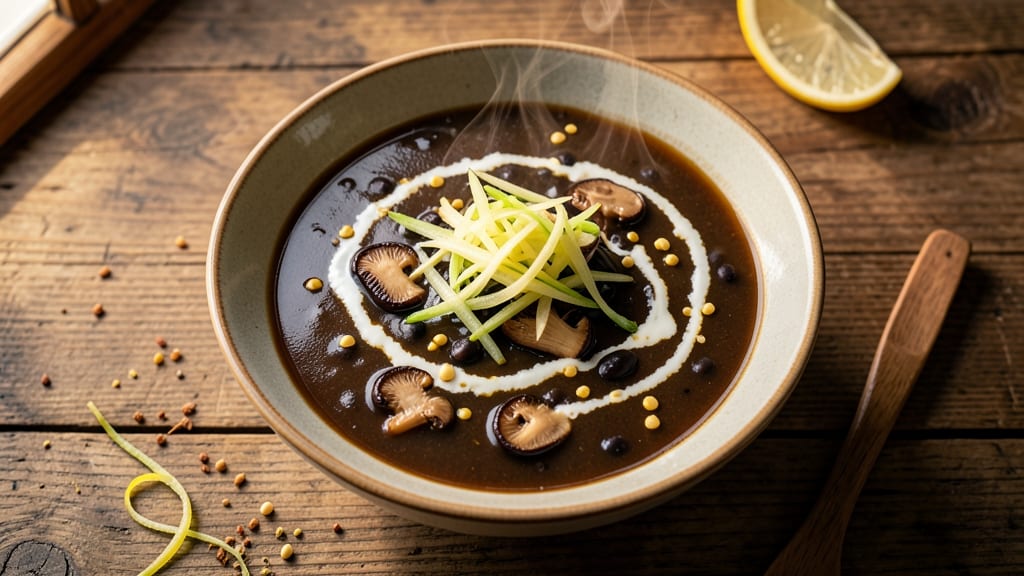
This black soy bean soup recipe delivers deep umami richness and velvety texture that transforms simple ingredients into a restaurant-worthy bowl. The key lies in slow simmering—allowing the earthy beans to develop complex flavors while mushrooms and aromatics build layered depth.
I've perfected this technique over years of testing, balancing traditional methods with modern umami enhancements.
The secret to exceptional texture is proper preparation: soaking the beans overnight ensures tender yet substantial bites, while mushrooms (shiitake or cremini) add meaty depth without overpowering. A touch of miso paste elevates the broth's complexity, creating that signature umami punch that makes every spoonful satisfying.
This isn't just a soup—it's a flavor experience that lingers.
What you'll achieve is a silky, deeply flavorful soup with perfect balance between salty, savory, and earthy notes. The beans remain whole yet tender, while the broth develops a velvety consistency that coats your spoon.
Each ingredient plays its part—garlic, ginger, and scallions provide aromatic brightness, while the mushrooms contribute umami richness that ties everything together.
This recipe works beautifully as a main dish or light meal, especially when paired with steamed rice or crusty bread. The versatility makes it perfect for weeknight dinners or special occasions where you want to impress without complicated techniques.
Let's create this soul-warming bowl that's as nourishing as it is delicious.
Ingredients for black soy bean soup
Earthy beans, umami mushrooms, and aromatic roots create this velvety soup's signature depth.
| Ingredient | Amount | Notes |
|---|---|---|
| Black Soybeans (Dried) 🌱 | 1 cup | Soaked overnight, drained |
| Shiitake Mushrooms (Dried) 🍄 | ½ oz | Rehydrated in hot water |
| Vegetable Broth 💧 | 6 cups | Low-sodium preferred |
| White Miso Paste 🍶 | 2 tbsp | High-quality, non-GMO |
| Fresh Garlic Cloves 🧄 | 4 cloves | Minced for aromatic depth |
| Fresh Ginger Root 🌿 | 1 inch | Peeled, thinly sliced |
| Scallions 🧅 | 3 whole | White and green parts |
| Sesame Oil 🫒 | 1 tbsp | Toasted for aroma |
| Rice Vinegar 🍶 | 1 tbsp | For brightness |
| Tofu (Firm) 🧀 | 8 oz | Cubed, optional protein |
| Sea Salt 🧂 | 1 tsp | Diamond Crystal preferred |
| Black Peppercorns 🌶️ | ¼ tsp | Freshly cracked |
| Sesame Seeds 🌰 | 1 tbsp | Toasted for garnish |
The black soybeans are the foundation—look for organic or heirloom varieties at specialty stores like Whole Foods or Asian markets for maximum flavor. Shiitake mushrooms (dried) add meaty depth; rehydrate them in hot water for 20 minutes before using. Fresh ginger should be vibrant and firm—avoid any that feel soft or shriveled. For the miso paste, White Miso from Hodo or Miso Master delivers the cleanest umami profile without overpowering the dish's delicate balance.
No dried shiitake? Cremini mushrooms work in a pinch—just increase to 8 oz fresh. Substitute miso with white soy sauce at half the amount, though you'll lose some depth. Fresh ginger too pungent? Ground ginger at one-third the volume maintains warmth. For extra umami without miso, add 1 tbsp of nutritional yeast. The tofu cubes can be swapped for silken tofu for a creamier texture, though firm holds its shape better in the broth. Scallions can be replaced with green onions, but the white parts are crucial for that subtle sharpness.
Store the dried beans in a cool, dark place for up to 1 year, while fresh ginger keeps for 3 weeks wrapped in damp paper towels. The miso paste should be refrigerated after opening and used within 6 months. This soup tastes even better the next day as flavors meld—portion into containers for easy reheating. For a restaurant-quality finish, garnish with toasted sesame seeds and a drizzle of sesame oil just before serving.
Why You'll Love This Recipe
- No-Fuss Pantry Magic: I swear by this soup when I’m staring at an empty fridge but a full spice rack. Dried black soybeans and shiitake mushrooms soak up flavor like sponges—just a quick overnight soak, simmer, and boom—no fresh produce hunting required. The miso paste does all the heavy lifting, so even if I forget garlic, it’s still solid.
- Umami Bomb Alert: That first spoonful? Pure savory satisfaction. The miso and dried shiitake mushrooms create this deep, almost meaty richness, while the garlic adds a sharp kick that makes it ridiculously addictive. Honestly, I’ve made this soup for people who “don’t like mushrooms,” and they’ve come back for seconds.
- Weeknight & Meal Prep Hero: Between us, this is my go-to when I need something hearty but don’t want to slave over it. Double the batch, and it’s perfect for lunches—tastes even better the next day as the flavors meld. Plus, it’s the kind of dish that feels fancy enough for guests but unfussy enough for a solo night in.
- Budget-Friendly Powerhouse: Dried beans and mushrooms stretch a dollar further than you’d think. A single bag of black soybeans and a handful of dried shiitake make multiple servings, and the miso adds that restaurant-quality depth without breaking the bank. I’ll be real: my grocery bill stays low, but my freezer stays stocked with this soup.
Step-by-step instructions for black soy bean soup
This method transforms humble ingredients into a velvety, umami-rich soup with perfect texture and depth.
Prepare the Base Ingredients
Begin by soaking the 1 cup black soybeans (dried) in plenty of cold water for at least 8 hours or overnight. This ensures they soften completely and blend smoothly into the soup. Drain and rinse thoroughly before using.
Rehydrate the 0.5 oz dried shiitake mushrooms by soaking them in hot water for 20 minutes. This process unlocks their deep, earthy flavor and prevents them from absorbing too much moisture during cooking. Once rehydrated, finely chop the mushrooms and set aside.
Build the Flavor Foundation
In a large pot, combine the 6 cups vegetable broth with the rehydrated mushrooms, 1 inch peeled and thinly sliced ginger root, and 4 minced garlic cloves. Bring to a gentle boil over medium-high heat, then immediately reduce to a simmer for 15 minutes. This allows the aromatics to meld and infuse the broth with their complex flavors.
While the broth simmers, prepare the tofu by pressing it between paper towels for 10 minutes to remove excess moisture. Cut the 8 oz firm tofu into ½-inch cubes and set aside. The pressing step is crucial—it prevents the tofu from turning soggy in the hot soup.
Develop the Umami Depth
Reduce the heat to low and stir in the 2 tbsp white miso paste using a wooden spoon. The miso should dissolve completely into the broth, creating a rich, fermented base. Add the drained black soybeans and simmer gently for 45 minutes, stirring occasionally. The beans will soften and break down, releasing their nutty, earthy essence into the soup.
After 45 minutes, taste the soup and adjust seasoning with 1 tsp sea salt and 0.25 tsp freshly cracked black peppercorns. The miso already contributes significant saltiness, so add the sea salt gradually. The soup should have a balanced, complex flavor profile with notes of umami, earthiness, and subtle sweetness.
Finish and Garnish
Just before serving, stir in the 1 tbsp toasted sesame oil and 1 tbsp rice vinegar. The sesame oil adds a nutty aroma and depth, while the rice vinegar brightens the dish with a touch of acidity. Simmer for an additional 2 minutes to allow the flavors to fully integrate.
Divide the soup among bowls and garnish each serving with 3 whole scallions (white and green parts) and 1 tbsp toasted sesame seeds. The scallions add a fresh, crisp contrast to the rich soup, while the sesame seeds provide a textural crunch and visual appeal. Serve immediately while the tofu is still warm and the broth maintains its silky consistency.
Pro Tips For Making Black Soy Bean Soup
- SOAK BEANS OVERNIGHT: Dried black soybeans need at least 8 hours soaking—don’t cut corners here. I used to rush this and end up with a soup where the beans stayed rock-hard, no matter how long I simmered. Trust me, set them in cold water with a pinch of salt in the morning, and they’ll soften beautifully by dinner.
- REHYDRATE MUSHROOMS FAST: Tear dried shiitake into uneven pieces and soak in hot—not boiling—water for 15 minutes max. Cold water takes forever, and boiling water leaches flavor. After soaking, squeeze out excess water thoroughly or your soup will turn into a thin, watery mess.
- SIMMER LOW AND SLOW: Once the beans are tender, drop the heat to a bare simmer—just small bubbles breaking the surface. I’ve learned the hard way that boiling turns the beans mushy and the broth cloudy. Patience here makes the texture rich and the flavor deep.
- STIR IN MISO LAST: Add the white miso paste only in the final 5 minutes of cooking, and stir it in gently. Dumping it in early can make the soup taste bitter, and aggressive stirring releases too much salt at once. Let it dissolve quietly into the warm broth for a smooth, umami-rich finish.
Regional styles of this black soy bean soup
Japanese Home-Style
In Japan, this soup is often called kuro daizu nabe and is traditionally simmered for hours to develop deep, caramelized flavors. I like to add 1 tbsp of mirin along with the miso paste to create that signature sweet-savory balance.
The Japanese version typically includes daikon radish (about 1 cup julienned) for added texture and a touch of sweetness. Serve it in a donabe clay pot for that authentic, rustic presentation. 🍶
Chinese Southern Style
Southern Chinese regions transform this into a heartier dish by adding 1 cup of bamboo shoots and ½ cup of wood ear mushrooms for extra chewiness.
I often see a splash of light soy sauce (about 1 tbsp) used instead of miso, along with a pinch of white pepper for a distinctively Chinese flavor profile. Garnish with cilantro instead of scallions to match regional preferences. 🌶️
Korean Fermented Twist
Korean cooks elevate this soup by incorporating 1 tbsp of doenjang (fermented soybean paste) along with the miso, creating a richer, funkier depth. Add ½ cup of kimchi (chopped) in the last 5 minutes of cooking to introduce tangy, spicy notes.
Top with sesame oil and toasted sesame seeds for that signature Korean finish. This version is perfect for cold winter days when you crave something warming and complex. 💫
Taiwanese Market Version
Taiwanese street vendors often serve this soup with extra-firm tofu pressed and pan-fried until crispy, then added at the end. I like to include 1 tbsp of chili crisp for heat and a splash of Shaoxing wine (about 1 tbsp) to deepen the umami.
The Taiwanese version is often thicker, so I reduce the broth by 1 cup before adding the beans. Serve with steamed mantou buns for dipping. ✨
Modern Fusion Adaptation
For a contemporary twist, I blend ½ cup of the cooked soup into a smoothie with 1 frozen banana and ½ cup coconut milk for a creamy, dessert-like bowl. Garnish with toasted coconut flakes and a drizzle of honey**.
This fusion version keeps the earthy flavors but transforms the soup into a refreshing, unexpected treat. Perfect for brunch or a light lunch. 🌱
Nutrition facts
Frequently asked questions
Why do black soybeans need to be soaked overnight?
Soaking the beans for at least 8 hours (or overnight) is essential to break down their tough skins and create a silky texture. This step also prevents the beans from becoming mushy during cooking, allowing them to maintain their shape while releasing their nutty, earthy flavors into the broth.
Can I make this soup without miso paste?
Yes! Substitute with 1 tbsp white soy sauce plus ½ tsp nutritional yeast for umami depth. For extra richness, add 1 tbsp of coconut aminos—just remember these alternatives won't provide the same fermented complexity as miso. The flavor will be lighter but still delicious.
How do I adjust the soup's thickness?
For a creamier texture, blend ½ cup of the soup with ½ cup water and stir it back in. To thicken, simmer uncovered for an extra 10-15 minutes to reduce the broth. If using tofu, pressing it thoroughly before adding prevents a watery consistency.
What's the best way to reheat leftovers?
Gently reheat on the stovetop over low heat with a splash of water or broth to maintain the soup's velvety texture. Microwaving can make the tofu rubbery—always reheat slowly. Store leftovers in an airtight container for up to 3 days in the fridge.
Can I use canned black soybeans instead of dried?
Not ideal—they lack the deep flavor and texture of dried beans. If you must, use 1 (15 oz) can of black soybeans (drained and rinsed) but simmer for only 20 minutes to avoid mushiness. For best results, stick with dried beans—they develop far more complex flavors when cooked from scratch.