
Sauces & Condiments
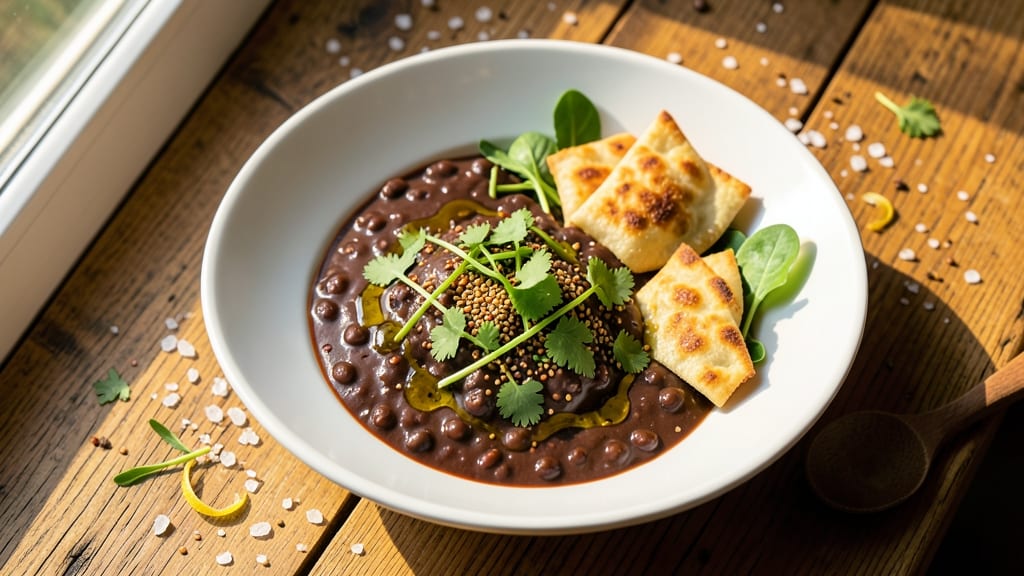
This black bean vinaigrette recipe transforms humble pantry staples into a bold, creamy dressing that elevates any dish. The secret lies in blending mashed black beans with citrus and herbs, creating a naturally emulsified sauce that clings beautifully to salads, bowls, or grilled vegetables.
Unlike traditional vinaigrettes, this version delivers rich texture without mayo or heavy cream.
The magic happens in the emulsification process—black beans act as a natural thickener, while Dijon mustard stabilizes the oil. Fresh lime juice brightens the flavor, and cilantro or parsley adds freshness that cuts through rich ingredients.
This dressing stays fresh for 5 days in the fridge, making it perfect for meal prep.
What sets this apart is its versatility—drizzle over grain bowls, use as a dip for veggies, or toss with roasted sweet potatoes. The bean base adds subtle earthiness that balances citrus acidity, creating a sauce that’s both sophisticated and approachable. No special equipment needed—just blend and taste.
For extra depth, toast cumin seeds or add a dash of smoked paprika before blending. The result? A dressing that’s restaurant-quality but requires only 10 minutes of active time. Let’s make it—your salads will never be the same.
Ingredients for black bean vinaigrette
Nine simple ingredients create this restaurant-quality black bean vinaigrette with bold citrus and herb notes.
| Ingredient | Amount | Notes |
|---|---|---|
| Canned Black Beans 🫘 | 1 cup | Drained, rinsed, and mashed smooth |
| Extra-Virgin Olive Oil 🫒 | ½ cup | High-quality, fruity variety |
| Fresh Lime Juice 🍋 | ¼ cup | Strained, seeds removed |
| Dijon Mustard 🌶️ | 1 tbsp | For emulsification stability |
| Fresh Cilantro Leaves 🌿 | ¼ cup | Chopped finely for brightness |
| Fresh Parsley Leaves 🌿 | ¼ cup | Chopped, as cilantro substitute |
| Raw Cumin Seeds 🌿 | ½ tsp | Toasted for aromatic depth |
| Smoked Paprika 🌶️ | ½ tsp | For subtle smokiness |
| Apple Cider Vinegar 🍶 | 1 tbsp | For tangy acidity |
| Sea Salt 🧂 | ½ tsp | Diamond Crystal preferred |
The black beans are the foundation—canned, not cooked from dry, for consistent texture. Rinse thoroughly to remove excess sodium, then mash until completely smooth. Trader Joe's or Whole Foods carry high-quality canned beans with minimal additives. For extra depth, toast the cumin seeds in a dry pan for 30 seconds before adding. The olive oil should be extra-virgin—its fruity notes elevate the dressing. If you prefer a milder flavor, reduce to 0.375 cup.
No fresh herbs? Dried cilantro or parsley at one-third the amount works in a pinch, though texture will differ. Substitute apple cider vinegar with red wine vinegar for a slightly different profile. For a smokier version, increase smoked paprika to 1 tsp. The Dijon mustard is critical—French varieties like Maille add complexity. If unavailable, whole-grain mustard works, but flavor will be less refined. For a nutty twist, add 1 tbsp tahini to the blend.
Store in an airtight glass jar in the fridge for up to 5 days. The dressing thickens as it chills—stir before using. For longer storage, freeze in ice cube trays for 3 months. Shake well after thawing. This vinaigrette clings beautifully to greens, grains, and roasted vegetables. Double the batch—it disappears quickly during meal prep.
Why You'll Love This Recipe
- I’ll be real: this recipe uses stuff you already have. Canned beans? Check. Olive oil and lime juice? Probably in your fridge. Even if you don’t cook much, you’ve got this—no special shopping trips or confusing ingredient lists.
- Let’s be honest: leftover chicken or quinoa gets boring fast. But when you toss this vinaigrette on it the next day? Suddenly it’s a whole new meal. Plus, it keeps in the fridge for days, so you’re not scrambling to use it up.
Step-by-step instructions for black bean vinaigrette
This vibrant dressing delivers restaurant-quality depth with just 10 minutes of active work.
Toast the Spices for Maximum Flavor
In a dry skillet over medium heat, toast the 0.5 teaspoon raw cumin seeds and 0.5 teaspoon smoked paprika for 30-45 seconds until fragrant and just beginning to darken. Watch closely—they'll burn quickly once they start to pop. Immediately transfer to a small bowl and let cool completely before grinding.
This step develops their aromatic oils, creating a smoky depth that transforms ordinary vinaigrette into something extraordinary. For best results, use a mortar and pestle to grind the spices to a fine powder—this releases even more flavor than a blender. Set aside the toasted spices for the next step.
Blend the Base Ingredients
In a food processor or high-speed blender, combine the 1 cup mashed black beans, 0.25 cup fresh lime juice, 1 tablespoon Dijon mustard, 1 tablespoon apple cider vinegar, and the toasted spice mixture. Pulse until completely smooth, stopping to scrape down the sides as needed. The mixture should be completely homogeneous with no visible bean texture remaining.
This blending creates the emulsifying base that will carry the oil. The black beans add natural creaminess while their earthy flavor complements the bright citrus and herbs. If your blender struggles with the beans, strain the mixture through a fine-mesh sieve to ensure absolute smoothness for the final dressing.
Gradually Incorporate the Olive Oil
With the blender running on low speed, slowly drizzle in the 0.5 cup extra-virgin olive oil over 30-45 seconds. This gradual addition is critical—it allows the oil to emulsify properly rather than separating. The dressing should thicken noticeably as you add the oil, becoming creamy rather than watery.
I like to add the oil in three separate additions, blending for 10 seconds between each. This staged approach prevents the mixture from becoming too thick too quickly. The final texture should be thick enough to coat the back of a spoon but still flow smoothly when drizzled.
Finish with Fresh Herbs and Season
Transfer the dressing to a medium bowl and stir in the 0.25 cup chopped fresh cilantro leaves and 0.25 cup chopped fresh parsley leaves. Add the 0.5 teaspoon sea salt and give everything a thorough mix. Taste immediately—this is your only chance to adjust the seasoning before serving.
The herbs should brighten the dressing with their freshness, while the salt balances the acidity. If needed, add a splash more lime juice for extra tang or a pinch of salt for better balance. The dressing should be vibrant, with a complex flavor profile that includes smoky, citrusy, and herbal notes all working together.
Rest and Emulsify
Cover the bowl with plastic wrap and let the dressing rest at room temperature for 15-20 minutes. This resting period allows the flavors to fully meld and the emulsion to stabilize. Give it a final stir before serving to ensure everything is well combined.
The dressing will continue to thicken slightly as it rests, which is normal. If it becomes too thick after resting, thin it with 1-2 teaspoons of water or additional lime juice. This vinaigrette keeps well in the refrigerator for up to 5 days in an airtight container, making it perfect for meal prep.
Pro Tips For Making Black Bean Vinaigrette
- Drain and Rinse Beans: The canning liquid is salty and muddies the vinaigrette. After opening, dump the beans into a colander and run cold water over them—this also cools them faster if you’re in a hurry. I used to skip this, and the dressing always tasted flat and heavy.
- Blend in Stages: Start with just the beans, lime juice, and mustard—this keeps the texture smooth without adding extra oil too soon. Only drizzle in the olive oil while blending, or you’ll end up with a thick paste instead of a silky dressing. (Yes, even if you’re impatient like me.)
- Strain the Cilantro: Chop the cilantro fine, then press it through a fine-mesh strainer or cheesecloth to remove stems and any grit. This gives you a cleaner flavor and avoids that annoying texture surprise when you bite into something unexpected. Trust me, your mouth will notice.
- Finish with a Splash of Water: If the vinaigrette turns out too thick, don’t force it by adding more oil—just stir in 1-2 teaspoons of cold water. The beans will soak it up, and the dressing stays balanced. I learned this the hard way after making a gloppy mess the first time.
Essential equipment for black bean vinaigrette
Blender Essentials
You don’t need a high-end blender, but a high-speed model like the Ninja BN601 or Vitamix E310 handles the emulsification best. The key is blending power—look for at least 1,000 watts to ensure smooth texture.
If you’re using a basic blender, strain the mixture through a fine-mesh sieve afterward to remove any lingering bean chunks. 💫
Measuring Tools
Precision matters for this recipe. Use a liquid measuring cup for the olive oil and lime juice, and a small kitchen scale (like the OXO Good Grips) for spices if you’re particularly detail-oriented.
A spoon rest keeps your hands clean while scooping herbs into the blender. I swear by a stainless steel whisk for stirring in the final herbs—it’s gentle on delicate leaves.
Storage Containers
Transfer the dressing to an airtight glass jar with a screw-top lid (like Le Parfait) for fridge storage. Glass preserves flavor better than plastic and won’t absorb odors.
For freezing, use silicone ice cube trays—they’re flexible, stackable, and make portion control effortless. Label with the date to track freshness. ❄️
Optional Upgrades
For a mortar and pestle (like the KitchenAid 10-inch), toast and grind your spices to a finer powder—this adds depth the blender can’t match. A microplane for zesting lime rind (if you add it) gives a brighter finish.
If you love meal prep, a mason jar with a pouring spout (like Ball Mason) makes drizzling effortless. 💡
Budget-Friendly Swaps
No fancy tools? A handheld immersion blender (like Hamilton Beach) works in a pinch—just blend directly in your mixing bowl. Use a wooden spoon for stirring instead of a whisk.
For storage, repurpose a clean, empty pasta sauce jar with a tight lid. The key is keeping everything airtight—even a plastic wrap-sealed bowl works in a bind. 💪
Nutrition facts
Frequently asked questions
Why does this vinaigrette use black beans instead of traditional mayo?
Black beans create a naturally creamy, protein-rich base that emulsifies beautifully with oil—no mayo needed! The beans add subtle earthiness while their fiber content makes the dressing more satisfying. Plus, it's vegan-friendly and packed with plant-based protein (about 7g per serving).
Can I make this without a blender?
Yes! Mash the beans with a fork until completely smooth, then whisk vigorously with all other ingredients (except oil) until fully combined. Gradually whisk in the oil drop by drop while continuously stirring—this manual method takes patience but achieves the same creamy texture. For best results, use a small whisk in a deep bowl.
How do I adjust the thickness for different uses?
For salad drizzling, keep it as written—light enough to coat greens. For dipping, add 1-2 tablespoons more olive oil and blend again. Too thick? Thin with 1 teaspoon lime juice or water. Too thin? Add 1/2 teaspoon more Dijon mustard and blend briefly to re-emulsify.
What's the best way to store leftovers?
Transfer to an airtight glass jar and refrigerate for up to 5 days. The dressing thickens when chilled—stir before using. For longer storage, freeze in ice cube trays for 3 months. Thaw overnight in the fridge, then stir to restore texture. Never freeze in metal containers as they can impart flavors.
Can I substitute other beans?
Yes, but texture and flavor will change. White beans work similarly (milder taste), while pinto beans add slight sweetness. Avoid kidney beans—they're too firm and won't blend smoothly. For a nutty twist, try 1/4 cup tahini instead of beans, but reduce lime juice to 2 tablespoons to balance the richness.