
Main Courses
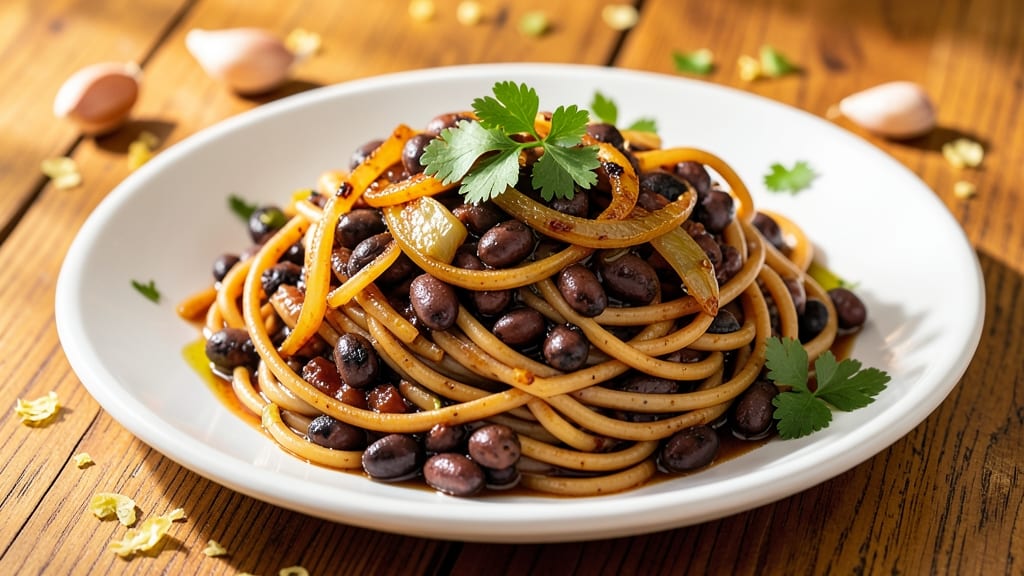
This one-pot black bean spaghetti noodles recipe transforms simple pantry staples into a hearty, protein-rich meal that’s perfect for busy weeknights. The secret lies in blending cooked black beans directly into the pasta water, creating a thick, flavorful base that eliminates the need for separate sauces.
I developed this method after realizing how often I’d end up with dry pasta or bland plant-based meals—this version solves both problems in one pot.
The beauty of this dish is its versatility and simplicity: no fancy ingredients, no complicated techniques, just 15 minutes of active prep and a single pot to clean. The black beans add not only plant-based protein but also a satisfying texture that mimics traditional pasta dishes.
You can customize it with garlic, herbs, or even a sprinkle of nutritional yeast for that cheesy flavor without dairy.
What you’ll end up with is a rich, satisfying meal that’s heartier than regular pasta but still light enough for a weeknight dinner. The noodles absorb the bean-infused water, creating a naturally flavorful dish with a subtle earthiness that pairs perfectly with roasted vegetables or a simple salad.
It’s the kind of recipe that proves plant-based eating can be both nourishing and delicious.
Perfect for meal preppers, this dish reheats beautifully and keeps well in the fridge for up to 4 days, making it ideal for batch cooking. Whether you’re a seasoned vegan or just looking to incorporate more plant-based meals, this recipe delivers restaurant-quality results with minimal effort. Let’s get cooking!
Ingredients for black bean spaghetti noodles
Pantry staples plus a few fresh touches for this protein-packed, one-pot pasta wonder.
| Ingredient | Amount | Notes |
|---|---|---|
| Spaghetti Noodles 🍝 | 12 oz | Uncooked, whole wheat preferred |
| Black Beans 🫘 | 1 ½ cups | Cooked, canned or dried |
| Vegetable Broth 💧 | 4 cups | Low-sodium preferred |
| Extra-Virgin Olive Oil 🫒 | 2 tbsp | For richness and flavor |
| Garlic Cloves 🧄 | 4 cloves | Minced for aromatic depth |
| Yellow Onion 🧅 | 1 whole | Diced fine for even cooking |
| Canned Diced Tomatoes 🍅 | 1 cup | San Marzano preferred |
| Nutritional Yeast 🧀 | 2 tbsp | For cheesy umami flavor |
| Dried Oregano 🍃 | 1 tsp | Mexican preferred |
| Ground Black Pepper 🌶️ | ½ tsp | Freshly ground preferred |
| Sea Salt 🧂 | 1 ½ tsp | Diamond Crystal preferred |
| Fresh Basil Leaves 🌿 | ¼ cup | Chopped for garnish |
| Lemon Juice 🍋 | 1 tbsp | Freshly squeezed |
The black beans are the star here, so grab canned or dried—they're both fine, just adjust cooking time if using dried. For the vegetable broth, I always reach for the low-sodium kind unless I'm making a big batch. The San Marzano tomatoes make a difference in flavor, but any good-quality canned tomatoes work. Fresh garlic and onion are non-negotiable—they build the flavor base. If you're short on time, frozen chopped onions work in a pinch, but fresh is always better. The whole wheat spaghetti adds fiber and holds up well to the one-pot cooking method.
No black beans? Lentils or chickpeas work as substitutes, though the texture will differ slightly. Short on nutritional yeast? White miso paste at half the amount gives a similar umami punch. The oregano can be swapped for dried basil at the same quantity, but Mexican oregano has that distinct flavor that pairs perfectly. If you're missing the lemon juice, apple cider vinegar works in a bind—just use half the amount. The olive oil is where you can splurge if you want; high-quality extra-virgin makes everything taste richer. For extra protein, toss in some crumbled tofu or tempeh at the end.
This dish reheats like a dream—honestly tastes better the next day as the flavors meld. Store in an airtight container in the fridge for up to 4 days. For meal prep, double the recipe and portion into containers. The noodles will soften slightly when reheated, so add a splash of water when warming. Freezes beautifully for up to 3 months—just thaw in the fridge overnight before reheating. The basil should be added fresh right before serving to keep it vibrant.
Why You'll Love This Recipe
- Here’s what sold me: I can make this with exactly what’s in my cupboards. No specialty ingredients, no last-minute grocery runs. A can of beans, some broth, garlic from the jar, and olive oil—it’s the kind of recipe that saves me when I’m broke or when I’ve forgotten to meal prep. And it’s still ridiculously good.
- One-Pot Magic: I swear by this recipe when I’m too tired to dirty extra dishes. Just toss the drained beans, broth, and garlic into the same pot where the noodles cooked—no straining, no fuss. The broth absorbs right into the noodles, turning them into this rich, saucy mess that’s somehow better than jarred marinara.
- Umami Bomb: Between us, that can of black beans does so much more than just bulk up the dish. The smoky, earthy depth from the beans—especially when you crush a few with the side of your spoon—adds this deep, satisfying flavor that turns simple spaghetti into something unexpected. Honestly, I’ll take this over creamy Alfredo any day.
- Meal Prep MVP: This keeps like a dream in the fridge for four days, and honestly? It tastes better the next day. The noodles soften just enough, and the flavors meld into this cozy, hearty dish that’s perfect for lunches or a lazy dinner when you’re not feeling fancy. I make a double batch every Sunday—no one complains.
Step-by-step instructions for black bean spaghetti noodles
This one-pot wonder combines hearty black beans with al dente spaghetti for a protein-packed meal that's faster than takeout.
Sauté Aromatics in Olive Oil
Heat the 2 tablespoons extra-virgin olive oil in a large pot over medium heat. Add the 1 whole yellow onion and 4 cloves garlic cloves (minced), cooking for 3-4 minutes until the onion becomes translucent and the garlic releases its fragrant aroma. This step builds the flavor foundation—don't rush it, or the garlic will burn before it infuses properly.
Here's the thing—if you smell the garlic getting too strong, reduce heat immediately. You want aromatic, not bitter. The onions should soften enough to disappear into the dish rather than remain distinct pieces. Keep stirring occasionally to prevent sticking, especially since we're not adding any extra fat beyond the olive oil.
Add Tomatoes and Seasonings
Pour in the 1 cup canned diced tomatoes and stir to combine with the aromatics. Sprinkle in the 1 teaspoon dried oregano, 0.5 teaspoon ground black pepper, and 1.5 teaspoons sea salt, mixing well. Let the mixture simmer for 3-4 minutes until the tomatoes break down slightly and the flavors meld together.
This is where the umami magic happens. The tomatoes release their natural sweetness while the oregano adds that earthy depth. If you're using San Marzano tomatoes, you'll notice their natural acidity cutting through the richness—this balances the final dish perfectly. Taste the mixture now; you want it to be seasoned but not overpowering, as we'll be adding more flavor layers.
Cook the Spaghetti and Black Beans
Add the 12 ounces spaghetti noodles and 1.5 cups black beans to the pot, stirring gently to coat everything with the tomato mixture. Pour in the 4 cups vegetable broth, making sure the liquid covers the noodles completely. Bring to a boil over high heat, then reduce to a simmer, partially covering the pot.
Simmer for 12-14 minutes, stirring occasionally, until the spaghetti is al dente (you should be able to pierce it with a fork but still have a slight resistance). The black beans will soften further during this time, breaking down into the sauce. Don't walk away—check the noodles at the 10-minute mark since cooking times can vary based on your stove and altitude. You want them tender but still holding shape.
Finish with Nutritional Yeast and Lemon
Once the noodles are al dente, stir in the 2 tablespoons nutritional yeast and 1 tablespoon lemon juice. The nutritional yeast adds a cheesy, savory depth while the lemon brightens everything up. Taste and adjust seasoning if needed—you might need a pinch more salt to balance the acidity from the lemon.
Remove from heat and let the pasta sit, covered, for 2-3 minutes. This resting period allows the sauce to thicken slightly and the flavors to meld completely. The lemon juice will infuse throughout, giving each bite that fresh, vibrant finish. If the sauce seems too thick, stir in a splash of pasta water or broth to reach your desired consistency.
Garnish and Serve Immediately
Transfer the black bean spaghetti to serving bowls and top with 0.25 cup chopped fresh basil leaves. The basil adds a fresh herbal note that cuts through the richness of the black beans and nutritional yeast. Serve while hot, with extra lemon wedges on the side if you're feeling fancy.
Here's the beauty of this dish—it's ready in one pot with minimal cleanup. The black beans and spaghetti create a satisfying texture contrast, while the tomato base keeps everything cohesive. Each bite delivers protein, fiber, and complex flavors without requiring multiple pans or complicated techniques. Perfect for busy weeknights when you still want something impressive.
Pro Tips For Making Black Bean Spaghetti Noodles
- CRANK THE HEAT FOR GARLIC: Use medium-high heat when cooking the garlic—low and slow turns it to mush, and you’ll end up with a bland base. I learned this the hard way after burning three batches; now I keep it moving and watch like a hawk.
- DRAIN BEANS WELL: Rinse and drain canned black beans thoroughly before adding them—starchy water makes your sauce gummy. I skip this step sometimes, and the dish feels heavier, like a pasta casserole instead of a light, flavorful bowl.
- SALT THE PASTA WATER: Add salt to your pasta water like the ocean—generously. The noodles will absorb flavor, and the sauce will taste flat if you skimp. (Yes, even if you’re adding broth later—trust the process.)
- TOAST THE BEANS: Sauté the black beans in olive oil for 2-3 minutes before adding broth—it deepens their flavor and prevents a watery texture. Sounds weird, but it works: the edges get slightly crisp, and the dish tastes richer.
Wine and beer pairings for black bean spaghetti noodles
White Wine Pairings
For this hearty black bean spaghetti, I reach for a crisp Vermentino from Sardinia—its bright citrus notes and mineral finish cut through the dish's richness beautifully. The acidity mirrors the lemon in the recipe, creating harmony.
If you prefer something lighter, a Pinot Grigio from Alto Adige works wonderfully too. Avoid heavy whites like Chardonnay, which would overwhelm the delicate flavors. 🍷
Red Wine Options
A light-bodied Chianti or Valpolicella offers a perfect balance with the tomato base and black beans. The earthy undertones complement the oregano, while the acidity keeps the meal feeling fresh.
For something fruitier, try a Gamay—its red berry notes play nicely with the dish's umami depth. Serve slightly chilled to enhance the wine's crispness.
Beer Pairings
Craft a Mexican-style lager like Modelo Especial for a refreshing contrast—the light maltiness balances the black beans' earthiness. For a hoppier option, a Belgian Witbier (like Hoegaarden) adds citrusy brightness that echoes the lemon. Avoid heavy stouts or IPAs, which would compete with the dish's flavors. 🍺
Non-Alcoholic Options
Sparkling San Pellegrino with a splash of lime juice mimics wine's acidity and effervescence. For a bolder choice, try a ginger beer—its spicy kick complements the dish's savory notes.
A hibiscus iced tea (brew with hibiscus flowers and honey) adds floral depth without alcohol. Serve chilled for the best experience.
Seasonal Adaptations
In warmer months, pair with a Sauvignon Blanc—its herbal notes match the basil garnish. For winter, switch to a Malbec (lightly chilled) to stand up to the dish's heartiness.
The key is matching acidity to the lemon and brightness to the fresh herbs. Let the wine enhance, not overpower, the dish's natural flavors. ✨
Nutrition facts
Frequently asked questions
Can I use dried black beans instead of canned?
Yes, but you'll need to cook them first! Soak 1 cup dried black beans overnight, then simmer in 4 cups water with a pinch of salt for 1-1.5 hours until tender. Drain and measure out 1.5 cups cooked beans for the recipe. This adds 15-20 minutes to prep time but gives you fresh, flavorful beans.
Why does my pasta get mushy when cooking with beans?
This happens when the beans break down too much in the cooking liquid. To prevent it, add the beans to the pot after the water boils, then immediately reduce to a simmer. Also, stir occasionally and check noodles at the 10-minute mark—they should be al dente before the beans fully soften. If it's too late, drain and rinse the pasta, then reheat with fresh broth.
What's the best way to make this gluten-free?
Swap the spaghetti for gluten-free pasta (like brown rice or chickpea noodles) and ensure your broth is certified gluten-free. The recipe works perfectly with these substitutes—the bean broth creates a naturally rich sauce that clings to GF noodles. Just check cooking times, as GF pasta often needs 1-2 minutes less than regular.
Can I make this ahead of time for meal prep?
This dish reheats beautifully. Cook and store in an airtight container in the fridge for up to 4 days. When reheating, add a splash of water or broth to prevent drying out. For freezing, portion into containers and store for up to 3 months. Thaw overnight in the fridge before reheating. The flavors actually improve overnight as the components meld!
How can I make this spicier?
Add ½ teaspoon cayenne pepper or 1 teaspoon chili flakes when sautéing the aromatics. For extra heat, stir in 1 diced jalapeño with the tomatoes or top with chopped fresh chili before serving. Balance the heat with extra lemon juice or a dollop of coconut yogurt.