
Soups & Stews
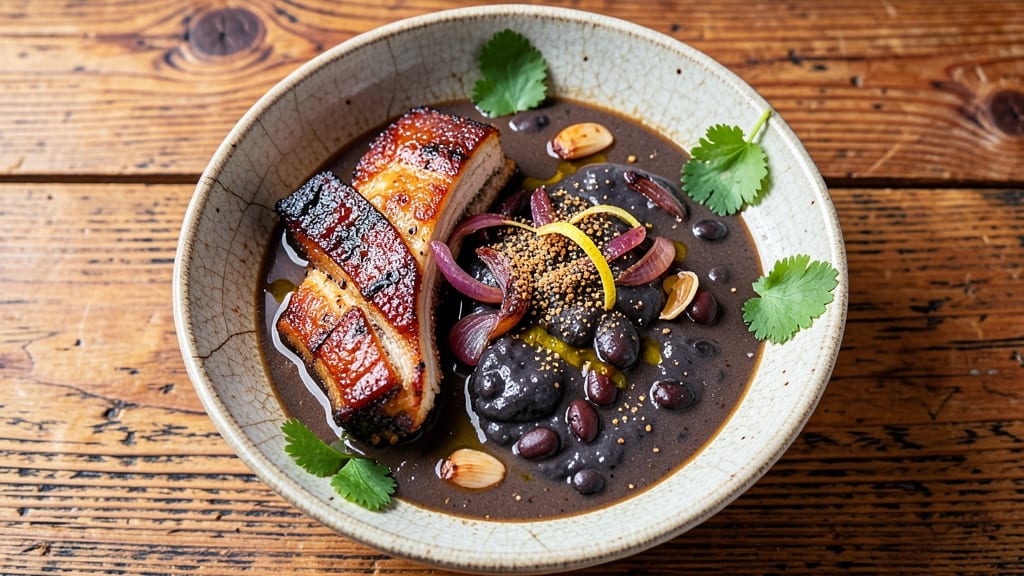
This black bean soup with pork ribs recipe brings together two beloved traditions—smoky, fall-off-the-bone ribs and hearty black beans—into one deeply satisfying meal. 🔥 As someone who's spent years perfecting pork dishes at Atlanta's The Smoky Pig, I can tell you the secret lies in slow-braising the ribs until they're tender, then letting them soak up the rich, spiced bean broth.
The result? A bowl that's equal parts comforting and bold, with layers of flavor from cumin, garlic, and a touch of heat.
The beauty of this recipe is its balance of tradition and convenience. While traditional methods call for hours of simmering, I've included a pressure cooker option that delivers the same deep flavors in a fraction of the time.
The ribs develop that signature smoky bark when seared first, while the black beans soften just enough to absorb the pork's juices. Every spoonful delivers tender meat, creamy beans, and a broth that's rich enough to sip straight from the bowl.
What makes this dish truly special is how it comes together—start with ribs that are seared to perfection, then build the soup with aromatics that bloom in the pot. The slow cooking transforms tough cuts into melt-in-your-mouth pieces, while the beans develop a satisfying texture that's neither mushy nor undercooked.
This isn't just soup; it's a flavor experience that feels like a hug in a bowl.
Pair it with warm tortillas and a cold Mexican lager to complete the meal. The ribs' smokiness and the beans' earthiness create a harmony that's both rustic and refined—exactly the kind of dish that turns a weeknight into a celebration. Let's get cooking.
Ingredients for black bean soup with pork ribs
Six hearty ingredients and a few pantry staples—this smoky, soul-warming soup brings ribs and beans together in perfect harmony.
| Ingredient | Amount | Notes |
|---|---|---|
| Pork Ribs (Baby Back or St. Louis Style) 🍖 | 3 lb | Meaty cuts with bone, trimmed |
| Dried Black Beans 🌱 | 1 ½ cups | Rinsed before soaking |
| Onion (Yellow or Red) 🧅 | 1 whole | Chopped into 1/2-inch pieces |
| Garlic Cloves 🧄 | 6 cloves | Minced for aromatic base |
| Ground Cumin 🌿 | 2 tsp | Toasted for deeper flavor |
| Smoked Paprika 🌶️ | 1 tbsp | For signature smoky taste |
| Dried Oregano 🍃 | 1 tsp | Mexican oregano preferred |
| Bay Leaves 🍃 | 2 whole | For herbal depth |
| Chicken or Vegetable Broth 💧 | 6 cups | Low-sodium preferred |
| Tomato Paste 🍅 | 2 tbsp | Squeeze tube works great |
| Olive Oil 🫒 | ½ cup | Extra-virgin for richness |
| Lemon Juice 🍋 | 1 tbsp | Brightens the flavors |
| Salt 🧂 | 1 ½ tsp | Adjust to taste |
| Black Pepper 🌶️ | 1 tsp | Freshly ground preferred |
| Cumin Seeds (Optional) 🌿 | ½ tsp | Toasted for extra aroma |
The ribs are the star here, so pick meaty cuts with good marbling—baby back or St. Louis style both work. Costco or local butchers often have the best selection, but your grocery store's meat counter should have what you need. Look for ribs that still have some fat cap—it keeps them moist during cooking. If you're short on time, pre-cut ribs from the deli section save chopping, though they cost more. The black beans? Dried is best—they hold up better to long cooking than canned, but if you're in a pinch, two 15-ounce cans (drained and rinsed) work in a hurry.
No smoked paprika? Regular paprika plus a pinch of liquid smoke gets you close, though it won't be quite the same. The cumin seeds are optional but worth toasting in the pot first—they add a nutty depth that ground cumin can't match. Short on broth? Water plus a bouillon cube works, but you'll lose some richness. The tomato paste can be swapped for fresh tomatoes (about 1 cup diced), but Trader Joe's squeeze tubes are perfect for this recipe—no waste, and they keep for months. If you're using dried beans, soak them overnight, but the quick-soak method (boiling for 2 minutes, then resting) works in a pinch if you're in a hurry.
This soup tastes even better the next day as the flavors meld. Store leftovers in the fridge for up to 5 days or freeze for 3 months. I always make a double batch—one for dinner, one for lunches. The ribs reheat beautifully, though they'll be more tender than when first cooked. For serving, warm tortillas on a dry skillet or in the oven. A cold Mexican lager cuts through the richness perfectly, but any crisp beer or sparkling water works too. The broth freezes well if you want to make it ahead—just thaw and reheat with the ribs.
Why You'll Love This Recipe
- One-Pot Magic: I swear by this recipe for lazy Sundays—just toss ribs, beans, and spices into a pot, let it simmer, and walk away. No chopping mountains of veggies or fussing with multiple pans; the onions and garlic soften into the broth while you’re still deciding whether to open a bottle of wine.
- Cumin-Kissed Depth: That earthy cumin? It’s the secret weapon—warming, smoky, and just enough to make every spoonful feel like a hug. The ribs fall off the bone tender, soaking up the bean broth like a sponge, while the garlic lingers in the background like a good memory.
- Leftovers That Beg: Between us, this soup only gets better the next day. The flavors meld into something richer, and reheating it is chef’s kiss—perfect for packing lunches or feeding unexpected guests. (Yes, even on a Tuesday night.)
- Budget-Friendly Feast: Pork ribs on sale? Black beans in the pantry? This recipe stretches every dollar without skimping on flavor. I’ve fed four people for under $15, and no one ever complains about the leftovers—because they’re that good.
Step-by-step instructions for smoky rib and black bean soup
Here's how to create a rich, smoky soup where tender pork ribs meet hearty black beans.
🔥 Step 1: Sear the Pork Ribs to Build Deep Flavor
Pat the 3 lb pork ribs dry with paper towels—this ensures a good sear. Heat 0.5 cup olive oil in a large Dutch oven over medium-high heat until shimmering. Add the ribs in a single layer and sear for 8-10 minutes per side until deeply browned and caramelized.
Here's the thing—don't crowd the pan. You want those ribs to develop that beautiful crust without steaming. If your ribs are large, work in batches. Once browned, transfer them to a plate and set aside. You'll notice the oil will look darker and more flavorful—this is the foundation of your soup's depth.
👨🍳 Step 2: Toast Spices and Sauté Aromatics
In the same Dutch oven (no need to wipe it clean—those browned bits are flavor gold), reduce heat to medium and add the 0.5 tsp optional cumin seeds if using. Toast them for 30 seconds until fragrant and slightly popping. Remove them with a slotted spoon and set aside.
Add the 1 whole chopped onion and cook for 5 minutes until softened and translucent. Stir in the 6 minced garlic cloves and cook for another 30 seconds until fragrant—this prevents bitter garlic flavor. Sprinkle in the 2 tsp ground cumin, 1 tbsp smoked paprika, 1 tsp dried oregano, 1.5 tsp salt, and 1 tsp black pepper. Stir for 1 minute to toast the spices and release their aromas.
🍳 Step 3: Build the Soup Base with Tomato and Beans
Add the 2 tbsp tomato paste and stir for 1 minute until it darkens slightly. Pour in the 6 cups chicken or vegetable broth and bring to a gentle boil. Add the 1.5 cups rinsed dried black beans (no need to soak—this slow cooking method works perfectly) and the 2 whole bay leaves. Return the ribs to the pot, bone-side up.
Reduce heat to low and let it simmer uncovered for 1 hour 15 minutes. You'll see the beans start to soften and the ribs begin to fall off the bone. Here's where patience pays off—the longer it simmers, the more flavor develops. Stir occasionally to prevent sticking, but don't worry if the beans don't soften completely—they'll finish cooking in the remaining time.
⏰ Step 4: Finish with Lemon and Rest the Ribs
After 1 hour 15 minutes, carefully remove the ribs with tongs and place them on a cutting board. Let them rest for 10 minutes while you finish the soup. Discard the bay leaves and stir in the 1 tbsp lemon juice. Taste and adjust seasoning—you might need a bit more salt since we're using low-sodium broth.
While the soup simmers for another 15 minutes to let the flavors meld, use two forks to shred the ribs into bite-sized pieces. Return them to the pot and stir gently to combine. The ribs should be tender enough to pull apart easily, and the beans should be fully cooked but still hold their shape. If the soup is too thick, add a splash of warm broth to reach your desired consistency.
🍽️ Step 5: Serve with Crispy Toppings
Ladle the soup into bowls and garnish with the toasted cumin seeds and any reserved sear oil from the Dutch oven. Serve immediately with warm cornbread or crusty bread to soak up every last drop of that smoky, savory broth. The contrast of tender ribs, hearty beans, and bright lemon makes each spoonful irresistible.
Real talk: this soup tastes even better the next day as the flavors continue to develop. Store leftovers in the fridge for up to 4 days or freeze for 3 months. Reheat gently on the stove with a splash of broth to maintain that perfect texture.
Pro Tips For Making Black Bean Soup With Pork Ribs
- CRACK THE RIB BONES FIRST: I used to toss raw ribs straight into the pot and wonder why the soup tasted like it was missing something. Cut the ribs into 2-inch chunks, then blanch them in boiling water for 3 minutes—this loosens the collagen and renders fat before the long simmer, so your soup won’t turn greasy later. (Yes, even if you’re impatient like me.)
- SOAK BEANS IN VINEGAR: Dried black beans need a head start, but plain water softens them too fast. Soak them overnight in cold water with 1 tablespoon of white vinegar—this keeps the skins intact and cuts down on the gummy texture that ruins a good soup. Drain and rinse before adding to the pot.
- BROWN THE CUMIN LOW: Ground cumin burns faster than you’d think, especially when you’re stirring onions and garlic. Toast it in a dry pan over medium-low heat for 30 seconds until fragrant—just until you smell it, not until it darkens. This prevents bitterness and lets the earthy flavor shine through the pork and beans.
- SIMMER THE RIB FAT: After adding the ribs to the pot, bring everything to a boil once, then drop to a gentle simmer—think tiny bubbles, not rolling. The fat from the ribs needs time to emulsify into the broth, creating a naturally rich mouthfeel. Cover and cook uncovered if needed; the goal is slow, steady melting, not a race.
Storing and reheating this dish
Refrigerator Storage
Let your soup cool to room temperature (about 1 hour) before transferring to airtight containers—I swear by glass Pyrex with snap-on lids for even reheating. Store in the fridge at 40°F or below for up to 5 days.
The ribs and beans actually taste better after resting overnight as flavors meld. I always double the recipe so we have leftovers for lunches—trust me, the second day is when this soup shines. 💫
Freezer Prep Tips
For long-term storage, freeze in quart-sized freezer bags (leave 1 inch headspace for expansion). Lay flat to save space and label with the date. This soup freezes beautifully for up to 3 months without texture loss. I like to freeze portions separately so I can pull out exactly what I need.
Stovetop Reheating
My preferred method is stovetop reheating because it maintains the perfect texture. Pour soup into a pot and heat over medium-low heat for 10-15 minutes, stirring occasionally. Add 2-3 tbsp broth or water if it looks too thick—this prevents sticking and keeps the ribs tender. Taste and adjust seasoning since flavors concentrate during storage. The ribs should be warm through but not dry. 🔥
Microwave Safety
For quick reheating, transfer soup to microwave-safe containers and heat in 1-minute intervals on 50% power, stirring between each interval. Cover loosely with a microwave-safe lid to retain moisture.
The ribs will be more tender after reheating, which is perfect for sandwiches. Avoid microwaving frozen soup—thaw first in the fridge. 💡
Rib Texture Rescue
If your reheated ribs seem dry, place them in a small pot with ¼ cup fresh broth and heat for 3-5 minutes until warmed through. The liquid will help restore moisture without making the soup watery.
I keep a small stash of extra broth in the freezer just for this purpose. The beans hold up beautifully to reheating—just stir them back into the soup when ready to serve. 💪
Nutrition facts
Frequently asked questions
Can I substitute canned black beans instead of dried?
Use 2 (15-ounce) cans of drained and rinsed black beans to replace the 1.5 cups dried. Just reduce the broth by 1 cup since canned beans already absorb liquid. The texture will be slightly softer, but the flavor remains rich and satisfying. This shortcut cuts prep time by nearly 12 hours!
How do I make this soup in a pressure cooker?
Sear the ribs as directed, then add all ingredients except lemon juice to your pressure cooker. Seal and cook on high pressure for 30 minutes (no need to natural release). Quick-release the pressure, stir in lemon juice, and shred the ribs. The beans will be perfectly tender, and the ribs will be fall-off-the-bone tender in just 45 minutes total!
What's the best way to reheat leftovers without drying out the ribs?
Reheat gently on the stovetop over medium-low heat for 10-15 minutes, stirring occasionally. Add 2-3 tbsp broth or water if needed to maintain moisture. Microwave in 1-minute intervals on 50% power—the ribs will be more tender after reheating, perfect for sandwiches or tacos!
Can I make this soup vegetarian?
Swap the pork ribs for extra-firm tofu or tempeh (pressed and cubed). Sear the tofu first for texture, then proceed with the recipe. Add 1 tbsp soy sauce to the broth for umami depth. The beans will still be hearty, and the smoky paprika keeps the dish rich and satisfying!
Why does my soup taste bland after reheating?
Flavors concentrate during storage, so taste and adjust seasoning with salt, lemon juice, or smoked paprika as needed. The ribs may also need a splash of fresh broth to restore moisture. For extra depth, stir in 1 tsp toasted cumin seeds or a dash of hot sauce before serving!