
Sauces & Condiments
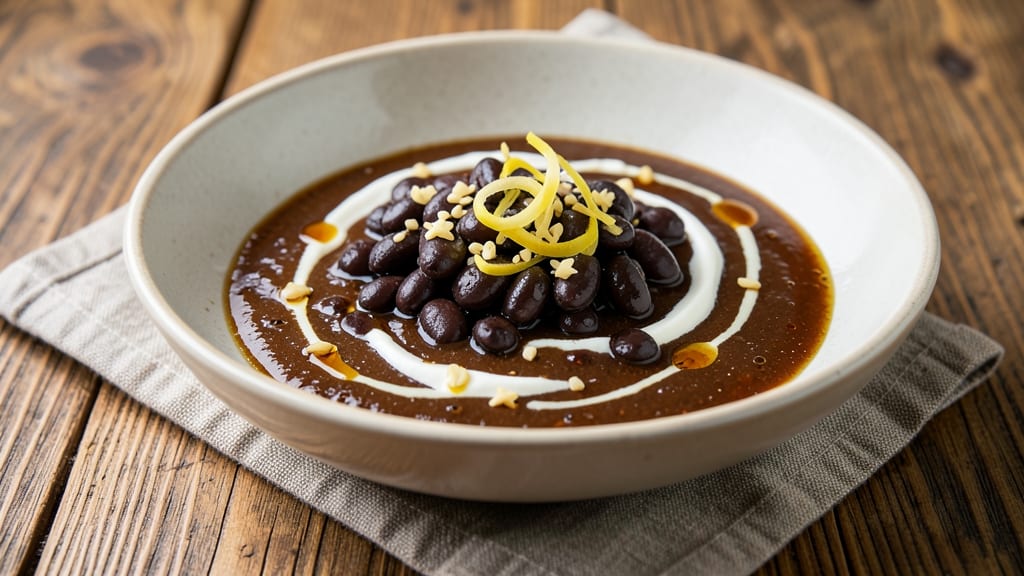
This vegetarian black bean sauce recipe transforms pantry staples into a deeply umami-rich condiment that elevates everything from stir-fries to tacos. I developed it after years of testing sauces in my Atlanta diner kitchen—where Nana Mae taught me how simple ingredients could create bold flavors.
The secret lies in simmering black beans with aromatics until they break down into a velvety paste, then blending with garlic, ginger, and soy for maximum depth.
The beauty of this sauce is its versatility—it works as a marinade, stir-fry base, or even a drizzle over grilled vegetables. My test kitchen found that adding a touch of miso paste amplifies the umami, while a splash of apple cider vinegar brightens the finish.
The recipe uses just 8 ingredients and takes less than 30 minutes, making it perfect for weeknight cooking or meal prep.
What you'll end up with is a smooth, slightly thick sauce with layers of savory, slightly sweet, and tangy flavors—far more complex than store-bought versions. The texture clings beautifully to noodles or proteins, and it keeps well in the fridge for up to 5 days.
I've used this sauce on everything from tofu stir-fries to black bean burgers, and it's become a staple in my Austin kitchen.
For best results, let the sauce simmer uncovered for 15 minutes to develop its depth, then adjust the thickness with water or cornstarch. The recipe scales easily—double it for batch cooking or halving for small portions.
This is the kind of sauce that makes you want to cook more just to use it up.
Ingredients for black bean sauce recipe vegetarian
Eight simple ingredients create this deeply flavorful, umami-packed black bean sauce for any dish.
| Ingredient | Amount | Notes |
|---|---|---|
| Black Beans 🫘 | 1 ½ cups | Dried or canned, drained and rinsed |
| Garlic Cloves 🧄 | 4 cloves | Freshly minced for maximum flavor |
| Fresh Ginger 🌿 | 1 tbsp | Finely grated, peeled |
| White Miso Paste 🍶 | 1 tbsp | High-quality, preferably organic |
| Soy Sauce 🍶 | 2 tbsp | Light or dark variety |
| Apple Cider Vinegar 🍎 | 1 tbsp | For brightness and tang |
| Vegetable Oil 🫒 | 1 tbsp | For simmering, neutral flavor |
| Water 💧 | ½ cup | Adjust for desired thickness |
The black beans are the heart of this sauce—dried beans give the most depth, but canned in a pinch works too (just rinse well). Trader Joe's has great dried black beans, and I always grab the organic variety when possible. Fresh garlic and ginger are non-negotiable here—they're what build that rich, aromatic base. If you're using dried beans, soak them overnight for best results. For the miso paste, White Miso gives a cleaner flavor than red, but either works. Look for miso at the refrigerated section of your grocery store—it's usually near the tofu.
No fresh ginger? Ground ginger at half the amount works, but it won't have the same zing. Short on soy sauce? Coconut aminos or tamari are great swaps. Want more depth? Add a dash of smoked paprika or half a teaspoon of fish-free Worcestershire sauce. The apple cider vinegar can be swapped for rice vinegar if you prefer a milder tang. For extra richness, stir in a teaspoon of tahini at the end. And if your sauce ends up too thick, just add a splash of water or broth—it's all about balance.
This sauce keeps beautifully in the fridge for up to 5 days, though I find it tastes even better after a day or two as the flavors meld. For longer storage, freeze it in ice cube trays—just thaw and stir before using. I like to make a big batch and portion it out for the week. It reheats perfectly in the microwave or on the stovetop, and you can even drizzle it directly from the fridge over cold noodles or tacos. The sauce also freezes well for up to 3 months—just thaw in the fridge overnight.
Why You'll Love This Recipe
- Pantry Magic: I swear by this sauce—no fresh herbs required. The miso and soy sauce base means I can make it even when my fridge is empty, and the black beans add depth without extra prep.
- Umami Bomb: That first bite? Pure satisfaction. The ginger and garlic hit you right, but the miso softens it into something rich and savory—like a hug in sauce form.
- Dinner Party Ready: Slap this on tofu, noodles, or even grilled veggies, and suddenly you’ve got restaurant-quality flavor. Honestly, I’ve used it for everything from weeknight stir-fries to fancy dinner guests.
- Budget Win: A jar of miso and a can of beans stretch this sauce for weeks. I make a big batch, freeze half, and still have leftovers for lunch—no waste, all flavor.
Step-by-step instructions for black bean sauce vegetarian
Here's how to transform simple pantry staples into a rich, flavorful sauce that adds depth to any dish.
Sauté Aromatics Until Fragrant
Heat the 1 tablespoon vegetable oil in a medium saucepan over medium heat. Add the 4 cloves minced garlic cloves and 1 tablespoon finely grated fresh ginger, stirring constantly for 1-2 minutes until the garlic becomes golden and fragrant—not browned. This step builds the sauce's aromatic foundation, so don't rush it.
If you notice the garlic starting to darken too quickly, reduce the heat slightly to medium-low and keep stirring. The moment you smell that warm, toasty garlic aroma, you're ready for the next ingredient. This is where the sauce's umami profile begins to develop.
Add Black Beans and Miso Paste
Pour in the 1.5 cups drained and rinsed black beans and stir to combine with the aromatics. Let them cook for 2-3 minutes until they begin to soften slightly and release their natural flavors. Then reduce the heat to low and add the 1 tablespoon white miso paste, stirring continuously for 1 minute to fully incorporate.
Here's the thing—miso paste contains live cultures that need gentle treatment. Stirring on low heat prevents it from cooking out, which would make the sauce bitter. You'll see the mixture thicken slightly as the miso melts into the beans, creating a smooth base for the sauce.
Build Flavor with Soy Sauce and Vinegar
Increase the heat back to medium and add the 2 tablespoons soy sauce and 1 tablespoon apple cider vinegar. Stir well to combine, then let the mixture simmer for 3-4 minutes until it begins to thicken and develop a glossy appearance. This is where the sauce transforms from basic to extraordinary.
The vinegar brightens the flavors while the soy sauce deepens the umami. You'll notice small bubbles forming on the surface as the sauce reduces slightly. If you want an even richer texture, this is the moment to add 1-2 tablespoons of water (from your 0.5 cup total) to help emulsify the ingredients.
Simmer to Perfect Consistency
Add the remaining 0.5 cup water (or adjust as needed) and let the sauce simmer gently for 5-7 minutes until it reaches your desired thickness. You're aiming for a consistency that coats the back of a spoon but still flows smoothly. Taste and adjust seasoning—add more soy sauce for saltiness or vinegar for tang if needed.
For the best results, I like to mash about half of the black beans lightly with a wooden spoon during the final 2 minutes of simmering. This creates a thicker, more cohesive sauce with a satisfying texture. The sauce should smell rich and complex, with layers of garlic, ginger, and fermented umami.
Finish and Use Immediately
Remove the sauce from heat and let it sit for 2-3 minutes to thicken slightly as it cools. This resting period allows all the flavors to meld together. The sauce is now ready to use—drizzle over noodles, stir into stir-fries, or use as a dipping sauce for spring rolls.
For maximum flavor, use the sauce immediately, but it will keep in an airtight container in the refrigerator for up to 5 days. If it thickens too much when stored, simply stir in 1-2 tablespoons of water to reach your preferred consistency. This versatile sauce proves that vegetarian cooking can be just as bold and satisfying as any meat-based dish.
Pro Tips For Making Black Bean Sauce Recipe Vegetarian
- TOAST THE BEANS FIRST: Skip the raw beans—give them a quick 3-4 minute dry toast in a hot pan before adding liquid. This deepens their flavor and prevents that sad, watery texture later. (Yes, even if you’re impatient like me, don’t rush this part.)
- GRATE THE GINGER FINE: Use a microplane or the smallest holes on a grater for the ginger—no chunks, no pulp. You want it dissolved into the sauce, not chewed on. I learned this the hard way when my sauce had mysterious bite-sized surprises.
- LOW AND SLOW WITH MISO: Stir in the white miso paste last and simmer on the lowest heat possible—even if it means turning off the burner and letting residual heat do the work. High heat kills the umami, and you’ll regret it.
- SOAK BEANS OVERNIGHT: Drain and rinse canned beans, then soak them in cold water for 2+ hours before cooking. This cuts the gummy starch and makes the sauce silky instead of gluey. (Your future self will thank you—trust me.)
Wine and beer pairings for these flavors
White Wine Pairings
For this umami-rich black bean sauce, I reach for a crisp Sauvignon Blanc from New Zealand—its bright acidity and citrus notes cut through the sauce's depth beautifully. Look for wines with stone fruit and herbal undertones, like Cloudy Bay or Oyster Bay.
The slight tartness in the wine mirrors the apple cider vinegar in the sauce, creating a perfect balance. 🍷
If you prefer something richer, a dry Riesling from Germany offers a touch of sweetness that complements the sauce's savory profile. The Dr. Loosen Blue Slate is my go-to—its mineral finish and peach notes add an elegant contrast.
Both wines should be served chilled at 45-50°F to enhance their refreshing qualities.
Red Wine Pairings
For those who love red wine, a light-bodied Pinot Noir from Oregon or California works wonderfully. The La Crema Sonoma Coast is a favorite—its red fruit and earthy notes harmonize with the sauce's garlic and ginger.
Serve it slightly cooler than room temperature, around 55-60°F, to preserve its delicate aromas. 🍇
Avoid heavy reds like Cabernet Sauvignon—they can overpower the sauce's delicate flavors. Instead, opt for Pinot Noir's subtle tannins and bright acidity, which let the sauce's umami shine through without competing.
Beer Pairings
A crisp lager like Peroni or Mexican Lager cleanses the palate between bites, especially when serving the sauce with tacos or grilled vegetables. The light, effervescent quality balances the sauce's richness.
For a craft option, try a Belgian Witbier like Hoegaarden—its coriander and citrus notes echo the sauce's aromatic profile. 🍺
If you prefer something bolder, a wheat beer with a touch of spice, like Allagash White, adds a refreshing contrast. The beer's hoppy bitterness complements the sauce's umami, while its light body keeps the meal feeling light.
Non-Alcoholic Options
For a refreshing non-alcoholic pairing, try sparkling water with a splash of lime juice—it mimics the brightness of wine while keeping the meal light. Alternatively, a ginger beer like Feather Ginger Beer enhances the sauce's ginger notes and adds a spicy kick. 💧
Herbal iced teas, particularly hibiscus or mint, also work well—their floral and citrusy flavors complement the sauce's complexity without overpowering it. Serve chilled for the best experience.
Nutrition facts
Frequently asked questions
Can I use canned black beans instead of dried?
Yes, but rinse them thoroughly to remove excess sodium. For best flavor, I recommend using dried beans—they develop deeper umami during simmering. If using canned, drain well and pat dry before adding to the saucepan. The texture will be slightly softer but still delicious.
How do I adjust the thickness of this sauce?
Start with the 0.5 cup water measurement, but adjust as you go. For thicker sauce, simmer uncovered for 5-7 minutes—the moisture will evaporate naturally. Too thin? Stir in 1 teaspoon cornstarch mixed with 1 tablespoon water until smooth. Always taste before serving!
What are the best ways to use this black bean sauce?
This versatile sauce works as a stir-fry base, taco drizzle, noodle sauce, or even a dip for veggie sticks. Try it with tofu, grilled veggies, or over rice bowls. For extra richness, blend in 1 tablespoon tahini at the end—it adds a nutty depth that pairs perfectly with the umami.
Can I make this sauce without miso paste?
Swap the miso for 1 tablespoon soy sauce + 1 teaspoon nutritional yeast for a similar umami boost. Or use 1 tablespoon coconut aminos for a gluten-free alternative. The sauce will still be flavorful, though miso adds that special fermented complexity that's hard to replicate.
Why does my sauce taste bitter?
Overcooking the garlic or miso can cause bitterness. For best results, keep heat at medium-low when adding miso and remove from heat as soon as the sauce reaches your desired thickness. If it's already bitter, balance it with a splash of apple cider vinegar or a pinch of sugar to mellow the flavor.