
Sauces & Condiments
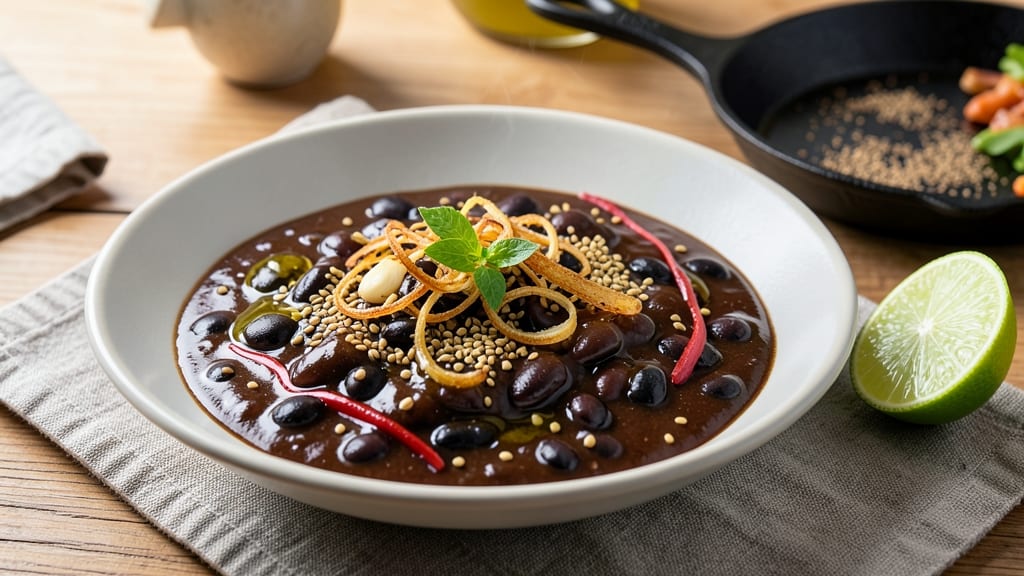
This black bean sauce recipe from scratch transforms simple pantry staples into a rich, umami-packed condiment that elevates everything from tacos to grilled meats. The secret lies in slow-simmered black beans blended with aromatic garlic, toasted cumin, and a touch of vinegar for brightness—creating depth that store-bought sauces can't match.
I developed this after craving a sauce with both earthy warmth and tangy complexity, and it quickly became my go-to for adding texture and flavor to any dish.
The beauty of this sauce is its versatility—use it as a dipping sauce for crispy fries, a marinade for tofu or chicken, or a topping for bowls of rice and roasted vegetables.
The blend of black beans, soy sauce, and miso delivers that signature umami punch, while lime juice and cilantro keep it fresh. What makes it stand out is the toasted cumin and garlic, which infuse the sauce with a smoky, aromatic depth that lingers on your palate.
It’s vegan-friendly, gluten-free, and ready in under 30 minutes.
What you’ll end up with is a smooth, velvety sauce with just the right balance of heat, tang, and richness—thick enough to cling to noodles or meats but still pourable for dipping. The texture is silky, thanks to the blending process, and the flavors only deepen as it sits.
This isn’t just another bean sauce; it’s a flavor multiplier that transforms simple meals into something extraordinary.
Store it in the fridge for up to a week, where the flavors continue to meld, or freeze for up to three months. Whether you’re prepping for a weeknight dinner or a weekend feast, this sauce is your secret weapon. Let’s get cooking—your taste buds will thank you.
Ingredients for black bean sauce recipe from scratch
Pantry staples and a few fresh elements make this umami-rich sauce from scratch.
| Ingredient | Amount | Notes |
|---|---|---|
| Black Beans 🌱 | 1 ½ cups | Dried or canned, drained |
| Soy Sauce 🍶 | ½ cup | Tamari for gluten-free option |
| White Miso Paste 🍶 | 2 tbsp | For umami depth |
| Toasted Ground Cumin 🌿 | 1 ½ tbsp | Smoky flavor essential |
| Garlic Cloves 🧄 | 6 whole | Toasted for aromatic depth |
| Lime Juice 🍋 | 2 tbsp | Freshly squeezed |
| Extra-Virgin Olive Oil 🫒 | ¼ cup | For richness |
| Fresh Cilantro 🌿 | ¼ cup | Chopped, stems removed |
| Red Wine Vinegar 🍷 | 1 tbsp | For brightness |
| Brown Sugar 🍯 | 1 tbsp | Balances acidity |
| Water 💧 | ½ cup | For blending consistency |
| Salt 🧂 | 1 tsp | Adjust to taste |
| Black Pepper 🌶️ | ½ tsp | Freshly ground |
The black beans are the heart of this sauce—dried beans give the deepest flavor, but canned works in a pinch (just drain and rinse). For the cumin, toasting it first in a dry pan until fragrant unlocks its smoky potential—don't skip this step, trust me. Garlic should be toasted too: warm the cloves in olive oil for 2 minutes until golden. Whole Foods or Trader Joe's often carry high-quality miso paste—look for white miso for a cleaner flavor. Fresh cilantro is ideal, but if you're out, dried works at one-third the amount.
No soy sauce? Coconut aminos is a great swap, though the flavor will differ slightly. Running short on lime? Lemon juice works too, but you'll need about 1.5 tablespoons. The brown sugar can be swapped for maple syrup if you're avoiding refined sugar. For extra richness, add 1 tablespoon of vegan butter while blending. The sauce thickens as it cools, so if it's too thick after blending, just add a splash of water—1 teaspoon at a time until you reach your desired consistency.
This sauce keeps beautifully in the fridge for 1 week—the flavors actually get better as it sits. Freeze portions in ice cube trays for 3 months—perfect for adding to stir-fries or drizzling over bowls. I like to make a double batch because it disappears fast. Store it in a sealed jar with a thin layer of olive oil on top to preserve freshness. The sauce reheats well—just warm it gently on the stove or microwave for 20 seconds.
Why You'll Love This Recipe
- No-Pantry Panic: I keep a jar of this in my fridge because it’s the only sauce I can make with five ingredients I always have. Toasted cumin and miso paste do all the heavy lifting—no fancy spices or last-minute grocery runs.
- Umami Bomb: That first spoonful? Chef’s kiss. The miso paste adds this deep, savory punch, while the garlic and soy sauce sing together—like a rich, smoky hug for whatever you’re cooking. (Yes, even plain rice.)
- Double-Duty Magic: Slather it on tacos, drizzle it over grilled chicken, or toss it with noodles—it’s my go-to for weeknights and when I’m feeding a crowd. Honestly, I’ve used it in everything from soups to sandwiches, and it never lets me down.
- Fridge Hero: A batch lasts me two weeks, and it only costs me about $3 to make. Freeze half if you won’t use it—just thaw and stir. No sad, wilted leftovers here; this sauce only gets better with time.
Step-by-step instructions for black bean sauce from scratch
Here's how to build a rich, umami-packed sauce that balances smoky cumin with bright citrus notes.
Toast Garlic and Cumin for Deep Flavor
Heat the 0.25 cup extra-virgin olive oil in a medium saucepan over medium heat. Add the 6 whole garlic cloves and 1.5 tablespoons toasted ground cumin, stirring constantly for 1-2 minutes until the garlic turns golden and fragrant. Watch closely—garlic burns quickly, so remove from heat immediately if it starts to darken.
Let the mixture cool for 2 minutes while you prepare the remaining ingredients. This toasting step develops the aromatic compounds that make the sauce sing. I like to use a small saucepan here so the garlic doesn't overcrowd and crisp up properly.
Simmer the Bean Base with Umami Boosters
Add the 1.5 cups black beans, 0.5 cup soy sauce, 2 tablespoons white miso paste, 1 tablespoon brown sugar, 1 teaspoon salt, and 0.5 cup water to the saucepan. Stir well to combine, then increase heat to medium-high and bring to a gentle boil. Once boiling, reduce heat to low and let it simmer uncovered for 10-12 minutes, stirring occasionally.
You'll notice the sauce thickens slightly as it simmers, and the miso paste dissolves completely. The beans should soften just enough to break down but not become mushy. If it gets too thick before the 10 minutes are up, add 1-2 tablespoons water to maintain a smooth consistency.
Build Complexity with Acid and Brightness
After the initial simmer, stir in the 2 tablespoons lime juice and 1 tablespoon red wine vinegar. These acidic components balance the richness of the miso and beans while adding a vibrant finish. Let the sauce simmer for another 3-4 minutes to allow the flavors to meld together.
Here's where the magic happens—the acidity cuts through the earthy cumin and umami depth, creating that perfect balance. Taste the sauce now and adjust seasoning if needed. I usually add a pinch more salt or a splash of lime juice to taste at this stage.
Finish with Fresh Herbs and Smooth Texture
Remove the saucepan from heat and let it cool slightly for 3-4 minutes. Using an immersion blender, carefully blend the sauce until completely smooth. If you don't have an immersion blender, transfer the sauce to a regular blender and blend until silky. The sauce should be velvety with no visible bean chunks.
Stir in the 0.25 cup chopped fresh cilantro just before serving to add freshness and vibrant color. The cilantro should be finely chopped—this ensures it distributes evenly without overpowering the sauce. Let the sauce rest for 5 minutes before serving to allow the flavors to fully develop.
Adjust Consistency and Serve
If the sauce is too thick after blending, thin it with 1-2 tablespoons water until it reaches a pourable consistency. For a glossy finish, I like to drizzle in an extra 1 tablespoon olive oil while stirring vigorously. This adds richness and helps the sauce cling beautifully to noodles or proteins.
The finished sauce should coat the back of a spoon and have a perfect balance of smoky, sweet, and tangy flavors. Serve immediately over your favorite dishes—it pairs wonderfully with grilled meats, rice bowls, or as a dipping sauce for spring rolls. Store leftovers in the refrigerator for up to 5 days or freeze for 3 months for future use.
Pro Tips For Making Black Bean Sauce Recipe From Scratch
- TOAST THE CUMIN FIRST: I learned this the hard way—adding raw cumin straight to the pan makes the sauce taste bitter and uneven. Dry-toast it in a separate pan for 30 seconds until fragrant, then grind it fresh (or use pre-toasted). That nutty depth carries through the whole sauce.
- PRESS THE BEANS DRY: Drain your canned beans and press them through a colander with a wooden spoon—this removes that slimy starch layer that makes the sauce gummy. Wet beans? Rinse them first, but don’t skip pressing. Your sauce will be smoother and richer.
- LOW AND SLOW WITH MISO: White miso burns faster than you’d think. Once you stir it in, drop the heat to medium-low and let it melt into the sauce gradually—about 5 minutes of gentle simmering. Rush it, and you’ll end up with a bitter, grainy mess instead of that velvety umami base.
- GARLIC: MINCE, DON’T CHOP: I was skeptical until I tried it—finely minced garlic (almost paste-like) blends into the sauce without clumps or that raw garlic aftertaste. Pulse it in a food processor for 10 seconds, then stir it in early while the pan’s still hot. No one will guess you didn’t hand-chop it.
Creative variations of black bean sauce recipe from scratch
Spicy Chipotle Twist
For a smoky, spicy kick, add 1 tablespoon adobo sauce from a can of chipotle peppers in adobo along with the lime juice. This transforms the sauce into a bold, smoky condiment perfect for tacos or grilled chicken.
I like to blend the adobo sauce directly into the warm bean mixture for even distribution. 🌶️
Sweet and Tangy Glaze
Swap the brown sugar for 1 tablespoon maple syrup and add 1 teaspoon grated ginger during the simmering stage. This creates a sweet-tangy glaze ideal for drizzling over tofu, seared scallops, or roasted vegetables. The ginger adds a bright, zesty note that pairs beautifully with the earthy cumin.
Creamy Avocado Version
Blend in ½ ripe avocado with the cilantro for a luxuriously creamy sauce that’s perfect for dipping or topping bowls. The avocado softens the texture while adding healthy fats.
I recommend using a high-speed blender to achieve a smooth, velvety consistency. This version works especially well with crispy fries or grilled shrimp. 🥑
Herb-Infused Variations
Swap the cilantro for 1 tablespoon chopped mint or 1 teaspoon dried oregano for a Mediterranean twist. Fresh mint brightens the sauce with a refreshing note, while oregano adds a subtle earthiness.
Both work beautifully with grilled lamb or roasted eggplant. Adjust the herbs based on what you have on hand—experimentation is key!
Nutty Crunch Add-Ins
For texture, stir in 1 tablespoon toasted sesame seeds or 1 tablespoon chopped walnuts just before serving. The nuts add a crunchy contrast that elevates the sauce when drizzled over noodles or used as a dipping sauce.
Toast the nuts in a dry pan for 2-3 minutes until fragrant for maximum flavor. 🌰
Fermented Umami Boost
Replace 1 tablespoon of the soy sauce with 1 tablespoon of fish sauce (for non-vegan) or 1 tablespoon of coconut aminos for a deeper umami punch. Fermented ingredients like these amplify the sauce’s complexity, making it ideal for stir-fries or marinades.
The fish sauce adds a savory depth that pairs exceptionally well with grilled meats or seafood.
Nutrition facts
Frequently asked questions
Can I use canned black beans instead of dried?
Yes! Canned beans work perfectly—just drain and rinse them well to remove excess sodium. For even better flavor, use low-sodium canned beans and add an extra ½ teaspoon salt during simmering. Dried beans develop deeper flavor when cooked from scratch, but canned beans save time without sacrificing much taste.
How do I adjust the spice level?
Start with the recipe as written for a mild, smoky flavor. For heat, add ½ teaspoon cayenne pepper during simmering or blend in 1 teaspoon hot sauce at the end. If you prefer subtle warmth, reduce the cumin slightly to 1 tablespoon—it carries a mild heat of its own.
What's the best way to thicken this sauce?
Simmer uncovered for an extra 5 minutes to reduce liquid naturally. For instant thickening, blend in 1 tablespoon cornstarch mixed with 1 tablespoon water and stir until smooth. Avoid over-blending—this sauce should remain silky, not gluey.
Can I make this sauce without a blender?
Mash the beans with a fork or potato masher until smooth, then strain through a fine-mesh sieve for a velvety texture. For extra richness, press the strained pulp with a spoon to extract all the liquid. The result will be slightly grainier but still delicious.
How long can I store homemade black bean sauce?
Store in an airtight container in the fridge for up to 1 week, where flavors deepen. Freeze for 3 months in ice cube trays for portion control. For best quality, add a thin layer of olive oil before sealing to preserve freshness.