
Main Courses
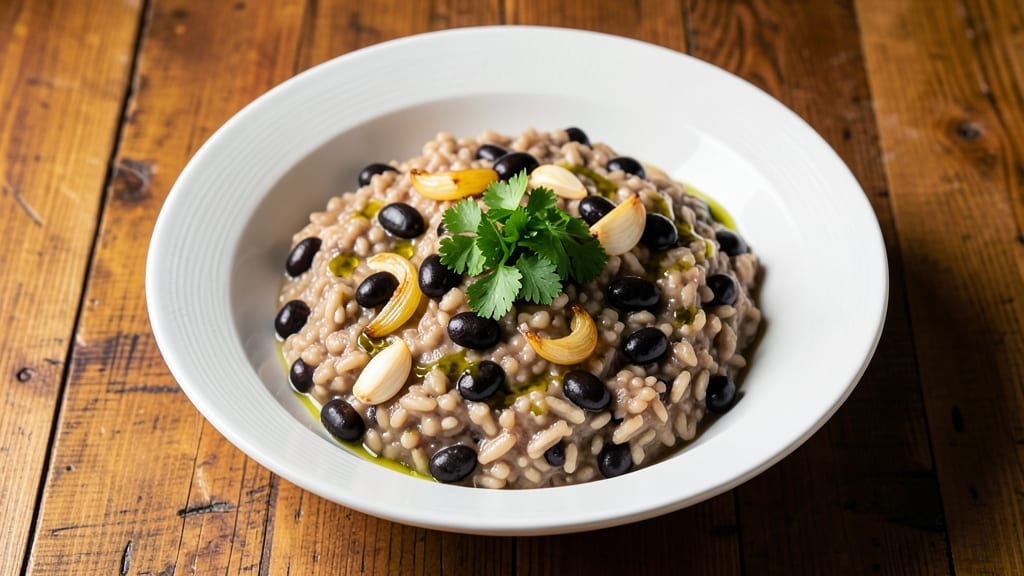
This black bean risotto recipe transforms a classic Italian staple into a vegan powerhouse with deep umami flavor and creamy texture—no dairy required. The secret lies in slow-cooked Arborio rice, black beans that add protein and earthiness, and a rich vegetable broth base that builds body as it simmers.
I developed this version after realizing traditional risotto recipes often relied on butter and cheese, making them inaccessible for plant-based diets. What you'll discover is how toasted rice and deglazed aromatics create the same velvety finish without compromising texture or taste.
The process is simpler than you might think, with just five core ingredients doing the heavy lifting: Arborio rice, black beans, vegetable broth, onion, and garlic. The key technique? Stirring constantly while adding warm broth in small increments—this gradual absorption creates that signature creamy consistency.
Black beans not only provide plant-based protein but also thicken the risotto naturally, eliminating the need for starchy additives. What makes this recipe stand out is how the beans' smoky depth complements the nutty rice, while fresh herbs and lime at the end brighten the dish.
By the final stir, you'll have a restaurant-quality risotto that's rich, satisfying, and packed with umami—perfect for meatless Mondays or as a hearty vegetarian main. The texture is creamy yet light, with each grain distinct and the beans adding satisfying bite.
This version proves plant-based cooking can be just as luxurious as traditional risotto, without sacrificing depth of flavor or comfort. Ready to master this technique? Let's begin with the foundational steps that make all the difference.
One of the most common questions about vegan risotto is how to achieve that creamy texture without dairy.
The answer lies in three essential techniques: toasting the rice until translucent, using a full-fat vegetable broth (or cashew cream for extra richness), and stirring consistently to release the rice's natural starches.
Black beans play a dual role here—they break down slightly as they cook, releasing their own starches while adding protein and fiber. For an extra touch of elegance, finish with toasted pumpkin seeds or a drizzle of tahini, which adds both visual appeal and nutty complexity.
The result is a dish that feels indulgent yet aligns with plant-based principles.
Ingredients for black bean risotto
Five core ingredients transform Arborio rice into a velvety vegan risotto with umami depth and satisfying bite.
| Ingredient | Amount | Notes |
|---|---|---|
| Arborio Rice 🍚 | 1 ½ cups | Unrinsed for optimal starch release |
| Black Beans 🌱 | 1 ½ cups | Cooked, drained, and rinsed |
| Vegetable Broth 💧 | 4 cups | Full-fat, homemade preferred |
| Yellow Onion 🧅 | 1 whole | Finely diced, about 1 cup |
| Garlic Cloves 🧄 | 4 cloves | Minced, about 1 tbsp |
| Extra-Virgin Olive Oil 🫒 | ½ cup | High quality, fruity |
| Fresh Thyme Leaves 🌿 | ¼ cup | Chopped, stems removed |
| Lime Juice 🍋 | 2 tbsp | Freshly squeezed |
| Sea Salt 🧂 | 1 ½ tsp | Diamond Crystal preferred |
| White Wine 🍷 | ½ cup | Dry, optional for deglazing |
| Toasted Pumpkin Seeds 🥜 | ¼ cup | For garnish, optional |
| Fresh Cilantro Leaves 🌿 | ¼ cup | Chopped, for garnish |
| Cashew Cream 🥛 | ¼ cup | Optional for extra richness |
| Smoked Paprika 🌶️ | ½ tsp | For umami depth |
The Arborio rice is non-negotiable—its high starch content creates that signature creamy texture when toasted properly. Look for Italian Arborio in the rice aisle or bulk section at stores like Whole Foods or Trader Joe's. The black beans should be cooked from dried for best texture (canned works in a pinch but can be watery). Fresh thyme and cilantro elevate the dish, so grab bunches at the farmers market if possible—they're more vibrant than grocery store containers. For the vegetable broth, homemade with vegetable scraps adds unmatched depth, but store-bought low-sodium options work too. The white wine, if using, should be dry and chilled—like a Sauvignon Blanc or Pinot Grigio.
No Arborio rice? Carnaroli or Vialone Nano are excellent substitutes, though Arborio's starch content is ideal. Swapping black beans for lentils or chickpeas changes the texture slightly—lentils hold their shape better, while chickpeas add a creamier finish. Short on fresh thyme? Dried thyme at one-third the amount works, but fresh is preferred. The cashew cream, while optional, adds luxurious richness—simply blend 1 cup soaked cashews with 1 cup water until smooth. For extra umami without wine, deglaze with soy sauce or mushroom broth. The smoked paprika is key for that restaurant-quality depth—don't skip it.
Store cooked Arborio rice in an airtight container with a damp paper towel to maintain moisture for up to 3 days. Black beans keep 5-7 days in the fridge once cooked, while fresh herbs should be wrapped in damp paper towels and refrigerated for 5 days maximum. The cashew cream freezes beautifully for 3 months—just thaw overnight in the fridge. For make-ahead prep, cook the risotto up to the final stir, then reheat with a splash of warm broth. Garnishes like pumpkin seeds and cilantro stay fresh 3 days in the fridge, so add them just before serving for maximum freshness.
Why You'll Love This Recipe
- Pantry staples only: Arborio rice, black beans, onion, garlic, broth. No weird ingredients, no breaking the bank. It’s the kind of dish that makes me feel fancy without the grocery bill to prove it.
- One-Pot Magic: I swear by this recipe when I’m too tired to wash pots—just stir, simmer, and boom, creamy perfection. The Arborio rice and broth do all the work while I chop onions (which, let’s be honest, is the only real effort).
- Umami Bomb: That slow-cooked garlic and onion base? It’s like a flavor hug. The black beans add this deep, earthy richness that turns a simple risotto into something you’d pay double for at a restaurant.
- Leftover Hero: Between us, this risotto improves the next day. The rice softens just enough to soak up extra broth, and the beans keep it hearty. I reheat portions for lunches all week—no sad, dry grains here.
Step-by-Step instructions for black bean risotto
Master this technique and you'll achieve creamy, flavorful risotto without dairy—just plant-based richness.
Sauté the Aromatics Until Translucent
Heat the 0.5 cup extra-virgin olive oil in a heavy-bottomed pot over medium-low heat. Add the 1 whole yellow onion and cook for 8-10 minutes until completely translucent and just beginning to soften. The onions should release their sweetness without browning.
Add the 4 cloves garlic cloves and 0.5 tsp smoked paprika, stirring constantly for 30 seconds until fragrant. This step develops the base flavor—don't rush it. If the garlic starts to brown too quickly, reduce the heat slightly. The paprika adds subtle depth that complements the black beans beautifully.
Toast the Arborio Rice Until Translucent
Add the 1.5 cups arborio rice to the pot and stir to coat evenly in the oil. Toast the rice for 3-4 minutes until it becomes translucent at the edges. You'll notice the rice begins to look slightly glossy—this is when the starches start activating, which is crucial for that signature creamy texture.
I press the rice grains against the pot with a wooden spoon during this step to ensure even toasting. This prevents uneven cooking later. If you hear the rice popping slightly, it's ready. Don't let it brown—just until you see those translucent edges.
Deglaze with Wine and Add Broth Gradually
Pour in the 0.5 cup white wine and stir vigorously for 1 minute until completely absorbed. This deglazing step removes any residual starch from the pot bottom and adds brightness to the dish. The wine should evaporate completely before adding the broth.
Begin adding the 4 cups vegetable broth 1 ladle at a time, stirring constantly after each addition. The risotto should simmer gently—you'll see small bubbles form at the surface but not a full boil. Wait until each addition is mostly absorbed before adding the next. This gradual process builds the creamy texture by releasing starches from the rice.
Incorporate Black Beans and Herbs
When the rice has absorbed about 2 cups of broth (roughly 15 minutes in), stir in the 1.5 cups black beans and 0.25 cup fresh thyme leaves. The beans will begin to break down slightly, releasing their creamy texture that replaces traditional dairy. Stir well to distribute evenly throughout the rice.
Continue cooking with additional broth as needed, maintaining that gentle simmer. The beans should be tender but still hold their shape. If the risotto begins to look dry before the rice is al dente, add 2-3 tablespoons of hot broth at a time. The cooking time should total about 25-30 minutes from when you first added the rice.
Finish with Lime and Garnish for Freshness
Once the rice is tender but still has a slight bite (al dente), remove from heat. Stir in the 2 tbsp lime juice and 0.25 cup cashew cream (if using). The lime brightens the dish while the cashew cream adds luxurious creaminess without dairy. Let the risotto rest for 2 minutes to allow the flavors to meld.
Divide among bowls and garnish with 0.25 cup toasted pumpkin seeds and 0.25 cup fresh cilantro leaves. The pumpkin seeds add crunch while the cilantro provides fresh contrast. Serve immediately while the risotto is still warm and creamy. Each bite should deliver that perfect balance of umami from the beans, herbal notes from the thyme, and bright acidity from the lime.
Pro Tips For Making Black Bean Risotto
- TOAST THE BEANS FIRST: Black beans straight from the can taste bland—give them a quick 3-minute dry toast in a skillet with a pinch of salt and smoked paprika before adding them to the risotto. The edges crisp slightly, and the smoky depth cuts through the rice’s starchiness. (Yes, it’s an extra step, but your mouth will notice.)
- STIR LIKE YOU MEAN IT: Arborio rice needs constant, vigorous stirring to release starch properly. Use a wooden spoon and scrape the bottom of the pot aggressively every 30 seconds—especially in the first 5 minutes. I used to go half-hearted, and my risotto ended up gummy. Don’t be lazy here.
- SAVE THE BROTH, DON’T DUMP IT: Strain your vegetable broth before using it, and keep a separate cup of the strained solids. When the risotto is nearly done, stir in 2 tablespoons of those solids with the last ladle of broth—it adds a rich, umami punch without over-salting. (Yes, even if you’re using low-sodium broth.)
- ADD BEANS IN TWO BATCHES: Toss half the black beans in with the rice at the start, then reserve the rest to fold in at the very end. This keeps the texture balanced—too many beans upfront makes the risotto mushy, while adding them late ensures every bite has that creamy, hearty bite. (Trust me, split the difference.)
Creative variations of this dish
Spicy Southwest Twist
Transform this risotto into a fiesta-worthy dish by adding 1 tsp ground cumin and ½ tsp chipotle powder when toasting the rice. Stir in ½ cup diced roasted corn and ¼ cup chopped jalapeños (seeds removed for mild heat) during Step 4.
Top with avocado slices and crumbled cotija cheese if using dairy, or extra lime zest for a zesty kick. The smoky cumin and chipotle mirror classic Mexican flavors while keeping it plant-based. 🌶️
Mediterranean Herb Version
Swap the thyme for 1 tbsp dried oregano and 1 tsp lemon zest during Step 4. Add ½ cup sun-dried tomatoes (chopped) and ¼ cup Kalamata olives (pitted and sliced) when incorporating the beans.
Finish with a drizzle of extra-virgin olive oil and a sprinkle of feta cheese (omit for vegan) for a Greek-inspired twist. The briny olives and tangy sun-dried tomatoes elevate the dish's Mediterranean vibe.
Creamy Mushroom Upgrade
For a luxurious texture, sauté 8 oz cremini mushrooms (finely chopped) with the onions in Step 1. Add 1 tsp soy sauce when toasting the rice for extra umami. In Step 4, stir in ½ cup cashew cream along with the beans.
Garnish with fresh thyme sprigs and a pinch of truffle salt for a restaurant-worthy mushroom risotto. The earthy mushrooms deepen the dish's richness while keeping it vegan-friendly.
Asian-Inspired Sesame Crunch
Infuse the dish with Asian flavors by adding 1 tbsp toasted sesame oil when sautéing the aromatics. Stir in 1 tsp grated fresh ginger and 1 tbsp soy sauce during Step 4.
Top with 2 tbsp chopped scallions, 1 tbsp sesame seeds, and a drizzle of sriracha for heat. The sesame oil and ginger add a fragrant, nutty depth that pairs beautifully with the black beans. 🌱
Smoky BBQ Black Bean
Create a smoky, tangy variation by adding ¼ cup BBQ sauce (like Sweet Baby Ray's) when incorporating the beans in Step 4. Stir in ½ cup diced bell peppers and ¼ cup chopped red onion for extra texture.
Garnish with pickled jalapeños and a sprinkle of smoked paprika for a BBQ-inspired twist. The smoky-sweet BBQ sauce adds a bold, tangy contrast to the creamy risotto.
Tropical Fruit Finish
Brighten the dish with tropical flavors by stirring in ½ cup diced mango and ¼ cup chopped cilantro at the end. Add a squeeze of lime juice and a sprinkle of toasted coconut flakes for a sweet and tangy finish.
The mango adds a refreshing contrast to the earthy beans, making this version perfect for warm weather. Serve with a side of grilled pineapple for an extra tropical touch. 🍍
Nutrition facts
Frequently asked questions
Can I use canned black beans instead of cooked dried beans?
Yes, but drain and rinse them thoroughly to remove excess liquid. Canned beans contain more water, which can make your risotto too soupy. For every 1 cup canned beans, use 1.5 cups to maintain texture. Dried beans absorb more liquid and create a creamier base as they break down.
What's the secret to creamy risotto without dairy?
The magic happens with three key techniques: toasting the rice until translucent, adding broth gradually, and incorporating black beans. The beans release natural starches as they cook, creating creaminess. For extra richness, stir in cashew cream at the end or use a full-fat vegetable broth.
How do I fix risotto that's too dry or too soupy?
If too dry, add 2-3 tablespoons hot broth at a time while stirring. For soupy risotto, remove from heat and let it sit for 2-3 minutes—the starches will thicken naturally. If still too thin, simmer uncovered for 1-2 minutes to evaporate excess liquid. The beans help stabilize texture, so don't overcorrect!
Can I make this ahead of time?
Cook the risotto up to Step 4, then refrigerate in an airtight container for up to 2 days. Reheat gently with 1-2 tablespoons broth per cup of risotto, stirring constantly over low heat. For best texture, finish with fresh lime juice and garnishes just before serving. The beans hold up well to reheating!
What's the best rice for this recipe?
Arborio rice is ideal because its high starch content creates creaminess. If unavailable, use Carnaroli or Vialone Nano—they're pricier but work beautifully. Avoid long-grain rice like basmati or jasmine, as they won't release enough starch for the signature texture. The beans help compensate slightly, but proper rice is key!