
Sauces & Condiments
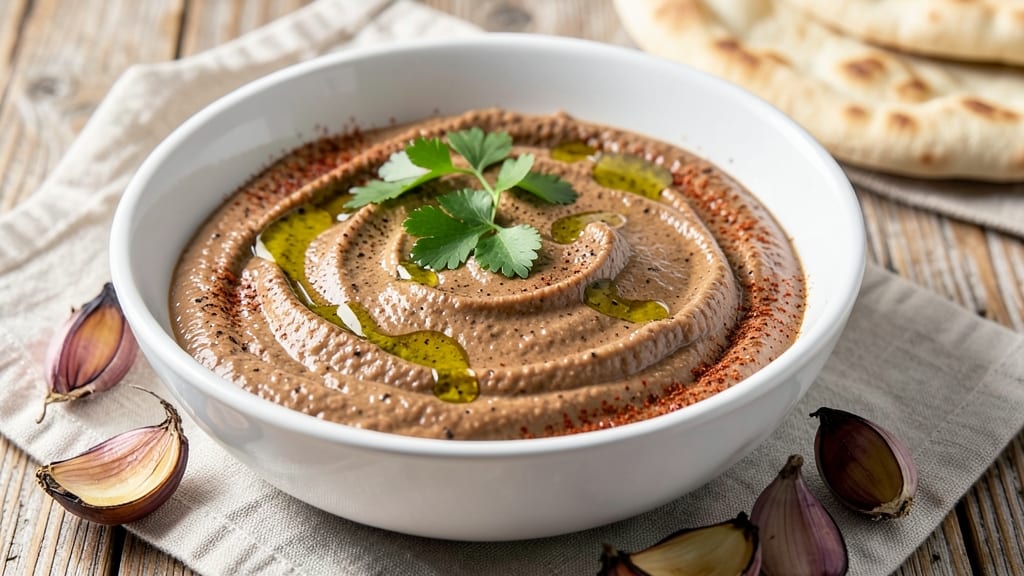
This vegan black bean hummus recipe transforms humble pantry staples into a creamy, smoky dip that rivals traditional versions—without a single drop of dairy.
The secret lies in roasting garlic until caramelized and blending black beans with tahini until silky smooth, creating a texture that's both rich and light.
I developed this after realizing most vegan hummus recipes either taste too beany or lack depth—this version fixes both problems with just a few intentional techniques.
The foundation starts with black beans, which provide natural creaminess and protein, while tahini adds that signature nutty richness. Roasted garlic (not raw!) infuses the blend with smoky, sweet notes that elevate every spoonful, and a touch of lemon brightens the flavor profile.
Unlike many recipes that rely on chickpeas, black beans create a deeper, earthier base that holds its own in both dips and spreads.
What makes this hummus truly special is its versatility—it works as a dip for crudités, a spread for sandwiches, or even a sauce for bowls.
The blending method is critical: pulse the beans first to break them down, then blend with tahini and liquid until ultra-smooth, with just a hint of texture for interest. Store it in an airtight container for up to 5 days, or freeze for longer shelf life.
This isn't just another vegan hummus—it's a restaurant-quality condiment that proves plant-based doesn't mean sacrificing flavor. The smoky garlic and tahini silk create a harmony that's both comforting and exciting, perfect for anyone looking to elevate their snack game without compromise. Let's get blending!
Ingredients for black bean hummus recipe vegan
Nine simple ingredients create a restaurant-quality vegan hummus with smoky depth and ultra-smooth texture.
| Ingredient | Amount | Notes |
|---|---|---|
| Black Beans 🌱 | 1 ½ cups | Cooked, drained, and rinsed |
| Tahini 🥜 | ½ cup | High-quality sesame paste |
| Roasted Garlic Cloves 🧄 | 4 whole | Caramelized, peeled |
| Extra-Virgin Olive Oil 🫒 | 0.3 cup | Light, fruity variety |
| Lemon Juice 🍋 | 2 tbsp | Freshly squeezed |
| Smoked Paprika 🌶️ | 1 tsp | For depth and smokiness |
| Ground Cumin 🌿 | ½ tsp | Toasted for warmth |
| Sea Salt 🧂 | ½ tsp | Diamond Crystal preferred |
| Water 💧 | ¼ cup | Room temperature |
| Maple Syrup 🍯 | 1 tbsp | For subtle sweetness |
The black beans are the heart of this recipe—organic or high-quality canned (like Low Sodium Bimbo) work best, as they hold their shape better and avoid excess sodium. Roasting the garlic is non-negotiable; peel the cloves after roasting for maximum caramelization. For tahini, Barlean's or Whole Foods 365 brands offer the richest flavor without bitterness. Smoked paprika adds that signature smokiness, so Penzeys or McCormick are reliable choices. If you're short on time, pre-roasted garlic paste from the condiment aisle works, though fresh roasted delivers superior flavor.
No tahini? Substitute with equal parts cashew butter or almond butter, though texture will differ slightly. Short on smoked paprika? Use half the amount of regular paprika plus a pinch of liquid smoke for depth. For extra creaminess, add 1 tablespoon aquafaba (chickpea brine) instead of water. The maple syrup can be swapped for agave nectar or date syrup, but maple adds a subtle complexity. If your hummus turns out too thick, thin with additional water or lemon juice—just a teaspoon at a time to avoid dilution. For a nut-free version, omit tahini and increase olive oil by 2 tablespoons.
Store hummus in an airtight container with a thin layer of olive oil on top to preserve freshness. Keeps in the fridge for 5-6 days, though flavor peaks within the first 3 days. For longer storage, freeze in ice cube trays—thaw and blend with a splash of water to restore texture. The roasted garlic cloves can be prepped ahead and stored in the freezer for up to 3 months, making this a perfect make-ahead recipe. Garnish with a drizzle of olive oil and extra smoked paprika before serving for an elegant finish.
Why You'll Love This Recipe
- No Blender Needed: I swear by this—just mash the beans with a fork until it’s chunky but smooth. The tahini and olive oil blend right in, and honestly? It’s better this way. That roasted garlic flavor just melts into the mix without any fuss.
- Deep, Roasted Richness: Between the caramelized garlic cloves and the nutty tahini, this hummus has layers. The lemon juice brightens it up just enough to keep it from being heavy, but the black beans? They pack that earthy, satisfying depth you’d expect from a long simmer—without the wait.
- Party in a Bowl: Serve it with chips for a crowd, dollop it on tacos for a protein boost, or smear it on toast with everything bagel seasoning. I’ve even used it as a vegan dip for crudités at potlucks—no one ever asks if it’s vegan. (Between us, they’re too busy eating it.)
- Pantry Staple Magic: Black beans and tahini? Both last forever. A batch of this hummus keeps in the fridge for at least five days, and it only costs me a few dollars to make. Plus, the roasted garlic cloves? I’ll roast a whole head and freeze the extras—no waste, all flavor.
Step-by-step instructions for black bean hummus with tahini and roasted garlic
This vegan hummus delivers a velvety texture and complex flavors through precise blending techniques.
Combine the Base Ingredients
In a high-powered food processor, add the 1.5 cups cooked, drained, and rinsed black beans, the 0.5 cup tahini, and the 4 whole roasted garlic cloves. Pulse briefly to break up the garlic but avoid over-processing at this stage. The tahini will thicken significantly as it incorporates with the beans.
Here's the thing—adding the tahini first prevents it from clumping when the processor runs. I like to let the processor run for about 10-15 seconds just to get everything moving before adding any liquids. This ensures the tahini emulsifies properly with the beans, creating that signature creamy texture.
Add Liquids and Seasonings
With the processor running, slowly drizzle in the 0.3 cup extra-virgin olive oil through the feed tube. This gradual addition prevents the processor from seizing up and creates a smoother texture. After the oil is fully incorporated, add the 2 tablespoons lemon juice, 1 tablespoon maple syrup, 1 teaspoon smoked paprika, 0.5 teaspoon ground cumin, and 0.5 teaspoon sea salt.
Pulse the mixture for another 20-30 seconds until everything is well combined. You'll notice the color deepen to a rich, smoky brown from the paprika and roasted garlic. The lemon juice and maple syrup balance the earthy flavors while keeping the hummus bright and approachable. If the mixture seems too thick at this point, add 1-2 tablespoons of the 0.25 cup water as needed.
Blend to Smooth Perfection
Process the mixture continuously for 2-3 minutes, scraping down the sides of the bowl with a rubber spatula every 30 seconds to ensure even blending. You're looking for a completely smooth, velvety texture with no visible bean fragments. The hummus should coat the back of a spoon and hold its shape when drizzled.
This is where patience pays off. If the hummus is still too thick after processing, add the remaining 0.25 cup water a tablespoon at a time until you reach the desired consistency. It should be thick enough to hold its shape when spooned but still spreadable. The roasted garlic should infuse the hummus with a sweet, caramelized depth that complements the smoky paprika.
Adjust and Serve
Taste the hummus and adjust the seasoning if needed. You might want to add a pinch more sea salt or a splash more lemon juice to brighten the flavors. Transfer the hummus to a serving bowl and drizzle with an additional 1 tablespoon extra-virgin olive oil for extra richness.
For presentation, I like to sprinkle a pinch of smoked paprika on top and serve with warm pita bread, crudité, or as a spread for vegan sandwiches. The hummus will keep well in the refrigerator for up to 5 days, though it's best enjoyed fresh when the flavors are most vibrant. If it thickens in the fridge, simply stir in a splash of water to restore its smooth consistency.
Pro Tips For Making Black Bean Hummus Recipe Vegan
- Roast Garlic Cloves Until Soft: Don’t just char them—roast whole garlic cloves at 400°F (200°C) for 25-30 minutes until they’re pliable and golden. Overcooked garlic turns bitter, and undercooked cloves won’t blend smoothly. (Yes, even if you’re impatient like me.)
- Drain Beans Twice: Rinse your black beans after cooking, then drain them a second time through a fine-mesh sieve. The extra step removes excess starch, which keeps your hummus from turning gluey. Trust me, your future self will notice the difference.
- Blend Tahini Gradually: Start your blender on low and slowly drizzle in the tahini while blending. Tahini is thick and can seize up—adding it too fast turns your hummus into a greasy paste. A splash of warm water helps here, but don’t overdo it.
- Use Lemon Zest, Not Just Juice: Add a teaspoon of lemon zest along with the juice for a brighter, more complex flavor. The zest gives a citrusy aroma that cuts through the richness of the tahini and garlic. (It’s the thing that makes this hummus taste like it came from a café.)
Make-ahead tips for this recipe
Prep Ahead Secrets
Roast your garlic cloves up to 3 months in advance and store them in the freezer. Simply peel after thawing—no need to roast again. I keep a jar of pre-roasted garlic in my freezer for quick hummus days.
This saves 15 minutes of prep time and adds consistent depth to every batch. 🌱
Batch Blending
Double the recipe and freeze half in ice cube trays for single-serving portions. Once frozen, transfer cubes to a freezer bag. To use, thaw overnight in the fridge, then blend with 1 tablespoon water to restore texture. This works perfectly for game day snacks or office lunches. 💧
Fridge Storage Hacks
Store hummus in a glass airtight container with a thin layer of olive oil on top to prevent oxidation. The oil also adds richness when you're ready to eat.
I like to press plastic wrap directly on the surface before sealing for an extra barrier. This keeps it fresh for 6 days without texture changes. ✨
Freezer-Friendly Adjustments
For long-term freezing, add 1 extra tablespoon of tahini to the recipe. The fat content helps preserve texture better than water alone. Thaw in the fridge overnight, then blend with 1 tablespoon water if needed. The tahini also prevents graininess that can occur after freezing. 🥜
Weeknight Shortcuts
Use pre-cooked black beans from a can (drained and rinsed) to save 30 minutes. For even faster prep, buy roasted garlic paste from the condiment aisle—just reduce to 2 tablespoons for the same flavor impact.
I keep both staples on hand for those nights when I'm too tired to cook from scratch. ⏰
Flavor Preservation
Add a pinch of smoked paprika and 1 teaspoon lemon juice right before serving to revive flavors. The acidity brightens any dullness from storage, while the paprika adds warmth. This two-second fix makes reheated hummus taste fresh again—perfect for leftovers. 🌶️
Nutrition facts
Frequently asked questions
Why does this recipe use black beans instead of chickpeas?
Black beans create a deeper, earthier flavor profile that holds up better in spreads and dips. They also blend into a naturally creamier texture without needing extra water or oil. The smoky roasted garlic and tahini complement the beans' richness perfectly, while chickpeas can sometimes taste slightly bitter or chalky when over-blended.
Can I make this without tahini?
Replace the 0.5 cup tahini with 0.5 cup cashew butter or 0.4 cup almond butter for a nut-based alternative. For a seed option, use 0.4 cup sunflower seed butter. If avoiding all nut/seed pastes, increase the olive oil by 2 tablespoons and add 1 tablespoon aquafaba (chickpea brine) for creaminess. The texture will be slightly different but still delicious.
How do I fix hummus that's too thick or too thin?
For thick hummus, add 1 teaspoon water or lemon juice at a time while blending until smooth. For thin hummus, stir in 1 tablespoon tahini or extra olive oil and blend again. The key is gradual adjustments—adding too much liquid at once can break the emulsion and make it grainy. Always blend for 20 seconds after adding any fixers.
What's the best way to serve this black bean hummus?
This versatile hummus works as a dip for carrot sticks, cucumber slices, or pita chips, a spread for vegan wraps or toast, or even a sauce for bowls with grains and greens. For extra flair, top with toasted pumpkin seeds, chopped parsley, or a drizzle of chili oil. The smoky depth pairs especially well with roasted vegetables or grilled halloumi if you're not fully plant-based.
Why does my hummus taste beany or bitter?
This usually happens from over-blending raw beans or using low-quality ingredients. Always rinse canned beans thoroughly to remove excess sodium, and roast the garlic (never raw) to mellow its flavor. For extra insurance, add 1 teaspoon apple cider vinegar to balance bitterness. If using dried beans, soak them overnight and discard the soaking water before cooking. The tahini and lemon in this recipe naturally counteract beany flavors.