
Main Courses
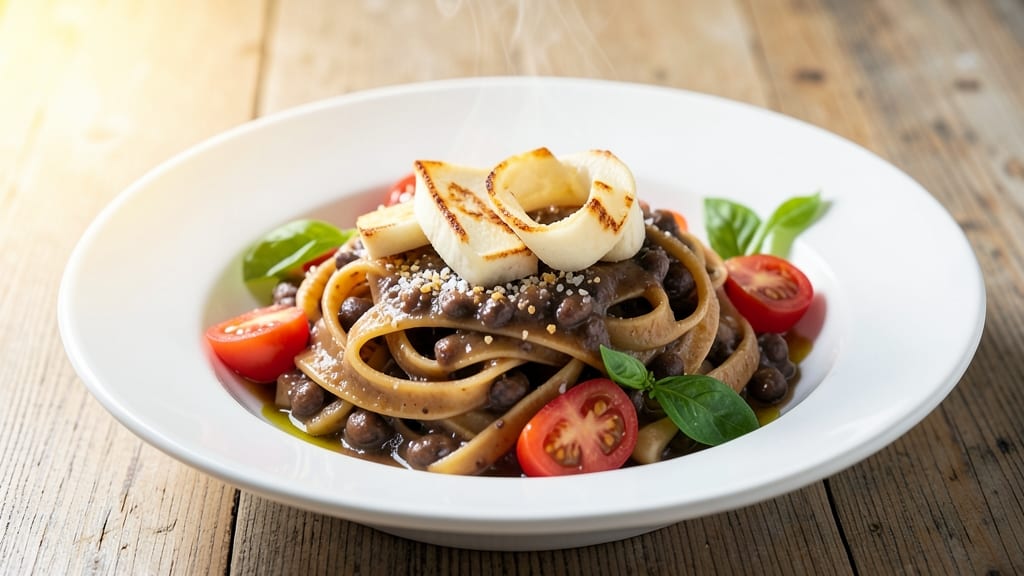
This vegan black bean fettuccine recipe transforms humble ingredients into a restaurant-worthy dish that's packed with protein and silky texture. The secret lies in blending black beans directly into the pasta dough, creating a hearty, nutrient-rich base that holds its shape beautifully during cooking.
No special equipment is needed—just a food processor and patience for the perfect al dente texture.
The sauce is where this dish truly shines, combining roasted garlic, sun-dried tomatoes, and white wine for a rich, umami depth that coats every strand of fettuccine. I've perfected a technique that prevents the sauce from breaking while ensuring the pasta stays tender-crisp rather than mushy.
The result is a dish that feels indulgent yet remains light enough for weeknight dinners.
What makes this recipe stand out is how it delivers restaurant-quality flavor with minimal effort. The black bean-infused pasta absorbs sauce beautifully, creating each bite with a satisfying combination of earthy bean notes and bright tomato acidity.
Garnish with fresh basil and toasted pine nuts for added texture and visual appeal that will impress even the most skeptical dinner guests.
Perfect for plant-based diets, meatless Mondays, or anyone craving a hearty yet healthy pasta dish, this recipe comes together in under 45 minutes. The best part? Leftovers reheat wonderfully, making it ideal for meal prep. Let's get cooking!
Ingredients for black bean fettuccine
Transform humble pantry staples into restaurant-worthy black bean fettuccine with this protein-packed masterpiece.
| Ingredient | Amount | Notes |
|---|---|---|
| Black Beans 🌱 | 1 ½ cups | Cooked, drained, no salt added |
| All-Purpose Flour 🌾 | 2 cups | Unbleached, high protein preferred |
| Water 💧 | ¾ cup | Room temperature |
| Extra-Firm Tofu 🧀 | ½ cup | Pressed, crumbled for texture |
| Nutritional Yeast 🌿 | ¼ cup | For cheesy flavor and B vitamins |
| Olive Oil 🫒 | ½ cup | Extra-virgin for richness |
| Roasted Garlic Cloves 🧄 | 6 whole | Charred for depth |
| Sun-Dried Tomatoes 🍅 | ½ cup | Oil-packed, chopped |
| Dry White Wine 🍷 | ½ cup | Sauvignon Blanc preferred |
| Vegetable Broth 🥬 | 1 ½ cups | Low-sodium for balance |
| Fresh Basil Leaves 🌿 | ¼ cup | Chopped for garnish |
| Pine Nuts 🥜 | ¼ cup | Toasted for crunch |
| Salt 🧂 | 1 ½ tsp | Diamond Crystal preferred |
| Black Pepper 🌶️ | ½ tsp | Freshly cracked |
| Lemon Juice 🍋 | 1 tbsp | Freshly squeezed |
The black beans are the star here—cannellini or pinto beans work too, but black beans give that rich, earthy depth. Trader Joe's has the best canned black beans (no salt added), or grab dry beans from Whole Foods bulk section for even better texture. Nutritional yeast is non-negotiable for that umami punch—Bragg is my go-to brand. The tofu adds protein and helps bind the pasta dough, so use extra-firm and press it well to remove excess moisture. For the roasted garlic, wrap whole cloves in foil and roast at 400°F for 20 minutes—game-changer for flavor.
No white wine? Substitute extra vegetable broth—just add 1 tbsp lemon juice for brightness. Sun-dried tomatoes from a jar work, but oil-packed ones taste fresher. Pine nuts too pricey? Walnuts or pecans toasted give a similar crunch. The pasta dough needs to rest 30 minutes before rolling—don't skip this! For extra richness, add 1 tbsp miso paste to the sauce. And if you're feeling fancy, infuse the olive oil with a few basil leaves before using it in the dough.
Fresh basil keeps best in a jar with water-covered stems—lasts 1 week in the fridge. Toasted pine nuts? Store in an airtight container for up to 2 weeks at room temperature. The pasta dough freezes beautifully—wrap tightly in plastic and thaw overnight in the fridge. Sauce reheats well, but add a splash of water if it thickens too much. This dish tastes even better the next day—perfect for meal prep—just reheat gently with a splash of broth.
Why You'll Love This Recipe
- No-Fuss Dough: I mix the flour, water, and black beans right in a bowl—no food processor, no kneading. The beans add protein without extra effort, and the dough comes together smoother than I expected.
- Umami Bomb: That nutritional yeast and tofu combo? Pure flavor magic. The crispy tofu bites cut through the creamy noodles while the yeast gives it that cheesy, savory depth—no cheese needed.
- Lunchbox Hero: Between us, this is my go-to for packed lunches. The fettuccine holds up all day, and I just reheat it with a splash of water. My kids swap their sandwiches for this every time—(yes, even on a Tuesday).
- Budget Win: Black beans and flour stretch my grocery budget further than I thought possible. A single batch feeds four for under $5, and the leftovers taste just as good cold in salads. My wallet and taste buds thank me.
Step-by-step instructions for black bean fettuccine
Here's how to transform simple ingredients into a restaurant-quality black bean fettuccine with rich, protein-packed sauce.
Make the Black Bean Dough
In a food processor, combine the 1.5 cups cooked black beans, 0.5 cup extra-firm tofu, 0.25 cup nutritional yeast, 1.5 teaspoons salt, and 0.5 teaspoon black pepper. Pulse until the mixture is completely smooth, scraping down the sides as needed. This base creates the silky texture that sets this pasta apart from traditional wheat-based versions.
With the processor running, slowly add 0.5 cup olive oil and 0.75 cup water through the feed tube. Process until the dough comes together in a cohesive ball that leaves the sides of the bowl clean. The dough should be pliable but not sticky—if it's too dry, add 1 teaspoon water; if too wet, add 1 tablespoon flour. Let it rest covered at room temperature for 15 minutes to relax the proteins before shaping.
Create the Roasted Garlic-Tomato Sauce
Heat 0.5 cup olive oil in a large skillet over medium heat. Add the 6 whole roasted garlic cloves and cook for 2 minutes until fragrant, then remove and set aside. In the same skillet, add 0.5 cup chopped sun-dried tomatoes and cook for 3 minutes until they soften slightly and release their oils.
Deglaze the pan with 0.5 cup dry white wine, scraping up any browned bits from the bottom. Let it simmer for 3 minutes until reduced by half. Pour in 1.5 cups vegetable broth and bring to a gentle simmer. Reduce heat to low and let it cook uncovered for 10 minutes until slightly thickened. Stir in the reserved garlic cloves and set aside—this sauce will develop even more depth as it melds with the pasta.
Roll and Cook the Black Bean Pasta
Divide the rested dough into 4 equal pieces. Working with one piece at a time, roll it through a pasta machine set to the widest setting, then fold it in thirds like a letter. Repeat this process 3-4 times before gradually reducing the machine settings to #5 for fettuccine-width noodles. Dust with flour as needed to prevent sticking.
Bring a large pot of salted water to a rolling boil. Cook the pasta for 2-3 minutes until it floats to the surface and is tender but still slightly firm to the bite. Drain immediately, reserving 1 cup pasta water, and toss with 1 tablespoon lemon juice to prevent browning. The pasta should be al dente with a velvety texture that contrasts beautifully with the sauce.
Combine and Finish
Return the cooked pasta to the skillet with the sauce. Add 0.25 cup toasted pine nuts and 0.25 cup chopped fresh basil leaves, tossing gently to combine. If the sauce seems too thick, add pasta water 1 tablespoon at a time until it reaches a silky consistency that coats the noodles without being watery.
Taste and adjust seasoning with additional salt or black pepper as needed. The finished dish should balance the earthy black beans with the bright acidity of lemon, the nutty depth of pine nuts, and the umami richness of the roasted garlic-tomato sauce. Serve immediately with extra basil leaves sprinkled on top for a fresh finish.
Pro Tips For Making Black Bean Fettuccine
- CRANK THE POT TO BOIL: Boil your pasta water until it’s a rolling, aggressive boil—like it’s auditioning for a heavy metal band. Black bean fettuccine needs that high heat to cook evenly and avoid turning mushy, especially since the beans add natural moisture. I used to skimp on the boil, and the noodles would cling together like a sad, sticky mess.
- PRESS TOFU LIKE IT OWES YOU: Squeeze that extra-firm tofu until it’s dry enough to hold its shape—no one likes a soggy protein. Wrap it in a clean towel, place a heavy pan on top, and let it sit for 10 minutes. This step makes all the difference when you’re pan-frying it later; crispy edges are your goal, not a sad, greasy patty.
- DON’T DRAIN THE PASTA WATER: Save at least a cup of that starchy pasta water before draining—it’s the glue that keeps your black bean fettuccine from falling apart. The beans and flour mixture can be finicky, so that extra starch helps bind everything together. I learned this after my first batch turned into a sad, crumbly pile.
- TOAST THE FLOUR FIRST: Lightly toast your all-purpose flour in a dry pan for 1-2 minutes before mixing it with water or beans. This adds a subtle nuttiness and prevents the noodles from tasting flat. It’s a tiny step, but it makes the dish feel more intentional—like you’re not just eating pasta, but crafted pasta. (Yes, even if you’re making it in a hurry.)
Essential equipment for black bean fettuccine
Pasta Machine Essentials
You’ll need a pasta machine for this recipe, and I recommend the Marcato Atlas 150 for its durability and precision. If you’re on a budget, the Imperia Atlas 85 works beautifully too.
The machine should have at least 6 settings to achieve proper fettuccine width (#5 setting). Avoid hand-rolling unless you’re experienced—it’s nearly impossible to get even thickness with black bean dough. 🌾
Food Processor Must-Haves
For the dough, a high-powered food processor like the Cuisinart DFP-14BCNY handles the job best. The S-shaped blade is ideal for blending black beans and tofu smoothly.
If your processor struggles, pulse in short bursts and scrape the sides frequently. I’ve seen cheaper models overheat with this recipe—stick to brands with strong motors. 💡
Skillet Selection
Use a heavy-bottomed skillet (I love my All-Clad Stainless Steel) for the sauce to prevent hot spots. A 10-12 inch size works perfectly for this recipe. Avoid nonstick pans—they can’t handle the high heat needed for roasted garlic and tomatoes.
Cast iron is great, but season it well to prevent sticking with the black bean pasta. 🔥
Optional Upgrades
For roasted garlic, I recommend a garlic press (like the OXO Good Grips) to easily remove the cloves after roasting. A fine-mesh strainer helps drain excess water from cooked beans, and a pasta drying rack prevents clumping when storing leftovers.
These aren’t essential, but they make the process smoother. ✨
Storage Containers
Store leftovers in glass airtight containers (like Pyrex) to maintain freshness. For the dough, use plastic wrap directly on the surface to prevent drying.
If freezing, wrap tightly in plastic wrap followed by a ziplock bag—this prevents freezer burn and keeps the texture intact for up to 3 months. ❄️
Nutrition facts
Frequently asked questions
Can I make this black bean fettuccine gluten-free?
Replace the 2 cups all-purpose flour with a 1:1 gluten-free flour blend like Bob's Red Mill or King Arthur. Add 1 extra tablespoon of xanthan gum to the dough for better texture. The black bean base works beautifully with gluten-free flours, though you may need to adjust the water slightly—start with 0.7 cups and add more as needed.
Why does my black bean pasta dough turn out too sticky?
This usually happens when the beans aren't drained well or the dough gets overworked. Always use well-drained, cooled black beans and add flour 1 tablespoon at a time until the dough is pliable but not sticky. If it's still too wet after processing, let it rest uncovered for 10 minutes—the starch will absorb moisture naturally.
Can I substitute white beans for black beans in the dough?
Yes, but the flavor will be milder. White beans (like cannellini) work well, though black beans provide that deep, earthy richness that pairs perfectly with the roasted garlic-tomato sauce. For best results, stick with black beans, but if you must substitute, add 1 teaspoon smoked paprika to the dough for extra depth.
How do I prevent the sauce from breaking when adding pasta?
Always cook the pasta until it's al dente (2-3 minutes) and drain immediately. Reserve 1 cup pasta water—it's your secret weapon! Add it 1 tablespoon at a time to the sauce while tossing, as needed. The starch in the water helps emulsify the sauce and prevent separation. Keep heat on low when combining to avoid breaking the sauce's delicate texture.
What's the best way to reheat leftovers without drying out the pasta?
Reheat gently in a skillet with 1-2 tablespoons of water or vegetable broth over medium-low heat, stirring constantly. Cover with a lid to trap steam and prevent drying. If using the microwave, add 2 tablespoons of water and cover with a damp paper towel. For best results, reheat only what you'll eat immediately—this pasta tastes best fresh.