
Main Courses
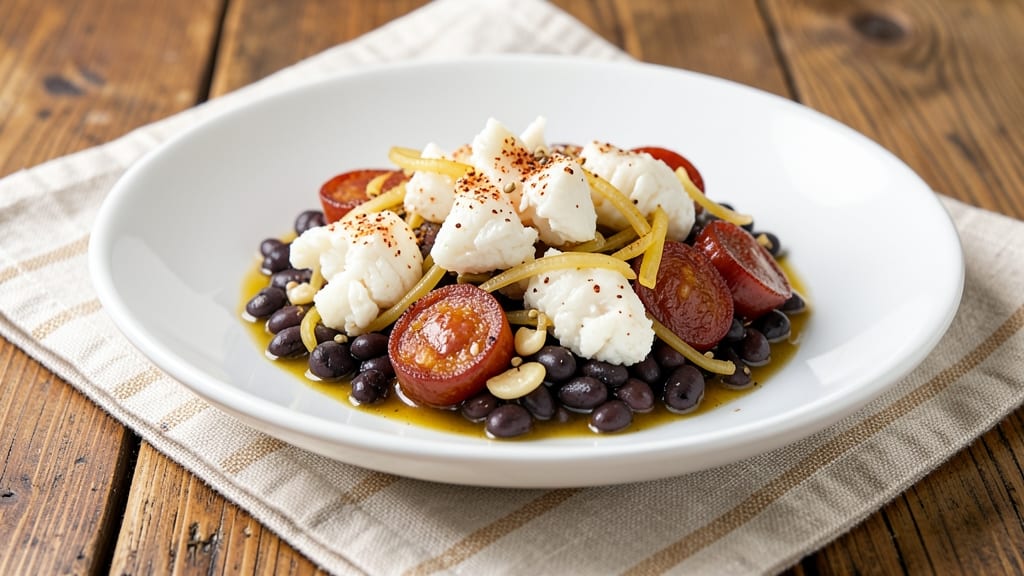
This black bean and crab recipe delivers a bold fusion of smoky, spicy, and briny flavors that transform simple ingredients into a restaurant-worthy dish.
The secret lies in balancing sweet chorizo heat with the umami richness of crab and the earthy depth of black beans—each bite offers a perfect harmony of textures and tastes.
I developed this recipe after years of experimenting with seafood and Latin-inspired flavors, and it's become a crowd-pleaser at every gathering.
The cooking process is straightforward yet impactful: sear the chorizo to render its fat and deepen its flavor, then sauté aromatics like garlic and onions until fragrant before adding the black beans and crab.
A splash of white wine brightens the dish, while a touch of smoked paprika adds that signature smoky note. The dish simmers just long enough to meld all the flavors without overcooking the delicate crab.
What you'll end up with is a dish that's visually stunning—golden-brown chorizo crumbles nestled among plump crab claws and glossy black beans—with a sauce that's rich, slightly sweet, and packed with layers of flavor.
The garlic butter finish ties everything together, adding a luxurious crunch that elevates the dish from simple to extraordinary.
Serve this over fluffy jasmine rice or with a side of grilled asparagus to balance the richness, and don't forget a crisp white wine or citrusy margarita to complement the meal. This recipe is perfect for impressing guests or treating yourself to a special weeknight dinner.
Ingredients for black bean crab
Pantry staples meet seafood luxury in this smoky, briny black bean and crab dish.
| Ingredient | Amount | Notes |
|---|---|---|
| Sweet Chorizo Sausage 🌭 | ½ lb | Spanish or Mexican variety preferred |
| Black Beans 🫘 | 1 ½ cups | Cooked or canned, drained |
| Lump Crabmeat 🦀 | 1 ½ lbs | Backfin or claw preferred |
| Yellow Onion 🧅 | 1 whole | Medium size, diced |
| Garlic Cloves 🧄 | 6 cloves | Fresh, minced |
| Smoked Paprika 🌶️ | 1 tbsp | Sweet or hot variety |
| Dry White Wine 🍷 | ¼ cup | Sauvignon Blanc or Pinot Grigio |
| Chicken or Seafood Stock 💧 | 1 cup | Low-sodium preferred |
| Unsalted Butter 🧈 | 4 tbsp | Cold, cubed for garlic butter |
| Lemon Juice 🍋 | 2 tbsp | Freshly squeezed |
| Fresh Cilantro 🌿 | ¼ cup | Chopped, for garnish |
| Kosher Salt 🧂 | 1 ½ tsp | Diamond Crystal preferred |
| Ground Black Pepper 🌶️ | ½ tsp | Freshly ground |
| Jasmine Rice 🍚 | 1 ½ cups | Uncooked, for serving |
The crab makes this dish special, so look for lump or backfin at seafood markets—it's worth the extra cost. Whole Foods or Trader Joe's usually carry high-quality frozen lump crab that thaws quickly. If using fresh, buy live crabs and steam them yourself for maximum flavor. The chorizo should be sweet, not spicy—Spanish chorizo has that perfect balance. For the black beans, canned is fine, but if you're cooking from dry, soak them overnight for creamier texture. The garlic butter finish relies on cold butter, so measure it out ahead of time and keep it chilled.
No white wine? Dry vermouth or extra chicken stock works in a pinch. Substituting crab? Shrimp or scallops hold up well, but adjust cooking time. Fresh cilantro wilt fast, so buy it the day you cook. Dried cilantro isn't a thing—use parsley if needed, but it's not the same. The smoked paprika adds depth, but if you're out, liquid smoke at half the amount mimics the smoky note. For extra richness, stir in 1 tbsp tomato paste with the chorizo. The jasmine rice should be fluffy—cook it separately while the main dish simmers.
Store any leftovers in an airtight container for up to 2 days—the flavors actually improve overnight. The crab reheats best gently in a skillet with a splash of water. Freeze portions for up to 2 months by portioning into single servings before freezing. For the garlic butter, make it fresh each time—it's not something you want to store. If prepping ahead, cook the chorizo and onions first, then refrigerate them separately until ready to combine with the crab and beans.
Why You'll Love This Recipe
- One-Pot Magic: I swear by this recipe when I’m too tired to dirty three pans. Slice the chorizo, dice the onion, and toss everything in one skillet—no chopping board chaos. The black beans and crabmeat soften into a rich, velvety sauce while the chorizo renders its smoky goodness right into the mix.
- Smoky-Sweet Crave: That first bite? It’s the sweet chorizo’s caramelized bite cutting through the briny crabmeat, all wrapped in the deep, garlicky warmth of the beans. Honestly, the flavor balance is chef’s kiss—like a seafood paella had a spicy, savory lovechild.
- Weeknight to Party: Serve it over rice for a quick Tuesday dinner, or pile it onto toasted baguettes for a weekend brunch crowd-pleaser. I’ve even turned it into tacos when friends drop by—just add lime and avocado. It’s the kind of dish that works as hard as you do.
- Budget Luxury: Lump crabmeat feels fancy, but here it stretches into something hearty with the beans and chorizo. Leftovers? Even better reheated the next day—just add a splash of water to keep it luscious. My wallet and taste buds thank me every time.
Step-by-step instructions for black bean and crab recipe
This method delivers smoky, garlicky depth with sweet chorizo heat—perfectly balanced flavors in every bite.
Sauté Chorizo and Aromatics for Smoky Foundation
Heat a large skillet over medium heat and add the 0.5 lb sweet chorizo sausage, sliced into ½-inch rounds. Cook for 5-6 minutes until the chorizo releases its oils and begins to brown at the edges. I press down gently with a spatula to help it render evenly—this prevents it from sticking and ensures maximum flavor extraction.
Add the 1 whole yellow onion, diced into ¼-inch pieces, and the 6 cloves garlic cloves, minced finely. Cook for another 4-5 minutes until the onions soften and become translucent. Here's the thing—don't rush this step. The onions should caramelize slightly at the edges, deepening the sweetness that balances the smoky chorizo. Stir occasionally to prevent burning, but let the chorizo crisp up naturally.
Build Depth with Wine and Stock Reduction
Pour in the 0.25 cup dry white wine and scrape up any browned bits from the bottom of the pan. This deglazing step captures all the flavor that would otherwise stick to the pan. Let the wine simmer for 2-3 minutes until it reduces by about half and the alcohol cooks off—you'll smell it evaporating, which is your cue to move quickly.
Add the 1 cup chicken or seafood stock and the 1 tbsp smoked paprika, stirring to combine. Bring to a gentle simmer and cook for 5 minutes until the liquid reduces by about one-third. The sauce should coat the back of a spoon but still be loose enough to cling to the crab later. Taste and adjust seasoning with ½ tsp kosher salt and ¼ tsp ground black pepper—this early seasoning ensures the flavors develop evenly throughout the dish.
Incorporate Black Beans and Crabmeat
Add the 1.5 cups black beans to the skillet and stir to warm through for 1-2 minutes. The beans should absorb the smoky flavors from the chorizo and aromatics. Then, gently fold in the 1.5 lbs lump crabmeat, using two spatulas to avoid breaking up the crab pieces. Cook for just 2-3 minutes until the crab is heated through—any longer and it will turn rubbery. Watch carefully; crab cooks quickly and loses texture when overcooked.
Remove the skillet from heat and stir in the 4 tbsp unsalted butter, allowing it to melt and create a rich, velvety sauce. The butter should blend smoothly with the other ingredients, adding a luxurious texture. Here's where it gets fun—toss in the 2 tbsp lemon juice and 0.25 cup fresh cilantro, chopping the cilantro finely to distribute it evenly. The acidity brightens the dish, cutting through the richness of the butter and chorizo.
Serve Over Jasmine Rice with Garnish
Divide the 1.5 cups cooked jasmine rice among four plates, spreading it evenly to create a base. Spoon the black bean and crab mixture over the rice, ensuring each serving gets a generous portion of crab and chorizo. The rice should be warm but not mushy—jasmine rice has a delicate texture that pairs perfectly with the bold flavors of this dish.
Garnish each serving with an additional sprinkle of cilantro and a final adjustment of kosher salt and black pepper to taste. Serve immediately while the crab is still warm and the flavors are at their peak. The contrast of the tender crab, smoky chorizo, and creamy butter sauce over fluffy rice creates a harmonious balance that's both comforting and exciting.
Pro Tips For Making Black Bean Crab
- CRACK THE CHORIZO FIRST: Don’t just toss raw chorizo into the pot—slice it into ¼-inch rounds and sear them in a dry skillet for 2-3 minutes until the edges crisp. The fat renders faster, and that smoky crust carries flavor straight into the beans. (Yes, it’s an extra step, but skipping it means your crab ends up tasting like it’s hiding in the background.)
- PAT THE CRAB DRY: Lump crabmeat is finicky—if it’s wet or packed in liquid, it’ll turn mushy when it hits the heat. Drain it thoroughly, then press it between paper towels to squeeze out every drop. Works best if you do this right before adding it to the pan, not 10 minutes earlier. Trust me, the texture difference is night and day.
- LOW AND SLOW WITH BEANS: Black beans need time to soften and soak up flavors, but don’t let them simmer like a lazy soup. After adding them to the chorizo-onion base, bring to a gentle boil for 2 minutes, then drop to a simmer and cover partially. Check every 5 minutes—if they’re still rock-hard after 15, add a splash of water and keep them moving. Overcooking turns them to mush, and no one wants that.
- SAVE THE GARLIC FOR LAST: I used to fry the garlic with the onions, but it burns before the chorizo’s fat is ready, leaving bitter bits. Instead, add the minced garlic to the pan only after the chorizo’s released its oils and the onions are translucent. Stir it in for 30 seconds max—just enough to perfume the dish without turning it acrid. (Your nose will thank you.)
Pro cooking tips for perfect results
Chorizo Rendering Secrets
For maximum flavor, slice the 0.5 lb sweet chorizo into ½-inch rounds before cooking—this increases surface area for better browning. Use a 12-inch cast iron skillet (like Lodge) to distribute heat evenly. I press the chorizo slices gently with a spatula during cooking to render fat more efficiently.
This step should take 5-6 minutes at medium heat—don't rush it, or you'll miss the smoky depth. 🌭
Crab Texture Preservation
Crab cooks in just 2-3 minutes after adding it to the skillet, so time it perfectly. Use lump crabmeat (backfin or claw) for the best texture—it holds together better than flaked crab. I fold the crab gently with two spatulas to avoid breaking it up.
Remove the pan from heat as soon as the crab reaches 145°F internal temperature—overcooking turns it rubbery. The butter should melt immediately when added, creating a silky sauce that coats the crab beautifully.
Wine Reduction Timing
The white wine reduction is critical for balancing flavors. After deglazing with 0.25 cup dry white wine, let it simmer until reduced by half—this takes about 2-3 minutes. You'll smell the alcohol evaporating, which is your cue to move quickly.
Add the 1 cup stock and 1 tbsp smoked paprika immediately after. The sauce should coat the back of a spoon but remain loose enough to cling to the crab. Taste and adjust seasoning early—this prevents over-salting later.
Garlic Butter Finish
The garlic butter finish is where the dish comes together. Use 4 tbsp cold cubed butter (not melted) to create a luxurious sauce. Stir it in off the heat to prevent burning. The butter should melt into the warm mixture, creating a velvety coating.
Finish with 2 tbsp lemon juice and 0.25 cup cilantro—the acidity brightens the dish while the cilantro adds freshness. This step should take less than 1 minute to complete. ✨
Heat Control Mastery
Maintain medium heat throughout the cooking process—this prevents burning while allowing flavors to develop. If using a gas stove, adjust the flame to medium-low after adding the stock to avoid boiling. For electric stoves, reduce to the lowest setting that keeps a gentle simmer.
The chorizo and onions should caramelize gradually, while the crab heats through quickly. A thermometer helps monitor the crab's temperature precisely.
Plating for Visual Appeal
Serve the dish immediately over jasmine rice to maintain texture. Use a spoon to create an even base, then spoon the crab mixture generously on top. Garnish with extra cilantro and a final pinch of kosher salt and black pepper.
The contrast of the golden chorizo, glossy black beans, and tender crab creates a visually stunning plate. For extra presentation, drizzle a little extra sauce from the skillet over the top before serving. 💫
Nutrition facts
Frequently asked questions
Can I substitute fresh black beans for canned in this recipe?
Yes, but you'll need to cook them first. Soak 1 cup dry black beans overnight, then simmer for 1.5-2 hours until tender. Drain and rinse before using—fresh beans have more water content than canned. For convenience, canned beans work perfectly and save time.
What if I can't find lump crabmeat? What's the best alternative?
Use jumbo lump crabmeat or backfin crab for the closest texture. If those aren't available, shrimp (peeled and deveined) or scallops (sliced) work well—just reduce cooking time to 1-2 minutes to avoid overcooking. The dish will still be delicious, though the texture will differ slightly.
How do I prevent the crab from turning rubbery?
Cook the crab for only 2-3 minutes after adding it to the pan—it's delicate and overcooking destroys its texture. Use medium heat and remove the pan from heat as soon as it reaches 145°F. Adding cold butter immediately after cooking helps lock in moisture and creates a protective sauce layer.
Can I make this recipe ahead of time?
Store leftovers in an airtight container for up to 2 days in the fridge. The flavors actually improve overnight! Reheat gently in a skillet with a splash of water or stock to maintain moisture. For freezing, portion into single servings and freeze for up to 2 months. Thaw overnight in the fridge before reheating.
What wine should I use if I don't have Sauvignon Blanc?
Any dry white wine with moderate acidity works—try Pinot Grigio, Chardonnay, or even dry vermouth in a pinch. Avoid sweet wines like Riesling. If you're avoiding alcohol, substitute with extra chicken or seafood stock plus 1 tsp lemon juice for brightness. The key is acidity to balance the richness.