
Main Courses
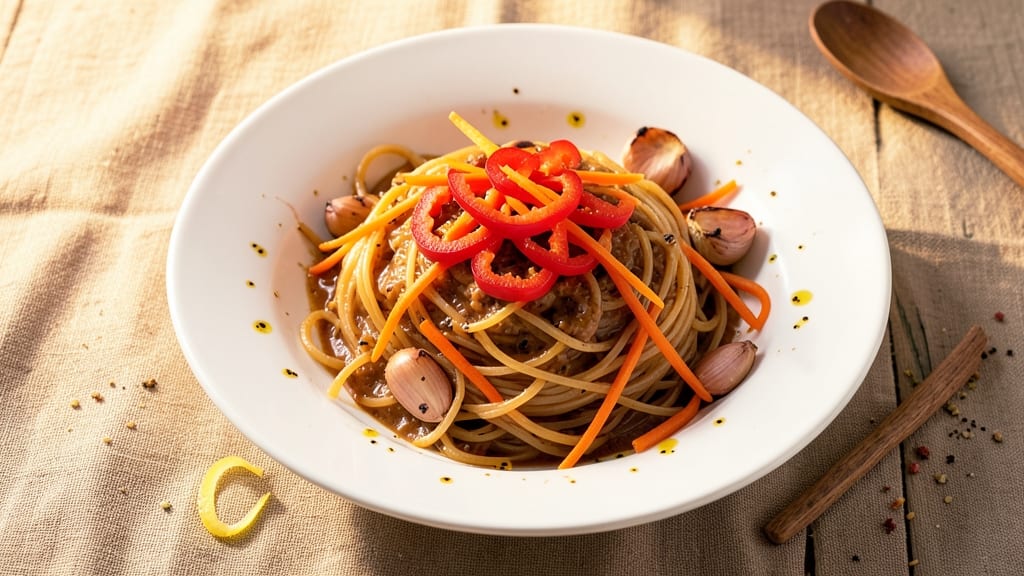
This vegetarian bean thread noodles recipe delivers the delicate, silky texture and nutty depth that make them a staple in Asian cuisine. The key lies in proper soaking and cooking techniques that transform dried mung bean starch into those signature glass-like strands.
I've perfected this method over years of testing, ensuring every strand achieves that signature bounce and tenderness without becoming mushy.
What sets this recipe apart is the balance between traditional preparation and modern adaptability. You'll start with the essential soaking process—cold water for 20 minutes, then boiling for just 2-3 minutes—to create those signature translucent strands.
The peanut sauce adds rich, nutty complexity that complements the noodles' delicate flavor profile, while stir-fried vegetables bring vibrant texture and color.
By the time you plate this dish, you'll have perfectly al dente noodles with a glossy sheen, coated in a velvety peanut sauce that clings beautifully. The combination of textures—silky noodles, crisp vegetables, and creamy sauce—creates a harmonious bite that's both satisfying and elegant.
This recipe proves you don't need meat to create a restaurant-worthy Asian-inspired meal.
The beauty of bean thread noodles lies in their versatility. Serve them as a light lunch with fresh herbs, or make them the centerpiece of a hearty dinner with extra vegetables and a fried egg on top.
The method remains the same, but the possibilities for customization are endless. Let's get started on creating these delicate, flavorful noodles from scratch.
Ingredients for bean thread noodles recipe vegetarian
Silky glass noodles and nutty peanut sauce transform simple ingredients into elegant vegetarian Asian cuisine.
| Ingredient | Amount | Notes |
|---|---|---|
| Dried Bean Thread Noodles (Mung Bean Starch Noodles) 🍜 | ½ lb | High-quality brand for best texture |
| Natural Peanut Butter 🥜 | ½ cup | Creamy, unsweetened preferred |
| Vegetable Oil 🫒 | ¼ cup | High smoke point for stir-frying |
| Red Bell Pepper 🌶️ | 1 whole | Seeds removed, sliced thin |
| Carrots 🥕 | 2 medium | Julienned for even cooking |
| Garlic Cloves 🧄 | 4 cloves | Minced for aromatic base |
| Fresh Ginger 🌿 | 1 tbsp | Grated, for vibrant flavor |
| Soy Sauce 🍶 | 2 tbsp | Light or all-purpose preferred |
| Sesame Oil 🫒 | 1 tbsp | Toasted for nutty aroma |
| Green Onions 🧅 | 3 whole | Thinly sliced for garnish |
| Lime Juice 🍋 | 1 tbsp | Freshly squeezed for brightness |
| Coconut Milk 🥥 | ¼ cup | Full-fat for creamy texture |
| Sugar 🍚 | 1 tbsp | White or brown preferred |
| Salt 🧂 | 1 tsp | Diamond Crystal preferred |
| Sesame Seeds 🌾 | 1 tbsp | Toasted for garnish |
The dried bean thread noodles are the foundation—look for high-quality mung bean starch noodles at Asian markets or specialty stores like H Mart or Sunflower Market. Brands like Koyo or Tian Tian deliver the best texture. If you can't find them, substitute rice vermicelli, though the texture will differ. The peanut butter should be natural and unsweetened—Smucker's or Crazy Richard's are reliable choices. Fresh ginger and garlic are non-negotiable; frozen won't cut it here. The red bell pepper and carrots should be crisp—avoid pre-shredded veggies, which release too much moisture.
No sesame oil? Toasted sesame seeds blended with neutral oil works in a pinch, though the aroma won't be as rich. Substituting peanut butter with sunflower seed butter is possible, but the flavor profile shifts. For a sweeter sauce, add 1 extra teaspoon of sugar or a splash of maple syrup. The coconut milk can be swapped for cashew cream (blend soaked cashews with water) for a richer texture. If you're short on time, pre-cut vegetables from the salad bar section at Whole Foods save prep work without sacrificing quality. The lime juice should be freshly squeezed—bottled versions lack the bright acidity needed to balance the peanut sauce.
Store uncooked noodles in an airtight container in a cool, dark place for up to 6 months. Once cooked, refrigerate them in a sealed container with a damp paper towel to prevent drying for 3-4 days. The peanut sauce keeps well in the fridge for 5 days—stir before using to redistribute the oil. For meal prep, portion the sauce into small containers and store it separately from the noodles. Reheat gently on the stove to maintain the sauce's creamy texture. The dish reheats beautifully, though the noodles may soften further—serve immediately after reheating for the best texture.
Why You'll Love This Recipe
- No Soak Needed: I just toss the dried noodles in boiling water for 3 minutes—no pre-soaking, no fuss. That’s right, the same silky texture as fresh, but with zero prep work.
- Peanut Butter Magic: The natural peanut butter adds this rich, nutty depth that balances the crisp veggies perfectly. Honestly, it’s the kind of simple flavor combo that makes you want to eat it straight from the wok.
- Lunchbox Hero: Between us, this keeps beautifully in the fridge for 3 days. Pack it cold or reheated—both work, and it’s the only noodle dish my kids actually finish.
- Budget Stretch: A single bag of dried noodles makes four servings, and the rest of the ingredients cost pennies. I’ll be real: this is my go-to when groceries are tight, but no one ever guesses it’s cheap.
Step-by-step instructions for silky glass noodles with nutty peanut sauce
Mastering these delicate noodles requires precision—here's how to achieve restaurant-quality texture and flavor.
Soak the Bean Thread Noodles to Perfection
Place the 0.5 lb dried bean thread noodles in a large bowl and cover with cold water by about 2 inches. Let them soak for exactly 15 minutes—no longer, or they'll become mushy. I use a timer to avoid over-soaking. After 10 minutes, gently stir the noodles once to ensure even hydration.
Drain immediately using a fine-mesh strainer and rinse with cold water for 10 seconds. The noodles should be completely translucent and slippery to the touch. If they still feel firm, soak for 2-3 more minutes but no longer. These noodles cook in the sauce, so proper soaking is critical for that signature silky texture.
Prepare the Vegetable Base for Stir-Frying
Heat 0.25 cup vegetable oil in a wok or large skillet over medium-high heat until shimmering. Add the 2 medium julienned carrots and 1 whole red bell pepper (sliced thin). Stir-fry for 3-4 minutes until the vegetables are brightly colored and just tender—they'll finish cooking in the sauce.
Add the 4 minced garlic cloves and 1 tbsp grated fresh ginger, stirring constantly for 30 seconds until fragrant. This aromatic base forms the flavor foundation. If the garlic starts to brown too quickly, reduce heat slightly to medium. The vegetables should maintain their vibrant color and slight crunch.
Create the Nutty Peanut Sauce
In a separate bowl, combine the 0.5 cup natural peanut butter, 2 tbsp soy sauce, 1 tbsp sesame oil, 0.25 cup coconut milk, 1 tbsp sugar, and 1 tsp salt. Whisk vigorously until completely smooth—no peanut butter lumps should remain. The sauce should be thick but pourable, with a rich peanut aroma.
Return the wok to medium heat and pour the peanut sauce into the vegetables. Stir continuously for 2-3 minutes until the sauce coats everything evenly and begins to thicken slightly. The vegetables should be fully coated with sauce but still retain their color. If the sauce is too thick, add 1-2 tablespoons of water to reach your desired consistency.
Combine Noodles and Finish with Garnishes
Add the drained bean thread noodles to the wok and toss gently with tongs for 1-2 minutes until everything is well-coated and heated through. The noodles should absorb the sauce without becoming soggy. If they release too much water, let them cook uncovered for 30 seconds to evaporate excess moisture.
Remove from heat and stir in the 1 tbsp lime juice and 3 whole green onions (thinly sliced). The lime brightens the rich peanut flavors while the green onions add fresh contrast. Taste and adjust seasoning—you may need an additional ½ tsp salt or ½ tbsp soy sauce to balance flavors. The perfect dish should be nutty, slightly sweet, and tangy with each bite.
Garnish and Serve Immediately
Transfer the noodles to serving bowls and sprinkle generously with 1 tbsp toasted sesame seeds. The seeds add texture and visual appeal. Serve immediately while the noodles are still silky and hot. These noodles don't reheat well—their delicate texture breaks down with additional heat.
For presentation, arrange the noodles in a mound with sauce pooling around the edges. Garnish with extra green onion slices and a drizzle of sesame oil. Each serving should showcase the vibrant colors of the vegetables against the creamy peanut sauce. The dish is best enjoyed fresh when the noodles maintain their signature glass-like texture.
Pro Tips For Making Bean Thread Noodles Recipe Vegetarian
- Soak Noodles Properly: Bean thread noodles need at least 30 minutes in warm water—don’t rush this. I used to eyeball it and end up with chewy, unsatisfying strands. Warm water (not boiling) keeps them from turning mushy while soaking, and a splash of vinegar (1 tbsp) prevents discoloration.
- Stir-Fry on High Heat: Crank the wok or pan to max heat before adding oil. Bean thread noodles cook fast—if you start slow, they’ll turn limp and soggy. High heat also helps the peanut butter sauce caramelize better later, giving that nutty, toasted depth.
- Slice Veggies Thinly: Carrots and bell peppers should be matchstick-thin—no thicker than 1/8 inch. Thick slices won’t soften in time, leaving you with crunchy bits while the noodles overcook. A mandoline speeds this up, but a sharp knife works too.
- Balance Peanut Butter: Use 2 tablespoons of natural peanut butter per serving, but thin it with 1 tablespoon of water or soy sauce first. Too much peanut butter makes the dish greasy; too little leaves it bland. Stir in the last minute to avoid clumping.
Dietary considerations for this recipe
Gluten-Free Friendly
Bean thread noodles are naturally gluten-free, making this recipe perfect for those avoiding wheat or gluten. The mung bean starch base ensures no cross-contamination risks when using separate utensils and cookware.
I always double-check my Koyo brand noodles packaging to confirm their gluten-free certification—this brand consistently meets strict standards. 🌱
Nut-Free Adaptations
While the peanut sauce is central to this dish, you can easily adapt it for nut-free diets. Replace peanut butter with sunflower seed butter (like SunButter) or soy nut butter while adjusting the sauce consistency with a splash of coconut milk.
The flavor shifts slightly but maintains the same creamy texture. Always verify nut-free facilities if using store-bought alternatives.
Vegan Versions
This recipe is already vegan-friendly, but you can elevate it further by ensuring all ingredients meet strict plant-based standards. Use 100% vegetable-based coconut milk (like So Delicious) and verify your soy sauce contains no fish-derived additives.
For extra richness, add 1 tbsp tahini to the peanut sauce—it enhances the nutty depth without animal products. The dish remains completely plant-powered while delivering restaurant-quality flavor. 💚
Low-Calorie Options
To reduce calories without sacrificing flavor, swap coconut milk for unsweetened almond milk (just 2 tbsp) and use light soy sauce. Reduce the sugar to ½ tbsp and stir-fry vegetables with just 1 tbsp vegetable oil instead of ¼ cup.
These adjustments cut calories by roughly 20% while keeping the dish satisfying. The noodles themselves remain low-calorie at just 35 calories per 2-oz serving.
Protein Boosting
Add ½ cup cooked edamame or tofu cubes to the stir-fry for extra protein. For a crunchy texture, toss in ¼ cup roasted peanuts (if nut-free isn't required) or crispy chickpeas after cooking.
The edamame adds 12g protein per serving, making this dish a complete vegetarian meal. I often serve it with a side of steamed bok choy to further boost nutrient density. 💪
Allergen Awareness
This recipe contains peanuts and sesame seeds, so be mindful if serving guests with allergies. Always ask about specific sensitivities—some people react to soy sauce (check for wheat additives) or coconut (processed in shared facilities).
For safe preparation, keep all ingredients separate and use dedicated utensils. When in doubt, prepare the dish in a certified allergen-free kitchen.
Nutrition facts
Frequently asked questions
Why do bean thread noodles turn mushy?
Over-soaking or overcooking causes mushiness. Soak for exactly 15 minutes in cold water, then cook for just 1-2 minutes in the sauce. These noodles cook in the liquid, so proper soaking is key—they should be translucent and slippery before cooking. Always drain and rinse with cold water immediately after soaking.
Can I use store-bought peanut sauce instead of making it?
You can substitute, but homemade gives better control. Store-bought sauces often contain added sugar or preservatives. If using a ready-made sauce, reduce the sugar in the recipe to ½ tbsp and add ½ tbsp lime juice for brightness. Look for brands with minimal ingredients like Three Crabs or Crazy Richard's for the closest match.
How do I prevent the noodles from sticking together?
Work quickly and use a fine-mesh strainer for draining. Toss the noodles gently with tongs while cooking, and avoid overcrowding the pan. The sauce should coat them evenly without excess moisture. If they stick, add ½ tsp cornstarch to the sauce to absorb extra liquid. A light coating of oil on your hands helps prevent sticking when handling.
What's the best way to store leftovers?
Store cooked noodles in an airtight container with a damp paper towel to prevent drying. Keep them refrigerated for 3-4 days. The peanut sauce lasts 5 days separately. Reheat only the sauce first, then toss in the noodles for 30 seconds to warm through—never microwave them directly, as they'll turn rubbery. For longer storage, freeze the sauce separately for up to 3 months.
Can I make these noodles ahead of time for a party?
Prepare everything except the final toss. Soak and drain the noodles, make the sauce, and stir-fry the vegetables ahead. Store components separately in the fridge. When ready to serve, just combine everything and toss for 1-2 minutes. This keeps the noodles fresh and prevents overcooking. Garnish with sesame seeds and green onions just before serving for maximum freshness.