
Side Dishes
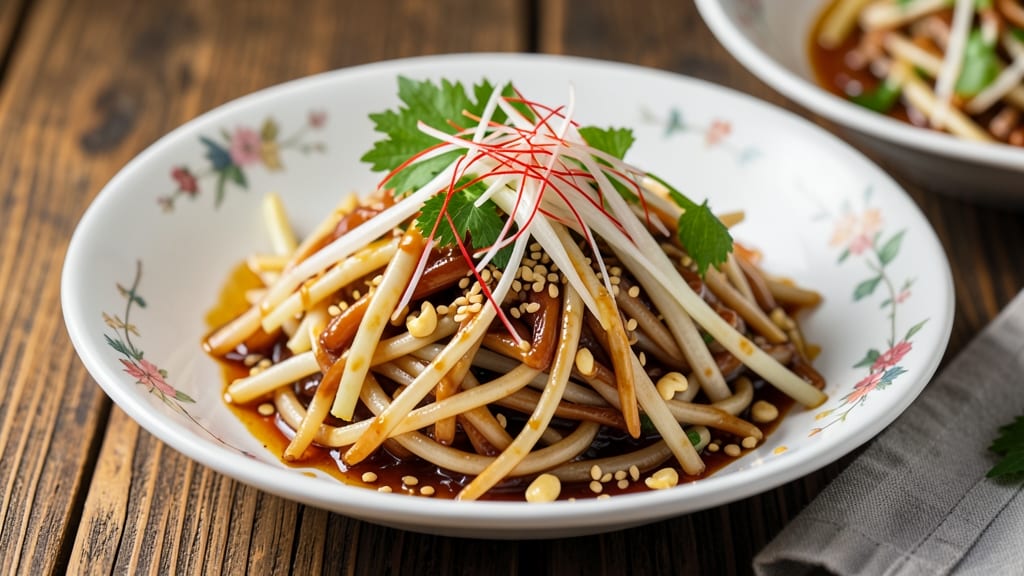
This Japanese-style bean sprout recipe delivers the perfect balance of crisp-tender texture and bold garlic-soy flavor in just 15 minutes. The secret lies in quick stir-frying over high heat, which preserves the sprouts' natural crunch while infusing them with umami-rich seasoning.
I developed this version after experimenting with traditional moyashi no nimono techniques, adapting them for a modern stir-fry approach that works equally well as a side dish or light main. The foundation starts with fresh bean sprouts—tender yet sturdy enough to hold their shape during cooking.
A simple marinade of soy sauce, garlic, and a touch of mirin creates that signature Japanese zing, while a splash of sesame oil adds depth. For added texture, I include thinly sliced scallions and toasted sesame seeds, which elevate the dish from simple to restaurant-quality.
What you’ll end up with is a vibrant stir-fry that’s crisp-tender with every bite, packed with savory-sweet garlic notes and a subtle nutty finish from the sesame. The aroma alone will transform any meal, whether paired with grilled fish, steamed rice, or served as a standalone dish.
This recipe is also naturally vegetarian-friendly, making it versatile for any dietary preference. The best part? It’s a foolproof method that delivers consistent results—no special equipment or advanced techniques required. Let’s get started!
Ingredients for bean sprout recipe japanese style
Fresh bean sprouts meet umami-rich seasoning for a crisp-tender Japanese stir-fry that's restaurant-quality in 15 minutes.
| Ingredient | Amount | Notes |
|---|---|---|
| Fresh Bean Sprouts 🌱 | 4 cups | Tender, 2-3 inches long |
| Fresh Garlic Cloves 🧄 | 4 cloves | Minced finely for infusion |
| Japanese Soy Sauce 🍶 | 2 tbsp | High-quality, low-sodium preferred |
| Mirin 🍶 | 1 tbsp | Sweet rice wine for balance |
| Toasted Sesame Oil 🫒 | 1 tbsp | For aroma and depth |
| Scallions 🧅 | 3 whole | Thinly sliced, white and green parts |
| Toasted Sesame Seeds 🌰 | 1 tbsp | Lightly browned for texture |
| Neutral Oil 🫒 | 1 tbsp | Vegetable or canola oil |
| Sesame Seeds 🌰 | 1 tsp | Extra for garnish |
| Diamond Crystal Kosher Salt 🧂 | ¼ tsp | For seasoning balance |
| Ground White Pepper 🌶️ | ⅛ tsp | Freshly ground preferred |
| Rice Vinegar 🍶 | ½ tsp | For brightness |
The bean sprouts are the star—look for vibrant, 2-3 inch varieties at your local Asian market or well-stocked grocery store like Whole Foods. They should be crisp, not wilted, and ideally harvested within the last 24 hours for peak tenderness. Trader Joe's carries excellent pre-washed options that save prep time. For authentic flavor, use Japanese soy sauce (like Kikkoman) rather than regular soy sauce—its deeper umami profile makes all the difference. The mirin adds that signature sweetness, so don't substitute with regular rice wine unless you're willing to add extra sugar to compensate.
No mirin on hand? Dry sherry mixed with 1 tsp sugar works in a pinch, though it won't have quite the same depth. Scallions can be swapped for regular onions if needed, but the white parts only should be used to avoid bitterness. For the sesame oil, toasted sesame oil is non-negotiable—regular sesame oil lacks that nutty aroma. If you can't find it, toast regular sesame oil in a dry pan for 2-3 minutes before using. The garlic should be minced finely for even distribution, and if you're not comfortable with that level of precision, a garlic press works perfectly. For extra crunch, toast your sesame seeds in a dry skillet until lightly browned before adding them to the dish.
This stir-fry is best served immediately after cooking to maintain that signature crisp-tender texture. However, it keeps well in an airtight container in the fridge for 3-4 days, though the texture will soften slightly. For meal prep, store the cooked sprouts separately from the sauce and toss together just before serving. The dish reheats beautifully in a skillet with a splash of water to restore moisture. If you're serving this as a side, double the batch—it disappears quickly at gatherings. The sesame seeds can be toasted ahead and stored in a cool, dark place for up to 6 months, ready to elevate any dish.
Why You'll Love This Recipe
- No-Chop Needed: I swear by this—just rinse those bean sprouts, toss them in a bowl, and you’re halfway done. The garlic gets minced in seconds, and the sauce? Three ingredients stir together while you wait for the water to boil. Honestly, it’s the kind of recipe that makes me question why I ever made anything complicated.
- Umami Bomb: That first bite—crisp, garlicky sprouts with a glossy soy-mirin glaze—hits different. The mirin sweetens just enough to balance the salty soy, and the sesame oil adds this nutty depth that makes it taste like you actually slaved over it. (Between us, it’s my go-to for when I want restaurant-quality flavor without the fuss.)
- Lunchbox Hero: Pack these cold or at room temp—they’re perfect for work lunches, kids’ bento boxes, or even a quick snack when you’re starving. My daughter used to reject anything green until she tried these; now she picks out the best sprouts first. Not the prettiest, but the taste makes up for it every time.
- Pantry Stretch: A single bag of sprouts and a bottle of soy sauce last me weeks. Mirin’s pricey, but a little goes a long way, and sesame oil? You’ll use it in everything after this. I’ll be real: it’s my budget-friendly secret for making simple meals feel special without breaking the bank.
Step-by-step instructions for Japanese-style bean sprouts
Here's the method for achieving that perfect balance of crisp-tender texture and umami-rich flavor.
Prepare the Bean Sprouts for Optimal Texture
Rinse the 4 cups fresh bean sprouts thoroughly under cold water to remove any debris, then drain completely in a colander. I like to give them a gentle shake to ensure no moisture remains—this prevents steaming instead of crisping during cooking. Pat them dry with paper towels if they feel particularly damp. The goal is to start with completely dry sprouts so they develop that signature crisp-tender bite we're after.
Real talk: If you skip the drying step, your sprouts will turn soggy rather than achieving that perfect al dente texture. I've learned this the hard way when I rushed through the prep. Also, trim off any woody ends with kitchen shears for cleaner bites. The sprouts should be ready to cook immediately after drying—don't let them sit too long or they'll start to wilt.
Create the Garlic-Soy Base
Heat the 1 tablespoon neutral oil in a large wok or skillet over medium-high heat until shimmering. Add the 4 cloves minced fresh garlic cloves and stir constantly for 30-45 seconds until fragrant but not browned—you want that sweet garlic aroma without bitterness. This quick cooking time prevents the garlic from burning, which would make the dish taste harsh.
Immediately add the 2 tablespoons Japanese soy sauce and 1 tablespoon mirin, stirring to combine. The mirin will deglaze the pan slightly, creating a glossy base for your stir-fry. Let this mixture simmer for 1 minute until slightly reduced. This step builds the flavor foundation—don't skip it, as the soy and mirin combination creates that signature umami depth. The mixture should be smooth and slightly syrupy by this point.
Stir-Fry the Sprouts to Crisp-Tender Perfection
Add the prepared bean sprouts to the wok in a single layer, spreading them out evenly. Stir-fry over medium-high heat for 2-3 minutes, working quickly to ensure even cooking. You'll want the sprouts to develop a light golden color at the edges while maintaining a crisp texture—this is where the magic happens. The high heat ensures they cook quickly while staying crisp-tender rather than becoming mushy.
Here's the thing—don't overcrowd the pan. If you need to work in batches, cook each batch for the full 2-3 minutes rather than trying to cook everything at once. The sprouts should be heated through but still offer slight resistance when bitten—this is the perfect texture we're aiming for. If they feel too soft, they've been cooked too long.
Finish with Aromatics and Seasoning
Add the 3 whole scallions, sliced thinly, and the 1 tablespoon toasted sesame seeds to the wok. Stir everything together for 30 seconds to distribute the seeds and scallions evenly. Drizzle in the 1 tablespoon toasted sesame oil and 0.5 teaspoon rice vinegar, tossing gently to coat. The sesame oil adds that nutty aroma while the rice vinegar provides a bright contrast to the rich soy flavors.
Season with the 0.25 teaspoon Diamond Crystal kosher salt and 0.125 teaspoon ground white pepper, tossing one final time. Taste and adjust if needed—this is your chance to balance the flavors. The dish should have a harmonious blend of savory, slightly sweet, and umami notes with a hint of acidity from the vinegar. The texture should be crisp-tender with no soggy bits.
Garnish and Serve Immediately
Transfer the bean sprouts to a serving platter and sprinkle with the remaining 1 teaspoon sesame seeds for extra texture and visual appeal. Serve immediately while still hot—this dish doesn't wait. The high heat and quick cooking mean the flavors and textures are at their peak right out of the pan. Pair with steamed rice or use as a topping for noodle dishes to complement the umami profile.
For best results, serve while the sprouts maintain their crisp edges. If you need to reheat leftovers, do so over low heat for just 30-60 seconds to preserve the texture. The dish holds well for 1-2 days in the refrigerator but loses some of that perfect crisp-tender quality over time.
Pro Tips For Making Bean Sprout Recipe Japanese Style
- Wash Sprouts Twice: Bean sprouts hide dirt in those crevices—give them a quick rinse, drain, then repeat. I learned this the hard way when my first batch tasted gritty no matter how much soy sauce I added.
- Minced Garlic First: Toss finely minced garlic into the pan before the oil heats. It cooks faster and won’t burn—just don’t walk away, or you’ll smell your whole kitchen.
- Skip the Stir-Fry: This isn’t stir-fry. Let the sprouts wilt in a single layer over medium heat for 2-3 minutes. Crowd them, and they’ll steam into mush.
- Drizzle Sesame Oil Last: Add toasted sesame oil when the pan’s off the heat—just before serving. Heat destroys its nutty aroma, and you’ll regret it if you don’t.
Regional styles of this dish
Kyoto-Style Nimono
In Kyoto, bean sprouts are traditionally simmered in a delicate broth called nimono, creating a comforting yet elegant dish.
For this version, use 4 cups bean sprouts simmered in 1 cup dashi broth (or vegetable broth for vegetarian) with 1 tbsp soy sauce, 1 tsp mirin, and a pinch of sake.
The key is low-and-slow cooking at 180°F for 10-12 minutes—just until tender but not mushy. Garnish with a drizzle of yuzu kosho for a citrusy kick. 🌿
Osaka Takoyaki Twist
For a playful Osaka-inspired variation, mix 3 cups bean sprouts with ½ cup grated daikon and 2 tbsp panko breadcrumbs before stir-frying. Cook until crispy, then serve in mini waffle cones with a drizzle of tonkatsu sauce and mayonnaise.
This fusion version turns bean sprouts into a fun, handheld snack perfect for parties. The texture contrast between crispy sprouts and creamy sauce is addictive!
Hokkaido-Inspired Sesame Crunch
Hokkaido cooks love their sesame, so this version cranks up the nutty flavor. Toss 4 cups bean sprouts with 2 tbsp toasted sesame oil, 1 tbsp soy sauce, and 1 tbsp honey (or agave for vegan).
Finish with 2 tbsp black sesame seeds and a sprinkle of furikake seasoning. The deep, toasty notes from Hokkaido's sesame culture elevate this dish to next-level comfort food. 🌰
Tokyo Street Food Style
In Tokyo, you'll find bean sprouts stir-fried with a bold, smoky twist. Sauté 4 cups bean sprouts with 1 tbsp neutral oil, 1 tbsp soy sauce, and ½ tsp chili crisp for heat. Top with 1 tbsp chopped scallions and a dash of sesame seeds.
This version is perfect for quick, flavor-packed bites—ideal for izakaya-style dining. The chili crisp adds a spicy depth that balances the soy's richness.
Okinawa's Umami Boost
Okinawan cuisine loves umami, so this version incorporates 1 tbsp awamori (or dry sherry) and 1 tsp shiso leaf for a fragrant twist. Stir-fry 4 cups bean sprouts with 2 tbsp soy sauce and 1 tbsp mirin, then finish with fresh shiso leaves.
The awamori adds a subtle warmth, while shiso brings a citrusy herbal note. This dish feels like a taste of Okinawa's vibrant coastal flavors. 🌺
Vegetarian Dashi Substitutes
For vegetarian versions, replace traditional dashi with 1 cup kombu broth (simmered kombu seaweed) or 1 cup shiitake mushroom broth. Both provide that essential umami depth without fish.
For a quicker option, use 1 cup vegetable broth enhanced with 1 tsp dried shiitake powder—it mimics the savory richness perfectly. These swaps keep the dish authentic while fitting vegetarian needs. 💚
Nutrition facts
Frequently asked questions
Can I use dried bean sprouts instead of fresh?
Fresh bean sprouts are essential for that signature crisp-tender texture. Dried sprouts lose their delicate structure when rehydrated and won't achieve the same al dente bite. If you can't find fresh, look for pre-washed sprouts at Asian markets—they're usually sold in 2-3 inch lengths and ready to use immediately. Never substitute with canned sprouts, as they're often overcooked and mushy.
What's the secret to keeping bean sprouts crisp? The key is high heat and quick cooking! Stir-fry over medium-high heat for just 2-3 minutes—any longer and they'll turn soggy. Also,
Can I make this vegetarian?
This recipe is naturally vegetarian-friendly, but if you want to avoid any potential fish-based ingredients, use vegetable broth instead of dashi for simmered versions. For the stir-fry, simply omit any fish-based seasonings. The original recipe already uses soy sauce (check for vegetarian labels) and sesame oil, which are both plant-based. The umami comes from the soy and garlic, not animal products.
How do I prevent garlic from burning?
Cook the garlic over medium-high heat for only 30-45 seconds—just until fragrant. Stir constantly and keep the pan moving to distribute the heat evenly. If you see the garlic starting to brown, immediately add the soy sauce and mirin, which will cool the pan slightly. For extra insurance, use a wok or nonstick skillet that heats up quickly and evenly.
Can I prepare this ahead of time?
For best texture, serve immediately after cooking. However, you can prep components ahead: toast sesame seeds and make the garlic-soy mixture in advance. Store cooked sprouts in an airtight container in the fridge for 1-2 days, but reheat gently over low heat for just 30-60 seconds to preserve crispness. To refresh texture, toss with a splash of water and sesame oil before serving.