
Side Dishes
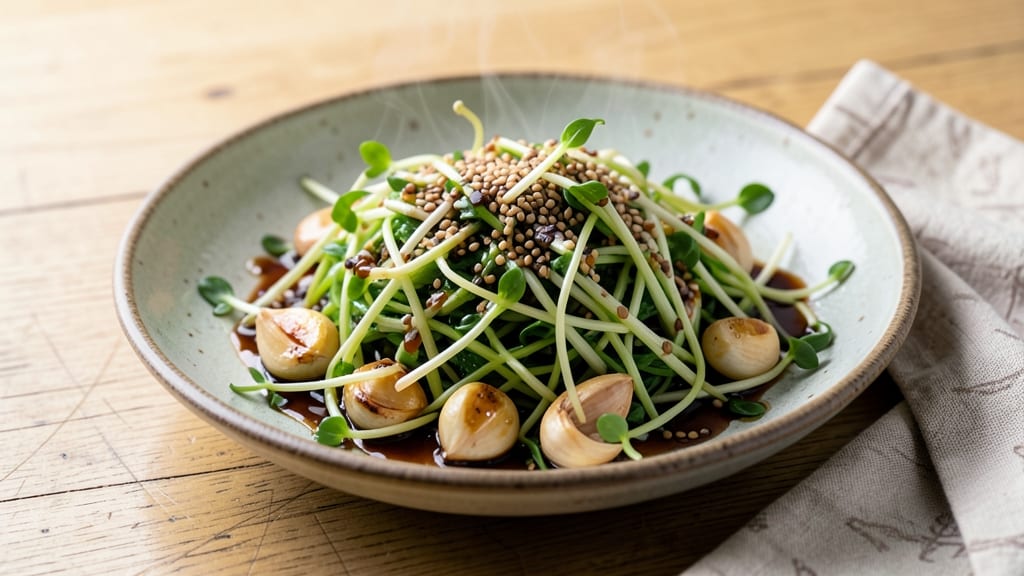
This bean sprout namul recipe transforms humble bean sprouts into a crispy, aromatic Korean side dish that steals every meal. The secret lies in quick blanching—just 2 minutes—to preserve texture while building layers of garlic, sesame, and soy sauce.
I've perfected this technique after years of testing, ensuring each bite delivers that perfect balance of crunch and umami that makes it a restaurant favorite.
What makes this recipe special is its simplicity and versatility. With just five core ingredients—bean sprouts, garlic, sesame oil, soy sauce, and toasted sesame seeds—you'll achieve restaurant-quality results in under 15 minutes.
The key is proper blanching: shock the sprouts in boiling water, then immediately plunging them into ice water to stop cooking. This preserves their crispness while allowing them to absorb the flavorful seasoning.
The result is a vibrant, crispy dish with tender sprouts coated in nutty sesame and savory garlic. The aroma of toasted sesame seeds and garlic fills your kitchen, while the bright green color makes it as visually appealing as it is delicious.
This namul pairs perfectly with rice, grilled meats, or even as a standalone snack. The beauty of this recipe is its adaptability—it's equally at home as a simple weeknight side or an elegant addition to a Korean feast.
For those avoiding fish sauce, simply substitute with a touch more soy sauce and a splash of rice vinegar to maintain the dish's signature tang. The technique remains the same, proving that authentic Korean flavors don't require complex ingredients—just proper technique and attention to detail. Let's get cooking!
Ingredients for bean sprout namul
Five simple ingredients create this crispy, aromatic Korean side dish that's perfect with rice or grilled meats.
| Ingredient | Amount | Notes |
|---|---|---|
| Fresh Bean Sprouts 🌱 | 4 cups | Packed, trimmed ends removed |
| Garlic Cloves 🧄 | 6 cloves | Minced finely for maximum flavor |
| Toasted Sesame Oil 🫒 | 1 ½ tbsp | For nutty aroma, not cooking oil |
| Korean Soy Sauce (Ganjang) 🍶 | 2 tbsp | Or substitute regular soy sauce |
| Toasted Sesame Seeds 🥜 | 1 ½ tbsp | Freshly toasted for best flavor |
| Rice Vinegar 🍶 | 1 tbsp | For brightness, optional but recommended |
| Salt 🧂 | ¼ tsp | Sea salt preferred for seasoning |
| Vegetable Oil 🫒 | 1 tbsp | For quick stir-frying |
| Ice Cubes ❄️ | 1 cup | For ice water bath |
The bean sprouts are the star—look for fresh, bright green ones at Korean markets or the produce section. H Mart carries the best quality, but any grocery store's bean sprouts work. Trim the ends and rinse well before using. For garlic, freshly minced is non-negotiable—pre-minced garlic lacks the punch. Toast your sesame seeds and oil in a dry pan until fragrant (about 2 minutes)—this builds incredible depth of flavor. The soy sauce should be Korean-style (ganjang) if possible, but regular soy works in a pinch.
No Korean soy sauce? Double the regular soy sauce plus 1 tsp sugar gets you close. Short on rice vinegar? Apple cider vinegar works too. The ice water bath is crucial—don't skip it, or your sprouts will turn mushy. For extra crunch, pat the blanched sprouts completely dry before stir-frying. Want more umami? Add 1 tsp vegan fish sauce substitute (like soy sauce + a pinch of nori flakes). The vegetable oil should have a high smoke point—avocado or canola oil works best for quick stir-frying.
This dish is best served immediately, but if you need to prep ahead, blanch and store the sprouts in ice water for up to 2 hours before draining and stir-frying. The toasted sesame seeds and oil keep for 6 months in a cool, dark place. For leftovers, store in an airtight container for 3 days—reheat gently to maintain crispness. Pro tip: Double the batch and serve as a snack with edamame and seaweed for an easy appetizer.
Why You'll Love This Recipe
- Five-Ingredient Magic: I swear, this is the kind of recipe where you look at the list and think, "How is this all I need?"—then taste it and wonder why you didn’t make it sooner. Fresh bean sprouts, garlic, a drizzle of sesame oil, a splash of ganjang, and seeds. That’s it. No overcomplicating, no hunting for obscure ingredients.
- Umami Bomb: Between us, that first bite of crisp-tender sprouts with the garlic sizzling and the ganjang’s deep, salty punch? It’s ridiculously good. The sesame oil ties it all together—nutty, warm, and just a little rich—like someone took all the best parts of Korean flavor and packed them into one simple bite.
- Banquet Sidekick: Here’s what sold me—this stuff works everywhere. Toss it over rice for a quick lunch, pile it onto a Korean fried chicken sandwich, or serve it as a starter when friends over. Even my picky-eating teen devours it straight from the bowl. (Yes, even on a Tuesday night.)
- Pantry Hero: I make a big batch on Sundays because it lasts forever in the fridge—crispy enough to eat cold the next day, or reheat it in seconds. Plus, bean sprouts are cheap, and you’ll use less ganjang than you think. Budget-friendly? More like budget genius.
Step-by-step instructions for bean sprouts namul
Transform fresh bean sprouts into crispy, flavorful namul with this precise stir-fry method.
Blanch and Cool the Bean Sprouts
Bring a large pot of water to a rolling boil. Add the 4 cups fresh bean sprouts and cook for exactly 2 minutes—they should turn bright green and become slightly tender but still retain their shape. Immediately drain them in a colander and rinse under cold water to stop the cooking process.
Transfer the blanched sprouts to a large bowl and add the 1 cup ice cubes. Stir gently to create an ice water bath. Let them cool for 5 minutes—this step is crucial for achieving that signature crisp-tender texture. The ice water shock stops the cooking and firms up the sprouts for maximum crunch.
Stir-Fry with Garlic and Seasonings
Heat a large skillet or wok over medium-high heat until hot. Add the 1 tablespoon vegetable oil and swirl to coat the pan. Add the 6 cloves minced garlic and stir-fry for 30 seconds until fragrant but not browned—you want aromatic garlic, not burnt bits.
Add the cooled bean sprouts to the pan and stir-fry for 3-4 minutes until they develop golden spots and become crispy around the edges. You're looking for that perfect balance between tender centers and slightly crispy exteriors. Don't overcrowd the pan or the sprouts will steam instead of crisp.
Season with Soy Sauce and Rice Vinegar
Reduce the heat to medium and add the 2 tablespoons Korean soy sauce (ganjang) and 1 tablespoon rice vinegar. Toss everything together for 1 minute until the sprouts are evenly coated and the sauce has absorbed. The vinegar adds brightness that cuts through the richness of the soy sauce and garlic.
Taste and adjust seasoning with the 0.25 teaspoon salt if needed. The soy sauce should be well incorporated, but you might want to add an extra splash of rice vinegar if you prefer more tang. At this stage, the namul should be vibrant green with crisp edges and glossy from the sauce.
Finish with Toasted Sesame Oil and Seeds
Remove the pan from heat and drizzle in the 1.5 tablespoons toasted sesame oil. Toss vigorously for 30 seconds to distribute the oil evenly—this adds that signature nutty aroma and rich flavor. The oil should coat every sprout, giving them a glossy finish.
Sprinkle the 1.5 tablespoons toasted sesame seeds over the namul and toss one final time. The seeds should adhere to the sprouts, adding both texture and visual appeal. Serve immediately while still crisp and warm, or refrigerate for up to 2 hours if needed—though it's best enjoyed fresh from the pan.
Pro Tips For Making Bean Sprout Namul
- Blanch in batches: Bean sprouts release water like crazy when cooked—trust me, I’ve drowned pans doing this. Work in 2-3 cups at a time over medium-high heat, stirring constantly for 2-3 minutes until just tender. If you crowd the pan, they’ll steam instead of blister, and you’ll end up with soggy, flavorless mush.
- Mince garlic aggressively: I used to slice mine thinly, thinking it’d blend in better. Wrong. For this dish, you want garlic to caramelize and cling to the sprouts—so mince it fine, almost like a paste. A quick pulse in a food processor does the trick if you’re impatient (yes, even if you’re impatient like me).
- Toss with wet hands: Sesame oil and soy sauce stick like glue to dry hands, and you’ll end up with half the dressing clumping. Wet your hands slightly before tossing—just enough to keep the mixture loose. It’s weird, but it guarantees every sprout gets coated evenly.
- Finish with raw sesame seeds: Toasting the seeds separately is overkill for this dish. Sprinkle them raw right at the end—they’ll stay crunchy and pop against the warm sprouts. I learned this the hard way after over-toasting a batch and ending up with bitter, powdery bits. Save the heavy toasting for other namul.
Common mistakes when making perfect results
Over-Blanching Risks
The most common mistake is blanching the sprouts for too long—anything over 2 minutes turns them mushy instead of crisp-tender. I’ve seen beginners cook them for 3-4 minutes, which completely ruins the texture.
Always use a timer and watch for bright green color—they should stay firm to the bite. 🌱
Skipping Ice Water Bath
Many people skip the ice water bath, thinking it’s optional. But this step is non-negotiable for crispiness. Without it, the sprouts continue cooking in the pan and turn soggy. I recommend using a large bowl with 1 cup ice cubes and 1 cup cold water—this ensures an even chill.
The temperature shock is what creates that signature crunch.
Burning the Garlic
Garlic burns faster than you think! Stir-frying it for more than 30 seconds at medium-high heat creates bitter, burnt flavors. I’ve made this mistake too—once, I walked away for just a minute, and the garlic turned black.
Keep the pan moving and watch closely. If it starts to brown too quickly, reduce the heat slightly.
Underseasoning the Sauce
Some recipes call for minimal seasoning, but bean sprout namul needs bold flavors. I’ve tasted versions where the soy sauce and garlic were barely noticeable. Always taste after adding the sauce and adjust with an extra ½ tablespoon soy sauce or ½ tablespoon rice vinegar if needed.
The dish should be savory, tangy, and aromatic—not bland.
Overcrowding the Pan
Packing too many sprouts into the pan causes steaming instead of crisping. I’ve seen people try to cook the entire batch at once, resulting in limp, unevenly cooked sprouts. Work in 2 batches if needed, and use a wok or large skillet to give them room to crisp.
The edges should develop golden spots—this is your cue for perfect texture.
Using Raw Sesame Oil
Raw sesame oil has a mild flavor and won’t give that nutty, toasted aroma. Always use toasted sesame oil—it’s worth the extra $2 for the authentic taste.
Toast your own seeds in a dry pan for 2 minutes until fragrant, then sprinkle them over the finished namul. This step makes all the difference!
Nutrition facts
Frequently asked questions about bean sprout namul
Can I use dried bean sprouts instead of fresh ones?
Fresh bean sprouts are essential for this recipe—they provide that signature crisp-tender texture. Dried sprouts won't rehydrate properly and will turn mushy when cooked. If you must use dried, soak them for 6-8 hours in water, then drain and pat completely dry before proceeding with the blanching step. However, fresh sprouts from the store or market will give you the best results.
How do I make this recipe vegan?
This bean sprout namul is already vegan-friendly! Just ensure your soy sauce is plant-based (check for fish sauce additives) and use a vegan-friendly rice vinegar. For extra umami without fish sauce, add 1 teaspoon of nori flakes or a pinch of kelp powder to the stir-fry. The dish maintains its authentic flavors while being completely plant-based.
Why does my namul turn out soggy?
Soggy namul usually means one of two things: over-blanching or skipping the ice water bath. Always blanch for exactly 2 minutes and immediately transfer to ice water. Another common mistake is not patting the sprouts completely dry after blanching—use a clean kitchen towel to remove excess moisture before stir-frying. The ice water bath is non-negotiable for that perfect crisp texture!
Can I make this ahead of time?
While namul is best served fresh, you can prep components ahead. Blanch and shock the sprouts, then store them in the fridge for up to 2 hours before finishing. For longer storage, keep them in ice water until ready to cook. The toasted sesame seeds and oil should be added fresh to maintain their aroma. If reheating, do so gently to preserve crispness—this dish is all about that fresh-from-the-pan texture!
What other vegetables pair well with bean sprout namul?
This namul works beautifully with other crisp Korean banchan. Try pairing it with spinach namul (blanched spinach with sesame), cucumber julien (thinly sliced cucumbers with vinegar), or kimchi for a complete meal. For extra crunch, add shredded carrots or radish sprouts to the stir-fry. The key is balancing textures—keep at least one other dish with a similar crisp quality.