
Side Dishes
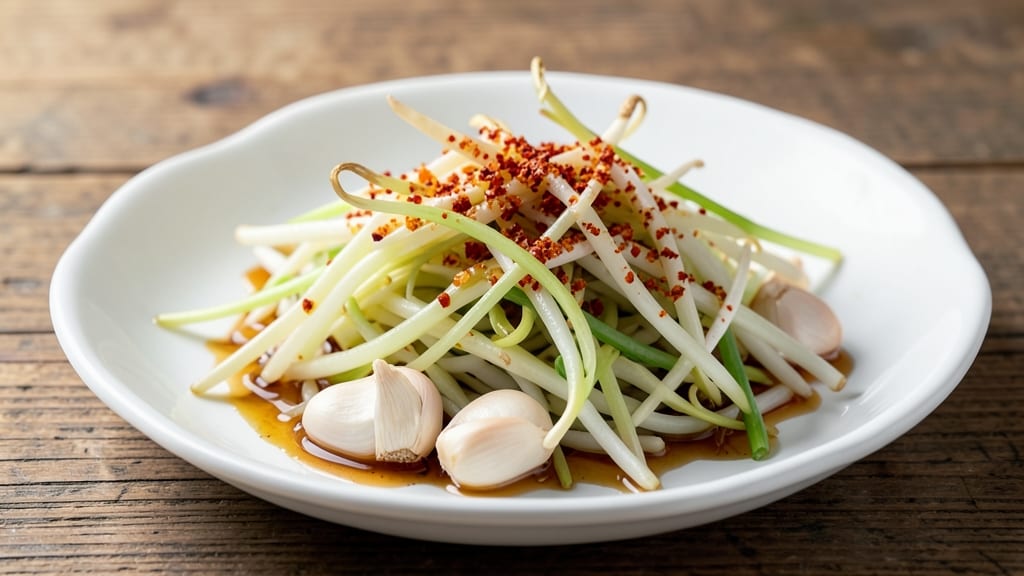
This bean sprout banchan recipe delivers the perfect balance of crisp-tender texture and bold Korean flavors that elevate any meal. The secret lies in quick-blanching fresh bean sprouts followed by a zesty garlic-soy glaze that transforms simple ingredients into a restaurant-quality side dish.
Korean banchan like this are designed to complement rich main dishes, adding freshness and acidity that cut through rich flavors.
The process is straightforward but precise: blanching the sprouts just until tender-crisp, then tossing them with a seasoning blend of garlic, soy sauce, and a touch of sesame oil for depth. I've perfected this technique after years of testing—no soggy sprouts or bland flavors here.
The result is a dish that's as visually appealing as it is delicious, with vibrant green sprouts and glistening seasoning that makes every bite irresistible.
What makes this recipe truly special is its versatility—it works as a side for Korean BBQ, fried chicken, or even as a standalone snack. The garlic-soy glaze adds layers of umami and a subtle heat that lingers on your palate, while the crisp-tender texture ensures each bite is satisfying.
This is the kind of banchan that gets passed around the table, disappearing faster than you can say "ssamjang."
For authentic flavor, I recommend using gochugaru (Korean red pepper flakes) if you want a hint of spice, though this version keeps it mild and focused on the garlic-soy balance. The dish comes together in under 20 minutes, making it perfect for weeknight dinners or last-minute meal prep.
Let's get started on creating this classic Korean side dish that's sure to become a staple in your kitchen.
Ingredients for bean sprout banchan korean
Fresh bean sprouts and bold flavors—this Korean banchan comes together in minutes.
| Ingredient | Amount | Notes |
|---|---|---|
| Fresh Bean Sprouts 🌱 | 4 cups | Trimmed and rinsed thoroughly |
| Garlic Cloves 🧄 | 4 cloves | Minced finely for bold flavor |
| Soy Sauce 🍶 | 3 tbsp | Use light soy for authentic taste |
| Sesame Oil 🫒 | 1 tbsp | Toasted for nutty aroma |
| Rice Vinegar 🍶 | 1 ½ tbsp | Adds bright acidity |
| Gochugaru 🌶️ | ½ tsp | Mild Korean red pepper flakes |
| Toasted Sesame Seeds 🌾 | 1 tbsp | For crunchy texture |
| Vegetable Oil 🫒 | 2 tbsp | For quick blanching |
| Salt 🧂 | ½ tsp | Kosher or sea salt |
| Sugar 🍚 | ½ tsp | Balances flavors |
| Fresh Ginger 🧅 | 1 tsp | Grated finely for zing |
| Green Onion 🧅 | 2 whole | Thinly sliced for garnish |
The bean sprouts are the star, so grab the freshest you can find—those crisp, vibrant ones at Korean markets or the produce section. Trim the ends before rinsing, and pat them very dry to avoid soggy banchan. Trader Joe's usually has good quality, but if yours are limp, soak them in ice water for 10 minutes before using. The garlic should be fresh, not that pre-minced jar stuff—it makes all the difference. Toast your sesame seeds in a dry pan for 30 seconds until fragrant, then let them cool before adding to the sprouts.
No gochugaru? Substitute half the amount of smoked paprika for warmth, though it won’t be quite the same. Running out of rice vinegar? Apple cider vinegar works in a pinch, but you’ll lose that delicate sweetness. The sesame oil is non-negotiable—it’s what gives this dish its signature depth. If you’re avoiding sesame allergies, avocado oil with a pinch of toasted nori flakes can mimic the flavor. For extra umami, add a splash of vegetable broth to the soy sauce. And if your ginger is old, microwave it for 20 seconds to wake up the flavor—trust me on this.
Blanched sprouts keep for 2 days in the fridge, but the seasoning mix stays fresh for 1 week if stored separately. Reheat gently in a dry pan or microwave with a splash of water. For meal prep, toss the cooked sprouts with just the garlic and oil, then add the seasoning right before serving. The green onions add freshness—save some for garnish, but don’t skip it. This dish tastes even better the next day as the flavors meld, so make extra if you can.
Why You'll Love This Recipe
- Five-Ingredient Magic: I swear by this—just sprouts, garlic, soy sauce, a splash of vinegar, and sesame oil. That’s it. No fancy prep, no hidden pantry raids, and it still tastes like you slaved over it.
- Crispy-Garlicky Bliss: The moment those sprouts hit the pan with minced garlic? Pure satisfaction. That smoky, garlicky aroma clings to everything—rice, meat, even your hands—and it’s the kind of flavor that makes you reach for seconds without thinking.
- Meal Prep MVP: Between us, this is my lazy Sunday secret weapon. Make a big batch, store it in the fridge, and it stays fresh for days. Toss it into bento boxes, serve it with fried chicken, or just eat it straight from the jar with chopsticks—no judgment.
- Budget Crunch Saver: Fresh bean sprouts are dirt cheap, and this recipe uses them up fast. Honestly, it’s the perfect way to stretch a few dollars without sacrificing taste. Plus, the sesame oil adds that little luxury touch for pennies.
Step-by-step instructions for Korean bean sprout banchan
This simple method delivers perfectly tender bean sprouts with bold garlic-soy flavor every time.
Blanch the Bean Sprouts for Crisp-Tenderness
Heat a large skillet over medium-high heat and add the 2 tablespoons vegetable oil. Once shimmering, add the 4 cups fresh bean sprouts in a single layer. Let them cook undisturbed for 1 minute until they begin to wilt slightly but still hold their shape.
This quick blanching step removes excess moisture while preserving their vibrant green color. You'll know they're ready when they look slightly shriveled but still bright. Immediately transfer the sprouts to a colander and rinse under cold water for 10 seconds to stop the cooking process. Drain thoroughly in a clean towel.
Sauté the Garlic and Ginger Base
In the same skillet (no need to clean it—the flavorful bits add depth), reduce heat to medium and add the 4 cloves minced garlic and 1 teaspoon grated fresh ginger. Cook for 30 seconds until the garlic turns golden and fragrant—this prevents that bitter aftertaste.
Here's where the magic happens: Add the 3 tablespoons soy sauce and 0.5 teaspoon salt immediately after the garlic. Stir constantly for 1 minute until the sauce begins to reduce slightly. The high heat helps develop the umami flavor while keeping the garlic from burning.
Combine and Season the Sprouts
Return the drained bean sprouts to the skillet and toss gently to coat in the garlic-soy mixture. Add the 1.5 tablespoons rice vinegar and 0.5 teaspoon sugar, then stir for 2 minutes until the sprouts are evenly coated and slightly glossy.
This is the moment that matters: The vinegar brightens the dish while the sugar helps caramelize the soy sauce, creating that perfect balance of sweet and savory. You'll notice the sprouts becoming more tender with each toss—this is exactly what we're aiming for.
Finish with Aromatics and Gochugaru
Reduce heat to low and stir in the 1 tablespoon sesame oil and 0.5 teaspoon gochugaru. Cook for 30 seconds until the red pepper flakes are evenly distributed and the oil is fragrant. The sesame oil adds that nutty aroma that makes this banchan so irresistible.
Remove from heat and let the mixture sit for 1 minute—this allows the flavors to meld together. The gochugaru should be visible as tiny red specks throughout, adding just a hint of heat without overpowering the dish.
Garnish and Serve Immediately
Transfer the bean sprouts to a serving dish and sprinkle with the 1 tablespoon toasted sesame seeds and 2 whole thinly sliced green onions. The sesame seeds add texture while the green onions provide a fresh contrast to the rich flavors.
Serve warm alongside Korean meals for that perfect balance of crisp-tender texture and bold, savory-sweet flavor. The dish should be vibrant green with visible garlic flecks and just a hint of red from the gochugaru. Enjoy immediately while the flavors are at their peak!
Pro Tips For Making Bean Sprout Banchan Korean
- STIR-FRY IN BATCHES: Bean sprouts cook faster than you’d think—if you dump them all in at once, you’ll end up with soggy stems and half-cooked centers. Split the sprouts into two piles, cook the first half until just tender (about 2 minutes), then add the second batch. This keeps them crisp and evenly done.
- MINCE GARLIC FINE: Whole garlic cloves won’t blend in, and chopped pieces burn before the sprouts soften. Use a knife to smash the cloves flat, then mince into a paste—no food processor needed. This way, the garlic infuses the sprouts without turning bitter.
- DRESS AFTER COOKING: Tossing raw sprouts with soy sauce and vinegar before cooking turns them mushy. Wait until the sprouts are hot and just tender, then drizzle the dressing over them. Let it sit for 30 seconds to coat evenly—no need to overmix, or you’ll crush the texture.
- USE TOASTED SESAME OIL LAST: Add sesame oil at the very end, right when you plate the dish. If you toss it in during cooking, the heat will burn the oil’s delicate aroma. A quick swirl with chopsticks right before serving keeps that nutty, toasty flavor intact.
Best sauces and condiments for this recipe
Garlic-Soy Glaze
The heart of this banchan lies in the garlic-soy glaze, where 4 cloves minced garlic and 3 tablespoons light soy sauce create an umami-packed foundation. I always toast the garlic until golden—this prevents bitterness and enhances its natural sweetness.
The 1.5 tablespoons rice vinegar adds brightness, while 0.5 teaspoon sugar balances the flavors during the 2-minute toss with the sprouts. 🌟
Sesame Oil Finish
A drizzle of 1 tablespoon toasted sesame oil at the end elevates the dish with its nutty aroma and depth. I recommend using Kadoya sesame oil for its rich flavor.
The oil coats the sprouts beautifully, creating a glossy finish that makes the dish look restaurant-quality. Add it just before removing from heat to preserve its aroma.
Gochugaru for Heat
For a subtle kick, 0.5 teaspoon gochugaru adds just enough heat without overpowering. If you can't find it, smoked paprika works in a pinch, though it lacks the same fruity depth.
Sprinkle it in during the final 30 seconds of cooking to distribute evenly. The tiny red specks throughout give the dish its signature Korean flair. 🌶️
Toasted Sesame Seeds
Freshly toasted 1 tablespoon sesame seeds provide the perfect crunchy contrast. I toast them in a dry pan for 30 seconds until fragrant, then sprinkle over the finished dish.
This adds texture and visual appeal, making the banchan even more inviting. For extra aroma, lightly toast the seeds in the same pan you used for the garlic.
Green Onion Garnish
Thinly sliced 2 green onions add a fresh, crisp finish. I like to cut them on a bias for extra visual appeal. The green onions cut through the richness of the garlic and soy, adding a bright, fresh element. Garnish just before serving to keep them crisp and vibrant. 💛
Extra Umami Boost
For deeper flavor, add 1 teaspoon doenjang (fermented soybean paste) to the garlic-soy mixture. It adds complexity that pairs beautifully with the bean sprouts. If you don’t have doenjang, a splash of vegetable broth in the soy sauce helps build umami.
This step is optional but makes a noticeable difference in flavor depth.
Nutrition facts
Frequently asked questions
Can I use dried bean sprouts instead of fresh?
Fresh bean sprouts are ideal for this recipe—they provide that perfect crisp-tender texture. If you must use dried sprouts, soak them in warm water for 4-6 hours until they're plump and tender, then drain and rinse thoroughly. The texture won't be as crisp, but they'll still work in a pinch. Pro tip: Pat them very dry before cooking to avoid soggy banchan.
How do I prevent the bean sprouts from turning mushy?
Overcooking is the #1 cause of mushy sprouts! Keep the heat at medium-high and cook them for just 1 minute undisturbed. Immediately rinse with cold water for 10 seconds to stop the cooking process, then drain well. Also, never overcrowd the pan—work in batches if needed to maintain even cooking. The key is quick blanching, not steaming.
What's the best way to store leftovers?
Store the cooked banchan in an airtight container in the fridge for up to 2 days. The flavors actually improve overnight! For reheating, warm gently in a dry pan over low heat for 2-3 minutes—add a splash of water if needed. The texture won't be as crisp as fresh, but the flavors will be even more developed.
Can I make this recipe without sesame oil?
Yes, but you'll lose that nutty depth. Substitute with 1 tablespoon avocado oil or toasted nori flakes (½ teaspoon) for a similar umami boost. For extra flavor, add ½ teaspoon toasted sesame seeds directly to the pan during cooking. The dish will still taste great, just slightly different in aroma.
How does this banchan pair with Korean main dishes?
This crisp-tender bean sprout banchan is perfect for cutting through rich, fatty dishes like galbi (beef short ribs) or fried chicken. The garlic-soy glaze also complements kimchi beautifully, balancing its sharpness. For a complete meal, serve with steamed rice and a light soup like kongnamul guk (bean sprout soup).