
Sauces & Condiments
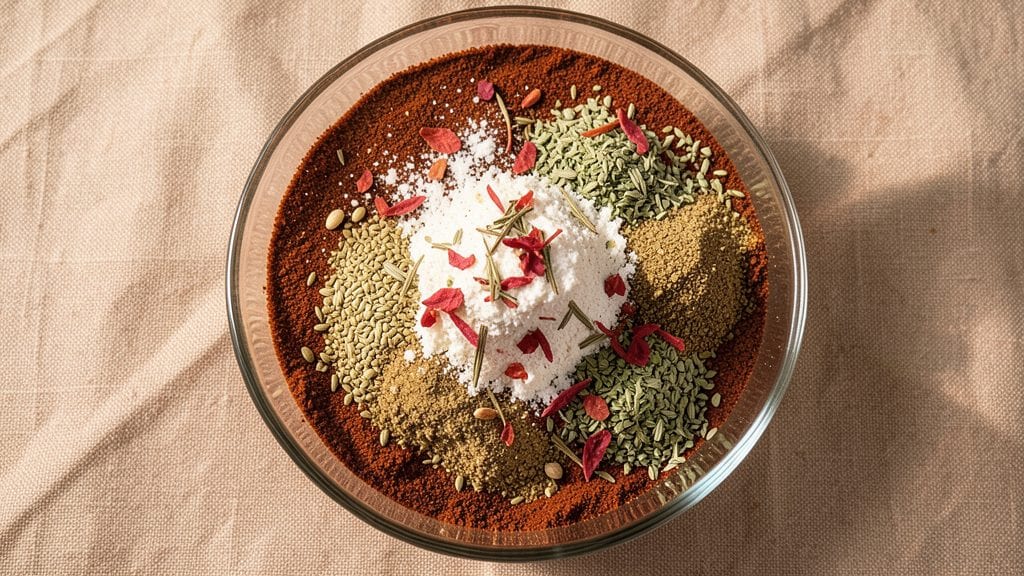
A bold bean seasoning recipe can transform simple beans into restaurant-quality dishes with just a sprinkle. This dry spice blend elevates everything from soups to grilled meats, and it takes less than five minutes to mix.
I developed this recipe after realizing how often I reached for the same pantry staples to add depth to my cooking—now I keep a jar of this blend ready for any dish that needs that extra punch.
The blend combines classic spices like smoked paprika, cumin, and garlic powder for a warm, earthy flavor profile that works in both savory and slightly sweet applications. What makes this seasoning special is its versatility—it’s perfect for beans, stews, roasted vegetables, or even as a dry rub for grilled meats.
The spices are measured precisely to ensure balanced flavor without overpowering the main ingredients.
Storing this blend in an airtight container keeps the spices fresh for up to six months, making it a pantry essential that’s always ready to use. Whether you’re cooking a hearty bean stew or adding flavor to a simple side dish, this seasoning mix delivers professional-level results with minimal effort.
Let’s create this flavor-packed blend that will become your go-to for adding depth to any meal.
Once you’ve mixed the spices, you’ll have a dry blend that’s ready to use immediately or stored for later. The key to its success lies in the simplicity of the ingredients and the precision of the measurements—no complicated techniques required.
This is the kind of recipe that proves you don’t need fancy ingredients to create bold, restaurant-worthy flavors.
Ingredients for bean seasoning
Pantry staples that transform simple beans into restaurant-worthy dishes with just a sprinkle.
| Ingredient | Amount | Notes |
|---|---|---|
| Smoked Paprika 🌶️ | 2 tbsp | High-quality smoked variety |
| Ground Cumin 🌿 | 1 ½ tbsp | Toasted for deeper flavor |
| Garlic Powder 🧄 | 1 ½ tbsp | Freshly ground preferred |
| Onion Powder 🧅 | 1 tbsp | Not onion salt |
| Dried Oregano 🍃 | 1 tbsp | Mexican oregano if available |
| Ground Coriander 🌿 | 1 tbsp | Freshly ground for best flavor |
| Black Pepper 🌶️ | 1 tsp | Freshly cracked preferred |
| Sea Salt 🧂 | 1 tsp | Fine grain preferred |
| Bay Leaves 🍃 | 1 whole | Crushed for stronger flavor |
| Cayenne Pepper 🔥 | ½ tsp | Adjust for heat preference |
The smoked paprika is the backbone here—Penzeys or bulk bins have the best quality, but any smoked variety works. Toast your cumin seeds in a dry pan for 30 seconds before grinding if you've got whole cumin (trust me, it's worth it). For the bay leaves, dried is fine, but if you can find fresh, use those instead—they add a bright herbal note. I always grab extra oregano because it's one of those spices that disappears fast. Mexican oregano has a different, slightly citrusy profile that pairs perfectly with beans.
No smoked paprika? Sweet paprika plus a pinch of liquid smoke gets you close. Short on coriander? Cilantro powder works in a pinch, though the flavor won't be identical. Want more heat? Double the cayenne or add a pinch of red pepper flakes. The garlic powder can be swapped for 1/2 tsp granulated garlic if you're feeling fancy, but it's not necessary. For a vegetarian version, skip the cayenne or use a mild chili powder instead. The blend stays potent for months, so make extra—you'll use it constantly.
Store in an airtight glass jar away from light—6 months minimum if kept dry. The bay leaves can be removed before using if you prefer a smoother texture. This blend works on everything from baked beans to grilled chicken, so keep a small jar in your spice rack and a larger one in your pantry. Freeze portions if you're not using it within a month—it keeps flavor perfectly that way.
Why You'll Love This Recipe
- No-Fuss Mixing: Honestly, this isn’t one of those recipes where you’ll spend 20 minutes prepping. Just toss those spices in a bowl—smoked paprika first, then cumin and garlic powder—and whisk it all together. The crushed bay leaf is the only step that feels intentional, but it’s quick and makes the difference. I’ve done it with my phone in my other hand while waiting for the coffee to brew.
- Smoky & Herbal Magic: That smoked paprika? It’s the star here. Combined with the toasted cumin and freshly ground coriander, it gives beans this depth—like a campfire hit your taste buds. And the garlic and onion powders? They’re the secret handshake that makes every bite sing. My picky eater actually asks for seconds when I use this on refried beans.
- Staple for Everything: This isn’t just for beans—it’s my go-to for grilled chicken, roasted veggies, or even a quick black bean dip. I keep a jar in my pantry and sprinkle it on everything. Between us, it’s the kind of seasoning that turns a simple meal into something special without extra effort. My kids even steal it for their nachos.
- Budget-Friendly Powerhouse: You’re looking at less than $10 for all these spices, and they’ll last forever. The bay leaf and cayenne add a little punch, but the rest? Basic pantry staples you probably already have. It’s the kind of recipe that saves money while making your meals feel like a treat. Plus, if you freeze portions, you’ve got a backup for months.
Step-by-step instructions for bean seasoning recipe
Here's the straightforward method to blend these spices into a versatile seasoning.
Combine All Dry Ingredients in a Bowl
Start by placing a medium mixing bowl on your countertop. I like to use a glass or ceramic bowl—it makes it easier to see the spices blend evenly. Add the 2 tablespoons smoked paprika first, sprinkling it evenly across the bottom of the bowl. This deep, smoky base will anchor your seasoning's flavor profile.
Next, add the 1½ tablespoons ground cumin and 1½ tablespoons garlic powder directly on top. The cumin's earthy warmth and garlic's sharpness will create a perfect foundation. Use a whisk or silicone spatula to gently break up any clumps in these spices before moving to the next ingredients. This prevents uneven distribution later.
Add Remaining Spices and Mix Thoroughly
Sprinkle in the 1 tablespoon onion powder, 1 tablespoon dried oregano, and 1 tablespoon ground coriander over the existing spices. The onion powder adds subtle sweetness, while the oregano and coriander bring bright, herbal notes that complement the smoky base. Add the 1 teaspoon black pepper and ½ teaspoon cayenne pepper next—the black pepper provides a balanced heat, and the cayenne adds a fiery kick.
Finally, add the 1 teaspoon sea salt and 1 bay leaf. The salt will enhance all flavors, and the crushed bay leaf adds an aromatic depth that's essential for bean dishes. Use your whisk or spatula to gently fold everything together, breaking up any remaining clumps while keeping the spices dry. You want to see an even distribution of color throughout the mixture.
Crush the Bay Leaf and Final Mix
Here's where it gets important: take the whole bay leaf and gently crush it between your fingers or with the back of a spoon. This releases the essential oils that give bay leaves their signature flavor. Sprinkle the crushed pieces back into the bowl and mix them in thoroughly with the other spices. The crushed leaf should be completely incorporated—no visible whole pieces should remain.
Give the entire mixture one final whisk or stir to ensure everything is evenly distributed. The seasoning should look uniform in color, with no distinct clumps of any single spice. At this point, you can either store it immediately or use it right away—both work perfectly. The key is that all ingredients are fully combined and ready to enhance your beans, stews, or grilled meats.
Pro Tips For Making Bean Seasoning
- CRUSH THE BAY LEAF FIRST: I used to toss in the whole bay leaf and call it done—until my seasoning tasted flat. The oils are locked inside until you crush it between your fingers or the back of a spoon. Do this before mixing everything else, so the aroma blends right in and doesn’t sit as a separate layer.
- WHISK THE PAPRIKA LAST: The smoked paprika is your seasoning’s star, so don’t bury it under other spices. Sprinkle it on top of the bowl after mixing the rest, then whisk it in gently. This ensures even distribution—no clumps of smoky intensity hiding in one corner.
- SIFT THE GARLIC POWDER: Garlic powder clumps like it’s plotting something. Give it a quick sift through a fine-mesh strainer before adding it to the bowl. This keeps your seasoning smooth and prevents gritty surprises when you’re sprinkling it over beans or grilled meat.
- TOAST THE CUMIN FIRST: That toasted cumin in the ingredients list isn’t just a suggestion—it’s the difference between earthy and actually delicious. Dry-toast the 1.5 tbsp ground cumin in a small pan over low heat for 30 seconds, stirring constantly, until it smells warm and nutty. Let it cool completely before mixing—hot spices can mute other flavors.
Common mistakes when making this dish
Skipping the Bay Leaf
One of my biggest mistakes early on was forgetting to crush the bay leaf before mixing. The whole leaf adds aromatic depth, but if you skip crushing it, you'll miss out on those essential oils.
I've learned to gently crush it between my fingers or the back of a spoon right before mixing—it takes 10 seconds and makes a noticeable difference in flavor. 💫
Uneven Spice Distribution
Clumps of spices can ruin your seasoning's texture and flavor balance. I used to just dump everything in and stir, but now I break up clumps with a whisk or silicone spatula before mixing.
This ensures each bite gets that perfect blend of smoky, earthy, and herbal notes. A quick whisk makes all the difference!
Overlooking Toasted Cumin
The intro mentioned toasting cumin for deeper flavor, but I've seen people skip this step entirely. Toasting whole cumin seeds in a dry pan for 30 seconds before grinding releases their full aromatic potential.
If you're using pre-ground cumin, just toast the seeds yourself—it's worth the extra effort for that rich, toasty depth.
Incorrect Measurement Ratios
Off measurements can throw off the flavor balance completely. I've accidentally used 1 tablespoon of cayenne instead of ½ teaspoon—trust me, that's a mistake! Double-check your measurements against the recipe, especially for spices like cayenne that pack serious heat.
A scale can be your best friend here for precision. ⚡
Not Storing Properly
Even the best seasoning loses potency if stored wrong. I learned the hard way that leaving it exposed to air or light in a plastic container makes it go stale quickly.
Always use an airtight glass jar away from sunlight. For long-term storage, freeze portions in small containers—they'll keep their flavor perfectly for months.
Nutrition facts
Frequently asked questions
Why does this bean seasoning need crushed bay leaves?
The crushed bay leaves release their aromatic oils, which add depth and complexity to the blend. Without crushing, you miss out on that signature herbal richness—it's a small step that makes a big flavor difference in your beans or stews.
Can I substitute any spices if I don't have ground coriander?
Yes! If you're short on coriander, use 1 tablespoon cilantro powder for a fresh twist, though the flavor will be slightly different. For a closer match, try ½ teaspoon ground fennel if available—it pairs well with the other spices.
How much seasoning should I use per serving?
For 1 cup of cooked beans, start with 1 teaspoon of this seasoning blend. Adjust to taste—it's easy to add more later. The blend works beautifully in soups too, so 1 tablespoon per quart of liquid is a great starting point.
Will this seasoning work on non-bean dishes?
This versatile blend shines on grilled meats, roasted vegetables, and even popcorn for a savory kick. It's perfect for adding depth to tacos, salads, or even as a dry rub for chicken—just adjust the amount to your dish's size.
What if my spices are stale?
Test your spices first! Sprinkle a pinch on your tongue—if you don't taste any flavor, replace them. Stale spices lose potency quickly, so always check before using. For best results, store your blend in an airtight container away from light and heat sources.