
Main Courses
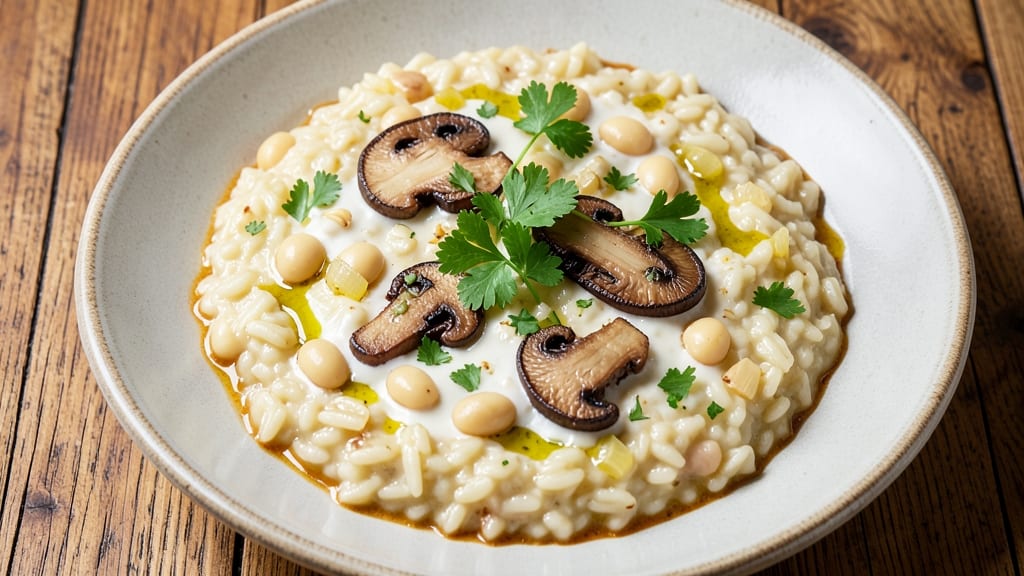
This bean risotto recipe transforms humble ingredients into a restaurant-worthy vegetarian dish with deep umami flavor and creamy texture—no dairy required. 💛 The secret lies in toasting Arborio rice until nutty, then slowly building layers of flavor with white beans, aromatic vegetables, and warm broth.
What makes this recipe stand out is how it balances hearty protein with velvety risotto, creating a dish that’s both satisfying and adaptable to any dietary preference.
What sets this method apart is the two-stage cooking process: first developing a rich base with sautéed onions, garlic, and mushrooms (if using), then gradually incorporating beans and broth to achieve that signature creamy finish.
The beans not only add protein but also help create the signature risotto consistency without relying on butter or cheese. For extra depth, a splash of white wine and a sprinkle of nutritional yeast elevate the umami profile, making every bite irresistibly savory.
The result is a luxuriously creamy yet light risotto with tender Arborio grains and melt-in-your-mouth beans, all infused with warm, earthy flavors. This dish works as a standalone vegetarian main or pairs beautifully with a crisp green salad and grilled bread.
The best part? It’s easier than traditional risotto—no stirring every two minutes required. Let’s get cooking!
For added versatility, customize with herbs like thyme or parsley, or swap in black beans for a smoky twist. Vegan? Simply use vegetable broth and nutritional yeast instead of Parmesan.
The possibilities are endless, but the foundation remains the same: toasted rice, slow-cooked beans, and layers of umami-rich broth. Ready to master this creamy, protein-packed dish?
Ingredients for bean risotto
Toasted Arborio rice meets creamy white beans for a vegetarian risotto with restaurant-worthy depth.
| Ingredient | Amount | Notes |
|---|---|---|
| Arborio Rice 🍚 | 1 ½ cups | Toasted until nutty for depth |
| White Cannellini Beans 🌱 | 1 ½ cups | Cooked, not canned (for texture) |
| Yellow Onion 🧅 | 1 whole | Finely diced for aromatic base |
| Garlic Cloves 🧄 | 4 cloves | Minced for intense flavor |
| Shiitake Mushrooms 🍄 | 8 oz | Sliced for umami depth (optional) |
| Vegetable Broth 💧 | 4 cups | Low-sodium preferred for balance |
| Dry White Wine 🍷 | ½ cup | Sauvignon Blanc or Pinot Grigio |
| Nutritional Yeast 🧀 | ¼ cup | For cheesy umami without dairy |
| Extra-Virgin Olive Oil 🫒 | ½ cup | High-quality for richness |
| Fresh Thyme Leaves 🌿 | ¼ cup | Chopped for aromatic finish |
| Lemon Zest 🍋 | 1 tsp | Brightens final flavor |
| Diamond Crystal Kosher Salt 🧂 | 1 ½ tsp | Adjusts seasoning gradually |
| Freshly Ground Black Pepper 🌶️ | ½ tsp | Enhances umami profile |
The Arborio rice is the foundation—toast it in olive oil until nutty before adding liquid, which builds the signature creamy texture. For the beans, cannellini work best due to their buttery texture, but butter beans or chickpeas add a smoky twist. Trader Joe's carries pre-cooked cannellini in the refrigerated section, saving time. The mushrooms, if using, should be shiitake for umami intensity—cremini or white button mushrooms work but lack depth. Fresh thyme is ideal, but dried thyme at one-third the amount suffices in a pinch. The nutritional yeast is non-negotiable for that cheesy, savory note without dairy.
No Arborio rice? Carnaroli or Vialone Nano are premium alternatives, but Arborio remains the standard. Substituting wine? Dry vermouth or extra vegetable broth works, though wine adds acidity that balances the richness. For a gluten-free option, ensure your broth is certified gluten-free, and use certified GF Arborio if needed. The lemon zest can be omitted if you prefer a more neutral finish, but it cuts through the richness beautifully. If you're using canned beans, rinse thoroughly to remove excess sodium—low-sodium broth helps too. The key to creamy risotto without butter lies in the two-stage cooking process: first developing the base, then gradually incorporating beans and broth.
Store any leftovers in an airtight container for up to 3 days—it reheats beautifully with a splash of broth. For meal prep, portion into individual containers to maintain texture. The risotto freezes well for 2 months, though the beans may soften further. To revive, thaw overnight in the fridge and reheat gently with broth. For extra depth, toast the rice again briefly before serving. This dish pairs perfectly with a crisp white wine or a simple arugula salad drizzled with lemon.
Why You'll Love This Recipe
- No-Stir Magic: I swear by this recipe because the beans and Arborio rice do most of the work—just toast the onions and mushrooms, add the liquid, and let the rice absorb it. No constant stirring, no stress, just hands-off perfection.
- Umami Bomb: Those shiitake mushrooms and garlic cloves? They turn this into a savory dream. The beans add creaminess without dairy, and the toasted onions give it that deep, caramelized richness that lingers.
- Budget Crowd-Pleaser: A single batch feeds four for dinner or two for leftovers—no waste, just satisfaction. Cannellini beans and Arborio rice stretch further than you’d think, and the flavor is so bold, no one guesses it’s budget-friendly.
- Leftovers That Shine: Cold risotto? Actually delicious. Toss it with greens for a salad, or reheat it with a splash of broth for that same creamy texture. Honestly, I make it on Sundays just so I can eat it twice.
Step-by-step instructions for bean risotto with toasted Arborio grains
Master this umami-rich risotto where toasted grains and white beans create velvety texture.
🔥 Step 1: Toast the Arborio Rice and Sauté Aromatics
Heat the 0.5 cup extra-virgin olive oil in a heavy-bottomed pot over medium heat until shimmering. Add the 1.5 cups arborio rice and toast, stirring constantly, for 3-4 minutes until the grains turn golden and nutty. This step develops depth of flavor and prevents gummy texture.
Push the rice to one side of the pot and add the finely diced yellow onion. Cook for 3 minutes until translucent, then add the minced garlic cloves and sliced shiitake mushrooms. Sauté for another 4-5 minutes until the mushrooms release their moisture and the garlic becomes fragrant. The mushrooms will add earthy umami that complements the beans beautifully.
🍳 Step 2: Deglaze and Build the Base
Pour in the 0.5 cup dry white wine and stir vigorously, scraping up any browned bits from the bottom of the pot. Let it simmer for 1-2 minutes until completely evaporated. This deglazing step captures all the flavor you've built so far.
Add the 1.5 cups cooked white cannellini beans and stir to combine with the rice. The beans will begin to break down slightly, releasing their creamy texture into the risotto. Sprinkle with 0.5 tsp freshly ground black pepper and 0.75 tsp diamond crystal kosher salt (reserve the remaining salt for later adjustments).
🥘 Step 3: Cook the Risotto with Gradual Broth Addition
Begin adding the 4 cups vegetable broth ½ cup at a time, stirring frequently after each addition. The risotto should simmer gently between additions, absorbing the liquid while maintaining creamy consistency. This gradual process allows the starches to release properly for that signature al dente texture.
After about 15 minutes, when the rice has absorbed most of the broth and is tender but still firm to the bite, stir in the 0.25 cup nutritional yeast and 0.25 cup chopped fresh thyme leaves. These ingredients add a cheesy, nutty depth and aromatic finish that elevate the dish. Taste and adjust seasoning with the remaining 0.75 tsp kosher salt if needed.
⏰ Step 4: Finish with Lemon Zest and Rest
Continue cooking for another 5-7 minutes until the rice is creamy but still has a slight bite in the center. Remove from heat and stir in the 1 tsp lemon zest. The acidity brightens all the rich flavors and cuts through the creaminess beautifully. Let the risotto rest for 2-3 minutes off the heat—this allows the starches to fully set and creates a more stable texture.
Serve immediately in warm bowls, garnished with additional chopped thyme leaves if desired. The risotto should be luxuriously creamy with distinct individual grains, where each bite delivers the toasted nutty rice, earthy mushrooms, and tender beans. The lemon zest adds a refreshing contrast that makes every spoonful sing.
Pro Tips For Making Bean Risotto
- TOAST THE BEANS FIRST: I learned this the hard way—raw cannellini beans taste beany and dull. Pat them dry, then lightly toast in a dry pan for 3-4 minutes until golden. This step deepens their flavor and prevents them from turning mushy when they soak up the risotto’s liquid later.
- STIR LIKE YOU MEAN IT: Risotto isn’t a simmer—it’s a workout. Use a wooden spoon and work the rice in the pan, scraping the bottom every 30 seconds to build that creamy texture. If you’re lazy (like me), set a timer and go all out for 2 minutes straight. The crust at the bottom? That’s where the magic happens.
- SAVE THE SOAKING LIQUID: Drain your cannellini beans but don’t rinse the cooking water—it’s packed with starch and flavor. Reserve 1 cup of that liquid to deglaze the pan after sautéing onions and mushrooms. It’ll add richness without extra broth.
- MUSHROOMS NEED A DRY SEASON: Shiitakes release water like nobody’s business. After slicing, wipe them dry with a paper towel, then season with a pinch of salt before cooking. This guarantees they brown instead of steam into a sad, soggy mess—critical for texture in risotto.
Creative variations of this bean risotto
Mediterranean White Bean Twist
Swap the shiitake mushrooms for sun-dried tomatoes and kalamata olives—about ½ cup each chopped—to infuse Mediterranean flavors. Add 1 tsp dried oregano with the thyme for an extra herbal kick. Finish with fresh basil leaves instead of thyme and a drizzle of lemon-infused olive oil for brightness. 🌿
Smoky Black Bean Version
Use 1.5 cups cooked black beans instead of cannellini for a deeper, earthier flavor. Add 1 tsp smoked paprika when toasting the rice and ½ cup diced roasted red peppers during the deglazing step. Top with crumbled cotija cheese (or vegan feta) and cilantro for a Mexican-inspired twist.
Herb-Infused Green Bean Risotto
Replace white beans with 1 cup blanched green beans (about 3 oz) and add 1 tbsp fresh tarragon or chives when finishing. Sauté ½ cup shallots instead of onions for a milder, sweeter base. The green beans add a fresh crunch while keeping the dish creamy.
Spicy Red Lentil Fusion
Substitute beans with 1 cup cooked red lentils and add 1 tsp ground cumin and ½ tsp cayenne pepper when toasting the rice. Stir in ½ cup diced bell peppers with the mushrooms for a vibrant, Indian-inspired flavor. Garnish with toasted cumin seeds and a squeeze of lime.
Creamy Butternut Squash Risotto
Add 1 cup roasted butternut squash cubes (about 4 oz) during the broth addition phase for natural sweetness. Use ½ cup coconut milk instead of nutritional yeast for a dairy-free, creamy finish. Top with toasted pecans and a sprinkle of pumpkin pie spice for a cozy autumnal dish.
Protein-Packed Chickpea Risotto
Boost protein by using 1.5 cups cooked chickpeas instead of beans. Add ½ cup crumbled feta (or vegan feta) and ¼ cup chopped walnuts for texture. Finish with fresh mint and a drizzle of olive oil for a Middle Eastern-inspired flavor profile. 💫
Nutrition facts
Frequently asked questions
Can I use canned beans instead of cooked beans in this recipe?
Yes, but with one critical adjustment: rinse canned beans thoroughly to remove excess sodium. Use 1.5 cups drained canned beans (about 2 cans) and add them after the wine deglazing step. For extra creaminess, mash a few beans lightly with a fork while cooking. The beans will release starches that help create that signature risotto texture.
What's the secret to getting creamy risotto without butter?
The magic happens in two ways: toasting the rice first (until nutty) and using ½ cup at a time broth additions. The beans also contribute creaminess naturally as they break down during cooking. The nutritional yeast adds richness without dairy, while the lemon zest at the end brightens all the flavors. Stirring occasionally (not constantly) helps release starches for that velvety finish.
How do I prevent my risotto from becoming mushy?
Three key techniques: toast the rice until golden before adding liquid, use medium heat (not high), and stir only when adding broth. The rice should be al dente with a slight bite in the center when done. If it's too mushy, you've likely used too much liquid or cooked it too long. For extra insurance, add broth gradually and let the risotto rest 2-3 minutes off heat before serving.
Can I make this risotto ahead of time?
Yes, but with a few adjustments: cook it al dente (firm to the bite), then stir in the lemon zest and let it cool completely. Store in an airtight container for up to 3 days in the fridge. To reheat, add 1-2 tbsp broth per cup of risotto and warm gently on low heat, stirring occasionally. For best texture, toast the rice again briefly before serving to restore its nutty flavor.
What's the best wine pairing for bean risotto?
A crisp Sauvignon Blanc or Pinot Grigio complements the dish beautifully, with their citrus notes cutting through the richness. For red wine lovers, a light Pinot Noir works well too. If you prefer non-alcoholic pairings, try sparkling water with lemon or an herbal iced tea. The key is to match the wine's acidity with the dish's creaminess and umami flavors.