
Sauces & Condiments
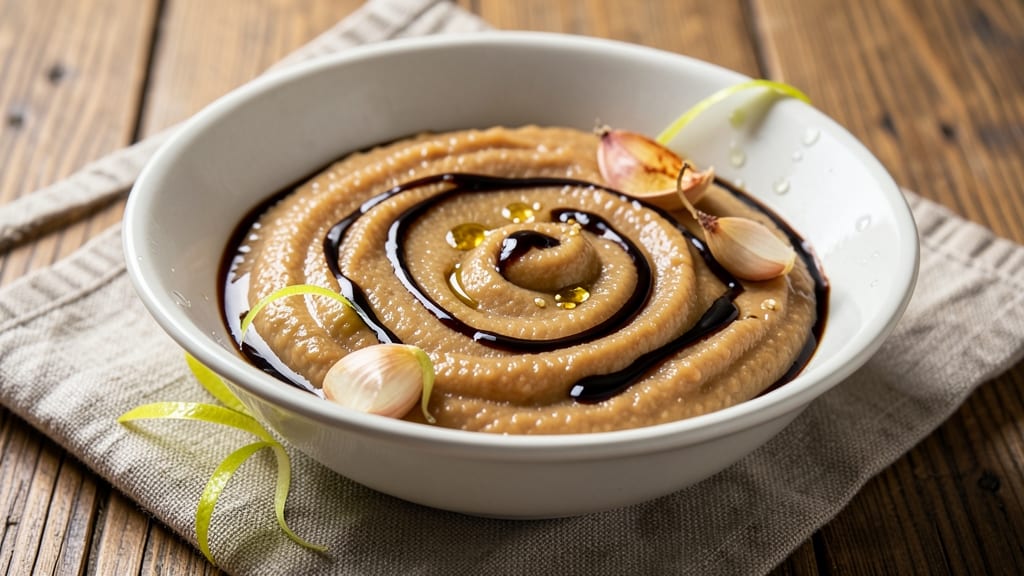
Creating a bean paste recipe with deep umami richness and perfect texture is simpler than you might think—this fermented version delivers restaurant-quality depth in just minutes of active time.
The key lies in balancing fermentation time with precise cooking techniques to achieve that signature spreadable consistency, whether you prefer smooth or slightly textured. I developed this method after experimenting with traditional Asian pastes, refining it to work with pantry staples while maintaining authentic flavor.
What sets this bean paste apart is its versatility—use it as a filling for dumplings, a bold stir-fry base, or a dipping sauce with just a splash of water.
The fermentation process unlocks complex flavors that store-bought versions can't match, while the cooking method ensures it's ready when you need it. For best results, I recommend fermenting for 3-5 days, but even a quick overnight version delivers impressive depth.
The final product should be thick, glossy, and intensely aromatic with notes of fermented beans, garlic, and soy. It thickens slightly as it cools, making it perfect for applications where you want that rich, clingy texture.
This isn't just another condiment—it's a flavor multiplier that elevates every dish it touches, from noodles to grilled meats.
Once you try homemade, you'll never go back to store-bought. The process is straightforward, and the results are worth every minute. Let's get started with this umami powerhouse that transforms simple meals into something extraordinary.
Ingredients for bean paste
Pantry staples transform into umami gold—this fermented bean paste elevates every dish instantly.
| Ingredient | Amount | Notes |
|---|---|---|
| Yellow Soybeans 🌱 | 1 ½ cups | Soaked overnight for fermentation |
| Garlic Cloves 🧄 | 6 cloves | Peeled, roughly chopped |
| Fresh Ginger 🌿 | ½ cup | Grate finely, no skin |
| Light Soy Sauce 🧂 | ½ cup | Low-sodium preferred |
| Dark Soy Sauce 🧂 | 2 tbsp | For color depth |
| Rice Vinegar 🍶 | 2 tbsp | Balances fermentation |
| Sugar 🍬 | 2 tbsp | Adjust to taste |
| Sesame Oil 🫒 | 1 tbsp | Adds nutty aroma |
| Cornstarch 🌾 | 2 tbsp | For thickening |
| Water 💧 | ½ cup | For blending consistency |
The yellow soybeans are your flavor foundation—soak them overnight in warm water to kickstart fermentation, then drain thoroughly. Organic beans from Trader Joe's or bulk bins at Whole Foods work best, as they ferment more evenly than pre-washed varieties. The garlic and ginger should be vibrant and fresh—no brown spots or dried edges. For the soy sauces, low-sodium light soy keeps the paste balanced, while dark soy adds that signature color depth. Don't skip the rice vinegar—it's what tames the fermentation's funk and keeps the flavor clean.
No dark soy sauce? Substitute 1 tbsp molasses for color, but you'll lose some depth. Want to skip fermentation? Simmer the soaked beans with 1 cup water for 30 minutes instead—it'll be less complex but still delicious. The cornstarch is non-negotiable for that signature spreadable texture—mix it with cold water first to avoid clumping. For extra richness, add 1 tbsp tahini or toasted sesame seeds at the end. The sugar can be reduced by half if you prefer less sweetness, but it's what balances the fermented tang.
Store in a glass jar with an airtight lid in the fridge for up to 2 weeks. The paste will continue fermenting slowly, so taste before using—it should smell tangy, not sour. For longer storage, freeze in ice cube trays and transfer to a bag for up to 6 months. Reheat gently in a small pot with 1 tbsp water to loosen before using. This paste thickens as it cools, so stir in a splash of water if needed. The fermentation process makes it absolutely essential for dumplings, but it's also a game-changer for stir-fries and marinades—trust me on that.
Why You'll Love This Recipe
- No-Fuss Fermentation: Honestly, the only prep work here is soaking the yellow soybeans overnight—that’s it. No chopping madness, no standing over a stove. Just blend, wait, and watch the magic happen. Even my roommate, who thinks "fermenting" means "waiting for mold," admitted it was easier than making hummus.
- Umami Bomb: The dark soy sauce and garlic-ginger combo? Chef’s kiss. It’s like someone turned up the flavor dial on everything—savory, tangy, with that perfect balance of sweetness from the sugar. Slather it on rice, mix it into noodles, and suddenly your boring meal feels like a restaurant dish.
- One Paste, A Thousand Uses: This isn’t just for stir-fries. Drizzle it over grilled chicken, mix it into soups, or use it as a marinade for tofu. My picky eater daughter won’t touch plain chicken, but she’ll eat it coated in this stuff. It’s the kind of thing that makes weeknight dinners feel special without the fuss.
- Budget-Friendly Flavor: You’re paying for the yellow soybeans, but the rest? Pantry staples. A little light soy sauce, some ginger, and a handful of garlic turn cheap ingredients into something dangerously good. Plus, it keeps for weeks in the fridge, so you’ll always have it on hand for last-minute meals.
Step-by-step instructions for fermented bean paste
Transform simple ingredients into a complex, umami-packed paste that elevates every dish.
Prepare the Fermented Soybean Base
Drain the soaked yellow soybeans thoroughly and transfer them to a high-speed blender. Add the ½ cup light soy sauce, 2 tbsp rice vinegar, 2 tbsp sugar, and 1 tbsp sesame oil. Blend on high until completely smooth, scraping down the sides as needed. The mixture should resemble a thick, creamy purée with no visible chunks.
Here's the thing—fermentation is where the magic happens. Transfer the purée to a clean glass jar and let it ferment at room temperature for 24 hours. You'll notice bubbles forming and a tangy aroma developing—this is your paste developing depth. After fermentation, refrigerate to slow the process and preserve freshness.
Build the Umami Foundation with Aromatics
In a small food processor, combine the 6 cloves garlic cloves and ½ cup fresh ginger. Pulse until finely minced but not pasty—you want visible texture to carry flavor. Heat a dry skillet over medium heat and add the garlic-ginger mixture. Sauté for 3-4 minutes until fragrant and just beginning to brown—this releases their essential oils and intensifies their flavor.
Immediately transfer the sautéed aromatics to a bowl and let them cool slightly. This step is critical: overcooking turns garlic bitter, and raw ginger can make the paste taste sharp. The goal is to preserve their bright, fresh qualities while unlocking their depth through gentle heat.
Combine and Thicken the Paste
Return the fermented soybean purée to the blender. Add the cooled garlic-ginger mixture, 2 tbsp dark soy sauce, and ½ cup water. Blend again until completely smooth. The dark soy sauce adds that signature deep color and umami punch, while the water ensures proper blending consistency.
For thickening, whisk the 2 tbsp cornstarch with ½ cup cold water in a small bowl until smooth. Slowly drizzle this slurry into the blender while blending on low. Cook the mixture in a saucepan over medium heat, stirring constantly, until it thickens to a spreadable consistency—about 5-7 minutes. You'll know it's ready when it coats the back of a spoon and holds its shape when dropped.
Finish and Store for Maximum Flavor
Remove the paste from heat and let it cool to room temperature. Taste and adjust seasoning: add more ½ cup light soy sauce for saltiness, 2 tbsp rice vinegar for brightness, or 2 tbsp sugar for balance. The paste should be rich, complex, and slightly tangy with layers of umami.
Transfer to airtight containers and refrigerate for up to 2 weeks or freeze for 3 months. The flavors will continue developing over time—this is your reward for patience. Use this paste as a marinade, sauce thickener, or bold flavor booster in stir-fries, noodle dishes, or even soups.
Pro Tips For Making Bean Paste
- Sauté Aromatics Fast: Hit medium heat and keep the garlic-ginger moving—3-4 minutes max. I learned this the hard way: lingering past the "just beginning to brown" stage turns your paste bitter. Think "fragile" here, not "charred."
- Ferment at Room Temp: That 24-hour room-temperature ferment isn’t optional. Skip it, and your paste will taste flat and one-dimensional. Cover the jar loosely (bubbles need to escape), and resist the urge to peek every 10 minutes.
- Cool Before Blending: Let the sautéed garlic-ginger cool slightly—just enough to handle. Dumping it steaming-hot into the blender with fermented soybeans risks killing the fermentation’s tang. Patience here means depth later.
- Slurry Cornstarch Cold: Whisk that cornstarch with cold water first—always. Hot water turns it gummy, and you’ll end up with a gluey paste instead of a silky one. Stir in slowly while blending on low, or you’ll clog the motor.
Creative variations of bean paste
Spicy Sichuan Fusion
Add 1 tbsp Sichuan peppercorns (lightly toasted and ground) to the fermented soybean purée before blending. The numbing heat from these peppercorns pairs perfectly with the tangy fermentation.
For extra depth, stir in 1 tsp chili oil after cooking the paste—this creates a dish called málà (麻辣), meaning "numbing and spicy." The peppercorns add a unique aroma that transforms your paste into a Sichuan signature. 🌶️
Sweet & Smoky BBQ Style
Reduce the sugar to 1 tbsp and add 1 tbsp smoked paprika and 1 tbsp molasses to the fermented purée. Simmer the final paste with 1 tbsp apple cider vinegar instead of rice vinegar for a tangy-sweet twist.
This version works brilliantly as a BBQ sauce thickener or marinade for grilled meats. The smoky notes create a restaurant-quality depth you won’t find in store-bought versions.
Herbal Mediterranean Twist
Replace the dark soy sauce with 1 tbsp dried oregano and 1 tbsp dried thyme, then add 1 tsp lemon zest to the fermented purée. After cooking, finish with 1 tbsp extra virgin olive oil and a pinch of red pepper flakes.
This Mediterranean-inspired paste pairs beautifully with grilled fish, roasted vegetables, or as a dip for crusty bread. The herbs add a bright, aromatic contrast to the fermented richness.
Chocolate-Dipped Decadence
For dessert lovers, blend 2 tbsp cocoa powder into the final paste and adjust sugar to 3 tbsp for a sweet-savory balance. Use this as a dip for strawberries, chocolate-covered pretzels, or even as a filling for chocolate-dipped pastries.
The umami depth from the beans contrasts beautifully with the bitterness of chocolate, creating a unique flavor profile. This version is perfect for holiday gatherings or indulgent treats. ✨
Vegan "Cheese" Sauce Base
Omit the soy sauces entirely and replace them with 2 tbsp nutritional yeast and 1 tbsp lemon juice for a cheesy, tangy paste. Add 1 tbsp miso paste for extra umami, then cook until thickened.
This version works as a vegan cheese sauce for pasta or a creamy dip for roasted vegetables. The miso and nutritional yeast give it a rich, savory depth that mimics dairy-based sauces. 💛
Nutrition facts
Frequently asked questions
What’s the best way to adjust the texture of my bean paste?
For a smoother texture, blend the cooked paste with 1-2 tablespoons of water until fully emulsified. If you prefer chunkier texture, pulse the aromatics in the food processor just a few times instead of fully mincing them. Cornstarch is your best friend for thickening—whisk it with cold water first to avoid clumps, then stir it into the paste while heating.
Can I skip the fermentation step entirely?
Yes, but your paste will lack depth! Fermentation unlocks umami and tangy complexity. If you're short on time, simmer the soaked beans with 1 cup water for 30 minutes instead—it'll still be flavorful, just less nuanced. The fermentation process is what makes this paste stand out from store-bought versions.
How do I store this bean paste long-term?
Refrigerate in an airtight glass jar for up to 2 weeks—the flavors will continue developing. For longer storage, freeze in ice cube trays, then transfer to a bag for up to 6 months. Always thaw in the fridge overnight before using. The paste thickens as it cools, so stir in a splash of water if needed.
What dishes work best with this bean paste?
This paste is a game-changer for dumpling fillings, stir-fries, marinades, and even soups. Try mixing it into noodle dishes for instant umami depth or use it as a bold dipping sauce with a splash of water. It pairs perfectly with grilled meats, veggie stir-fries, and even as a spread on toast for a savory twist.
What if my paste tastes too salty or sour?
Balance the flavor by adding 1 teaspoon sugar for sweetness or ½ teaspoon rice vinegar for brightness. If it's too salty, dilute with a splash of water while cooking. Taste as you go—this paste is all about customization! Adjustments are easy once you've cooked it down.