
Main Courses
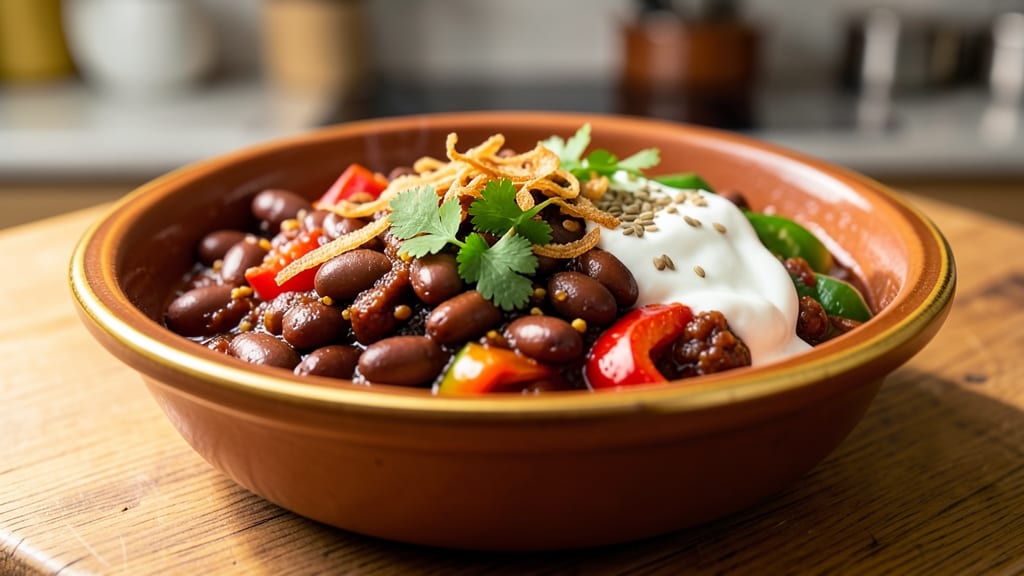
Transforming simple beans into restaurant-quality curry starts with this bean masala spice blend, a carefully balanced mix that unlocks deep, aromatic flavors. The secret lies in the precise ratios of whole spices—cumin, coriander, and fennel—that toast together to release their natural oils, creating a complex foundation.
This blend isn’t just about heat; it’s about layering earthy, floral, and slightly sweet notes that elevate any bean-based dish, whether chickpeas, kidney beans, or black-eyed peas.
The blend begins with 1 tablespoon each of cumin seeds and coriander seeds, lightly toasted until fragrant, followed by 1 teaspoon each of turmeric, garam masala, and red chili powder for warmth and depth.
A pinch of asafoetida (hing) adds an umami punch that’s essential in Indian cooking, while black pepper and bay leaves round out the flavor profile.
The result is a dry, fine powder that dissolves seamlessly into oil or directly into beans, infusing them with bold, authentic curry flavor without overpowering the natural taste of the legumes.
What makes this blend versatile is its adaptability—use it as a dry rub for roasted beans, a stir-in for simmering curries, or even a seasoning for bean-based dips and salads.
For those who prefer milder heat, reduce the chili powder to ½ teaspoon, or add a pinch of sugar to balance the spices.
The blend keeps its potency for up to 3 months when stored in an airtight container away from light, making it a pantry staple for quick, flavorful meals.
This isn’t just another spice mix; it’s a flavor multiplier that turns humble beans into a hearty, aromatic centerpiece. Whether you’re cooking for a weeknight dinner or a festive gathering, this bean masala blend ensures every bite is packed with layered, restaurant-worthy spice.
Ready to elevate your curries? Let’s get blending.
Ingredients for bean masala
Nine aromatic spices that transform humble beans into restaurant-worthy curry magic.
| Ingredient | Amount | Notes |
|---|---|---|
| Cumin Seeds 🌿 | 1 tbsp | Lightly toasted for aroma |
| Coriander Seeds 🌿 | 1 tbsp | Toasted until fragrant |
| Fennel Seeds 🌿 | 1 tsp | Crushed lightly for release |
| Turmeric Powder 🧂 | 1 tsp | Bright yellow color indicator |
| Garam Masala 🌶️ | 1 tsp | Freshly ground preferred |
| Red Chili Powder 🔥 | 1 tsp | Adjust for heat preference |
| Asafoetida (Hing) 🧂 | ⅛ tsp | Pinch for umami depth |
| Black Peppercorns 🌶️ | ½ tsp | Freshly cracked preferred |
| Bay Leaves 🍃 | 1 whole | Dried, crushed slightly |
The spices here are all about quality—whole seeds and fresh powders make the difference. For cumin and coriander, spice markets or bulk bins at Whole Foods often carry superior whole seeds. Toast them in a dry pan until fragrant (about 2 minutes)—that aroma is your cue to stop. Fennel seeds should be crushed lightly between your palms before toasting to release their oils. Asafoetida (hing) is non-negotiable for authentic flavor; find it in Indian grocery stores or online. The garam masala should be freshly ground if possible—pre-ground blends lose potency quickly. For the bay leaves, California or Mexican dried leaves tend to be more aromatic than the Eastern European variety.
No fennel seeds? Skip it entirely—this blend still works beautifully. Running low on asafoetida? Substitute with ¼ teaspoon of onion powder for a milder umami note. The red chili powder can be swapped for ½ teaspoon cayenne pepper if you prefer more heat. For a milder blend, reduce the chili powder to ½ teaspoon and add a pinch of sugar to balance. If you're using pre-ground spices, toast them in a dry pan for 30 seconds to revive their flavors. The bay leaves can be omitted if you dislike their strong flavor, but they add a lovely earthy depth to the blend.
Store this blend in an airtight glass jar away from light and heat—it keeps its potency for up to 3 months. For longer storage, freeze portions in ice cube trays. The blend dissolves best when added to hot oil, but you can also sprinkle it directly over beans while cooking. Double the batch—you'll want extra for your next curry adventure. Remember, the fresher the spices, the more vibrant your curry will taste.
Why You'll Love This Recipe
- Pantry Magic: I swear by this recipe when I forget to meal prep—just toss in dried beans (no soaking!) and let the spices work their charm. The cumin and coriander seeds toast up in minutes, filling the kitchen with that warm, earthy aroma that means dinner’s saved.
- Spice Symphony: That garam masala and fennel seed combo? It’s the secret weapon. The garam masala adds depth, while the fennel gives it a subtle sweetness that makes every bite feel like a hug—especially when paired with warm roti or rice.
- Leftovers That Shine: I make a big batch on Sundays because this dish tastes even better the next day. The flavors meld into something richer, and it reheats like a dream—no soggy beans here. My lunchbox thanks me every week.
- Budget-Friendly Powerhouse: Dried beans and whole spices are my wallet’s best friend. A single bag of beans and a jar of garam masala stretch for weeks, and you’re left with a dish that’s hearty enough for a family dinner or a cozy solo night in. No guilt, all flavor.
Step-by-step instructions for crafting bean masala
Here's how to build this aromatic spice blend that transforms simple beans into a flavor explosion.
Toast Whole Spices for Maximum Aroma
Heat a dry skillet over medium-low heat. Add the 1 tbsp cumin seeds and 1 tbsp coriander seeds and toast for 2-3 minutes until they release their fragrance and turn a deeper golden color. You'll smell the nutty, citrusy aroma developing—that's your cue they're ready.
Remove from heat immediately to prevent burning. Let them cool for 1 minute before grinding. The key here is patience—rushing this step creates bitter flavors instead of the warm, toasty notes we want. I like to press the seeds between my fingers to check for even toasting before proceeding.
Lightly Crush and Combine Fennel Seeds
While the whole spices cool, take the 1 tsp fennel seeds and place them in a small mortar and pestle. Give them a few gentle presses—just enough to crack them lightly. You want to release their anise-like oils without turning them into powder. The goal is to enhance their flavor without overwhelming the blend.
Add the crushed fennel seeds to your toasted cumin and coriander seeds in the skillet. Give everything a quick stir with a wooden spoon to distribute the fennel's aroma evenly. This is where the blend starts coming together—those warm spice notes will fill your kitchen.
Add Powders and Umami Boosters
Return the skillet to low heat and add the 1 tsp turmeric powder, 1 tsp garam masala, and 1 tsp red chili powder. Stir constantly for 30 seconds to bloom the spices' flavors. The turmeric will deepen in color, and you'll see the garam masala's complex layers begin to develop.
Next, add the 0.125 tsp asafoetida (hing) and 0.5 tsp black peppercorns. The hing will give that unmistakable umami depth, while the peppercorns add a subtle heat. Crush the peppercorns lightly with the back of your spoon to release their oils. Taste the mixture now—you should detect layers of warmth, earthiness, and just a hint of spice.
Incorporate Bay Leaves for Depth
Add the 1 whole bay leaf to the spice mixture. Give everything one final stir to combine thoroughly. The bay leaf will infuse its piney, herbal notes into the blend, creating that authentic curry depth. Let the mixture cool completely before storing—this allows all the flavors to meld together perfectly.
Here's the thing—this blend works best when used fresh, but it'll keep in an airtight container for up to 3 months. When you're ready to use it, simply add 1-2 teaspoons of this blend to your beans during cooking. The spices will transform your simple beans into a rich, flavorful curry that tastes like it's been simmering for hours.
Pro Tips For Making Bean Masala
- Bloom the Spices Slowly: I learned this the hard way—dumping whole spices into hot oil and walking away only leads to burnt, bitter flavors. Instead, toast cumin, coriander, and fennel seeds on medium-low heat for 2-3 minutes, stirring constantly until they just start to sizzle and release their aroma. The moment they darken, they’re done—no need to wait for color.
- Crush Seeds Before Cooking: This isn’t the prettiest method, but it’s the tastiest. Lightly crush coriander and fennel seeds with the flat side of a knife before toasting—they’ll release flavor faster and blend more smoothly into the masala. (Yes, even if you’re impatient like me, resist the urge to skip this.)
- Simmer Beans Gently: After adding turmeric and beans to the spice oil, bring the mixture to a gentle simmer—not a rolling boil. I used to rush this, and the beans would turn mushy or the oil separate. Keep heat at a steady medium-low and let the beans absorb the spices gradually. It takes longer, but the texture stays perfect.
- Finish with Garam Masala Fresh: Store-bought garam masala loses its punch over time, so save a pinch for the very end. Sprinkle it over the beans just before serving—this keeps the spices vibrant and lets you taste their warmth without overpowering the dish. (Your future self will thank you.)
Regional styles of these flavors
North Indian Rajma Style
In North India, this blend becomes the heart of rajma chawal—kidney beans simmered with tomatoes and onions until tender. The spices here are toasted more aggressively (up to 5 minutes) to create a deeper, smokier base.
Add 1 tsp ginger-garlic paste when cooking to complement the blend’s earthiness. For authenticity, finish with 1 tbsp kasuri methi (dried fenugreek leaves) and a squeeze of lemon. 🌶️
South Indian Sambar Twist
In Tamil Nadu and Karnataka, this blend transforms into a sambar seasoning by adding ½ tsp tamarind powder and ½ tsp curry leaves. The fennel seeds are often omitted, replaced with ½ tsp black pepper for a sharper kick.
Cook lentils (like toor dal) with this blend, tomatoes, and drumsticks for a traditional sambar. The asafoetida is critical here—it bridges the gap between the spices and the tangy tamarind. ✨
Bengali Cholar Dal Adaptation
Bengali cooks use this blend for cholar dal (black chickpeas) but sweeten it with ½ tsp sugar and a pinch of cinnamon. The cumin and coriander are toasted until deep golden-brown, and 1 bay leaf is added directly to the pot while cooking.
Serve with steamed rice and mustard oil for a regional touch. The blend’s warmth pairs beautifully with the chickpeas’ earthy flavor. 💛
Punjabi Chana Masala Fusion
Punjabi chana masala skips the bay leaf but doubles the fennel seeds for an anise-forward flavor. Add 1 tsp amchur (dry mango powder) and ½ tsp garam masala at the end for brightness.
The blend is often toasted in ghee before adding to the beans, creating a richer, creamier texture. Garnish with fresh cilantro and a drizzle of lemon juice for a restaurant-style finish. 🔥
Gujarati Kadhi Pakodi Pairing
While not a curry, Gujarati cooks use this blend to season kadhi pakodi—gram flour dumplings in a yogurt-based gravy. Reduce the red chili powder to ½ tsp and add ½ tsp ajwain (carom seeds) for digestion-friendly warmth.
The blend’s earthy notes cut through the yogurt’s tang, balancing the dish perfectly. Serve with roti or bhatura for a hearty meal. 💫
Nutrition facts
Frequently asked questions
Can I make this bean masala blend without a mortar and pestle?
Use a clean coffee grinder or small spice grinder to crush the fennel seeds and grind the whole spices. For the bay leaf, simply tear it into small pieces with your fingers. The key is to avoid turning the fennel into powder—just crack it lightly for maximum flavor. If you don’t have any grinding tools, you can skip crushing the fennel entirely and just toast it whole with the other spices.
How much bean masala should I use for different bean quantities?
For 1 cup of dried beans, use 1-2 teaspoons of the blend. If you're using canned beans, reduce to ½-1 teaspoon. The blend is potent, so start with less and adjust to taste. For a 4-serving curry, 2 teaspoons works perfectly. Remember, you can always add more, but you can't remove excess spice once it's in the pot!
What's the best way to store bean masala for long-term use?
Store in an airtight glass jar in a cool, dark place like your pantry. For maximum freshness, keep it for up to 3 months. For longer storage, divide into small portions and freeze in ice cube trays. Once frozen, transfer to a freezer bag. The spices will retain their flavor for up to 6 months when frozen properly. Always let the blend cool completely before storing to prevent moisture buildup.
Can I adjust the spice levels in this blend?
Yes! For a milder version, reduce the red chili powder to ½ teaspoon and add a pinch of sugar. For extra heat, increase to 1.5 teaspoons of chili powder and add ¼ teaspoon cayenne pepper. You can also omit the asafoetida if you dislike its strong flavor, though it adds wonderful umami depth. The blend is very forgiving—just adjust based on your personal heat tolerance!
How does this blend differ from garam masala?
While both are essential spice blends, bean masala is specifically designed to complement beans with earthy, warm spices like cumin, coriander, and fennel. Garam masala is more complex, often containing cardamom, cinnamon, and cloves, and is used as a finishing spice. Bean masala has a stronger base of toasted seeds and is meant to be cooked with beans from the start, creating a deeper, more integrated flavor profile. Think of it as the "curry base" while garam masala is the "finishing touch."