
Main Courses
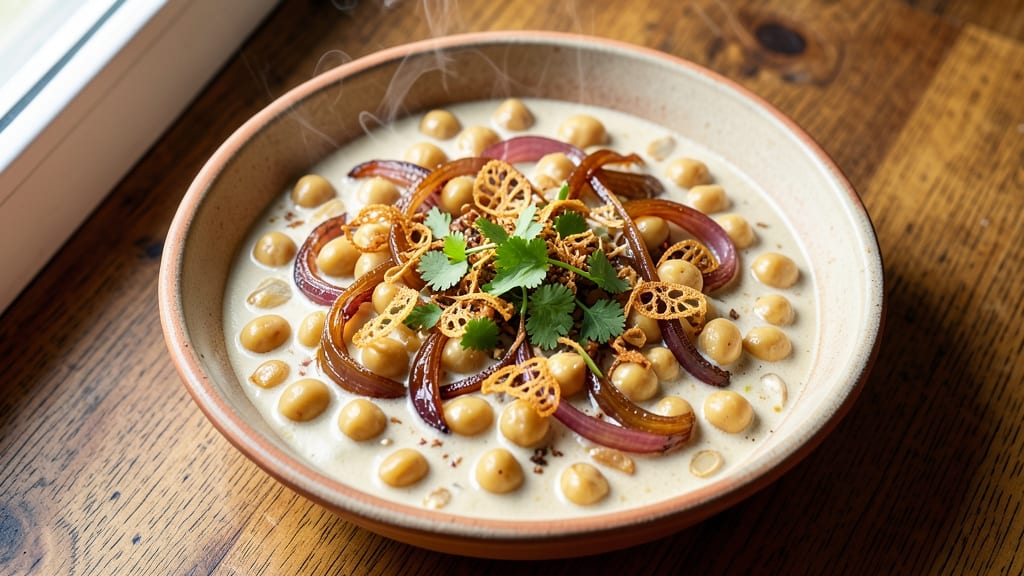
This Indian bean curry recipe transforms humble chickpeas into a fragrant, spice-infused masterpiece that balances earthy coconut with tangy tamarind. The secret lies in slow-toasting whole spices until they release their aromatic oils, creating a complex base that simmers into a velvety sauce.
Unlike quick weeknight curries, this dish rewards patience with layers of flavor that develop as it cooks.
The recipe begins with a dry roast of cumin, coriander, and mustard seeds, their nutty aroma filling the kitchen before they're tempered with onions and garlic. Chickpeas simmer until tender but still hold their shape, absorbing the spiced coconut milk and tamarind's bright acidity.
This vegetarian version delivers the same satisfying depth as meat-based curries, with protein-rich beans and creamy coconut providing balance.
What emerges is a dish that's rich yet light, with a sauce that's neither too thick nor too thin—perfect for spooning over steamed basmati rice or serving with warm naan. The tamarind adds a subtle tang that cuts through the coconut's sweetness, while fresh cilantro brightens each bite.
It's the kind of curry that tastes better the next day as flavors meld further.
Best served with a side of raita or a sprinkle of toasted cashews for crunch, this curry proves Indian home cooking doesn't require complicated techniques—just time and attention to spice development.
The method scales easily for crowds, making it ideal for meal prep or special occasions when you want to impress without stress.
Ingredients for bean curry recipe indian
Spices, coconut milk, and tamarind come together for a vegetarian curry with restaurant-quality depth.
| Ingredient | Amount | Notes |
|---|---|---|
| Chickpeas 🥜 | 1 ½ cups | Drained and rinsed, canned or cooked |
| Coconut Milk 🥥 | 1 can | Full-fat, 13.5 oz can (not carton) |
| Yellow Onion 🧅 | 1 whole | Medium size, finely diced |
| Garlic Cloves 🧄 | 6 cloves | Peeled and minced |
| Fresh Ginger 🌿 | 2 tbsp | Grated, peeled |
| Tamarind Paste 🍈 | 2 tbsp | Or 1 tbsp tamarind pulp |
| Cumin Seeds 🌶️ | 1 tbsp | Whole, toasted until fragrant |
| Ground Coriander 🌿 | 1 tbsp | Freshly ground preferred |
| Mustard Seeds 🌶️ | 1 tsp | Whole, yellow variety |
| Turmeric Powder 🧂 | ½ tsp | Freshly ground preferred |
| Garam Masala 🌶️ | 1 tsp | Store-bought or homemade blend |
| Fresh Cilantro 🌿 | ¼ cup | Chopped, for garnish |
| Vegetable Oil 🫒 | 2 tbsp | Or coconut oil for flavor |
| Salt 🧂 | 1 tsp | Adjust to taste |
The spices are where this curry shines. Whole cumin and mustard seeds need toasting until they sizzle and release their aroma—don't skip this step. For garam masala, Spicewalla or Madhur blends are my go-tos, but any quality brand works. Fresh ginger and garlic should be vibrant, not woody. The tamarind? Look for blocks at Indian markets—they're easier to control than pastes. If you can't find tamarind, lime juice plus a pinch of sugar mimics the tang.
No tamarind? Lime juice plus a pinch of sugar gets you close, though the depth won't be identical. Fresh cilantro is ideal, but dried works at one-third the amount if you're in a pinch. The coconut milk should be full-fat—canned is best for creaminess, though carton works in a bind. For the chickpeas, canned is fine (just rinse them well), but homemade or soaked overnight adds texture. The onions should be finely diced—smaller pieces caramelize faster during the tempering stage.
This curry tastes even better the next day as flavors meld. Store in an airtight container in the fridge for 4-5 days, or freeze for 3 months. I double the batch and portion it into containers—perfect for lunches. The sauce thickens as it cools, so add a splash of water or coconut milk when reheating. For extra richness, stir in 1 tbsp cashew paste when serving.
Why You'll Love This Recipe
- One-Pot Magic: I swear by this—just toss everything into one pot, simmer, and walk away. The onions caramelize while you chop (or don’t, if you’re lazy like me), and the coconut milk smooths it all out without extra fuss.
- Ginger-Garlic Punch: That fresh ginger and garlic combo? It’s the secret weapon. The slow simmer lets them mellow into something warm and aromatic, not overpowering—just rich and inviting, like a hug in a bowl.
- Meal Prep MVP: Doubles easily, tastes even better the next day, and freezes like a dream. I make a big batch on Sundays, reheat portions all week, and still crave it—no sad leftovers here.
- Budget-Friendly Luxury: Chickpeas and coconut milk stretch this into a hearty, satisfying dish without breaking the bank. It’s the kind of meal that feels special but won’t make you choose between groceries and rent.
Step-by-step instructions for Indian bean curry
Here's the method for a rich, aromatic bean curry with balanced sweet-tart tamarind and creamy coconut depth.
🍳 Step 1: Toast the Spices for Maximum Flavor
Heat the 2 tablespoons vegetable oil in a heavy-bottomed pot over medium heat. Add the 1 tablespoon cumin seeds and toast for 30 seconds until they begin to sizzle and release their aroma—this is your signal they're ready. Immediately add the 1 teaspoon mustard seeds and toast for another 20 seconds until they too pop and darken slightly.
Watch the spices closely—they burn quickly. When they're fragrant and just beginning to change color, add the 1 whole yellow onion and stir to coat in the oil. Cook for 5 minutes until the onions soften and turn golden brown. This foundational step builds the curry's complex flavor profile through proper spice blooming.
🍳 Step 2: Build the Spice Base with Aromatics
Add the 6 cloves garlic cloves and 2 tablespoons fresh ginger to the pot. Stir constantly for 1-2 minutes until the garlic becomes fragrant and the raw ginger aroma disappears. This ensures you capture all their beneficial compounds without bitterness.
Next, add the 1 tablespoon ground coriander and 0.5 teaspoon turmeric powder, stirring to combine. Cook for 30 seconds to toast these spices lightly—this deepens their flavor. Finally, add the 2 tablespoons tamarind paste and stir vigorously to dissolve completely. The mixture should thicken slightly as the tamarind releases its tangy essence.
🍳 Step 3: Simmer the Chickpeas in Spiced Coconut
Pour in the 1 can coconut milk and bring to a gentle simmer over medium-low heat. Add the 1.5 cups chickpeas (drained and rinsed) and 1 teaspoon salt, then stir to combine. The curry should bubble gently—if it's too vigorous, reduce the heat slightly.
Simmer uncovered for 15 minutes, stirring occasionally. You'll notice the chickpeas begin to soften and the sauce thicken as the coconut milk reduces. The curry should smell rich and aromatic with notes of tamarind, coconut, and warm spices. This slow simmering develops the flavors without breaking down the chickpeas.
🍳 Step 4: Finish with Garam Masala and Fresh Herbs
Remove the pot from heat and stir in the 1 teaspoon garam masala. Let it sit for 2 minutes to steep—this allows the spices to fully infuse without burning. Return the pot to low heat and stir in the 0.25 cup fresh cilantro, reserving a few sprigs for garnish.
Taste and adjust seasoning with additional salt if needed. The curry should balance sweet, sour, and spicy notes with creamy coconut richness. Serve immediately over steamed basmati rice or with warm naan bread, garnished with the reserved cilantro for freshness and color contrast.
Pro Tips For Making Bean Curry Recipe Indian
- Bloom the Spices Slow: After frying onions for 3-4 minutes until golden, add whole spices (cumin, mustard seeds, etc.) and let them pop for 10 seconds before grinding. I used to rush this, and the curry never had that deep, toasty backbone—now it’s the first thing I do.
- Peel Ginger Like a Pro: Skip the knife and use a spoon to scrape the skin off fresh ginger in one motion—it’s faster and cleaner. Then, finely chop it into a paste with garlic before adding to the oil; this prevents clumping and ensures even flavor distribution.
- Simmer Chickpeas Gently: Once coconut milk goes in, reduce heat to low and let the curry bubble softly for 15-20 minutes. High heat makes the chickpeas mushy and the coconut milk curdle—this is how you get that creamy, velvety texture without falling apart.
- Toast the Onions Dry: Fry onions until they’re deep golden, almost caramelized, before adding any moisture. This step builds sweetness and depth—if you rush it, the curry will taste flat and one-dimensional. (Yes, it takes 5 extra minutes, but it’s worth it.)
Essential equipment for this dish
Heavy-Bottomed Pot
Your heavy-bottomed pot is the unsung hero of this curry—it prevents hot spots that can burn spices and ensures even heat distribution. I recommend a 3-4 quart enameled cast iron Dutch oven like the Le Creuset Signature or All-Clad Stainless Steel.
These pots maintain consistent temperatures, which is crucial when toasting spices and simmering coconut milk. If you don’t have one, a medium-sized stainless steel saucepan works in a pinch, but watch the heat more closely. 🌡️
High-Quality Spice Grinder
For the best flavor, freshly ground spices make all the difference. A manual spice grinder like the Spicewalla Spice Grinder or KitchenAid Spice Grinder ensures maximum aroma and potency. If you prefer convenience, the OXO Good Grips Spice Grinder is a budget-friendly electric option.
Whole spices like cumin and coriander release more flavor when freshly ground, so invest in one if you cook Indian food often. 🌶️
Tamarind Paste or Blocks
Tamarind is the secret weapon in this curry, adding that signature tang. For the most authentic flavor, buy tamarind blocks from an Indian market—soak, strain, and blend them yourself. If you’re using paste, brands like Mama Panya or Sambal Oelek work well.
Avoid powdered tamarind, as it lacks the depth of fresh or paste. A small block or jar of paste will last for multiple recipes. 🍈
Wooden Spoon for Stirring
A wooden spoon is essential for stirring the curry without scratching the pot or reacting with metal. I prefer a long-handled, heat-resistant wooden spoon like the OXO Good Grips Wooden Spoon.
Wood distributes heat evenly and won’t conduct heat like metal, making it safer for high-heat steps. Keep one dedicated to spice-heavy dishes to avoid cross-contamination. ✨
Fine-Mesh Strainer
If you’re using tamarind blocks, a fine-mesh strainer helps remove seeds and pulp for a smoother paste. The OXO Good Grips Strainer or a conical colander works perfectly. This step ensures your curry has a silky texture without gritty bits.
Even if you’re using paste, a strainer comes in handy for rinsing chickpeas or draining excess liquid. 🧼
Instant-Read Thermometer
While not mandatory, an instant-read thermometer like the Thermoworks ThermoPop helps monitor the oil temperature during spice toasting. Ideal oil temp for toasting spices is around 300-325°F.
Overheating can burn spices, so this tool gives you precision. It’s also useful for checking chickpea doneness—aim for 160°F for tender but firm beans. 🌡️
Nutrition facts
Frequently asked questions
Can I use other beans instead of chickpeas in this curry?
This recipe works beautifully with kidney beans, black-eyed peas, or even tofu for a vegan option. For kidney beans, increase simmering time to 20 minutes until tender. Black-eyed peas cook faster (10-12 minutes) and absorb flavors wonderfully. Tofu should be cubed and added during the last 5 minutes of cooking to prevent over-softening.
Why does my curry taste too sweet or sour?
The balance comes from adjusting tamarind and coconut milk ratios. For sourness, add ½ teaspoon more tamarind paste and simmer 2 minutes to mellow the acid. For sweetness, stir in ½ teaspoon sugar or a pinch of jaggery. Taste as you go—the curry should have bright tang, not overwhelming sweetness or sharpness.
How can I make this curry spicier? Add heat by incorporating ½ teaspoon red chili powder during the spice toasting step, or stir in 1-2 green chilies (finely chopped) with the garlic and ginger. For extra kick, finish with a pinch of cayenne pepper or a dash of hot sauce.
What's the best way to reheat leftovers?
Reheat gently on low heat with 1-2 tablespoons water or coconut milk to restore creaminess. For microwave reheating, cover with a damp paper towel and heat in 30-second intervals, stirring between each. The sauce may thicken when cold—thin with a splash of warm water or coconut milk if needed before serving.
Can I make this curry in an Instant Pot or pressure cooker?
Yes! Sauté spices as directed, then add all remaining ingredients and cook on high pressure for 5 minutes. Quick-release the pressure, then stir in garam masala and cilantro. The beans will be tender and the sauce rich, though the texture will be slightly different from stovetop simmering. For best results, reduce coconut milk by ¼ cup to prevent excess moisture.