
Main Courses
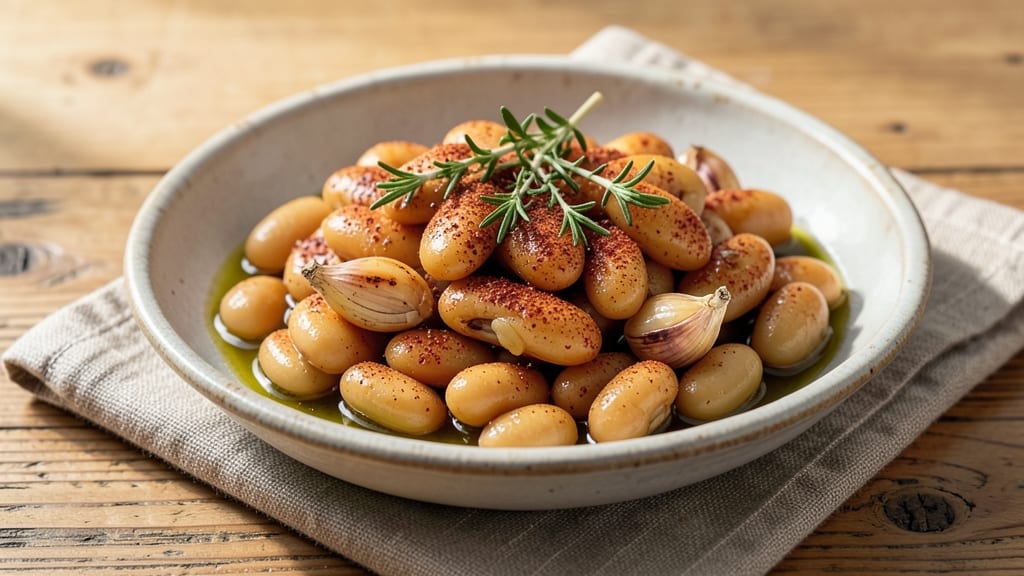
This bean confit recipe transforms humble legumes into restaurant-quality dishes with smoky depth and melt-in-your-mouth texture. The secret lies in slow-cooking beans in fat—traditionally duck fat—until tender and infused with garlic's aromatic punch.
I've perfected this technique over years, ensuring every bite delivers that perfect balance of richness and savory flavor.
What sets this method apart is its versatility. While duck fat creates the most authentic results, a simple olive oil or vegetable fat adaptation works beautifully for vegetarians. The beans absorb the fat's flavor while becoming so tender they practically dissolve on your tongue.
This dish is ideal for special occasions or when you want to impress without complicated techniques.
Expect a dish that's equally at home on a holiday table or a casual weeknight dinner. The beans develop a glossy sheen from the fat and a subtle smokiness from the garlic, making them irresistible.
Serve them as a main course, a hearty side, or even a filling for tacos—this recipe adapts to your needs while delivering consistent, professional-quality results.
The beauty of bean confit lies in its make-ahead nature. You can prepare it days in advance, allowing the flavors to deepen and intensify. Whether you're cooking for a crowd or meal prepping for the week, this recipe delivers restaurant-quality legumes with minimal effort.
Let's get started on creating this timeless dish that will become a staple in your kitchen.
Ingredients for bean confit
Transform simple beans into restaurant-worthy confit with these flavor-packed ingredients—smoky, tender, and irresistible.
| Ingredient | Amount | Notes |
|---|---|---|
| White Beans (Cannellini or Great Northern) 🌱 | 1 ½ lb | Dried or canned, drained well |
| Extra-Virgin Olive Oil 🫒 | 1 ½ cups | High-quality, fruity variety |
| Garlic Cloves 🧄 | 12 whole | Peeled, thinly sliced |
| Bay Leaves 🌿 | 2 whole | Dried or fresh |
| Smoked Paprika 🌶️ | 1 tbsp | For authentic smoky flavor |
| Thyme Leaves 🌿 | 1 tbsp | Fresh or dried |
| Salt 🧂 | 1 ½ tsp | Diamond Crystal preferred |
| Black Peppercorns 🌶️ | ½ tsp | Freshly cracked |
| Vegetable Broth 💧 | 1 cup | Low-sodium preferred |
| Red Wine Vinegar 🍷 | 1 tbsp | For brightness |
| Fresh Rosemary 🌿 | 1 sprig | For aromatic depth |
| Vegetable Fat (Alternative) 🫒 | 1 ½ cups | Duck fat substitute for vegans |
The beans are the foundation, so choose Cannellini or Great Northern for their creamy texture. Dried beans yield the best results, but high-quality canned beans work in a pinch—just drain and rinse thoroughly. For the fat, extra-virgin olive oil is my go-to for its fruity depth, but vegetable fat or duck fat takes it to another level. Garlic is non-negotiable here—12 cloves ensures that aromatic punch. I always grab fresh garlic from the bulk bins at Whole Foods or Trader Joe's—it makes a noticeable difference. The smoked paprika adds that signature smokiness without overpowering, and Penzeys has the best selection for this purpose.
No smoked paprika? Substitute with 1 tsp liquid smoke plus 1/2 tsp regular paprika—it’s a game-changer. Running low on thyme? Oregano or marjoram at the same amount works, though thyme’s earthiness is ideal. For the fat, if you can’t find duck fat, avocado oil or ghee (for non-vegetarians) delivers a similar richness. The vegetable broth can be swapped for white wine or water, but the acidity from the red wine vinegar keeps the dish bright. Fresh herbs like rosemary and thyme are worth the splurge—dried works at one-third the amount, but fresh infuses the fat with unmatched flavor. If you’re prepping ahead, store the garlic and herbs separately until ready to cook—they’ll keep their vibrancy longer.
This dish tastes even better the next day as the flavors meld. Store the confit in an airtight container submerged in its fat, covered with a thin layer of olive oil or broth to prevent browning. Keeps in the fridge for 5-7 days or freeze for up to 3 months. I like to portion it into glass jars for easy grab-and-go lunches—just reheat gently in the jar with a splash of water. The fat solidifies when chilled, so let it sit at room temperature for 10 minutes before serving. Serve with crusty bread or over roasted vegetables to soak up every last bit of that smoky, garlicky goodness.
Why You'll Love This Recipe
- One-Pot Magic: I swear by this recipe—just toss the beans, garlic, and herbs into a pot with olive oil, let it simmer, and walk away. No peeling, no chopping, no fuss. The beans practically melt into that rich, smoky oil all by themselves.
- Smoky Comfort Bite: That smoked paprika and bay leaf combo? It’s like a warm hug for your taste buds. The beans soak up the oil until they’re tender and infused—creamy inside, with a crisp edge that’s ridiculously satisfying.
- Meal Prep MVP: Between us, this is my lazy Sunday secret weapon. Make a big batch, store it in jars, and pull it out all week for salads, sandwiches, or even a quick pasta toss. It tastes better the next day, honestly.
- Pantry Powerhouse: Cannellini beans are cheap, and this recipe stretches them into something luxurious. A few cloves of garlic and a sprinkle of paprika turn them into a flavor bomb that feels fancy without breaking the bank. Plus, leftovers? They’re basically free meals.
Step-by-step instructions for slow-simmered legumes with smoky garlic oil
Transform simple white beans into luxurious confit with this method—rich, tender, and infused with aromatic garlic oil.
Prepare and Parboil the White Beans
Start by rinsing the 1.5 lb white beans thoroughly under cold water. If using dried beans, soak them overnight in plenty of water with a pinch of salt. For canned beans, drain and rinse well to remove excess sodium. In a large pot, combine the beans with 1 cup vegetable broth and bring to a boil over medium-high heat. Once boiling, reduce heat to medium-low and simmer uncovered for 45-60 minutes until the beans are just tender but not falling apart.
Keep an eye on the water level—add a splash of hot water if the beans start to stick. The goal is to soften them enough to absorb the garlic oil later without overcooking. When a knife slides in easily but the beans still hold their shape, they're ready. Drain the beans in a colander and set aside in a bowl.
Infuse the Garlic Oil
In a separate saucepan, combine the 1.5 cups extra-virgin olive oil, 12 whole garlic cloves, 2 whole bay leaves, 1 tbsp smoked paprika, 1 tbsp thyme leaves, 1 sprig fresh rosemary, 1.5 tsp salt, and 0.5 tsp black peppercorns. Heat the mixture over low heat for 10-12 minutes, stirring occasionally, until the garlic is fragrant and the oil shimmers with golden flecks.
Remove the pan from heat and let the oil cool slightly. Strain the oil through a fine-mesh sieve into a heatproof bowl, pressing gently on the solids to extract every last drop of flavor. Discard the solids. This infused oil is the soul of your confit—its aroma will transform ordinary beans into something extraordinary.
Simmer the Beans in Garlic Oil
Return the strained garlic oil to the same saucepan and add the parboiled beans. Stir gently to coat them evenly in the oil. Add 1 tbsp red wine vinegar and bring the mixture to a gentle simmer over low heat. The beans should be submerged in the oil, so if needed, add a splash of water to help them float.
Simmer uncovered for 30-40 minutes, stirring occasionally, until the beans are tender and the oil has deeply infused their flavor. You'll know it's ready when the beans are fork-tender and the oil has a rich, golden hue. If the oil starts to darken too much, reduce the heat slightly to prevent burning.
Finish and Rest for Maximum Flavor
Once the beans are perfectly tender, remove the saucepan from heat and let the confit rest for 15 minutes. This resting period allows the flavors to meld and the beans to absorb the garlic oil fully. Taste and adjust seasoning if needed—add a pinch more salt or a splash of vinegar for brightness.
Serve the bean confit warm or at room temperature, spooned over crusty bread, alongside roasted vegetables, or as a hearty side dish. The beans should be silky and infused with the smoky, garlicky oil, offering a luxurious texture and depth of flavor in every bite. Store any leftovers in an airtight container in the refrigerator for up to 5 days, or freeze for 3 months.
Pro Tips For Making Bean Confit
- Soak Overnight, Not Rush: I learned this the hard way—skipping the soak and just boiling dried beans for confit leaves them mealy, no matter how long you simmer. Cover them in water 8+ hours ahead (or at least 4 if you’re desperate), then drain. That extra time makes all the difference when they’re slow-cooked in oil.
- Smash Garlic, Don’t Mince: Whole cloves burn easily in oil, and you’ll end up with bitter flavor. Crush them with the flat side of your knife first—just enough to bruise, not turn them into paste. This keeps them aromatic without turning the oil acrid.
- Keep Oil Low and Slow: After the initial sear, drop the heat to a whisper. Confit isn’t a race; I’ve seen people crank the heat to speed it up, and the beans end up greasy instead of tender. Aim for 170°F (75°C) max—consistent, gentle warmth is what breaks down the beans right.
- Toast Paprika First: Sounds weird, but it works—dry-toast the smoked paprika in a separate pan for 30 seconds until it smells deep and nutty. Stir it into the oil after the beans have started cooking. This amplifies its smoky punch without overpowering the dish.
Wine and beer pairings for these flavors
Red Wine Pairings
For bean confit, I always reach for a dry, medium-bodied red wine that complements the smoky garlic and rich olive oil. A Chianti Classico from Tuscany—with its bright acidity and cherry notes—cuts through the fat beautifully.
The wine's earthy undertones mirror the smoked paprika, while its acidity refreshes your palate between each garlicky bite. 🍷
If you prefer something lighter, a Spanish Garnacha (Grenache) offers juicy red fruit flavors that contrast the beans' creaminess. For a more robust option, try a Syrah from the Rhône Valley—its peppery notes enhance the dish's smokiness.
Avoid heavy, oaky wines like Bordeaux, as they can overpower the delicate bean texture.
White Wine Options
A crisp Vermentino from Sardinia is my go-to white wine pairing—its citrus brightness balances the richness of the confit. The wine's mineral finish cleanses your palate between bites, making each mouthful feel fresh.
For something more aromatic, a Gewürztraminer with its lychee and floral notes adds an unexpected but delightful contrast. 🍷
If you're serving the confit with a tangy element like red wine vinegar, a dry Riesling from Germany provides the perfect acidity match. Avoid buttery whites like Chardonnay—their creaminess can clash with the beans' already velvety texture.
Beer Pairings
For beer lovers, a Belgian Witbier like Hoegaarden is ideal—its coriander and orange peel notes complement the garlic and smoked paprika. The beer's effervescence also helps cut through the richness. A German Helles lager offers a cleaner canvas, letting the beans' flavors shine. 🍺
If you prefer something darker, a Belgian Dubbel with its caramel and spice notes pairs surprisingly well. Avoid heavy stouts or IPAs—their bitterness can overpower the delicate bean confit. For a local option, try a German-style wheat beer with a touch of citrus.
Non-Alcoholic Choices
For a refreshing non-alcoholic option, serve the confit with sparkling water infused with cucumber and mint. The coolness and crispness contrast the warm, rich beans beautifully. A ginger beer with its spicy kick also enhances the dish's smoky depth. 💧
For something more substantial, try a dry sparkling rosé—it mimics the wine pairing while offering the same acidity and fruitiness. If you're serving the confit with crusty bread, a simple iced hibiscus tea adds a tart, floral contrast that complements the garlic oil's richness.
Nutrition facts
Frequently asked questions
Can I use any type of bean for confit?
While this recipe focuses on white beans like Cannellini or Great Northern, you can experiment with other firm varieties like navy beans or fava beans. The key is choosing beans that hold their shape well during cooking. Avoid overly soft beans like butter beans, as they'll break apart in the fat. For best results, stick with dried beans—they absorb flavors more effectively than canned.
What's the best fat to use for vegetarian bean confit?
For a vegetarian version, extra-virgin olive oil is my top recommendation—it's rich, fruity, and adds beautiful flavor. Other great options include avocado oil or vegetable fat substitutes like coconut oil (for a tropical twist). Just avoid using water-based broths alone—the fat is essential for that luxurious confit texture and flavor infusion.
How do I prevent the garlic oil from burning?
Keep the heat low and steady when infusing the garlic oil—never let it smoke or bubble vigorously. Use a thermometer if possible, aiming for 250°F (120°C) maximum. Stir occasionally and remove from heat if you see any dark flecks forming. The oil should shimmer gently without browning—this ensures maximum flavor without bitterness.
Can I make bean confit ahead of time?
This dish actually tastes better when made ahead. Store the confit in an airtight container submerged in its fat, covered with a thin layer of olive oil or broth to prevent browning. It keeps in the fridge for 5-7 days or freezes beautifully for up to 3 months. The flavors deepen as they sit, making it perfect for meal prep.
What's the secret to getting that perfect confit texture?
The magic happens in the resting phase! After cooking, let the beans sit in the warm oil for 15 minutes—this allows them to fully absorb the fat and develop that signature silky, melt-in-your-mouth texture. Also, be patient with the parboiling step—undercooked beans won't absorb the oil properly, while overcooked ones will fall apart.