
Sauces & Condiments
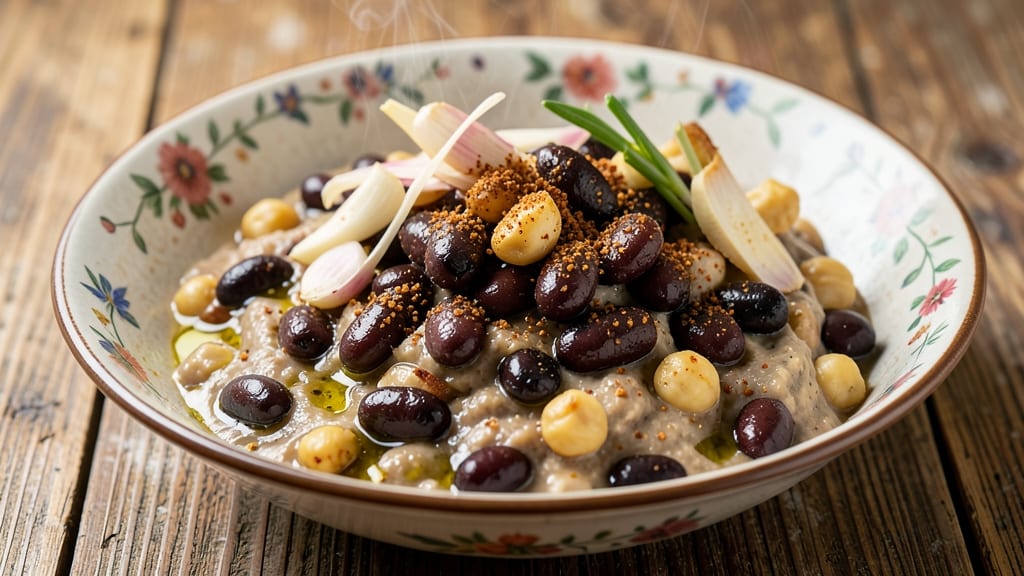
This bean chutney recipe transforms simple ingredients into a vibrant, spiced condiment that elevates everything from sandwiches to grilled vegetables. The blend of cooked beans, aromatic spices, and tangy acidity creates a versatile sauce with depth and complexity—perfect for dipping, spreading, or drizzling.
I developed this version after testing countless combinations, focusing on balance: smoky cumin, bright lemon, and earthy coriander work together to deliver a chutney that’s bold yet approachable.
The beauty of this recipe lies in its adaptability. Use it as a dip for crispy pita chips, a sandwich spread with layers of flavor, or a finishing sauce for roasted dishes.
The texture is smooth yet slightly textured, thanks to blended beans and toasted spices, while the acidity from lemon or vinegar keeps it fresh-tasting. Unlike store-bought versions, this chutney stays vibrant for up to a week in the fridge or can be preserved for months with proper canning techniques.
What sets this chutney apart is its vegetarian-friendly foundation—no meat or fish, just plant-based richness from chickpeas or black beans paired with warming spices. The process is straightforward: sauté spices until fragrant, blend with cooked beans and tangy elements, then let the flavors meld.
The result is a sauce that’s as satisfying on a cracker as it is drizzled over a hearty curry.
Ready in under 30 minutes, this chutney delivers restaurant-quality flavor with minimal effort. Whether you’re prepping for a meal or craving a quick snack, it’s a game-changer for any kitchen. Let’s make it—your taste buds will thank you.
Ingredients for bean chutney
Nine ingredients blend into a vibrant, restaurant-quality chutney that transforms everyday meals.
| Ingredient | Amount | Notes |
|---|---|---|
| Chickpeas (or Black Beans) 🌿 | 1 ½ cups | Cooked, drained, no salt added |
| Ground Cumin 🌶️ | 1 tbsp | Toasted for deeper aroma |
| Ground Coriander 🌿 | 1 tbsp | Freshly ground preferred |
| Smoked Paprika 🌶️ | 1 tbsp | For smoky depth |
| Garlic Cloves 🧄 | 4 cloves | Peeled, rough chopped |
| Fresh Ginger 🌿 | 1 tbsp | Grated, zesty kick |
| Lemon Juice 🍋 | ¼ cup | Freshly squeezed |
| Apple Cider Vinegar 💧 | 1 tbsp | Balances acidity |
| Extra-Virgin Olive Oil 🫒 | ¼ cup | For richness |
| Sea Salt 🧂 | ½ tsp | Diamond Crystal preferred |
The beans are the heart of this chutney—chickpeas for a lighter texture or black beans for deeper richness. Trader Joe's has pre-cooked chickpeas that save time, while Whole Foods bulk bins offer organic black beans at a better price. Toast your spices in a dry pan for 30 seconds before blending—this unlocks their full flavor. Fresh ginger is non-negotiable here; the frozen kind works in a pinch but lacks that bright zing. For the olive oil, California-made brands like Corto or Bertolli add fruity notes that elevate the dish.
No chickpeas? Canned lentils or even mashed white beans work—just adjust the liquid to reach a smooth consistency. Skip the smoked paprika? Regular paprika plus a pinch of liquid smoke gets you close. The lemon juice can be swapped for lime juice (use half the amount) or even red wine vinegar if you're out of apple cider. For extra creaminess without dairy, blend in 2 tbsp tahini—it adds nutty depth. And if you're feeling adventurous, a dash of cayenne turns this into a spicy chutney that pairs perfectly with grilled meats or roasted veggies.
This chutney keeps like a dream—1 week in the fridge sealed tightly, or 3 months frozen in ice cube trays for single-serving portions. For longer storage, can it using proper water bath techniques (10 minutes for pint jars). The flavors actually improve after 24 hours as the spices meld, so make a double batch if you can. I like to keep a small jar in the fridge for quick snacking with pita chips or crackers—it's the perfect midday pick-me-up.
Why You'll Love This Recipe
- Five-Ingredient Magic: I swear by this recipe—just beans, spices, and garlic. No fancy prep, no stress, and the flavors still pack a punch.
- Smoky Depth Fast: That smoked paprika? It transforms everything. Warm, earthy, and just a little bit addictive—like a hug in your mouth.
- Party or Pantry: Slather it on crackers for guests, stir it into rice for dinner, or toss it with roasted veggies. It’s the chameleon of condiments.
- Budget Powerhouse: A single can of beans and a spice jar last me weeks. Honestly, it’s my go-to when I’m broke or lazy—both work.
Step-by-step instructions for bold bean chutney
This vibrant chutney delivers deep, smoky warmth with every spoonful—perfect for dips, marinades, or topping grilled proteins.
Toast the Spices for Maximum Depth
Heat a dry skillet over medium heat and add the 1 tablespoon ground cumin, 1 tablespoon ground coriander, and 1 tablespoon smoked paprika from the ingredients list. Toast for 1-2 minutes until fragrant and the spices begin to dance with tiny puffs of smoke—this releases their essential oils for richer flavor.
Watch closely to avoid burning; the spices should smell earthy and aromatic, not acrid. Immediately transfer the toasted mixture to a bowl and set aside. The residual heat will continue developing their flavors as you work.
Cook the Aromatics Until Golden
In the same skillet (no need to clean it—the fond adds flavor), add the 0.25 cup extra-virgin olive oil and warm over medium heat. Add the 4 cloves rough-chopped garlic and 1 tablespoon freshly grated ginger, stirring constantly for 2-3 minutes until the garlic turns golden and the ginger loses its raw bite.
Here's the thing—don't rush this step. The garlic should be just shy of browning, not crispy. If it starts to darken too quickly, reduce heat slightly. These aromatics form the flavor foundation of your chutney.
Combine All Ingredients for the Chutney Base
Add the toasted spices to the skillet and stir for 30 seconds to bloom their flavors. Then pour in the 1.5 cups cooked chickpeas or black beans (drained and rinsed), 0.25 cup freshly squeezed lemon juice, and 1 tablespoon apple cider vinegar. Stir well to combine, letting the mixture simmer gently for 5 minutes.
You'll notice the chickpeas begin to break down slightly, releasing their starches that will help thicken the chutney naturally. The acidity from the lemon and vinegar will brighten the smoky spices—this balance is what makes this chutney so versatile.
Blend Until Silky Smooth
Transfer the chutney to a blender or food processor. Add the 0.5 teaspoon sea salt and blend until completely smooth, scraping down the sides as needed. For an ultra-silky texture, strain through a fine-mesh sieve if you prefer no bean fragments.
Taste and adjust seasoning—you might want to add a pinch more salt or a splash of lemon juice if the flavors need balancing. The chutney should be vibrant, tangy, and deeply aromatic with a perfect balance of heat and acidity.
Rest and Thicken
Pour the chutney back into the skillet and simmer over low heat for 5-10 minutes, stirring occasionally. This resting period allows the flavors to meld completely and the chutney to thicken naturally as excess moisture evaporates.
You'll know it's perfect when it reaches a spreadable consistency—thick enough to coat the back of a spoon but still pourable. Let it cool completely before serving; the flavors will continue developing as it sits. This chutney keeps beautifully in the refrigerator for up to 1 week, making it perfect for meal prep.
Pro Tips For Making Bean Chutney
- Toast the Spices First: Heat your ground cumin and coriander in a dry pan for 30 seconds until fragrant—this deepens their flavor and cuts through the earthiness of the beans. I used to skip this, and the chutney always tasted flat until I realized the spices needed to wake up first.
- Blister the Garlic: Cook the garlic cloves in oil until they’re golden and slightly crispy, not just soft. Overcooking turns them bitter, and raw garlic can overpower the chutney. Aim for 3-4 minutes on medium heat, stirring often—yes, even if you’re impatient like me.
- Simmer, Don’t Boil: Reduce the heat to low once the beans start breaking down; a gentle simmer prevents the chutney from splitting or turning mushy. I learned this the hard way after a batch turned into a sad, watery paste—now I keep it at a whisper of a bubble.
- Crush the Beans: Use a fork or potato masher to rough up the chickpeas or black beans before blending—this creates texture and helps the spices cling. Blending them smooth first? You’ll miss out on that satisfying bite that makes the chutney feel hearty.
Troubleshooting this recipe
Too Thin or Watery
If your chutney turns out too thin, simmer it uncovered over low heat for an extra 5-10 minutes to evaporate excess moisture. For a quicker fix, blend in 1-2 tablespoons of tahini or 1 tablespoon of cornstarch mixed with water—this adds richness and thickens without altering flavor.
I’ve also found that reducing the lemon juice by 1 tablespoon helps maintain a thicker consistency while keeping the tangy balance. 💧
Too Thick or Pasty
For a chutney that’s too thick, thin it with 1-2 tablespoons of warm water or apple cider vinegar, stirring constantly to prevent clumping. If it’s stubbornly dense, blend in 2-3 tablespoons of plain yogurt (for a creamy texture) or extra olive oil to loosen it up.
Pro tip: Use a hand mixer to whip in air while thinning—this lightens the texture without diluting flavors. 🥄
Flat or Bland Flavor
If your chutney tastes dull, boost the depth by adding ½ teaspoon of smoked paprika or a dash of cayenne for heat. A splash of red wine vinegar (instead of apple cider) adds complexity, while a pinch of ground fenugreek (common in Indian chutneys) introduces a maple-like sweetness.
For extra umami, stir in 1 teaspoon of soy sauce or 1 tablespoon of miso paste—just taste as you go! 🌶️
Separation or Oily Texture
Oil separation happens when the chutney cools. To fix it, gently reheat the chutney over low heat while whisking continuously to re-emulsify. For prevention, blend in 1 teaspoon of xanthan gum (a stabilizer) or whisk in 1 tablespoon of cornstarch before simmering.
I also recommend storing chutney in a glass jar—it keeps ingredients suspended better than plastic. ⚡
Spices Too Overpowering
If the spices dominate, balance them with 1 extra tablespoon of lemon juice or ½ cup of plain yogurt to mellow the heat. A sprinkle of sugar (½ teaspoon) can also soften the bite.
For a smoother texture, strain the chutney through a fine-mesh sieve to remove any harsh spice particles. Trust me, this trick works wonders! 🌿
Fermentation or Sour Smell
If your chutney develops a sour or fermented odor, it’s likely from over-acidification or improper storage. Discard it immediately—sour chutney can harbor bacteria. To prevent this, always store it in a clean, airtight glass jar in the fridge and use it within 7 days.
For longer storage, can the chutney using a water bath for 10 minutes to kill any potential pathogens. ❄️
Nutrition facts
Frequently asked questions
Can I make this bean chutney without a blender?
If you don’t have a blender, mash the cooked beans with a fork or potato masher until smooth. For extra texture, leave small bean pieces—this adds visual appeal and a slight bite. You can also use a mortar and pestle for a more rustic, handcrafted texture that some find delicious.
What’s the best way to store leftover chutney?
Transfer to an airtight glass jar and refrigerate for up to 1 week. For longer storage, freeze in ice cube trays for single-serving portions (thaw overnight in the fridge). If canning, process pint jars for 10 minutes in a water bath to preserve freshness. Always check for mold or off smells before using.
How can I use this chutney in cooking?
This versatile chutney works as a dip for pita chips, a sandwich spread, or a marinade for grilled meats. Drizzle it over roasted vegetables, mix into hummus, or use as a base for soups. Its smoky-sweet balance also pairs beautifully with spicy dishes to cool the heat.
Can I substitute canned beans for dried?
Yes, but adjust the liquid. Canned beans (like chickpeas) are pre-cooked, so reduce the simmering time to 3 minutes instead of 5 minutes. Drain and rinse well to avoid excess sodium. For dried beans, cook them first (or use canned) to maintain the right texture—undercooked beans make the chutney grainy.
Why does my chutney smell fermented after a few days?
This usually means the acidity (lemon/vinegar) wasn’t balanced or the chutney wasn’t stored properly. Discard it if it smells sour or off. To prevent this, always store in a clean, airtight jar and use within 7 days. For longer storage, can it using a water bath method.