
Desserts
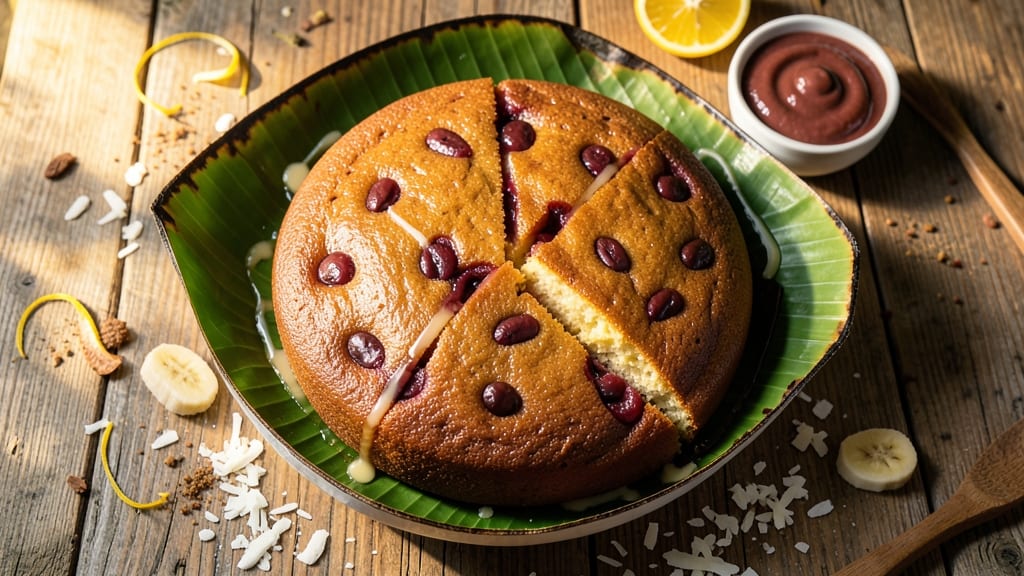
This baked red bean nian gao recipe transforms a traditional Chinese New Year dessert into a foolproof, restaurant-quality treat you can make at home.
The secret lies in crafting a perfectly chewy, slightly sticky batter infused with sweet red bean paste—creating layers of flavor and texture that balance sweetness and earthiness.
What sets this version apart is the baking technique, which delivers a golden crust while keeping the interior tender and moist, just like the versions sold in Asian bakeries.
The process begins with a simple yet precise batter made from rice flour, sugar, and water, which is then layered with homemade or store-bought red bean paste. Unlike steamed versions, baking gives this nian gao a subtle caramelized edge that adds depth to every bite.
The result is a dessert that’s both nostalgic and elevated—ideal for celebrations or a special treat any time of year. No special equipment is needed beyond a baking dish, making it accessible for home cooks.
Once baked, the nian gao emerges with a golden crust and a chewy, slightly dense interior, perfectly complementing the sweet, velvety red bean filling. The contrast between the crispy exterior and the soft, moist center is what makes this dessert so irresistible.
Whether you’re serving it during Lunar New Year or simply craving something comforting, this recipe delivers professional-quality results with minimal fuss.
For added authenticity, wrap the baked nian gao in banana leaves before serving—a traditional touch that enhances the aroma and keeps the dessert moist. Optional variations like coconut milk or sesame seeds can also customize the flavor to your preference.
Let’s get started on creating this iconic dessert that’s as beautiful as it is delicious.
Ingredients for baked red bean nian gao
Sweet, chewy, and golden—just a few simple ingredients transform into restaurant-quality nian gao.
| Ingredient | Amount | Notes |
|---|---|---|
| Rice Flour 🌾 | 1 ½ cups | Glutinous rice flour preferred |
| Granulated Sugar 🍚 | 1 cup | White or brown sugar works |
| Water 💧 | ½ cup | Room temperature preferred |
| Sweet Red Bean Paste 🍫 | 1 cup | Homemade or store-bought |
| Unsalted Butter 🧈 | 2 tbsp | Melted for brushing |
| Banana Leaves 🌿 | 4 whole | Optional for wrapping |
| Sesame Seeds 🌰 | 2 tbsp | Toasted for garnish |
| Vegetable Oil 🫒 | 1 tbsp | For greasing pan |
| Baking Powder 🧂 | ½ tsp | For slight lift |
| Ground Cinnamon 🌿 | ¼ tsp | Optional for warmth |
| Vanilla Extract 🍯 | ½ tsp | Pure vanilla preferred |
| Coconut Milk 🥥 | ¼ cup | Optional for richness |
Rice flour is the backbone here—glutinous rice flour gives that signature chewy texture, but regular rice flour works in a pinch. Grab a 2-pound bag from an Asian market (like H Mart or 99 Ranch Market) if you can, but any fine rice flour will do. The red bean paste? Homemade is ideal (it’s sweeter and smoother), but store-bought in a tube works too—just make sure it’s sweet, not savory. For the sugar, I use white for a cleaner flavor, but brown adds depth if you’re feeling fancy. The banana leaves? Soak them in hot water for 10 seconds to soften before wrapping—trust me, it makes a difference.
No banana leaves? Parchment paper works, though it won’t add that authentic aroma. Short on sesame seeds? Toasted peanuts or crushed pistachios give a similar crunch. The coconut milk is totally optional, but it adds a luxurious richness that pairs perfectly with the red bean. If you’re making this ahead, prep the batter a day early—it rests better and the flavors meld. Pro tip: Sift the rice flour with the baking powder to avoid lumps, and don’t overmix the batter once you add the water—just stir until combined.
This keeps 3 days at room temperature wrapped in banana leaves or parchment, but it’s best eaten fresh. For longer storage, freeze slices for up to 3 months—wrap tightly in plastic and reheat in the oven at 300°F for 5 minutes. The golden crust gets crispier as it cools, so slice it while still slightly warm for clean cuts. Leftovers? Toss them in a paper bag for 10 minutes to revive the chewiness—works like magic.
Why You'll Love This Recipe
- No-Fuss Mixing: The dough comes together in five minutes—just rice flour, sugar, and water. No yeast, no kneading, no waiting. Honestly, I’ve made this while scrolling through my phone.
- Sweet & Crispy Magic: That crispy golden crust with the soft, chewy center? The butter and red bean paste turn it ridiculously good. One bite and you’ll understand why it’s a Lunar New Year staple.
- Stealth Meal Prep: Slice it up and store it for weeks—it actually tastes better as it sits. Perfect for packed lunches or when you need a no-brainer dessert that doesn’t require reheating.
- Budget Sweet Tooth Fix: Uses pantry staples and stretches for multiple servings. Between us, this is how I justify buying fancy red bean paste without guilt. Plus, it’s cheaper than store-bought versions.
Step-by-step instructions for baked red bean nian gao
Here's how to make these chewy, fragrant cakes that taste like a hug from your favorite bakery.
Mix the Batter for Perfect Texture
In a large mixing bowl, combine the 1.5 cups rice flour, 1 cup granulated sugar, 0.5 tsp baking powder, and 0.25 tsp ground cinnamon. Whisk until the sugar is fully dissolved and no flour lumps remain. This ensures a smooth, even texture throughout your nian gao.
Next, add the 1 cup sweet red bean paste and 0.5 tsp vanilla extract. Mix until the paste is evenly distributed—you should see a thick, sticky batter that holds its shape when pressed. If it's too stiff, add 1-2 tablespoons of the 0.5 cup water at a time until it reaches a thick pudding consistency. This is crucial for the perfect chewy texture.
Prepare the Pan and Shape the Cakes
Grease a 9-inch round cake pan (or four 4-inch round pans for individual cakes) with 1 tablespoon vegetable oil, then line the bottom with 2 of the 4 whole banana leaves, shiny side down. This prevents sticking and adds an authentic aroma. Pour the batter into the pan and spread it evenly, creating a smooth surface about ½-inch thick.
If using individual pans, divide the batter evenly between all four. Tap the pans gently on the counter to remove any air bubbles. The banana leaves will give your nian gao that traditional touch, but don't worry if you skip them—they're optional but recommended for that special flavor.
Bake Until Golden and Springy
Preheat your oven to 350°F. Bake the cakes for 35-40 minutes until the edges are golden brown and a toothpick inserted in the center comes out clean. The top should look slightly puffed, and the sides should pull away from the pan easily. If using banana leaves, remove them carefully after 20 minutes of baking to prevent overcooking.
This is where patience pays off—don't overbake. The cakes will continue setting as they cool, so pull them out when they're just slightly underdone. The internal temperature should reach about 205°F for perfect chewiness. If you're unsure, err on the side of slightly underbaked.
Cool and Finish with Butter and Sesame
Let the cakes cool in the pan for 10 minutes, then transfer them to a wire rack. While still warm, brush the tops generously with 2 tablespoons melted unsalted butter. This step adds richness and helps create that signature glossy finish. For extra flavor, sprinkle 2 tablespoons toasted sesame seeds evenly over the top.
If using the 0.25 cup coconut milk, drizzle it lightly over the cakes while warm for added moisture and depth of flavor. Let the cakes cool completely before slicing—this ensures clean cuts and prevents crumbling. The longer they rest, the more the flavors meld together for that perfect balance of sweetness and chewiness.
Slice and Serve with Confidence
Once fully cooled, use a sharp knife to cut the cakes into ½-inch thick slices. For cleaner cuts, dip the knife in hot water between slices. The texture should be firm yet slightly springy—this is the hallmark of well-made nian gao. Serve at room temperature with a cup of hot tea for the full experience.
These cakes keep well in an airtight container for up to 5 days at room temperature or can be refrigerated for up to 2 weeks. For a quick reheat, warm slices in the oven at 300°F for 5-10 minutes to restore their chewy texture. Enjoy your homemade nian gao—each bite is a celebration of tradition and comfort!
Pro Tips For Making Baked Red Bean Nian Gao
- Bake at 325°F—Not Higher: I learned this the hard way—cranking the oven to 350°F turns your nian gao into a dense, gummy brick instead of a tender cake. The lower temp (325°F) lets the center cook through evenly without burning the outside first. Use an oven thermometer if yours lies.
- Mix Butter Into Flour First: Skip the "add butter at the end" trap—work the unsalted butter into the rice flour until it looks like wet sand before adding water. This ensures even moisture distribution and prevents dry pockets. (Yes, it feels like extra work, but your nian gao won’t crack.)
- Don’t Overmix the Batter: After folding in the red bean paste, stop mixing the second everything comes together. Overworking the batter introduces air, which leads to tunnels or a crumbly texture. Think "just combined," not "fluffy."
- Press the Batter Firmly: Use your hands (or a wet spatula) to press the batter into the pan with steady pressure—no need to pack it like a snowball, but don’t go light. A loose center = undercooked goo. Tap the pan gently; if it jiggles, press harder. (Pro move: Dust your hands with rice flour to avoid sticking.)
Wine and beer pairings for baked red bean nian gao
Sweet Tea Harmony
Pair your baked red bean nian gao with jasmine green tea or Oolong tea—both complement the dessert's sweetness without overpowering it. A warm cup of Longjing tea enhances the nutty undertones in the red bean paste, creating a balanced flavor experience.
I recommend T2 Tea or Bigelow Jasmine Green for an accessible option that still delivers authentic taste. 🍵
Creamy Coconut Milk
For a tropical twist, serve your nian gao with coconut milk—either warm or cold. The natural sweetness and creamy texture mirror the dessert's richness while adding a refreshing contrast.
I love using Goya coconut milk or Thai Kitchen brands for their rich, authentic flavor. Drizzle lightly over slices for an extra touch of indulgence.
Spiced Chai Latte
Warm up your dessert with a spiced chai latte—the cinnamon and cardamom notes in the tea enhance the subtle warmth of the nian gao's cinnamon. A Starbucks Chai Latte or homemade version with Tazo Chai tea bags works perfectly.
The spiced milk balances the dessert's sweetness beautifully, making each bite even more satisfying. ✨
Light Lychee Juice
For a fruity contrast, serve your nian gao with lychee juice—its floral sweetness pairs wonderfully with the earthy red bean. I recommend San Ching lychee juice or Thai lychee drinks from Asian markets. The light, refreshing flavor cleanses your palate between bites, making the dessert taste even more luxurious.
Beer Pairing Surprise
If you prefer beer, a light Japanese lager like Asahi Super Dry or Sapporo provides a crisp, clean finish that contrasts the dessert's richness. The subtle maltiness complements the nian gao's sweetness without competing.
For a bolder option, try a Chinese jasmine rice beer like Snow Village—its floral notes mirror the dessert's delicate flavors. 🍺
Nutrition facts
Frequently asked questions
Can I substitute regular rice flour for glutinous rice flour?
While you can use regular rice flour, it won't give you that signature chewy texture. Glutinous rice flour contains more starch, which creates the perfect sticky, springy bite. If you must substitute, try a 50/50 mix with tapioca starch for better elasticity. The flavor will be slightly different but still delicious!
How do I make my homemade red bean paste if I don't have store-bought?
Simmer 1 cup dried red beans with 1.5 cups water and ½ cup sugar for 1-1.5 hours until soft. Mash into a smooth paste, then cook for another 15-20 minutes until thick. Strain through a fine sieve for ultra-smooth texture. Store in the fridge for up to 2 weeks or freeze for longer shelf life.
Why did my nian gao turn out too dense instead of chewy?
Overbaking is the most common culprit! The cakes should pull away from the pan edges but still feel slightly soft in the center. Check with a toothpick at 35 minutes—if it comes out clean, it's done. Also ensure your batter was thick but not dry (like cookie dough consistency). For extra chewiness, brush slices with coconut milk before serving.
Can I make this recipe without banana leaves?
Use parchment paper or lightly greased aluminum foil instead. While banana leaves add aroma, the dessert will still taste amazing. For extra flavor, try wrapping the baked cake in banana leaves after cooling for 30 minutes—this infuses subtle herbal notes without affecting texture.
How should I store leftover nian gao?
Wrap slices tightly in plastic wrap or store in an airtight container at room temperature for 3-5 days. For longer storage, freeze for up to 3 months. To revive texture, warm slices in the oven at 300°F for 5 minutes or microwave for 10 seconds. The chewiness returns instantly!