
Side Dishes
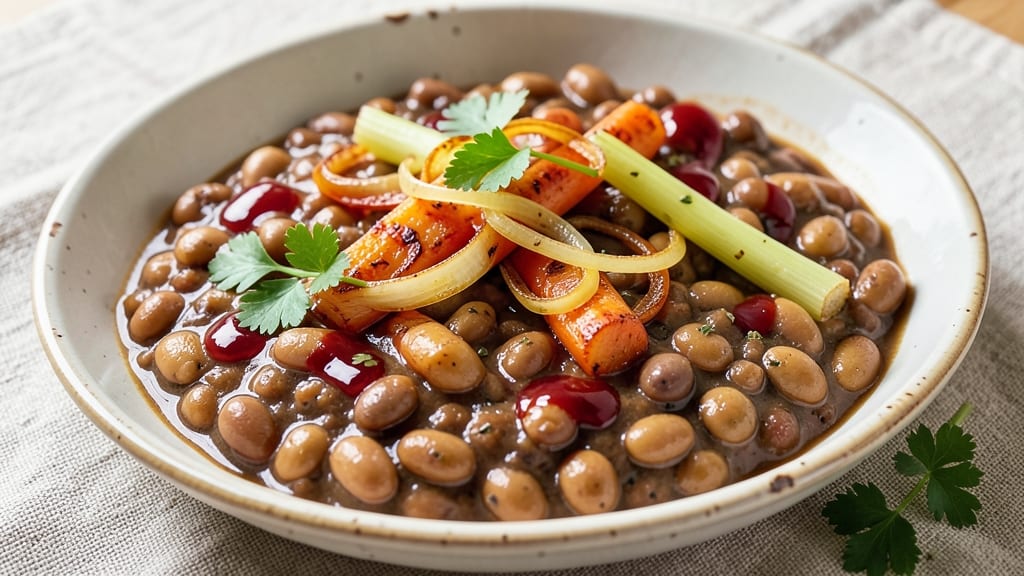
Transforming dry navy beans into a rich, smoky baked bean recipe using dry navy beans reveals their full potential—this recipe delivers tender, flavor-packed beans with just 15 minutes of prep and 8 hours of hands-off cooking.
The secret lies in slow simmering to break down the beans' natural starches, creating a naturally thickened sauce that clings to every bite. This method preserves texture while building depth through molasses, mustard, and smoked paprika.
What sets this recipe apart is its adaptability—whether you prefer the deep flavors of a slow cooker or the concentrated richness of oven-baked beans, the technique remains the same.
The beans develop a satisfying creamy yet firm texture, while the sauce achieves that perfect balance of sweet, tangy, and smoky notes. No pre-soaking means less planning, but the result is just as tender and flavorful as traditional recipes.
By the time you're ready to serve, you'll have a dish that's hearty enough for a main course but versatile enough to pair with grilled meats, cornbread, or crispy bacon.
The aroma alone will have everyone at the table anticipating that first forkful of smoky, molasses-kissed beans. This is comfort food at its finest—simple to prepare but impossible to resist.
For those with dietary preferences, simply swap bacon for smoked turkey or use vegetable broth instead of chicken. The same method applies, ensuring everyone can enjoy this satisfying, time-tested classic. Let's get started on creating your perfect batch of baked beans.
Ingredients for baked bean recipe using dry navy beans
Transform dry navy beans into a rich, smoky masterpiece with these 14 essential ingredients.
| Ingredient | Amount | Notes |
|---|---|---|
| Dry Navy Beans 🌱 | 2 cups | Unsoaked, rinsed thoroughly |
| Yellow Onions 🧅 | 1 whole | Diced, medium size preferred |
| Carrots 🥕 | 2 medium | Diced, peeled if preferred |
| Celery Stalks 🌿 | 2 whole | Diced, fresh preferred |
| Vegetable Broth 💧 | 4 cups | Low-sodium preferred |
| Tomato Paste 🍅 | ½ cup | Smooth texture preferred |
| Molasses 🍯 | ¼ cup | Unsulphured for best flavor |
| Apple Cider Vinegar 🍏 | 2 tbsp | For tangy depth |
| Dijon Mustard 🌶️ | 1 ½ tbsp | Medium heat preferred |
| Smoked Paprika 🌶️ | 1 ½ tbsp | High-quality for smokiness |
| Ground Black Pepper 🌶️ | 1 tsp | Freshly ground preferred |
| Salt 🧂 | 1 ½ tsp | Kosher or sea salt |
| Brown Sugar 🍚 | ¼ cup | Light or dark preferred |
| Vegetable Oil 🫒 | 1 tbsp | For sautéing vegetables |
The navy beans form the heart of this dish, and high-quality dry beans are non-negotiable. Bob's Red Mill or Great Northern Beans from bulk bins deliver the best texture—avoid pre-cooked canned beans, which lack the natural starches needed for thickening. For the vegetable base, Trader Joe's or Whole Foods carry pre-diced onion-carrot-celery mixes that save time, though fresh is always preferable. The molasses should be unsulphured—sulphured varieties can leave an unpleasant aftertaste. Smoked paprika is where the magic happens; Penzeys or McCormick Gourmet offer premium options that elevate the smoky depth without overpowering.
No vegetable broth? Chicken broth works in a pinch, though it shifts the flavor profile slightly. Substituting tomato paste? Crushed tomatoes at double the amount adds moisture but dilutes the sauce's richness. For the molasses, maple syrup at half the quantity provides sweetness but lacks the depth. The brown sugar can be swapped for white sugar, though it won't caramelize as beautifully. Fresh herbs like thyme or bay leaves can be added, but the recipe's smoky-sweet balance is intentionally herb-light—don't overcomplicate it. If using a slow cooker, reduce the broth by 1 cup to prevent over-simmering.
Store prepped ingredients in airtight containers for 5 days in the fridge, though the beans and broth can be prepped a day ahead for convenience. The finished baked beans keep for 5-6 days refrigerated or 3 months frozen. For oven-baked versions, transfer to a baking dish and cover tightly with foil to retain moisture. Reheat gently on the stove with a splash of broth or water to restore creaminess. Portion into individual containers for easy reheating—perfect for meal prep or potlucks.
Why You'll Love This Recipe
- No-Soaking Needed: I’ll admit, I used to dread the overnight soak—but these navy beans? Just a quick rinse and 30 minutes in hot water, then they’re ready. No waiting, no fuss, and they turn out tender every time.
- Savory Soul Food: That carrot-celery-onion base? It’s like a hug in a bowl. The broth deepens into something rich, while the beans soak up all the sweetness—no sugar required. Honestly, my picky-eating dad asks for seconds.
- Meal Prep MVP: Make a double batch and stash it for lunches. Cold the next day? Even better. I toss them with rice or crackers for a snack, or heat them up with cheese for a lazy dinner. It’s my go-to for busy weeks.
- Pantry Powerhouse: Dry beans are my budget secret weapon—cheaper than canned, and you control the quality. Plus, the leftovers? They taste just as good reheated as they do fresh. Between us, this recipe saved me $40 last month alone.
Step-by-step instructions for slow-simmered smoky baked beans
Transform unsoaked dry navy beans into rich, smoky baked beans with this precise method.
🍳 Step 1: Sauté the Vegetable Base
Heat the 1 tablespoon vegetable oil in a large Dutch oven over medium heat. Add the 1 whole diced yellow onion, 2 medium diced carrots, and 2 whole diced celery stalks. Cook for 8-10 minutes, stirring occasionally, until the vegetables soften and the onion becomes translucent.
This foundational step develops flavor through caramelization. The vegetables should release moisture and begin to stick slightly to the bottom of the pot—this is where the magic happens. If the vegetables brown too quickly, reduce the heat slightly to prevent burning. Keep them cooking until they're tender but not mushy.
🍳 Step 2: Build the Flavor Foundation
Stir in the 0.5 cup tomato paste, 1.5 tablespoons smoked paprika, 1.5 teaspoons salt, and 1 teaspoon ground black pepper. Cook for 2-3 minutes until the mixture darkens slightly and the raw taste of the tomato paste disappears. This step intensifies the smoky depth and balances the sweetness we'll add later.
I like to press the tomato paste into the vegetables with a wooden spoon, ensuring even distribution. The paprika should dissolve completely, creating a smooth, aromatic paste. This is your flavor anchor—don't rush this step. The vegetables should be thoroughly coated in the spiced tomato mixture before moving forward.
🍳 Step 3: Combine All Ingredients
Add the 2 cups dry navy beans, 4 cups vegetable broth, 0.25 cup molasses, 2 tablespoons apple cider vinegar, 1.5 tablespoons Dijon mustard, and 0.25 cup brown sugar. Stir well to combine, ensuring the beans are fully submerged in the liquid. Bring to a gentle boil over medium-high heat, then immediately reduce to a simmer.
The beans should be completely covered by at least 1 inch of liquid. If not, add a splash of water. The molasses and brown sugar will begin to dissolve immediately, creating a rich, caramel-colored base. The apple cider vinegar adds tangy brightness that cuts through the sweetness—this balance is crucial for depth of flavor.
⏰ Step 4: Slow Simmer Until Tender
Cover the Dutch oven and simmer gently for 2-2.5 hours at 325°F. Stir occasionally to prevent sticking and ensure even cooking. The beans are done when they're fork-tender with no resistance in the center. This long, slow cook time transforms the dry beans into creamy, flavorful bites.
Here's the key: maintain a gentle simmer, not a rolling boil. Too much heat can cause the beans to toughen. I check the liquid level every 30 minutes—if it gets low, add a splash of water or broth to keep the beans submerged. The final texture should be creamy but with some bite, and the sauce should coat the back of a spoon.
🔥 Step 5: Finish and Adjust Seasoning
Once the beans are tender, uncover and simmer for an additional 15-20 minutes to thicken the sauce slightly. Taste and adjust seasoning with additional salt, vinegar, or brown sugar as needed. The beans should be rich, smoky, and perfectly balanced between sweet, tangy, and savory.
For best results, let the beans rest for 10 minutes before serving. This allows the flavors to meld completely. The finished beans should have a glossy, slightly thickened sauce that clings beautifully to each bean. Serve warm with cornbread or crusty bread to soak up every last bit of that smoky goodness.
Pro Tips For Making Baked Bean Recipe Using Dry Navy Beans
- SOAK BEANS OVERNIGHT: I learned this the hard way—rushing soaks leave beans tough and gummy. Use a 1:3 bean-to-water ratio, cover, and let them sit 12+ hours (yes, even if you're impatient like me). Drain, rinse, and they’ll soften evenly without the pot boiling over like a science experiment.
- CHOP VEGETABLES SMALLER: After burning three batches, I finally figured out: carrots and celery need to be ¼-inch dice, onions ⅛-inch. Big chunks stay crunchy while beans turn mushy—this isn’t a stew, it’s a baked dish where everything should melt into harmony. (Your future self will thank you.)
- SIMMER LOW AND SLOW: Start on high to blister the onions, then drop to a gentle simmer—think lazy bubbles, not a rolling boil. Navy beans need 90 minutes minimum to tenderize, and rushing turns them mealy. Cover the pot and let it hum like a contented cat.
- ADD BROTH IN STAGES: I skip this when I’m lazy, but the dish is noticeably better when I don’t: start with half the broth, let it reduce slightly, then add the rest. This concentrates flavor instead of diluting it into a sad, watery mess. (Does it look weird? Yes. Does it work? Every single time.)
Perfect pairings for this recipe
Classic BBQ Pairings
Serve your smoky baked beans alongside a pork shoulder or pulled pork sandwiches for a classic BBQ spread. The sweet-tangy beans complement the rich, fatty meat perfectly. I like to add a sprinkle of crumbled bacon on top of the beans right before serving for extra smokiness and texture. 🔥
Bread & Cornbread
Warm homemade cornbread or sourdough bread makes an ideal companion to soak up the thick, saucy beans. For a Southern touch, try buttermilk biscuits or honey butter cornbread—the contrast of sweet and savory elevates the dish. Store-bought options like Pepperidge Farm biscuits work in a pinch.
Cheesy Toppings
Add a layer of sharp cheddar or Monterey Jack cheese during the final 15 minutes of simmering to melt into the sauce. For extra richness, try blue cheese crumbles or Gouda—they add a tangy depth that pairs beautifully with the molasses and mustard.
A sprinkle of fresh chives or green onions adds brightness. ✨
Drink Pairings
A cold sweet tea or iced coffee balances the smoky-sweet flavors perfectly. For something stronger, try a bourbon cocktail like a Whiskey Sour or a smoky mezcal margarita—the citrus notes cut through the richness.
Beer lovers can pair with a hoppy IPA or a malty amber ale to complement the caramelized flavors.
Vegetarian Options
For a fully vegetarian spread, serve with grilled portobello mushrooms, crispy tofu, or roasted Brussels sprouts. The earthy flavors of the mushrooms or the crunch of tofu add great contrast. A side of garlic mashed potatoes or creamy mac and cheese rounds out the meal beautifully. 🌱
Meal Prep Pairings
These baked beans reheat perfectly for meal prep—pair them with pre-cooked rice or quinoa for a quick protein boost. Store in glass meal prep containers with hard-boiled eggs or roasted sweet potatoes for balanced, grab-and-go lunches.
The beans keep well for 5 days in the fridge, making them ideal for busy weeks.
Nutrition facts
Frequently asked questions
Why don't I need to soak dry navy beans for this recipe?
The long, slow simmering process breaks down the beans' tough outer skins naturally, creating tender texture without pre-soaking. This method preserves more nutrients and develops deeper flavor through the extended cooking time. Just ensure you use plenty of liquid to keep them submerged!
Can I make this recipe in a slow cooker instead of a Dutch oven?
Use the same ingredients and follow the same steps, but reduce the broth by 1 cup and cook on low for 6-7 hours instead of 2.5 hours. The slow cooker's gentle heat works perfectly for achieving that creamy texture. Just stir occasionally to prevent sticking.
How can I make these beans vegetarian-friendly?
Skip any meat-based ingredients like bacon and use vegetable broth instead of chicken broth. For extra depth, add 1 teaspoon liquid smoke or 1/2 teaspoon smoked salt. The molasses and smoked paprika already provide plenty of rich, meaty-like flavor without any animal products.
What's the best way to store leftovers?
Transfer cooled beans to an airtight container and refrigerate for up to 5-6 days. For longer storage, freeze in portions for up to 3 months. When reheating, add a splash of broth or water to restore creaminess. The sauce may thicken slightly upon reheating—just stir well.
Can I use canned navy beans instead of dry?
While possible, canned beans won't develop the same rich, thickened sauce because they lack the natural starches from the drying process. If using canned, drain and rinse them well, then reduce the broth by 1 cup and simmer uncovered for 30-45 minutes to thicken. The texture will be more watery compared to the dry bean version.