
Side Dishes
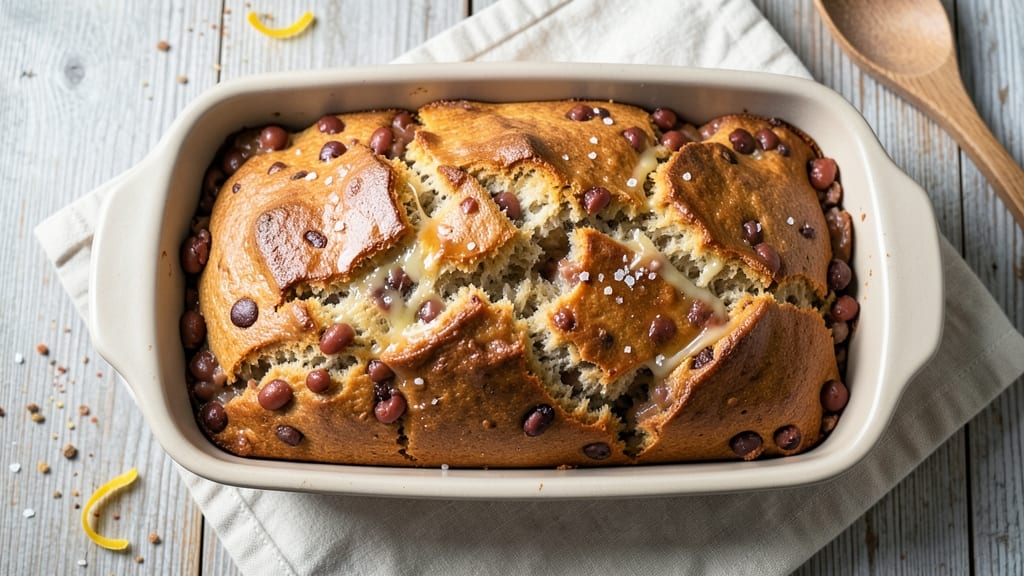
This baked bean bread recipe delivers the perfect balance of crispy crust and soft sweet centers, transforming humble ingredients into a savory centerpiece. The secret lies in blending tender baked beans directly into the dough, creating pockets of flavor that make every bite irresistible.
I developed this recipe after years of experimenting with quick breads, and the texture difference is remarkable—no dry crumbs or dense centers here.
The beauty of this recipe is its simplicity: no yeast, no long rises, and just 15 minutes of active prep time. The dough comes together in a bowl, and the beans add natural sweetness while keeping the bread moist.
A crispy golden-brown crust forms in the oven, while the interior stays tender and slightly sweet from the beans. This bread is ideal for breakfast, sandwiches, or as a hearty side dish.
What sets this recipe apart is the way the beans infuse the dough with subtle sweetness and moisture, eliminating the need for extra sugar or milk. The result is a loaf with a satisfying chew and a flavor profile that's both comforting and unique.
Perfect for feeding a crowd or enjoying a slice with butter, this bread proves that simple ingredients can create extraordinary results.
For added flavor, consider sprinkling a mix of cheese and herbs on top before baking. The possibilities for variations are endless, but the core technique ensures a consistently delicious outcome. Let's get started on this foolproof recipe that will become a staple in your kitchen.
Ingredients for baked bean bread
Simple ingredients blend into a loaf with crispy crust and tender sweet centers.
| Ingredient | Amount | Notes |
|---|---|---|
| Canned Baked Beans 🍲 | 1 can | Drained, mashed slightly for texture |
| All-Purpose Flour 🌾 | 3 ½ cups | Spooned and leveled for accuracy |
| Granulated Sugar 🍚 | ½ cup | Brown sugar for deeper flavor |
| Unsalted Butter 🧈 | ½ cup | Cold, cubed for easier mixing |
| Large Eggs 🥚 | 2 whole | Room temperature for even mixing |
| Milk 🥛 | ¾ cup | Whole milk for richness |
| Baking Powder 🧂 | 2 tsp | Diamond Crystal preferred |
| Salt 🧂 | ½ tsp | Kosher for balanced flavor |
| Ground Cinnamon 🌿 | 1 tsp | Warm, aromatic variety |
| Shredded Cheddar Cheese 🧀 | 1 cup | Sharp cheddar for tang |
| Fresh Chives 🌿 | 2 tbsp | Chopped, for garnish |
| Vegetable Oil 🫒 | 1 tbsp | For greasing pan |
The baked beans are the heart of this recipe—look for high-quality brands like Bush's or Libby's with no added sugar. The canned variety works perfectly, but if you prefer homemade, simmer dried beans with a touch of molasses for that same sweet depth. For the flour, King Arthur or Gold Medal brands yield the best texture; their protein content ensures a tender crumb. The butter should be cold when you cube it—this prevents the dough from getting too warm too soon, which can make the crust soggy. I always measure my flour by spooning it into the cup and leveling it off, never scooping directly from the bag.
No baking powder? Self-rising flour plus 1/4 tsp salt works as a substitute, though the texture may differ slightly. Short on milk? Greek yogurt or buttermilk add tanginess and richness, though you'll need to reduce the baking powder by 1/4 tsp to balance the acidity. For the cheese, sharp cheddar is ideal, but Parmesan or Gouda add delightful variations. The chives can be swapped for parsley if you prefer a milder flavor, though they add a lovely oniony brightness that pairs beautifully with the beans. If you're concerned about the bread drying out, brush the crust with a little milk before baking for extra moisture.
This loaf keeps well for 3-4 days at room temperature wrapped in a clean kitchen towel, or up to 1 week in an airtight container in the fridge. For longer storage, slice and freeze individual portions—they reheat beautifully in a toaster or oven. I like to make two loaves at once and freeze one for lazy mornings. The bread reheats best when wrapped in foil at 350°F for 10 minutes, restoring that crispy crust without drying out the interior. For serving, a pat of butter and a sprinkle of flaky salt elevate every bite.
Why You'll Love This Recipe
- Pantry Magic: I swear by this one—no fresh produce required. Just open a can of baked beans, dump in the flour and sugar, and let the butter and eggs bind it all together. Honestly, it’s the kind of recipe that makes me feel like a genius when I forget to grocery shop.
- Sweet-Savory Balance: That caramelized sugar in the dough? It’s what turns this into something special. The baked beans add a smoky depth, while the buttery crust gives it a golden, almost biscuit-like crunch. Between us, it’s the kind of flavor combo that makes people ask, “What’s in this?”
- Lunchbox Hero: Slice it up for sandwiches, toast it for breakfast, or pack it with lunchmeat for a no-fuss meal. My kids actually like it—no weird faces when I send it in their lunches. (Yes, even on a Tuesday.)
- Zero-Waste Win: A whole loaf for under $3? That’s not a typo. The leftovers keep for days, and if you’re like me, you’ll find yourself sneaking slices for snacks. Plus, the dough’s forgiving—overmix? Underbake? It’ll still taste like a victory.
Step-by-step instructions for baked bean bread
A perfect balance of savory baked beans and sweet cinnamon creates this uniquely comforting loaf.
Prepare the Bean Base
Drain the canned baked beans and transfer them to a medium bowl. Using a fork or potato masher, gently mash about half of the beans until they reach a slightly chunky texture—you want some small pieces but no puree. Set aside the mashed beans and keep the remaining whole beans for texture contrast.
In a small bowl, whisk together the 0.5 cup granulated sugar, 1 tsp ground cinnamon, and 0.5 tsp salt. This sweet-spiced mixture will infuse the bean base with warm flavor. Add it to the mashed beans along with the 1 cup shredded cheddar cheese, then mix until fully combined. The cheese will melt slightly from the bean heat, creating a creamy, flavorful center.
Mix the Dough
In a large mixing bowl, combine the 3.5 cups all-purpose flour and 2 tsp baking powder. Whisk gently to distribute the leavening agent evenly. Create a well in the center and add the 0.5 cup cold cubed unsalted butter. Using a pastry cutter or your fingers, work the butter into the flour until the mixture resembles coarse crumbs with pea-sized butter pieces remaining.
In a separate bowl, beat the 2 whole large eggs and 0.75 cup milk together until smooth. Add this liquid mixture to the flour-butter combination along with the bean mixture. Stir gently with a wooden spoon until just combined—don't overmix. The dough will be thick and sticky, but that's exactly what we want for that dense, moist texture. If the dough seems too stiff, add 1-2 tablespoons milk to help it come together.
Shape and Prepare the Loaf
Lightly grease a standard 9x5-inch loaf pan with 1 tablespoon vegetable oil, then dust it thoroughly with flour. Transfer the dough to the prepared pan and spread it evenly, pressing down gently to fill all corners. The dough will be quite thick—this is normal and will result in that perfect dense texture.
Sprinkle the top with the remaining whole baked beans, pressing them lightly into the dough. This creates both visual appeal and additional flavor pockets throughout the bread. Cover the pan loosely with plastic wrap and let the dough rest at room temperature for 30 minutes. This short rest period helps the ingredients relax and ensures even baking.
Bake to Golden Perfection
Preheat your oven to 350°F. After the dough has rested, place the covered pan in the oven and bake for 50-55 minutes, until the top is deep golden brown and a toothpick inserted in the center comes out clean. The bread will rise slightly during baking, developing that beautiful crispy crust while maintaining a soft, moist interior.
For the crispest crust, I recommend broiling for 1-2 minutes at the very end of baking. Watch carefully to prevent over-browning. When done, remove from the oven and let the bread cool in the pan for 10 minutes before transferring to a wire rack. This resting period allows the internal structure to set properly, making it easier to slice.
Garnish and Serve
While the bread is still warm, sprinkle the chopped 2 tbsp fresh chives evenly over the top. The vibrant green color provides a beautiful contrast to the golden crust and enhances the savory-sweet flavor profile. Let the bread cool completely before slicing—this ensures clean cuts and prevents crumbling.
Serve warm slices with butter or honey for dipping. Each bite should deliver a perfect balance of crispy exterior, soft interior, and the distinctive flavor of baked beans combined with sweet cinnamon and sharp cheddar. The bread keeps well at room temperature for 2-3 days or can be frozen for up to 3 months for fresh-out-of-the-oven enjoyment later.
Pro Tips For Making Baked Bean Bread
- Drain and Warm the Beans: Dumping cold, liquidy beans straight from the can into your batter will make your bread dense and gummy. Drain them well, then heat the beans in a small saucepan over low heat for 3–4 minutes to thicken the juices—this keeps the texture light and the flavor rich.
- Mix Just Until Combined: Overworking the dough after adding the flour will toughen the bread. Once the beans, sugar, butter, and eggs are just barely incorporated, fold in the flour with a spatula until barely mixed—lumps are fine, but don’t overmix. This keeps the crumb tender.
- Skip the Overproofing: Baked bean bread doesn’t need to rise like yeast bread. Let the batter sit for 10–15 minutes after mixing—just long enough for the flour to hydrate and the eggs to start setting. Any longer, and you’ll end up with a dry, heavy loaf.
- Use Room-Temp Butter: Cold butter creates pockets of steam in the oven, leading to uneven baking and a tough crust. Let the butter sit out for 20–30 minutes before creaming it with the sugar—this ensures a smoother texture and a more even bake. (Yes, even if you’re impatient like me.)
Regional styles of this recipe
Southern Comfort Style
In the American South, baked bean bread often gets a smoky-sweet twist with molasses or brown sugar instead of white. I like adding 1/4 cup molasses to the bean mixture for deeper caramel notes that pair perfectly with the cheddar.
Top with crushed pecans before baking for a Southern-inspired crunch. This version feels like a cross between cornbread and sweet potato bread—ideal for Thanksgiving sides or breakfast with honey. 🍯
Midwest Hearty Twist
The Midwest takes this bread and cranks up the cheese factor, often using a mix of sharp cheddar and Monterey Jack for extra melt. I’ve seen versions with diced ham (though vegetarian-friendly adaptations use extra beans) and a sprinkle of paprika on top.
The result is a denser, richer loaf that holds up well as a sandwich bread. Serve with apple butter for a classic Midwest pairing. 🧀
New England Herb Variation
Up north, they keep it simple but add fresh herbs like thyme and rosemary to the dough for an earthy aroma. I swap the chives for fresh dill and add 1/2 tsp dried thyme to the flour mixture.
The herbs cut through the sweetness beautifully, making this version perfect for brunch with smoked salmon or as a side for roasted chicken. A drizzle of maple syrup after baking adds a New England touch. 🌿
Modern Gluten-Free Adaptation
For a contemporary twist, replace the all-purpose flour with a 1:1 gluten-free blend (like Bob’s Red Mill) and add 1/4 cup ground flaxseed to the dough for moisture. Use nutritional yeast instead of baking powder for lift. The texture stays dense but still delicious—just avoid overmixing.
Top with pumpkin seeds for crunch and bake in a parchment-lined loaf pan for easy removal. This version works well for those with gluten sensitivities without sacrificing flavor. 🌾
Sweet Potato Fusion
For a fall favorite, blend 1 cup roasted sweet potato purée into the bean mixture before combining with the dough. The sweet potato adds natural sweetness and moisture, while 1/2 tsp nutmeg in the flour mixture enhances the autumnal flavors.
Top with toasted walnuts and a sprinkle of cinnamon sugar for a bread that tastes like dessert but works as a hearty side. 🍠
Nutrition facts
Frequently asked questions
Can I make this bread without baking powder?
Yes, but the texture will differ. Replace the 2 tsp baking powder with 2 tsp baking soda plus 1 tbsp vinegar or 1/4 cup sour cream. The bread will be denser but still flavorful. For best results, add the vinegar or sour cream to the wet ingredients and mix just before combining with the dry ingredients.
Why does my baked bean bread turn out dry?
Overbaking or using too much flour are common culprits. Always bake until a toothpick comes out clean (50-55 minutes at 350°F), and avoid overmixing the dough. For extra moisture, brush the crust with milk before baking or add 2 tbsp yogurt to the dough. The beans themselves provide moisture, so don't skip mashing them slightly.
Can I use homemade baked beans instead of canned?
Simmer dried beans with 1/4 cup molasses, 1 tsp cinnamon, and 1/2 tsp salt until tender. Cool and mash half for the dough, keeping some whole for texture. Homemade beans add deeper flavor but may require slightly more sugar in the recipe to balance the natural sweetness.
How do I store leftovers to keep them fresh?
Wrap cooled slices in a clean kitchen towel or store in an airtight container at room temperature for 2-3 days. For longer storage, freeze slices wrapped in plastic wrap for up to 3 months. Reheat in a 350°F oven for 10 minutes or until warm, wrapped in foil to restore crispiness.
What's the best way to serve this bread?
Toasted with butter and honey is classic, but try it with apple butter or as a sandwich base for grilled cheese. The sweet-savory flavor also pairs well with smoked salmon or sharp cheddar for brunch. For dessert, drizzle with warm maple syrup or sprinkle with cinnamon sugar.