
Side Dishes
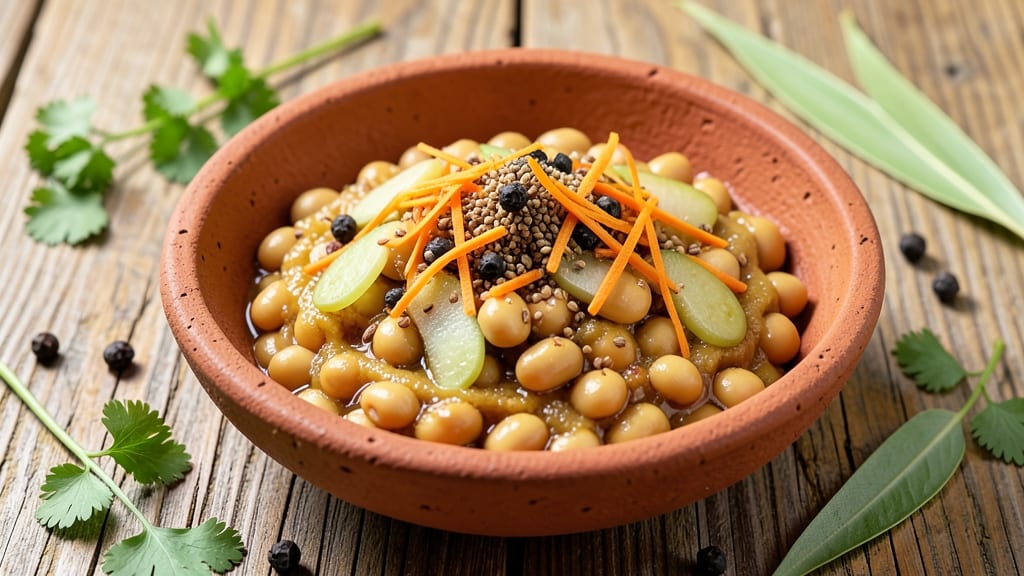
This Ayurvedic mung bean recipe transforms simple golden lentils into a nourishing, spiced dish that balances your body's energies while delivering restaurant-quality flavor. 🌟 The secret lies in traditional preparation methods—soaking, sprouting, and tempering with warm spices—that unlock mung beans' natural digestibility and earthy sweetness.
Unlike quick-cook versions, this recipe follows Ayurvedic principles to create a dish that's both healing and deeply satisfying. The process begins with thorough soaking to enhance nutrient absorption, followed by a gentle simmer that preserves the beans' natural goodness.
What makes this recipe special is the tempering stage, where ghee, cumin, and turmeric infuse the lentils with aromatic heat—creating that signature golden hue and complex flavor profile. The result is a dish that's light yet filling, perfect for balancing Kapha dosha while providing plant-based protein.
By the time you serve these spiced lentils, you'll have a dish that's vibrant in color, rich in texture, and packed with Ayurvedic benefits. The subtle warmth from turmeric and black pepper supports digestion, while the lentils' easy digestibility makes this ideal for all seasons.
Serve with basmati rice or whole wheat roti for a complete meal that nourishes both body and mind. This recipe scales beautifully for meal prep or family gatherings, and the flavors only deepen as it sits. Let's create a dish that honors tradition while fitting seamlessly into modern lifestyles.
Ingredients for ayurvedic mung bean
Traditional Ayurvedic spices and golden lentils create this nourishing, turmeric-infused dish perfect for balancing Kapha dosha.
| Ingredient | Amount | Notes |
|---|---|---|
| Mung Beans 🌾 | 1 ½ cups | Unsprouted, rinsed thoroughly |
| Fresh Turmeric Root 🌿 | 1 tbsp | Grated, organic preferred |
| Ghee 🧈 | 2 tbsp | Clarified butter, unsalted |
| Ground Cumin Seeds 🌶️ | 1 tsp | Freshly ground preferred |
| Black Peppercorns 🌶️ | ½ tsp | Coarsely crushed |
| Fresh Ginger Root 🌿 | 1 tbsp | Grated, organic preferred |
| Asafoetida Powder 🌶️ | ¼ tsp | High-quality, pure form |
| Coconut Oil 🫒 | 1 tbsp | Unrefined, for tempering |
| Fresh Coriander Leaves 🌿 | ¼ cup | Chopped, for garnish |
| Lemon Juice 🍋 | 1 tbsp | Freshly squeezed |
| Sea Salt 🧂 | ½ tsp | Fine grain, unrefined |
| Cumin Seeds 🌶️ | ½ tsp | Whole, toasted |
| Fennel Seeds 🌿 | ¼ tsp | Lightly crushed |
| Water 💧 | 4 cups | Filtered preferred |
The foundation starts with organic mung beans—look for whole, yellow-skinned varieties at Indian specialty stores or well-stocked health food markets like Whole Foods. Fresh turmeric root (not powder) is non-negotiable for authentic flavor and vibrant color; Penzeys Spices carries excellent quality if local markets are limited. For the tempering stage, ghee from organic sources (like Ghee Heaven or Ancient Organics) ensures the rich, nutty depth that defines Ayurvedic cooking. The cumin and fennel seeds should be toasted lightly in a dry pan before grinding to enhance their aromatic compounds—a small effort that makes a significant flavor difference.
No fresh turmeric? High-quality turmeric powder (like Organic India brand) works in a pinch, but use half the amount since it lacks the moisture content of fresh root. Substitute coconut oil with avocado oil for a neutral base, though it won't carry the same depth of flavor. For asafoetida (hing), no substitute exists—it's the soul of Ayurvedic cooking, but if unavailable, increase black pepper to 0.75 tsp for digestive warmth. The ginger and coriander can be swapped with dried powdered versions at one-third the quantity, though fresh is always preferred. Store whole spices in airtight containers away from light to preserve their potency for up to 6 months.
This dish improves with time—flavors meld beautifully after sitting for 2-3 hours, making it perfect for meal prep. Store leftovers in glass containers in the refrigerator for 4-5 days, or freeze for 3 months in portioned batches. The ghee and spices can be pre-toasted and stored separately in small jars for up to 2 weeks, saving time on busy mornings. For best results, serve with steamed basmati rice or whole wheat roti to create a complete, Ayurvedically balanced meal that supports digestion and energy levels throughout the day.
Why You'll Love This Recipe
- No-Soaking Needed: I’ll admit, I used to dread the whole soaking thing—until I realized these little mung beans cook through in 30 minutes without a single overnight wait. Just rinse, pressure cook, and move on.
- Golden Earthy Magic: That fresh turmeric root? It’s not just a pretty color—it’s the warm, peppery backbone that makes this taste alive. The ghee adds richness, but the cumin and black pepper? They’re the secret handshake that turns simple beans into something unforgettable.
- Lunchbox to Dinner Party: Between us, this is my go-to for everything: a quick lunch with roti, a hearty side for guests, or even a potluck dish that actually impresses. The flavors hold up, and it’s the one recipe I never skip when I’m feeding a crowd.
- Budget Meal That Lasts: A pound of mung beans runs me $2, feeds four, and the leftovers? Still delicious three days later. I keep a batch in the fridge for those nights when I’m too tired to think—just reheat, add a squeeze of lemon, and call it a win.
Step-by-step instructions for Ayurvedic mung bean preparation
Transform simple mung beans into golden, aromatic lentils using traditional Ayurvedic techniques.
🍳 Step 1: Temper the Ghee and Spices
Heat the 2 tablespoons ghee in a heavy-bottomed pot over medium heat until it melts completely and begins to shimmer. Add the 0.5 teaspoon whole cumin seeds and 0.25 teaspoon lightly crushed fennel seeds—they'll sizzle and release their aromatic oils almost immediately.
As the seeds begin to pop, reduce heat to low and add the 1 tablespoon grated fresh turmeric root and 1 tablespoon grated fresh ginger root. Stir constantly for 30 seconds until the turmeric turns a vibrant golden color and the ginger becomes fragrant. This is your flavor base—don't let it burn. The turmeric should infuse the ghee completely before moving forward.
🍳 Step 2: Add Mung Beans and Water
Increase heat to medium-high and add the 1.5 cups rinsed mung beans to the pot. Stir for 1 minute to coat the beans evenly with the spiced ghee. This ensures every bean absorbs the aromatic flavors.
Pour in the 4 cups filtered water and bring to a rolling boil. Once boiling, reduce heat to medium-low and let it simmer uncovered for 15 minutes. You'll see a thick foam rise to the surface—this is normal. Skim off any excess foam with a spoon to prevent bitterness. The beans should soften slightly but remain firm at this stage.
🔥 Step 3: Incorporate Asafoetida and Pepper
After 15 minutes, add the 0.25 teaspoon asafoetida powder and 0.5 teaspoon coarsely crushed black peppercorns. Stir gently to distribute these potent flavors throughout the mixture. The asafoetida will add its distinct umami depth, while the pepper provides a subtle heat that balances the dish.
Simmer uncovered for another 10 minutes, stirring occasionally. The beans should be nearly tender but still hold their shape when pressed between fingers. If the mixture becomes too thick, add ½ cup water to maintain proper consistency. This step develops the lentils' characteristic golden hue and rich flavor profile.
🥘 Step 4: Finish with Coconut Oil Tempering
Remove the pot from heat and let it cool slightly for 2 minutes. In a small separate pan, heat the 1 tablespoon unrefined coconut oil over low heat until it just begins to shimmer. Add the 1 teaspoon freshly ground cumin seeds and let them sizzle for 10 seconds—this creates a fragrant oil that will elevate the dish.
Pour this spiced coconut oil over the cooked lentils and stir gently. The oil should coat each bean, adding another layer of complexity. Return the pot to low heat and add the 1 tablespoon freshly squeezed lemon juice and 0.5 teaspoon sea salt. Simmer for 3 minutes to meld all flavors together. The lemon juice brightens the dish while the salt enhances all the spices.
🍽️ Step 5: Garnish and Serve Warm
Transfer the golden lentils to a serving bowl and let them cool for 5 minutes. Garnish with the 0.25 cup chopped fresh coriander leaves just before serving. The coriander adds freshness that cuts through the richness of the spices.
Serve immediately while warm, accompanied by traditional accompaniments like steamed rice or whole wheat roti. The dish should have a vibrant golden color, aromatic spice notes, and a satisfyingly thick yet light texture. Each bite should deliver balanced flavors—earthy cumin, warm ginger, peppery heat, and the subtle sweetness of the mung beans.
Pro Tips For Making Ayurvedic Mung Bean
- Grind Turmeric Fresh: I learned this the hard way—dried turmeric powder lacks the bright, peppery kick of fresh root. Peel a 2-inch piece, grate it directly into the ghee, and cook for 30 seconds until the edges turn golden. That’s when the real magic starts.
- Crackle the Ghee: Don’t just melt the ghee—get it smoking. Heat it on medium-high until tiny bubbles form at the edges, then add the cumin and peppercorns. The nutty aroma hits differently when the spices sizzle in hot, aromatic fat.
- Soak Beans Overnight: Skipping this step means gummy, undercooked beans. Rinse split mung beans, soak in warm water for 8–10 hours, then drain. They’ll cook in 10–12 minutes, not 30, and stay tender without falling apart.
- Simmer, Don’t Boil: Once the beans hit the pot, keep the heat low enough that you barely see bubbles. Boiling turns them mushy; a gentle simmer preserves their texture. Stir occasionally—just enough to keep them from sticking.
Creative variations of ayurvedic mung bean
Golden Turmeric Twist
Swap the fresh turmeric root for ½ teaspoon turmeric powder when fresh isn't available—though the color will be slightly less vibrant. For extra depth, add ¼ teaspoon black cardamom pods (lightly crushed) during the tempering stage. These pods add a floral, smoky note that complements the ginger beautifully. 🌿
Spicy South Indian Style
Transform this into a Karnataka-style mung bean curry by adding 1 tablespoon tamarind paste and 1 teaspoon red chili powder after the initial simmer. Finish with ½ cup coconut milk and a pinch of mustard seeds tempered in coconut oil.
The tangy-sweet balance makes this a perfect side for dosa or idli. 🌶️
Winter Comfort Bowl
Create a hearty winter version by adding ½ cup diced sweet potatoes and ½ cup chopped spinach during the final 10 minutes of cooking. Top with toasted cashews and a drizzle of maple syrup for a sweet-savory contrast.
This version feels like a hug in bowl form, perfect for cold evenings. ❄️
Protein-Packed Sprouted Version
For maximum digestibility and protein, sprout the mung beans overnight (8-10 hours) before cooking. After draining, follow the same recipe but reduce cooking time to 12 minutes total—sprouted beans cook faster.
The result is a lighter, fresher dish with even more nutrients. Garnish with toasted pumpkin seeds for extra crunch. 💪
Ayurvedic Detox Version
Turn this into a detox-friendly dish by adding 1 tablespoon grated carrot and 1 tablespoon grated beetroot during the tempering stage. Include ½ teaspoon coriander seeds (toasted) in the final tempering for liver-supportive benefits. Serve with steamed quinoa instead of rice for a gluten-free, fiber-rich meal. 🌱
Quick Weeknight Adaptation
For busy nights, use 1 cup canned mung beans (drained and rinsed) and reduce water to 2 cups. Skip the initial tempering and simply sauté the beans with 1 teaspoon pre-made garam masala and ½ teaspoon turmeric powder for 8-10 minutes.
Finish with lemon juice—still delicious with half the effort! ⏰
Nutrition facts
Frequently asked questions
Why does this Ayurvedic recipe use ghee instead of regular butter?
Ghee is the traditional fat in Ayurvedic cooking because it's lactose-free, has a higher smoke point, and preserves longer. It also contains butyrate, a fatty acid that supports gut health—perfect for balancing Kapha dosha. The nutty aroma enhances the spices while adding richness without heaviness.
Can I make this mung bean dish gluten-free?
This recipe is naturally gluten-free since it only uses mung beans, spices, and coconut oil. For serving, choose quinoa or millet rice instead of wheat-based roti. Always check spice blends for hidden gluten if using store-bought garam masala.
How do I adjust the spice level for sensitive stomachs?
Reduce the black pepper to ¼ teaspoon and omit asafoetida (it's potent). For extra gentleness, add ½ teaspoon fennel seeds during tempering—they soothe digestion. The dish will still taste flavorful but with milder warmth that's easier on sensitive systems.
What's the best way to store leftovers?
Store in glass containers in the fridge for 4-5 days or freeze for 3 months. Reheat gently on low heat with 1 tablespoon water to prevent drying. The spices actually deepen in flavor overnight, making it taste even better the next day!
Can I substitute mung beans with other lentils?
While mung beans are ideal for their easy digestibility, you can use moong dal (split mung beans) which cooks faster. For other lentils, masoor dal works but requires longer cooking (25-30 minutes). Avoid red lentils—they disintegrate and change the texture completely.