
Soups & Stews
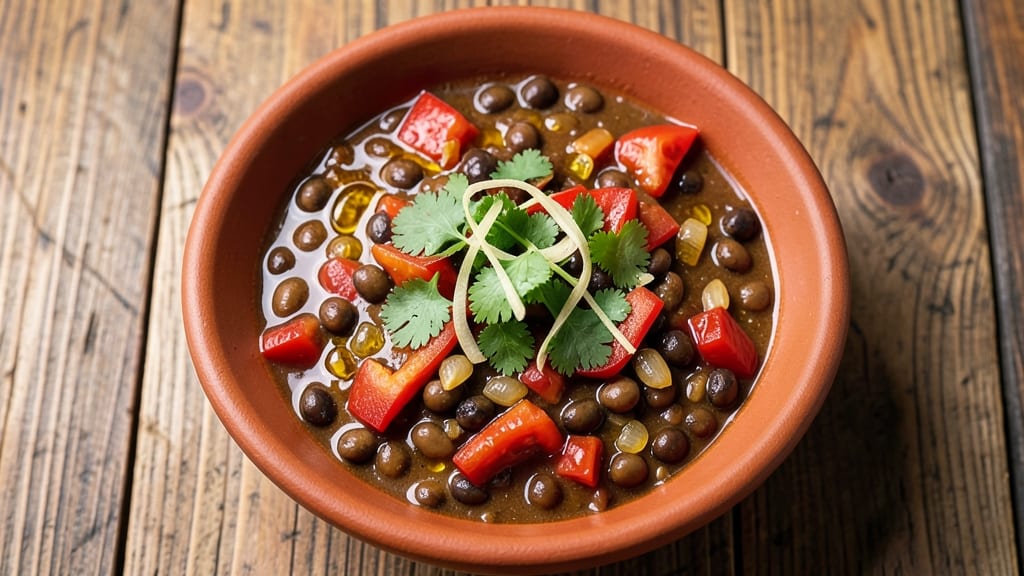
This African bean stew recipe brings the soulful flavors of West Africa to your kitchen with a slow-simmered blend of smoky spices and tender beans. The secret lies in layering aromatics like ginger, garlic, and thyme, then letting them meld into a rich, hearty broth that transforms simple ingredients into something extraordinary. I developed this version after years of perfecting the balance between earthy beans and vibrant tomatoes, creating a dish that's both comforting and deeply satisfying.
The beauty of this stew lies in its versatility—it's hearty enough to stand alone but pairs beautifully with rice, fufu, or even crusty bread.
The slow simmering process (about 1.5 hours) allows the flavors to develop fully, resulting in beans that are tender yet hold their shape, and a sauce that's thick enough to coat every spoonful.
This is the kind of dish that tastes even better the next day, making it perfect for meal prep or feeding a crowd.
What makes this recipe special is its cultural depth—inspired by traditional West African cooking techniques but adapted for modern kitchens. The combination of tomatoes, onions, and peppers creates a vibrant base, while spices like bay leaves and ginger add layers of warmth.
The result is a stew that's rich, flavorful, and packed with plant-based protein, proving that comfort food doesn't require meat.
Serve it with a side of steamed rice or plantains to soak up every last drop of that smoky, spiced broth. The flavors only get better as they sit, so don't hesitate to make extra—this stew is the kind of meal that disappears quickly and leaves everyone asking for seconds.
Let's get cooking!
Ingredients for african bean stew
Sixteen ingredients transform into a soulful African bean stew rich with smoky spices and tender beans.
| Ingredient | Amount | Notes |
|---|---|---|
| Dried Black-Eyed Peas 🌱 | 2 cups | Rinsed to remove debris |
| Canned Diced Tomatoes 🍅 | 2 cups | San Marzano preferred |
| Yellow Onion 🧅 | 1 whole | Medium, chopped fine |
| Red Bell Pepper 🌶️ | 1 whole | Diced, any color |
| Fresh Ginger Root 🌿 | 2 tbsp | Grated, aromatic |
| Garlic Cloves 🧄 | 6 cloves | Minced, fresh preferred |
| Vegetable Oil 🫒 | ½ cup | Light olive or canola |
| Smoked Paprika 🌶️ | 1 tbsp | For smoky depth |
| Ground Cumin 🌿 | 1 tbsp | Toasted for warmth |
| Dried Thyme 🍃 | 1 tsp | Or 1 tbsp fresh |
| Bay Leaves 🌿 | 2 whole | Removed before serving |
| Vegetable Broth 💧 | 3 cups | Low-sodium preferred |
| Lemon Juice 🍋 | 2 tbsp | Freshly squeezed |
| Salt 🧂 | 1 ½ tsp | Kosher or sea salt |
| Black Pepper 🌶️ | ½ tsp | Freshly cracked |
The black-eyed peas are the heart of this dish—dried beans develop deeper flavor than canned, but if you're short on time, no-soak canned beans work in a pinch. For the tomatoes, San Marzano cans have the best balance of sweetness and acidity, but any quality diced tomatoes will do. Fresh ginger and garlic are non-negotiable here—they're the aromatic base that carries the entire dish. Look for plump ginger roots at the store, and buy extra garlic if you can—it's one of those ingredients that freezes beautifully. The smoked paprika is what gives this stew its signature depth, so Penzeys or Trader Joe's are great sources for quality smoked varieties.
No smoked paprika? Substitute half the amount with regular paprika plus a pinch of liquid smoke—it won't be identical, but it'll get you close. Fresh thyme is ideal, but dried works at one-third the amount. The vegetable broth can be homemade or store-bought, but low-sodium is key—you'll be adding salt later. For the bell pepper, any color works, but red has the most natural sweetness. If you're using frozen bell peppers, thaw and drain them first to avoid watering down the stew. The lemon juice brightens everything at the end, so don't skip it—freshly squeezed makes all the difference.
This stew tastes even better the next day as the flavors meld together. Store in an airtight container in the fridge for up to 5 days, or freeze portions for 3 months. I like to portion it into containers with rice on the side—just reheat with a splash of water or broth to restore moisture. The beans will thicken as they cool, so add a splash of broth when reheating if it seems too thick. Leftovers make fantastic lunches or a quick dinner when you're short on time.
Why You'll Love This Recipe
- No-Soak Needed: The dried black-eyed peas here don’t require pre-soaking—just a quick rinse and they’re ready. I’ve made this stew after work when I’m too tired to remember if I soaked anything, and it still turns out tender and hearty.
- Ginger-Zing Kick: That fresh ginger root isn’t just for show—it adds a bright, warm punch that cuts through the richness of the tomatoes and onions. Honestly, the first time I skipped it, I missed it instantly.
- Crowd-Pleaser Basics: This stew is my go-to for game days, potlucks, or lazy Sundays because it feeds a houseful without fuss. Serve it over rice, with crusty bread, or even as a filling for wraps—it’s that adaptable.
- Budget Magic: A single can of tomatoes and a bag of dried peas stretch into multiple meals, and the onions and bell peppers add color without breaking the bank. Between us, this is the recipe I turn to when I’m trying to make groceries last.
Step-by-step instructions for African bean stew
This slow-simmered stew delivers deep flavor through careful layering of spices and aromatics.
Sauté the Aromatic Base
Heat the 0.5 cup vegetable oil in a large pot over medium heat. Add the 1 whole yellow onion and 1 whole red bell pepper, chopped fine, cooking for 5 minutes until softened and translucent. The onion should release its sweetness while the pepper mellows its brightness.
Add the 2 tbsp grated fresh ginger root and 6 cloves minced garlic, stirring constantly for 1 minute until fragrant. This foundational step builds the stew's aromatic complexity—don't rush it. The ginger and garlic should sizzle gently without burning, releasing their full flavor potential.
Toast the Spices
Reduce heat to medium-low and add the 1 tbsp smoked paprika, 1 tbsp ground cumin, and 1 tsp dried thyme. Stir continuously for 1-2 minutes until the spices release their oils and fill the kitchen with an earthy, smoky aroma. This toasting step enhances their flavor and prevents bitterness in the final dish.
Next, add the 2 whole bay leaves and stir briefly to coat them in the spice mixture. The bay leaves will infuse subtle herbal notes throughout the stew. Keep the heat at medium-low—too high will burn the spices before they develop their full character.
Combine Liquids and Simmer
Pour in the 2 cups canned diced tomatoes, 3 cups vegetable broth, and 1.5 tsp salt, stirring to combine. Bring the mixture to a gentle boil, then reduce heat to low and add the 2 cups rinsed dried black-eyed peas. The peas should be fully submerged in the liquid.
Cover the pot and simmer for 1 hour, stirring occasionally. The peas will begin to soften and the flavors will meld together. Check periodically to ensure the liquid hasn't evaporated too much—add a splash of water if needed to maintain a gentle simmer.
Finish with Acid and Rest
After 1 hour, stir in the 2 tbsp lemon juice and 0.5 tsp black pepper. The acidity brightens the dish and balances the rich, earthy flavors. Taste and adjust seasoning if needed—this is your chance to fine-tune the balance of salt, acid, and spice.
Remove the pot from heat and let the stew rest for 10 minutes. This resting period allows the flavors to fully integrate and the peas to absorb the remaining liquid. Before serving, carefully remove the bay leaves—they've done their job and shouldn't be eaten.
Serve Warm with Complementary Sides
Ladle the stew into bowls and serve immediately. The texture should be thick and hearty, with tender peas and a rich, smoky broth. Pair with warm crusty bread or steamed rice to soak up the flavorful liquid.
For best results, let the stew sit for 10-15 minutes before serving—this ensures the flavors are perfectly balanced and the peas are fully tender. The aroma alone will make your kitchen smell like a West African home kitchen, and every spoonful will deliver that satisfying combination of smoky, spicy, and tangy flavors.
Pro Tips For Making African Bean Stew
- SOAK THE BEANS LONG: Dried black-eyed peas need at least 6 hours soaking—or overnight if you’re not in a rush. I learned this the hard way when my stew turned into a mushy, grainy mess because I skipped it. Use twice the water volume and drain well before cooking.
- COOK THE ONIONS LOW: Start onions and ginger on medium-low heat until they’re soft, not brown. I used to blast them on high, and the flavor turned bitter. A gentle simmer for 8-10 minutes lets the sweetness develop without burning—trust me, your stew will taste deeper.
- CRUSH THE GINGER: Fresh ginger root is non-negotiable, but grating it is a waste. Use a knife to slice off thin shavings (no need to peel) and smash them flat with the side of your knife. This releases more flavor and dissolves faster—no lingering chunks in your stew.
- SIMMER NOT BOIL: After adding tomatoes and peppers, keep the heat at a gentle simmer. A rolling boil will break down the tomatoes into a watery sludge. Cover and let it bubble softly for 30-40 minutes—this keeps the texture rich and the flavors layered.
Troubleshooting great african bean stew
Mushy Beans Fix
If your beans turn out mushy, it’s likely from overcooking or using old dried beans. First, make sure you’re using fresh dried black-eyed peas—check the package date, as older beans break down faster.
For future batches, reduce simmering time to 45-50 minutes instead of 1 hour, and stir less frequently to prevent over-mixing. If it happens, stir in 1 tbsp cornstarch mixed with 2 tbsp water to thicken the stew slightly. 💡
Underseasoned Stew
An underseasoned stew often means the spices weren’t toasted long enough or the salt was added too early. To fix this, taste your stew before serving and adjust with ½ tsp salt or ½ tsp smoked paprika at a time.
For extra depth, add a pinch of ground cloves or cinnamon—common in West African cooking—to enhance warmth. If the broth tastes bland, reduce it uncovered for 5-10 minutes to concentrate the flavors. 🌶️
Too Thin Broth
A watery stew usually means the beans released too much starch or the broth wasn’t reduced enough. Let the stew simmer uncovered for an extra 10-15 minutes to thicken naturally.
If it’s still too thin, mash ½ of the cooked beans lightly with a fork and stir back in—their starch will help thicken the broth. For a quicker fix, mix 1 tbsp tomato paste with 2 tbsp water and stir it in. 💧
Burnt Spices
Burnt spices happen when heat is too high during toasting. To prevent this, always keep the heat at medium-low when adding spices like smoked paprika and cumin. If your spices burn, remove the pot from heat immediately and stir in 1 tbsp honey or brown sugar to balance the bitterness.
For future batches, reduce the heat further or toast spices in a dry pan first before adding them to the stew. 🔥
Peas Not Tender
Undercooked peas are often due to insufficient simmering time or using hard-to-cook beans. If your peas are still firm after 1 hour, add ½ cup hot water and simmer uncovered for another 20-30 minutes.
For a quicker fix, stir in 1 tbsp apple cider vinegar, which helps break down the beans’ skins faster. Next time, soak the dried beans overnight in water with 1 tsp baking soda to soften them before cooking. 🌱
Sour or Overly Tangy
Too much lemon juice can make the stew taste overly sour. Balance it by adding 1 tsp sugar or honey to mellow the acidity. If the stew still tastes sharp, stir in ½ tsp ground nutmeg or a pinch of cinnamon to add warmth and depth.
For future batches, reduce lemon juice to 1 tbsp and taste before adding more. 🍋
Nutrition facts
Frequently asked questions
Can I substitute cowpeas or lentils for black-eyed peas in this recipe?
Cowpeas (also called black-eyed peas) are traditional, but you can use 1 cup dried red lentils or 1 cup dried chickpeas instead. Lentils will make the stew creamier, while chickpeas add a firmer texture. Adjust cooking time—lentils cook in 20 minutes, while chickpeas need 45-60 minutes. For cowpeas, use the same 1:1 ratio as black-eyed peas.
How do I make this stew spicier without adding heat?
For smoky heat without capsaicin, increase the smoked paprika to 2 tbsp and add ½ tsp ground nutmeg or ½ tsp ground coriander. These spices deepen the warmth without overwhelming flavor. For a subtle kick, toast 1 tsp whole mustard seeds in the oil during Step 1—they add a nutty, aromatic depth that pairs beautifully with the beans.
Can I make this stew in an Instant Pot or pressure cooker?
Yes! Sauté the aromatics as directed, then add all remaining ingredients (including beans) and cook on high pressure for 15 minutes. Quick-release the pressure, stir in lemon juice, and let it rest 10 minutes before serving. The beans will be tender in half the time, but the flavors may be slightly less developed. For extra depth, finish with 1 tbsp tomato paste after cooking.
What’s the best way to store and reheat leftovers?
Store in an airtight container in the fridge for up to 5 days or freeze for 3 months. To reheat, add 2-3 tbsp water or broth per cup of stew and simmer on low heat for 10-15 minutes. Stir occasionally to prevent sticking. The flavors actually improve overnight as the spices meld further—perfect for meal prep!
How can I make this stew gluten-free and nut-free?
This recipe is already naturally gluten-free and nut-free! Just ensure your vegetable broth is certified gluten-free (some contain wheat). For extra richness, stir in 1 tbsp coconut milk at the end instead of lemon juice—it adds creaminess without dairy. Always check spice labels (like smoked paprika) for hidden gluten or nut traces if you have severe allergies.